Canadian Delegation Discovers the Biodiversity of Kibale, Uganda’s Primate Capital
Kibale National Park, Uganda – As the ten-day Canada-Uganda Familiarization (FAM) Trip continued its journey through Western Uganda, the delegation of Canadian travel experts arrived in Kibale National Park, widely recognized as the “Primate Capital of the World.”
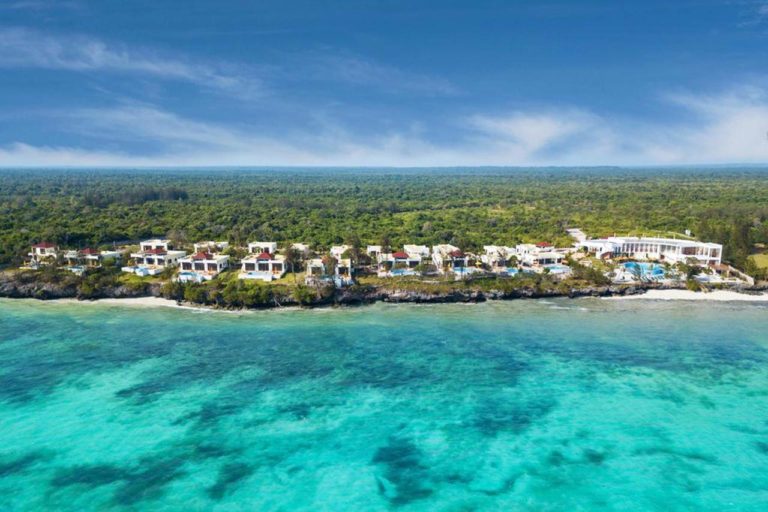
Coming off the sweeping savannahs of Queen Elizabeth National Park, this leg of the tour offered a stark and stunning contrast, moving the delegates from wide-open horizons into the emerald depths of one of Africa’s most ancient and diverse tropical rainforests.
A Showcase of Primate Majesty
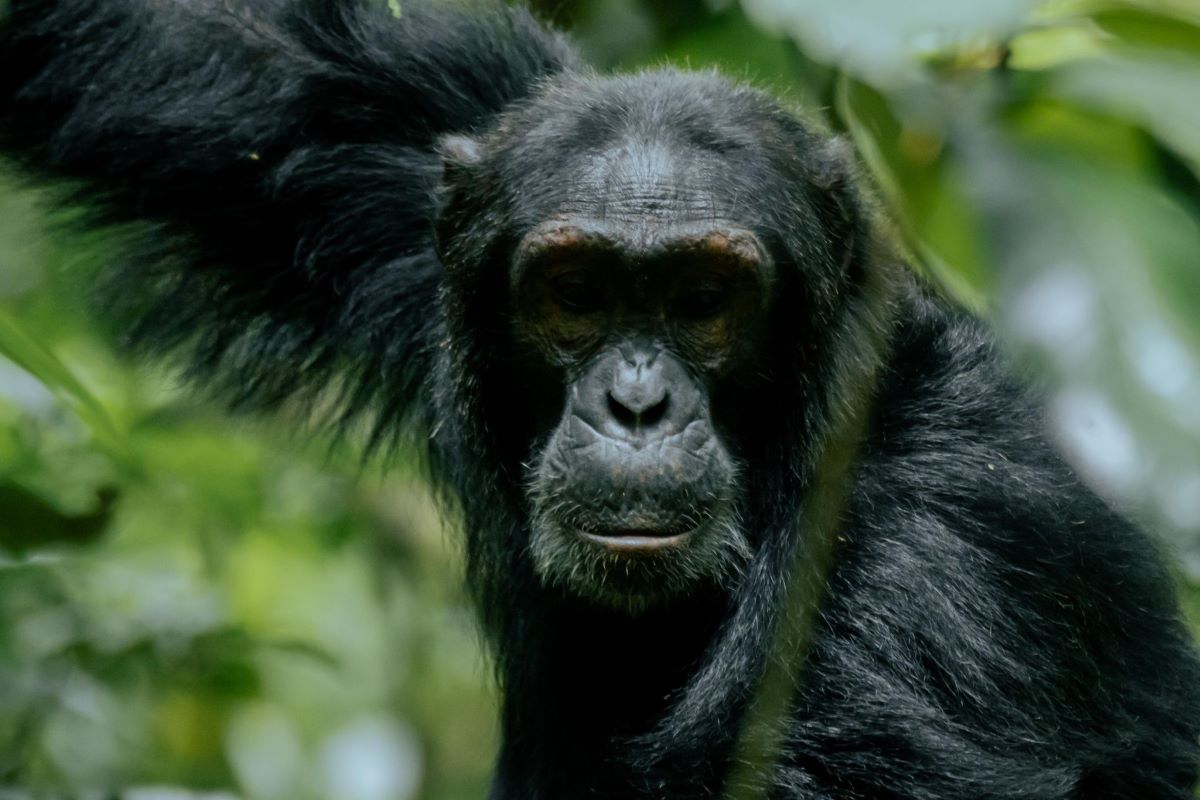
Spanning 795km2, Kibale National Park serves as a critical sanctuary for biodiversity. The delegation’s visit centered on the park’s most famous residents—the chimpanzees. With a population of over 1,500 individuals, Kibale boasts the highest density and diversity of primates in East Africa, including 12 other species such as the endangered Red Colobus monkey and the rare L’Hoest’s monkey.

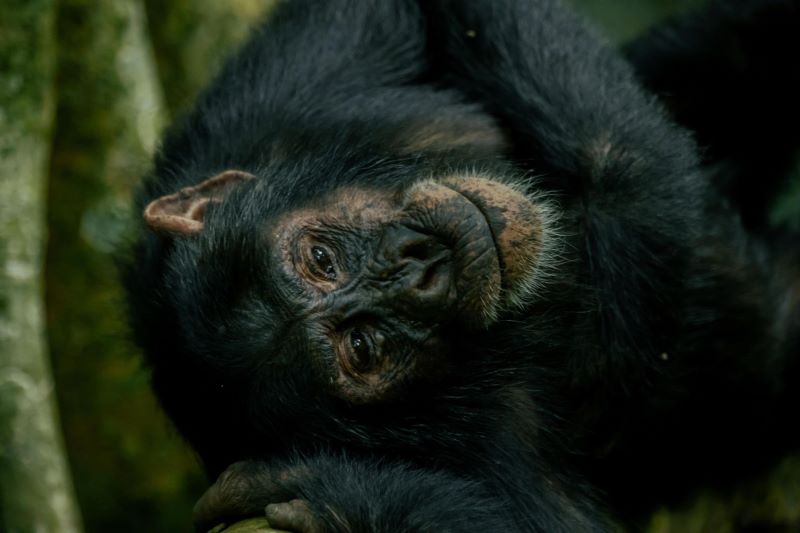
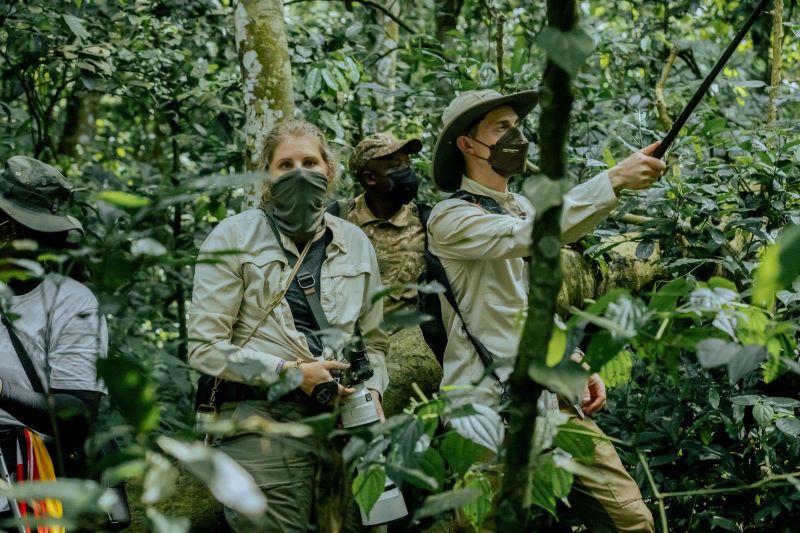
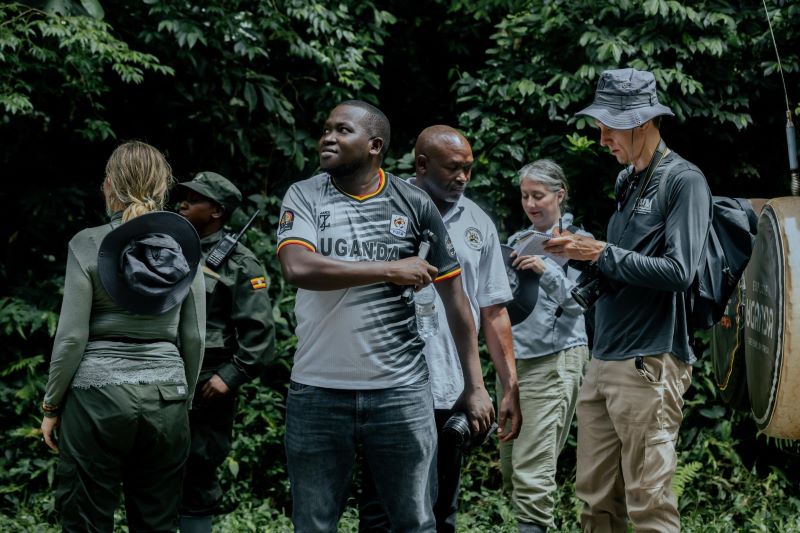
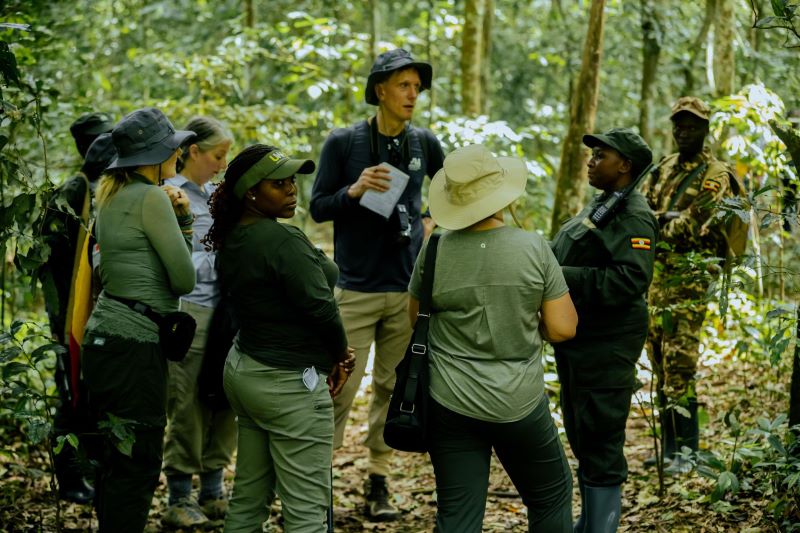
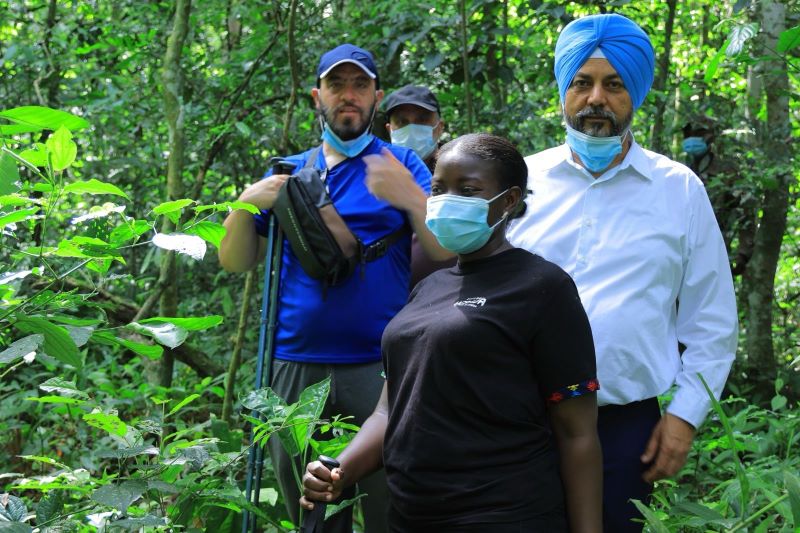
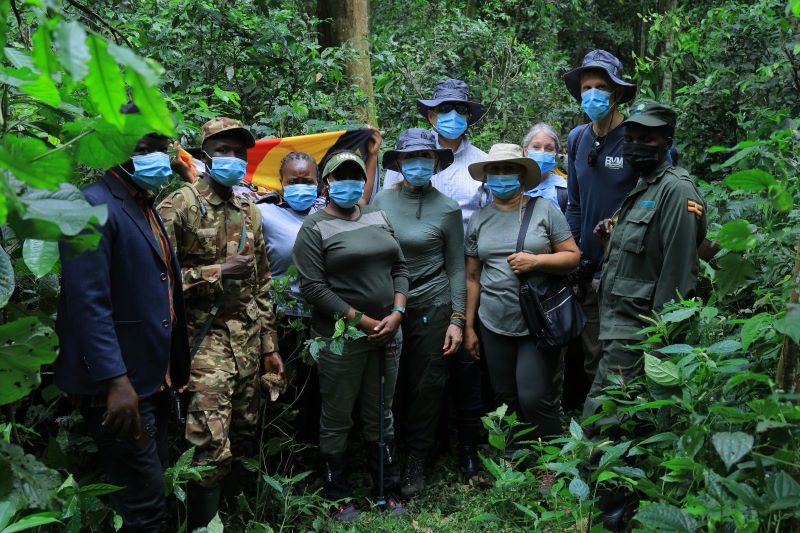
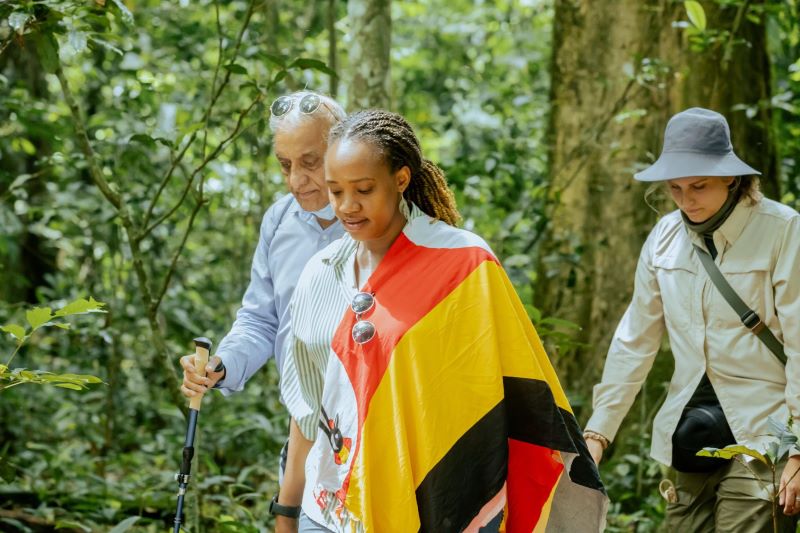
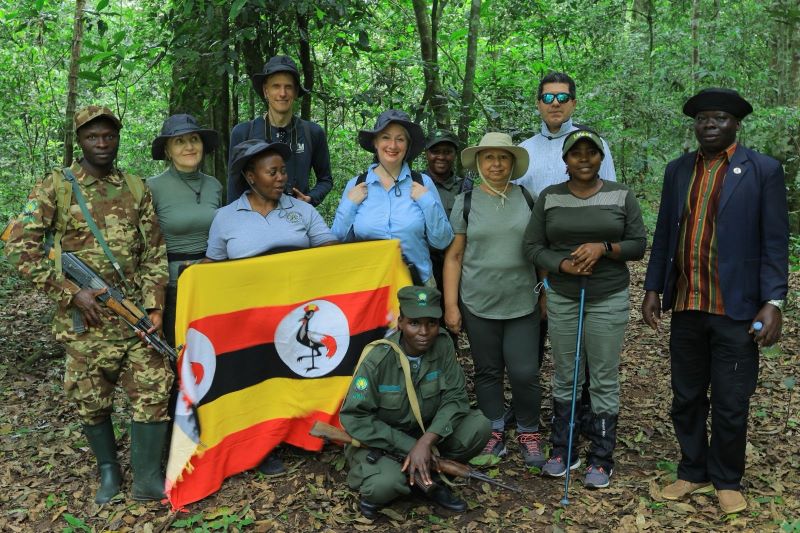
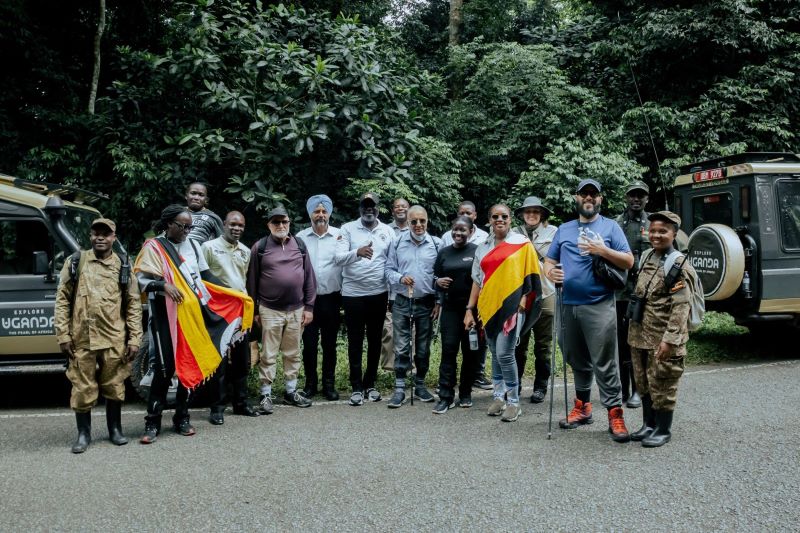
The standout moment of the visit was the trek from Kanyanchu, where the Canadian representatives engaged in an immersive forest journey. Guided by expert rangers, the group observed habituated chimpanzee communities in their natural habitat, witnessing their complex social structures and intelligent behaviors firsthand.
“The Kanyanchu trek is a powerful showcase of Uganda’s unique primate tourism,” one delegate remarked. “Seeing these intelligent primates in such a pristine, protected environment speaks volumes about the country’s commitment to sustainable tourism.”
Confidence in the Pearl of Africa
The visit has reinforced strong confidence among the Canadian tour operators and travel agents regarding Uganda’s competitive edge in the North American market. Following the primate trek, the delegation noted the high quality of the “well-curated visitor experiences” and the seamless blend of adventure and conservation.
This positive feedback is a significant win for the Uganda High Commission in Ottawa. Ambassador Allan Kajik, Charge d’Affaires, who has been a vocal proponent of “Unveiling Uganda” to the Canadian market, emphasized that these experiences are exactly what high-value eco-tourists are seeking.
“Canadian travelers are looking for authenticity and ecological integrity,” Ambassador Kajik stated. “Kibale’s exceptional biodiversity and the success of its long-running chimpanzee tracking program position Uganda as a distinctive leader on the global tourism map.”
Beyond the Forest Floor
The delegation’s exploration also touched upon the park’s broader ecosystem, which includes:
- Avian Diversity: Over 370 bird species, including the elusive Green-breasted Pitta.
- Geological Wonders: The scenic crater lakes that dot the landscape surrounding the forest.
- Sustainable Management: Evidence of the strong conservation efforts that have maintained a 90% success rate for chimpanzee sightings since 1993.
As the FAM trip enters its final stages, the delegates move forward with a comprehensive understanding of Uganda’s “Big Seven”—the traditional Big Five plus mountain gorillas and chimpanzees. This journey through Kibale has added a vital chapter to the story they will take back to Canada: a story of a country that protects its past while building a sustainable future for its wildlife and its people.
The tour now shifts toward the legendary Source of the Nile in Jinja, where the energy of the river awaits to conclude this landmark diplomatic and tourism mission.