Africa’s Tourism Landscape: A Season of Intentionality
January: The Month of New Beginnings
January in Africa arrives with a quiet but profound purpose. While much of the world spends the month recovering from festive excesses, the African tourism industry enters the year with renewed momentum, strategic clarity, and a unique set of seasonal offerings.
For the continent’s destinations, the start of the year is a period of reflection and repositioning. Governments, tourism boards, and hospitality leaders utilize this window to roll out fresh strategies and refine guest experiences. For the traveler, January offers a calmer, more authentic encounter with the continent—far from the peak-season crowds and inflated holiday pricing.
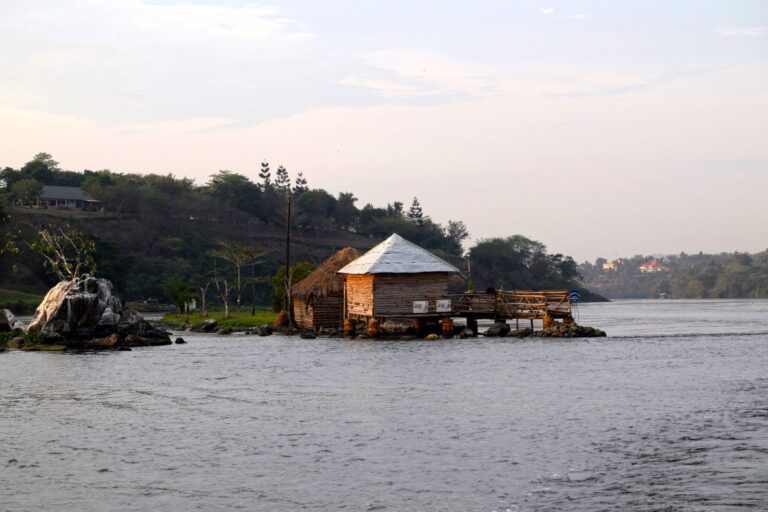
Climatically, the month provides a diverse palette of experiences. East and Southern Africa enjoy prime conditions for safaris, characterized by clear skies and vibrant wildlife movement. In West Africa, the focus shifts to cultural depth as communities prepare for traditional festivals and local markets that reflect daily life rather than staged spectacle. Simultaneously, coastal regions benefit from mild, balmy weather, making the month ideal for wellness retreats and leisure travel.
From an industry perspective, January is a crucible for innovation. This is when new flight routes are inaugurated and hospitality brands pilot sustainable concepts centered on community inclusion and heritage preservation. Ultimately, Africa’s tourism narrative at the start of the year has shifted: it is no longer just about attraction, but about intention.
February: Love, Culture, and the Art of Connection
While February is globally synonymous with romance, in Africa, the month unfolds as a rich tapestry of cultural experiences that transcend the traditional Valentine’s Day narrative.
Certainly, the hospitality sector has embraced the season of love. From the spice islands of Zanzibar and the vineyards of Cape Town to the vibrant urban energy of Lagos and Accra, resorts curate experiences that blend luxury with local heritage. However, February’s true heart lies in its storytelling. This is a month when museums, galleries, and cultural centers curate exhibitions exploring themes of ancestry, memory, and belonging.
For solo travelers and small groups, February is the quintessential time for experiential travel. With a more relaxed tourism flow, visitors can engage in intimate food tours, craft workshops, and historical walks. This allows for a deeper level of personal interaction with artisans and guides that is often impossible during the December rush. In Africa, “love” in February extends beyond the romantic; it is expressed through the warmth of hospitality and the enduring bond between the people and the land.
Beyond the Destination: The Rise of the Intentional Traveler
The January–February window represents a burgeoning movement toward intentional travel—journeys rooted in purpose, education, and mutual respect.
This season encourages visitors to move beyond “checklist tourism” and engage with Africa as a living, breathing continent of aspirations and histories. During these months, destinations are less performative and more authentic. It is a period when landscapes are unhurried and stories are shared without the pressure of a ticking clock.
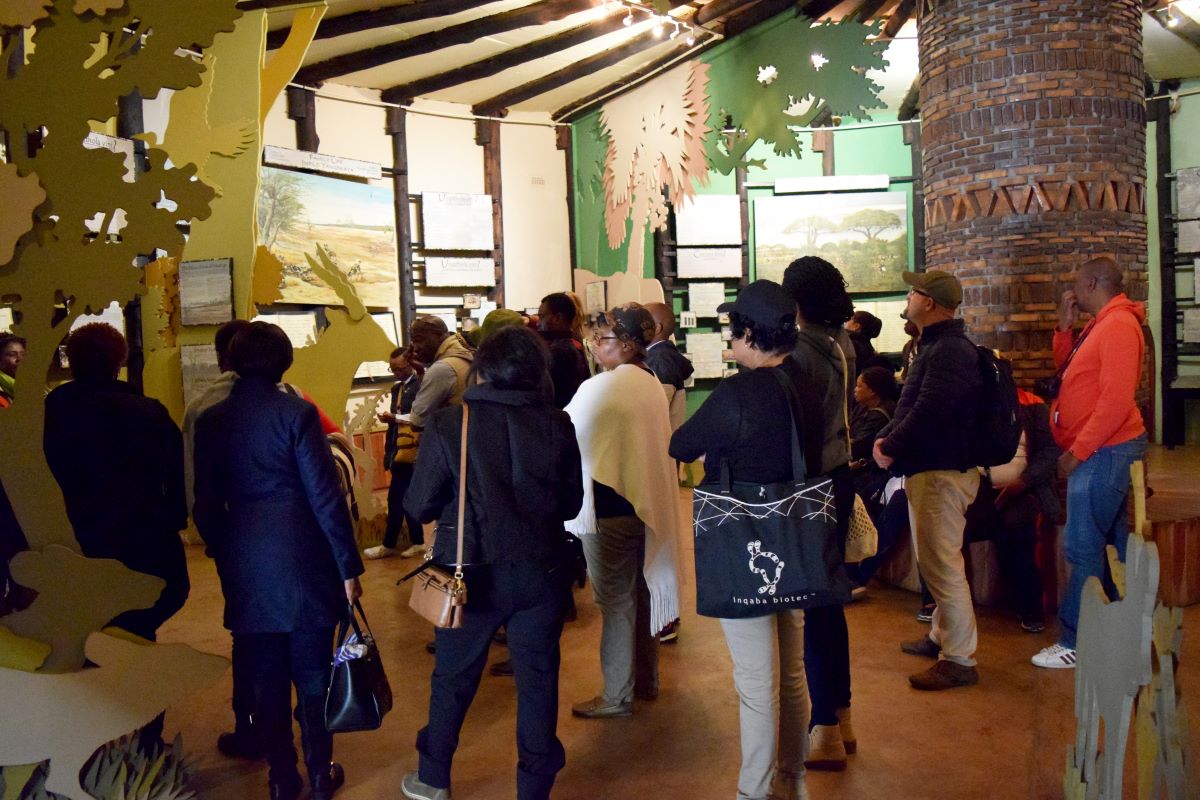
Intentional travel during this time prioritizes heritage and ethical engagement. Travelers are increasingly drawn to pottery villages, craft markets, and historical townships—spaces where culture is lived, not merely displayed. This shift directly supports local economies while helping to preserve traditional knowledge.
For the African tourism industry, the beginning of the year is an opportunity to reshape the global narrative. By highlighting depth and sustainability over peak-season spectacles, the continent proves that tourism’s true value lies in impact rather than just numbers. As 2026 begins, these early months invite a richer form of travel—one that listens as much as it explores.