Anantara Kafue River’s Electric Bike Initiative Empowers Anti-Poaching Rangers
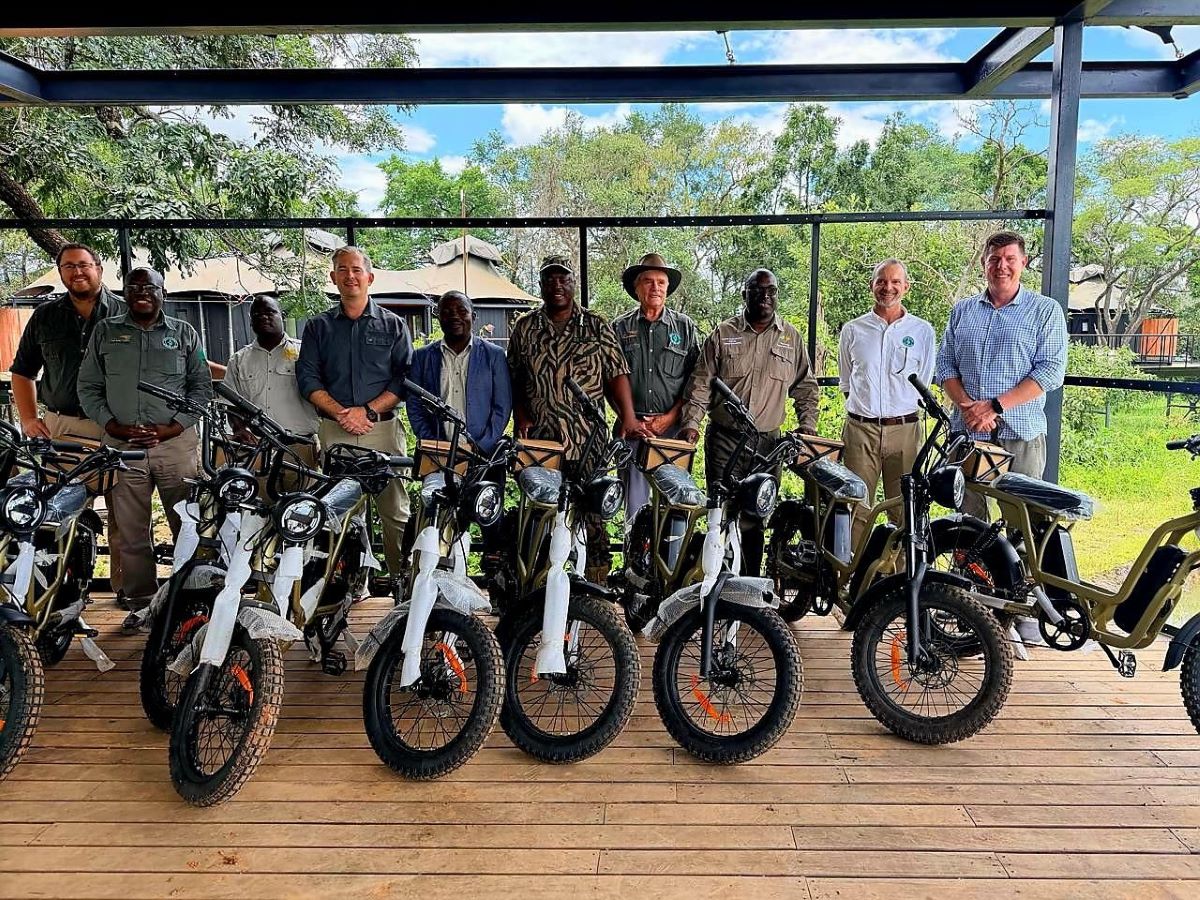
In a powerful demonstration of sustainable tourism in action, Anantara Tented Camp Kafue River has donated ten cutting-edge electric bikes to support conservation efforts in one of Africa’s most ecologically significant landscapes. This initiative highlights how the hospitality industry can play a crucial role in wildlife protection while creating meaningful impact beyond guest experiences.
Silent Guardians: Technology Meets Conservation
The BushBike Ranger Edition bikes, developed by ebikesafrica, represent a game-changing tool for anti-poaching operations in Kafue National Park, Zambia. These aren’t ordinary bicycles—they’re solar-powered, all-terrain vehicles designed specifically for the harsh realities of ranger work. With an impressive 80-kilometer range and puncture-proof tires, these bikes enable rangers to patrol vast territories silently and efficiently, reducing environmental impact while enhancing security capabilities.
A Partnership for Africa’s Wildlife
The handover ceremony brought together key stakeholders in African conservation: the Department of National Parks and Wildlife and African Parks Network, an organization dedicated to rehabilitating and managing protected areas across the continent. This collaboration exemplifies the multi-sector approach needed to address poaching—a threat that continues to endanger Africa’s iconic wildlife.
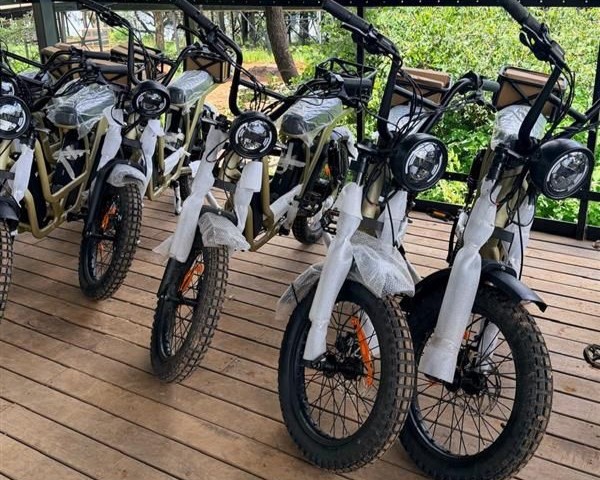
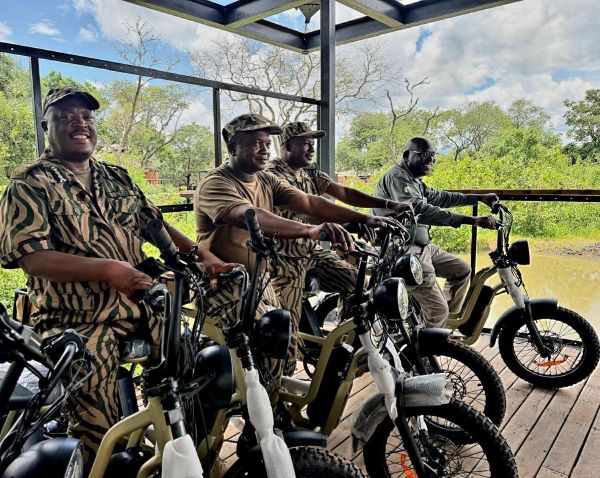
The rangers stationed in Kafue face daily challenges protecting one of Africa’s largest national parks, spanning over 22,000 square kilometers. Traditional patrol methods are often noisy, fuel-dependent, and limited in range. Electric bikes offer a sustainable alternative that allows rangers to move quietly through the bush, cover more ground, and respond quickly to threats—all while leaving minimal environmental footprint.
Beyond Hospitality: The Role of Responsible Tourism
Anantara Kafue River’s initiative reflects a growing trend in luxury tourism: the recognition that exceptional guest experiences must coexist with environmental stewardship and community support. As stated in their announcement, their purpose “extends beyond hospitality” to leaving a positive legacy.
This approach to conservation tourism offers several benefits:
- Direct Impact: Equipment donations provide immediate, practical support to frontline conservation efforts
- Sustainable Solutions: Solar-powered technology aligns with environmental values and reduces operational costs
- Community Engagement: Supporting local rangers strengthens relationships with communities who are essential partners in conservation
- Guest Connection: Visitors to Anantara can see tangible evidence of their tourism dollars supporting meaningful causes
The Bigger Picture: Ecotourism as Conservation Funding
This donation represents a model that could be replicated across Africa’s tourism industry. Kafue National Park, while less famous than destinations like South Luangwa or the Serengeti, is a biodiversity hotspot that requires sustained funding and support. Tourism operations like Anantara Kafue River create economic incentives for conservation while generating resources that can be channeled back into protection efforts.
The electric bikes also address a practical challenge: conservation funding often focuses on high-profile projects while rangers lack basic equipment. By providing functional tools that enhance daily operations, Anantara’s contribution has immediate, measurable impact.
Honoring the True Guardians
Perhaps most importantly, this initiative recognizes and honors the rangers themselves—individuals who risk their lives daily to protect Africa’s natural heritage. These “true guardians of Kafue,” as Anantara describes them, often work in dangerous conditions with limited resources. Providing them with advanced equipment not only improves their effectiveness but also demonstrates respect for their critical role in conservation.
A Call to Action
Anantara Tented Camp Kafue River’s electric bike donation sets a compelling example for the tourism industry. As travelers increasingly seek meaningful, responsible tourism experiences, properties that actively contribute to conservation and community welfare will lead the way.
For other lodges, camps, and tourism operators across Africa, the message is clear: we can—and must—do more than simply operate in these precious landscapes. We must actively protect them, support the people who safeguard them, and ensure that tourism becomes a force for positive change.
The ten electric bikes now patrolling Kafue National Park represent more than equipment—they symbolize a commitment to conservation, a partnership between tourism and wildlife protection, and hope for Africa’s wild places and the species that call them home.