CITF 2026: Minister Unveils Cameroon’s Tourism Blueprint, Targets 3.5 Million Arrivals
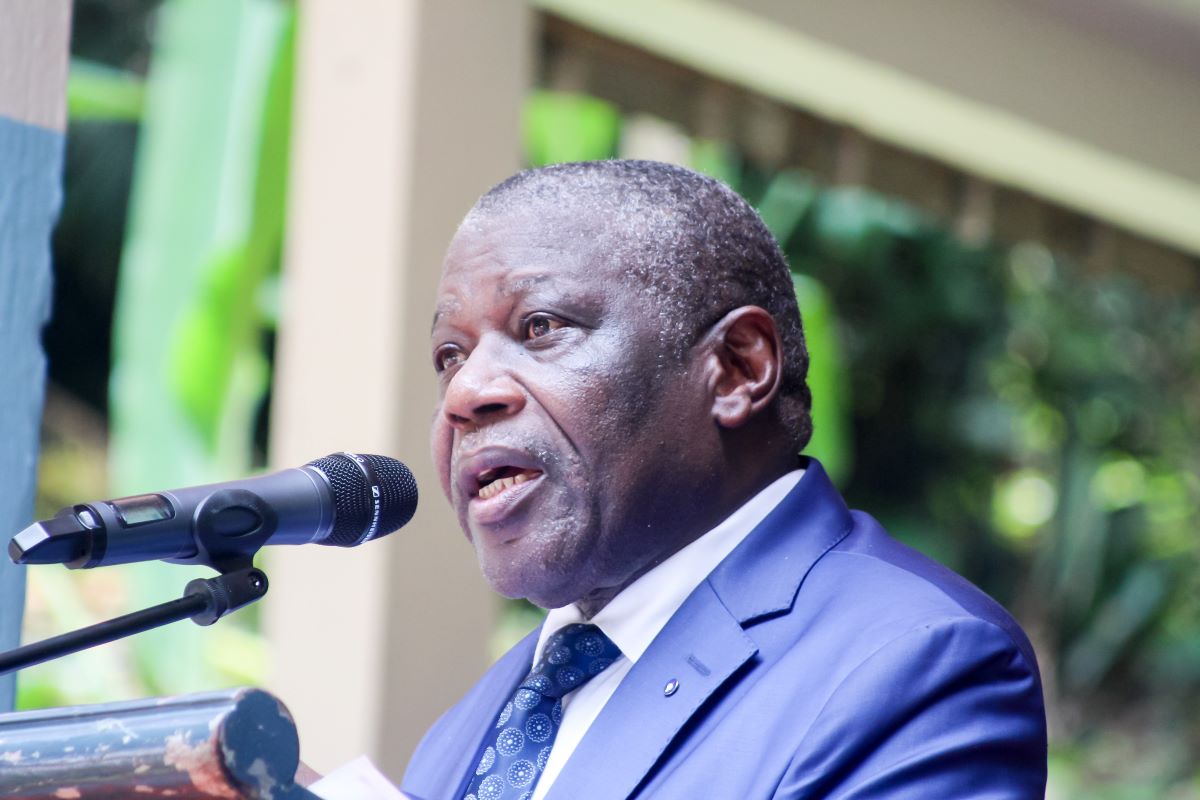
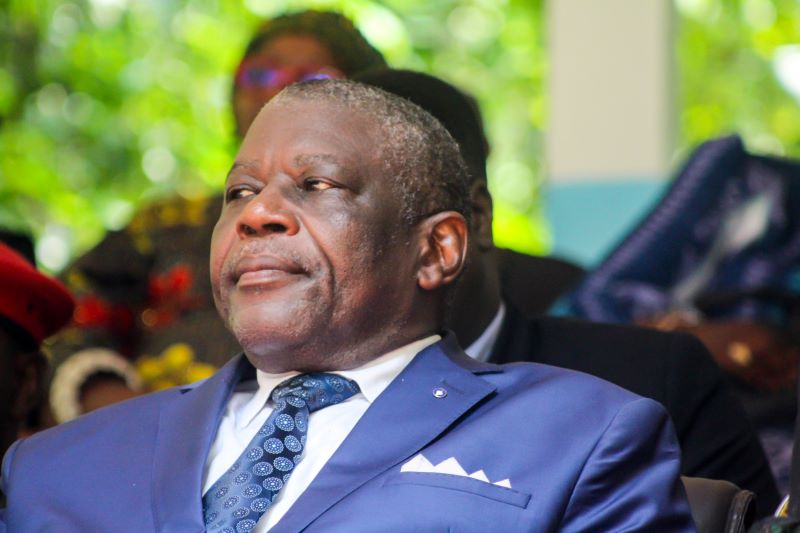
Limbe, Cameroon — Cameroon’s Minister of Tourism and Leisure, Gabriel Mbaïrobe, officially declared open the 5th edition of the Cameroon International Tourism Fair (CITF 2026) on Thursday, March 19, at the historic Limbe Botanic Garden — setting an ambitious national target of attracting at least 3.5 million international tourists annually and unveiling a sweeping strategy to position Cameroon as a premier global destination.
Speaking before a distinguished gathering of government officials, diplomatic representatives, private sector operators, airlines, tour operators, and international delegations, the Minister framed CITF 2026 not merely as a trade fair, but as a strategic instrument in Cameroon’s national tourism agenda — a platform to project “Africa in Miniature” to the world and convert the nation’s extraordinary natural and cultural endowments into measurable economic returns.
A Year of Greatness and Hope
Minister Mbaïrobe anchored his address in the broader national context, describing 2026 as the inaugural year of what he called the “Seven-Year Term of Greatness and Hope” — a period of renewed ambition under President Paul Biya’s leadership. Within this framework, he said, tourism occupies a central role.
“Our mission is clear: to transform Cameroon into a premier global destination,” he declared, adding that CITF serves as a cornerstone of that transformation — a flagship gathering designed to showcase Cameroon’s diversity and drive economic growth.
Two Pillars: Gastronomy and the Blue Economy
The Minister spotlighted two transformative priorities driving Cameroon’s tourism strategy in 2026: gastronomy and the blue economy.
On gastronomy, he announced a landmark milestone: Ndolè — one of Cameroon’s most beloved traditional dishes — has become the first Cameroonian culinary tradition to receive formal intellectual property protection, marking a historic step in the government’s broader effort to safeguard the nation’s culinary heritage. The Ministry has identified 14 traditional dishes earmarked for protection by the World Intellectual Property Organization (WIPO), with the dual aim of strengthening Cameroon’s gastronomic reputation internationally and guaranteeing the authenticity of ancestral recipes.
“These specialties are not merely cultural heritage — they are powerful flagship tourism products,” Mbaïrobe said.
The Ministry has also undertaken a strategic approach to labelling and protecting Cameroon’s culinary identity — including the adoption of HALAL and VEGAN certification standards, adapting Cameroon’s iconic dishes — where possible — to meet evolving global consumption habits and sustainability expectations.
On the blue economy, the Minister described the concept as going “beyond the simple use of maritime resources” to advocate for the sustainable and integrated management of oceanic and coastal spaces. In Limbe — a seaside city par excellence — the blue economy encompasses coastal tourism, artisanal fishing, maritime transport, and ecosystem protection, all of which create employment and reduce poverty.
“The blue economy is not just an environmental imperative — it is an economic opportunity that Cameroon is uniquely positioned to seize,” he said.
Digital Promotion and a New Booking Platform
In line with what the Minister described as an “aggressive and impact-oriented” marketing strategy for 2026, he announced the launch of a dedicated digital platform for hotel bookings and destination discovery — a tool designed to give Cameroon direct control over its tourism narrative and reach travelers globally.
“We must control our story and reach every traveler directly,” he said, encouraging all fair participants to explore and leverage the new platform as part of a coordinated push toward digital destination marketing.
A Partnership with the Private Sector
The Minister used the occasion to reaffirm the Ministry’s commitment to close collaboration with private sector operators, airlines, and tour operators — describing the government as a “steadfast ally” in addressing industry challenges, including unfair competition, service quality gaps, and regulatory barriers.
“We are committed to a synergy of action and close partnership with the private sector, maintaining ongoing dialogue to address your concerns,” he said, calling on stakeholders to use the fair’s three days of networking and panel discussions to drive meaningful policy exchange.
He also reminded all stakeholders that Cameroon’s global reputation ultimately rests on the quality of its welcome. “Every visitor’s impression of Cameroon depends on the warmth of our hospitality and the excellence of our services,” he said. “I encourage you all to make this stay for our international guests truly memorable and enriching.”
CITF: A Hub for Sustainable Tourism
Organized by Flora Travel and Tour Company Limited in partnership with the Limbe City Council and under the patronage of the Ministry of Tourism and Leisure, CITF 2026 runs under the theme “Tourism, Culture and Trade Synergies” — a framework that, in the Minister’s words, recognizes cultural treasures and world-class gastronomy as “powerful drivers of economic development and trade.”
The fair brings together exhibitors, buyers, policymakers, and cultural practitioners for three days of exhibitions, panel discussions, B2B sessions, and familiarization trips — all designed to foster partnerships and align with national priorities for sustainable, inclusive growth.
Closing his address with characteristic optimism, Minister Mbaïrobe declared: “It is with great optimism for the future of our industry that I officially declare open the 5th Edition of the Cameroon International Tourism Fair. Long live Tourism in Cameroon — long live Cameroon and its illustrious leader, His Excellency President Paul Biya.”