Egypt Accelerates Tourism Investment with Bold Development Measures
Egypt is stepping up efforts to transform its tourism landscape, with the government unveiling new measures to boost investment and expand hotel capacity. A report from Daily News Egypt revealed that Minister of Housing, Utilities and Urban Communities Sherif El‑Sherbiny recently chaired a meeting of the Tourism Development Authority (TDA) Board of Directors to review ongoing projects and fast‑track investment initiatives.
Key Decisions to Support Investors
The board approved a package of facilitation measures designed to ease financial pressures on developers while maintaining project momentum:
- Rescheduling instalment payments for tourism development and investment companies, without altering future timelines.
- Extending grace periods for companies with preliminary approvals that remain financially compliant, giving them more time to finalize procedures and secure land allocations.
El‑Sherbiny reaffirmed the ministry’s commitment to backing serious investors in hospitality projects, stressing that incentives will be provided to expand hotel room capacity in line with Egypt’s national tourism strategy.
Strong Revenue Performance
Between July 2025 and January 2026, the TDA generated revenues of EGP 4.689 billion—a remarkable 294% of targeted revenues for the same period. This performance underscores the sector’s resilience and the growing appetite for tourism investment.
The authority is also drafting updated technical regulations to modernize standards and requirements, further enhancing Egypt’s investment climate.
Ambitious Expansion Plans
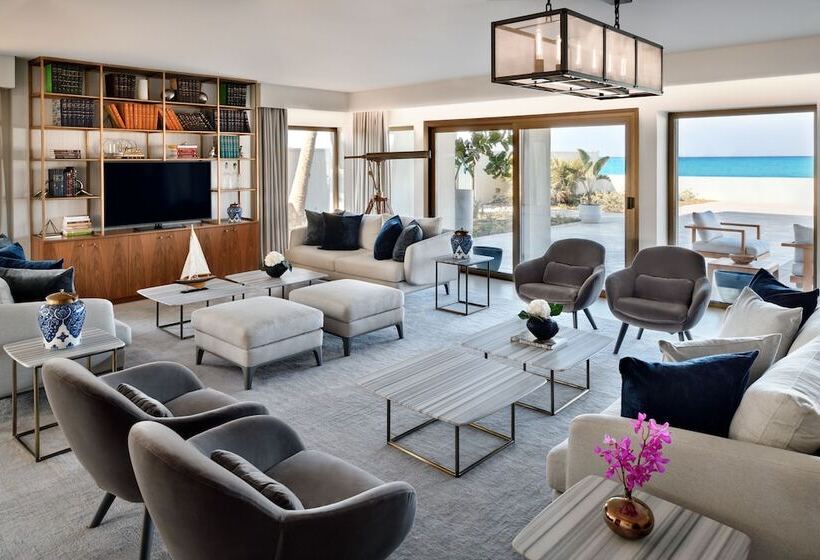
Egypt aims to double hotel capacity to around 500,000 rooms, up from approximately 228,000 at the end of 2024. Under the tourism development plan for fiscal year 2025/2026, the government is targeting EGP 116 billion in tourism investments, representing growth of more than 60% compared with the previous year.
Real estate developers are increasingly pivoting toward hotel projects as a source of recurring, sustainable income. Hotels not only diversify revenue streams but also generate foreign currency earnings, helping developers hedge against exchange rate volatility.
Emerging Trends
- Serviced apartments and holiday homes: Licensing residential units for short‑term stays is gaining traction, offering higher investment value for developers and buyers alike.
- Regional hotspots:
- North Coast (Ras El Hekma) has evolved from a seasonal retreat into a year‑round tourism hub.
- Greater Cairo (West Cairo) is seeing rapid hotel development around the Pyramids and the Sphinx, spurred by the opening of the Grand Egyptian Museum.
- Red Sea (Nabq) has attracted investor interest with government‑allocated land for luxury resorts.
Incentives and Sustainability
To support hotel development, the government has introduced:
- A EGP 50 billion financing initiative offering concessional interest rates for hotel construction and expansion.
- Permission to convert residential, administrative, and commercial units into hotels in designated areas, without activity‑change fees.
Sustainability is also a growing priority, with green hotels now accounting for 37% of Egypt’s existing capacity—a clear signal of the sector’s shift toward environmentally responsible tourism.
Final Word
Egypt’s bold investment measures, coupled with strong revenue growth and ambitious expansion plans, are reshaping its tourism sector. With developers embracing hotels as long‑term assets and sustainability at the forefront, the country is positioning itself as a leading destination in the Middle East and North Africa.