
KTB’s June Chepkemei on Why Sports Tourism Is Kenya’s New Game-Changer
The Kenya Tourism Board CEO has a bold new playbook — and it starts long before the starting gun fires.
Kenya has never struggled for recognition on the world stage. From Eliud Kipchoge‘s superhuman marathons to Faith Kipyegon‘s relentless record-breaking, the country’s athletic identity is etched into global consciousness.
But according to June Chepkemei, CEO of the Kenya Tourism Board (KTB), Kenya has only been cashing in on half the value of that legacy.
The other half? Sports tourism. And it’s worth billions.
Reframing the Conversation
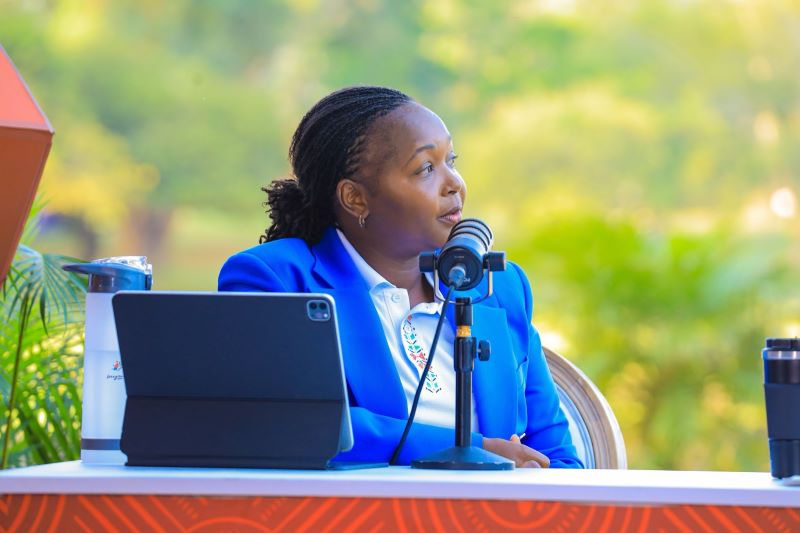
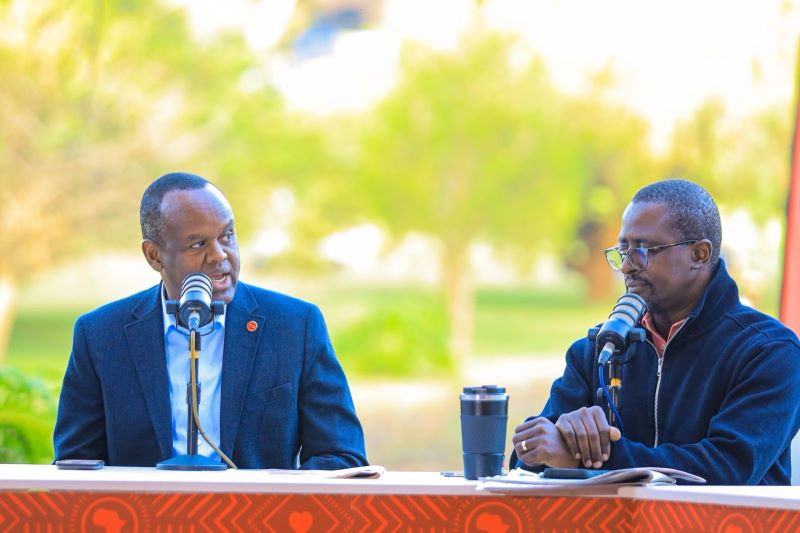
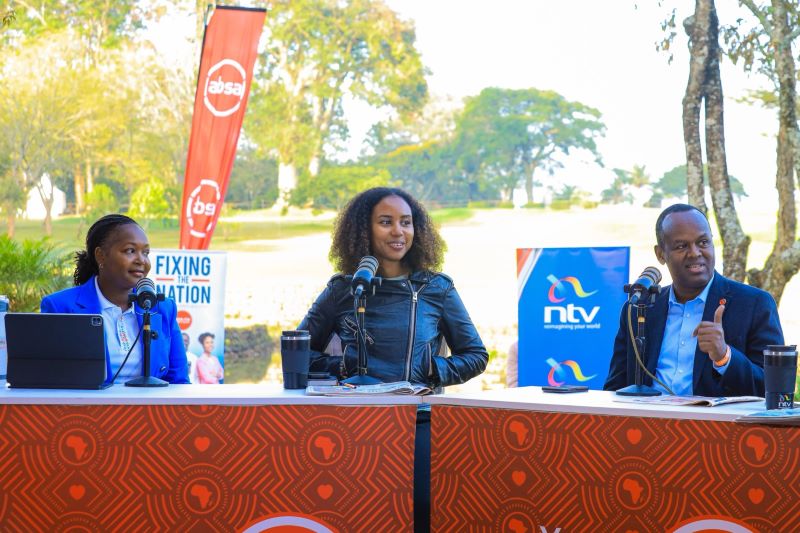
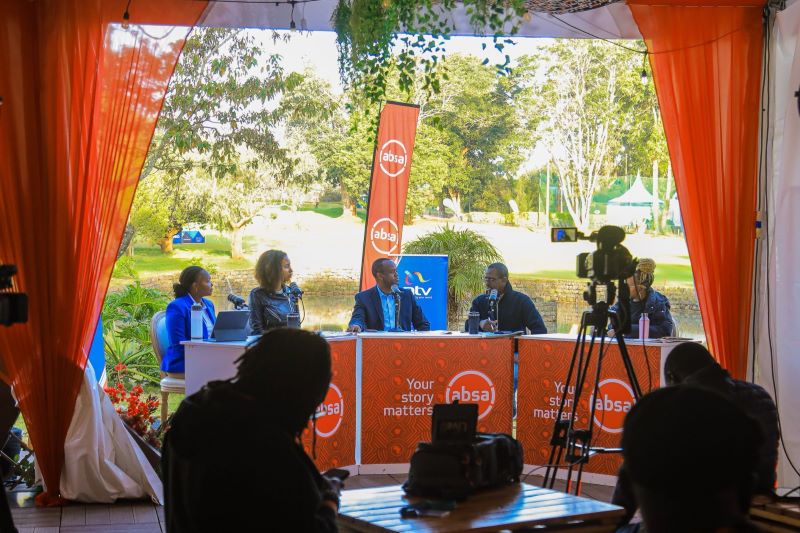
Speaking on a recent edition of Fixing The Nation, Chepkemei delivered a masterclass in strategic thinking — arguing that Kenya’s athletic prestige is not just a source of national pride, but a largely untapped economic engine.
“For too long, we have viewed our athletic prowess solely through the lens of competition and medals. Today, we are looking at it through the lens of tourism and economics.”
It’s a subtle but seismic shift in perspective. And it has the potential to transform not just Kenya’s tourism numbers — but the geographic and economic spread of who benefits from them.
The Opportunity Is Bigger Than the Marathon
Kenya’s running reputation is the stuff of legend. But Chepkemei is emphatic: the sports tourism opportunity stretches far beyond the marathon circuit.
Events like the Magical Kenya Open golf tournament and international rugby sevens competitions are already drawing high-spending international visitors. These aren’t casual tourists — they’re affluent travelers who stay longer, spend more, and explore deeper.
But the real goldmine, Chepkemei insists, is in immersive experiences — and the demand is already there.
“We are seeing a massive demand from travelers who don’t just want to watch — they want to experience. They want to train with champions in Iten, explore conservancies on a bike, or participate in community-led sports festivals. This is where we can differentiate ourselves and command a premium.”
Picture a marathon runner from Berlin lacing up on the same red clay roads as Olympic champions. A cyclist from Tokyo navigating Kenya’s highland trails at dawn. A triathlete from São Paulo pushing their limits at altitude — coached by the very athletes they’ve admired from afar.
That’s not just tourism. That’s a once-in-a-lifetime experience — and travelers will pay for it.
Spreading the Economic Benefits Further
Perhaps the most compelling dimension of Chepkemei’s vision is what it means for economic inclusion.
Kenya’s tourism has historically been concentrated around familiar hotspots — the Maasai Mara, the coast, Amboseli. Stunning destinations, no doubt. But the economic benefits have remained equally concentrated.
Sports tourism disrupts that pattern entirely.
High-altitude training camps in Iten and Eldoret. Emerging sports hubs across the Rift Valley. Community-led athletic festivals in regions rarely touched by traditional tourism. Each one becomes a new economic node — generating income and opportunity for guides, coaches, drivers, and hospitality workers in areas without a beach or a big five reserve.
“Sports tourism creates jobs in regions that might not have a beach or a major game reserve. It supports local economies directly and builds a sustainable model that relies on experience rather than just sightseeing.”
This is inclusive growth in its most practical form — tourism that reaches further, employs more, and builds lasting community resilience.
The Road Ahead: Challenges and Confidence
Chepkemei is candid about what stands between vision and reality. Unlocking Kenya’s full sports tourism potential will require:
- Infrastructure investment — world-class training facilities, accessible roads, and hospitality options in emerging sports hubs
- Targeted global marketing — repositioning Kenya as a premier sports tourism destination alongside its safari and coastal offerings
- Public-private partnerships — to design, package, and promote compelling sports tourism products for international markets
Yet her confidence is unwavering. With the right strategy and sustained investment, she believes sports tourism can deliver a measurable boost to Kenya’s GDP — and position the country as a global leader in a fast-growing travel segment.
The Bigger Picture
Kenya doesn’t need a rebrand. It needs a reframe.
The champions are already here. The landscapes are already extraordinary. The culture is already magnetic. What’s needed now is the infrastructure, investment, and imagination to turn Kenya’s unrivalled athletic identity into a world-class, high-value tourism product.
As Chepkemei put it — with the kind of clarity that makes you want to book a flight:
“The world knows Kenya for its champions. It is time we made sure the world comes to Kenya to meet them.”
The Verdict
Sports tourism isn’t a niche add-on to Kenya’s tourism strategy. In Chepkemei’s vision, it’s a central pillar — one that can diversify revenue, distribute economic benefits, and cement Kenya’s place not just as a destination for wildlife and beaches, but as the world’s ultimate sports experience.
The starting gun has fired. Kenya is in the race.
What do you think — is sports tourism Kenya’s next big opportunity? Share your thoughts in the comments, or tag someone who needs to read this.