Leicester Peak: The View Reimagined — But Not Untouched
The allure to keep certain places the way we have always known them can be quite overwhelming, especially when we harbor fond memories of them. A change, or even an objective improvement can often be met with latent or overt disapproval and a longing for the past. Nostalgia is often at its strongest when the past holds breezy and colorful memories with family and friends. But can nostalgia hold you back? Should the past be aggressively coveted despite the luscious promises of the future?
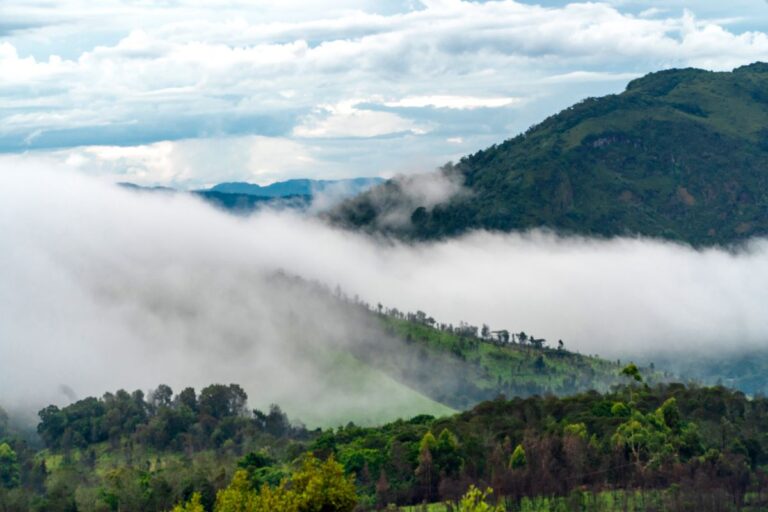
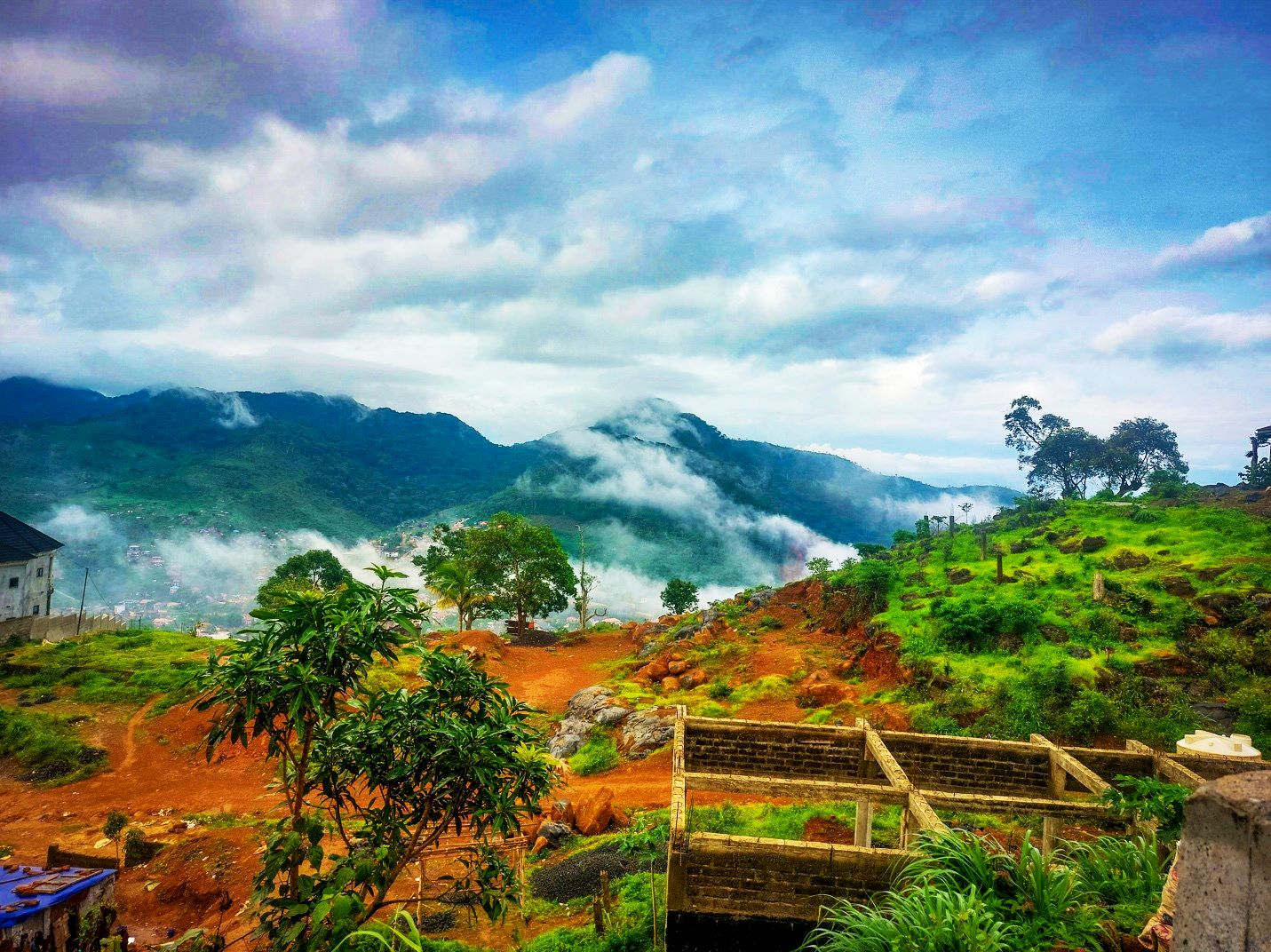
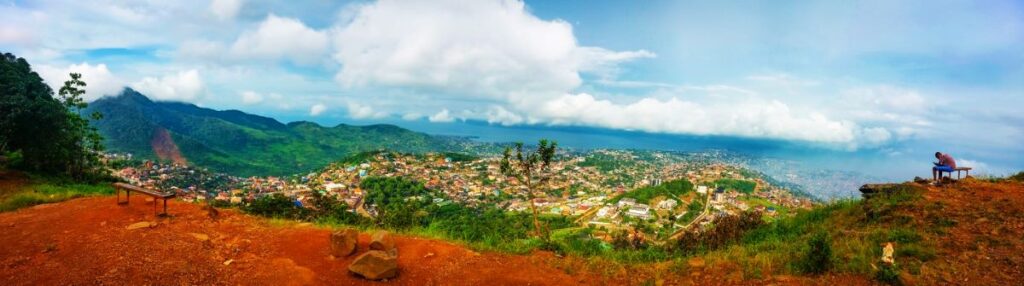
Rising to a remarkable 564 meters above sea level, Leicester Peak has long offered staggering panoramic views to the adventurous brave enough to embrace the ascent. It serves as a scenic escape from the highest platform where one can gaze over the historic city of Freetown, stretching as far as the eye can see. A once cherished site for picnics and warm gatherings with family and friends, it offered a unique alternative to the beach. One can imagine countless romantic nights unfolding on the iconic benches perched just before the cliff’s edge, where the picturesque glow of electrified homes and the soft dance of vehicle lights below shimmer alongside the stars in the night sky.
As is often the case with change, there’s some poignancy surrounding the ongoing development of the Leicester Peak area. The current project, backed by the World Bank through the Sierra Leone Economic Diversification Project (SLEDP) aims to transform it into a more accessible tourist destination with viewing decks, restaurants, restrooms, and vendor areas.
On paper, and from the model images, this should increase its appeal by creating a safe and exciting observatory experience, bringing along with it the old and incorporating the new and modern. However, there’s a strong sense of nostalgia among certain Sierra Leoneans that could be perceived as conservatism toward the development. From functioning as a sacred location for solitude; triumphant denouement for hikers and runners; leisurely group visitation venue for students, friends, and families—one can appreciate the direction of concern in losing these opportunities the old Leicester Peak offered.
The term “concrete monstrosity” has been used to describe this anthropogenic modification by a concerned citizen, and reechoed by those who lean toward environmental conservation. Some call the development a disregard for the natural environment, citing encroachment and excessive concretization. While many remain unsure or skeptical about what the future holds, especially concerning pre-existing culture, access, and limits on events or family engagements at the revamped location—others express concern about the capitalist nature of the scheme. They foresee exorbitant observation fees being levied by whatever government agency or partnership ends up managing the new observation deck.
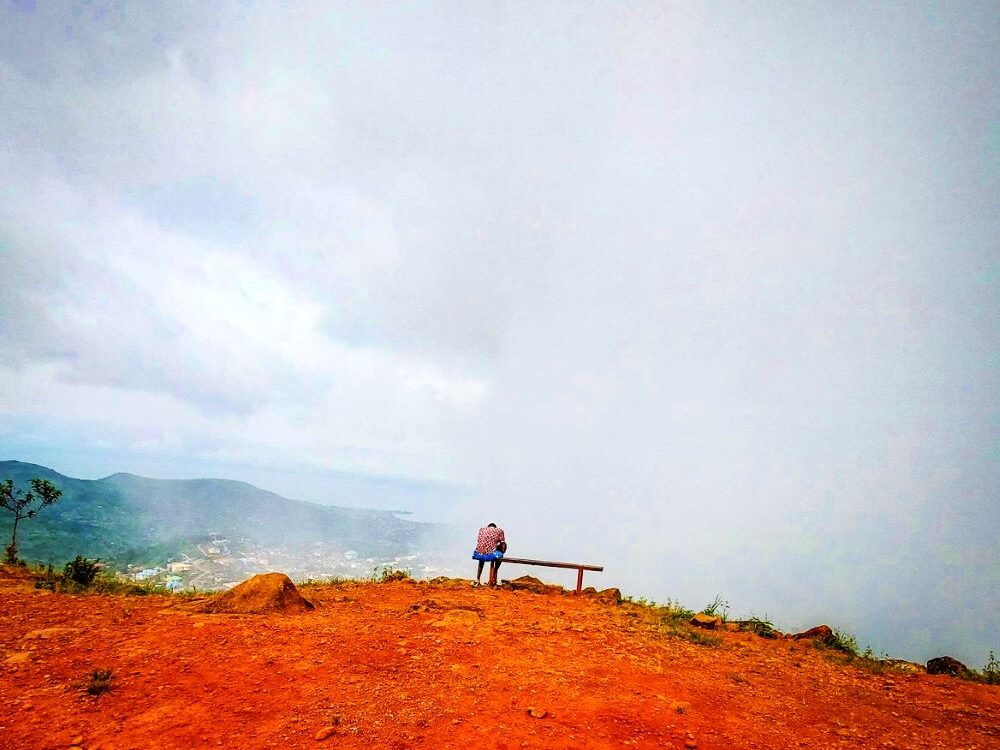
While I empathize with those who wish to preserve the natural state of Leicester Peak, it’s hard to ignore the immense benefits such a development could bring to Sierra Leoneans, and to tourism. A prolonged safety concern would also be addressed; no longer would spectators be at risk of slipping or falling over the cliff’s edge.
Environmentally speaking, even before the “concretization,” there were reports—and actual occurrences of illegal excavation in the Leicester Peak area, these selfish and careless activities exposed boulders and loosened the ground. This posed a major threat, making the hill susceptible to landslides and endangering residents downhill.
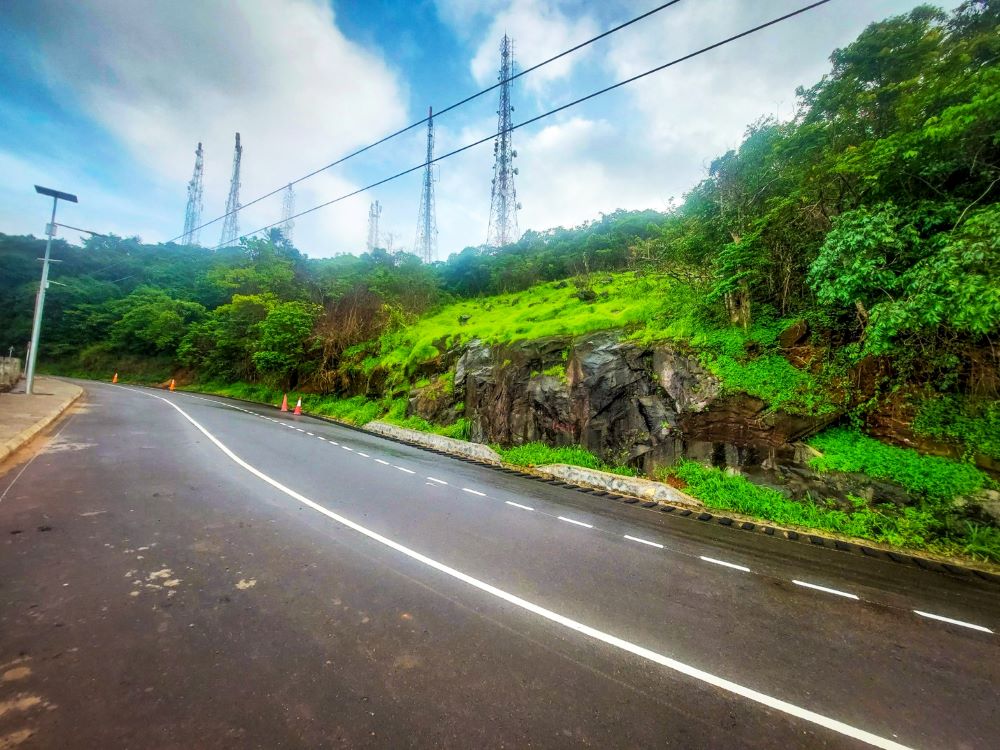
I took a morning walk up the hill on a dewy Saturday morning to assess the extent of the development, and I was quite satisfied with the construction of the road leading to the peak, the installation of street lights, pedestrian pavements, as well as road signs; a far cry from what it was before.
I believe the time had truly come for such intervention by the government and its supporting partners. Though cherished by the people as a symbol of pride and a spot of shared heritage, Leicester Peak was beginning to lose its appeal due to growing safety concerns and the lack of organized, accessible, and well-structured viewing platforms. Change can be discomfiting and unfamiliar, but not all change is bad.
If you missed out on the old and earthy experience, be kind, forgive yourself and get ready to embrace the new and sophisticated at the completion of the project—which does not seem so far away now.
Rijami Arekong is a passionate and imaginative writer with a flair for storytelling that captivates readers. Drawing inspiration from diverse cultures and everyday experiences, he crafts compelling narratives that resonate on a deeply personal level. Whether exploring vivid fictional or real worlds, or delving into reflective poetry and prose, Rijami’s work is a blend of creativity and authenticity. Dedicated to the craft, Rijami continually seeks to push the boundaries of imagination and storytelling. This article first appeared in Travels & Thrills magazine Vol 1. Issue 3 published in August 2025.