
12 Innovations Shaping Sustainable & Inclusive Tourism in Africa in 2026
Africa isn’t just bouncing back — it’s leading the global tourism recovery. In 2025, the continent saw an 8% surge in international arrivals, outpacing all other regions and welcoming over 81 million visitors. And 2026? It’s set to be even bigger — with travelers seeking deeper, slower, and more meaningful journeys.
Gone are the days of ticking off landmarks. Today’s African tourism is built on cultural immersion, conservation-led experiences, and community ownership — and it’s reshaping how we travel across the continent.
Here are 12 innovations defining Africa’s sustainable tourism future — backed by 2026 trends and real-world momentum:
1. Ecotourism: Conservation as the Core Experience
Wildlife safaris are evolving into conservation journeys. National parks like South Africa’s Kruger — celebrating its centenary in 2026 — are embracing rewilding and species reintroduction, turning visits into active participation in preservation.
2. Community-Based Tourism: Travel That Empowers Locals
From homestays in Senegal to craft cooperatives in Ethiopia, communities are taking charge. Travelers aren’t just spectators — they’re collaborators, helping shape itineraries and sharing in the economic upside.
3. Social Entrepreneurship: Profit with Purpose
African startups are proving tourism can be a force for good — think eco-lodges run by women’s collectives or tour operators funding local schools. These ventures blend business with impact, creating jobs and protecting heritage.
4. Renewable Energy: Powering Tourism Off the Grid
Solar-powered camps in Namibia, biogas kitchens in Rwanda — Africa’s lodges are ditching diesel for clean energy. It’s not just eco-friendly; it’s cost-effective and resilient.
5. Sustainable Accommodation: Design That Gives Back
Eco-lodges aren’t just “green” — they’re regenerative. Think rainwater harvesting, passive cooling, and locally sourced materials. Orango Parque Hotel in Guinea-Bissau, now a UNESCO World Heritage site, turns stays into conservation contributions.
6. Cultural Preservation: Heritage as the Main Attraction
Travelers are no longer adding culture as an “excursion” — it’s the reason for the trip. The Grand Egyptian Museum’s 2026 opening and Rabat’s UNESCO World Book Capital designation are pulling demand into cultural hotspots — and shoulder seasons.
7. Sustainable Transport: Quiet, Clean, and Connected
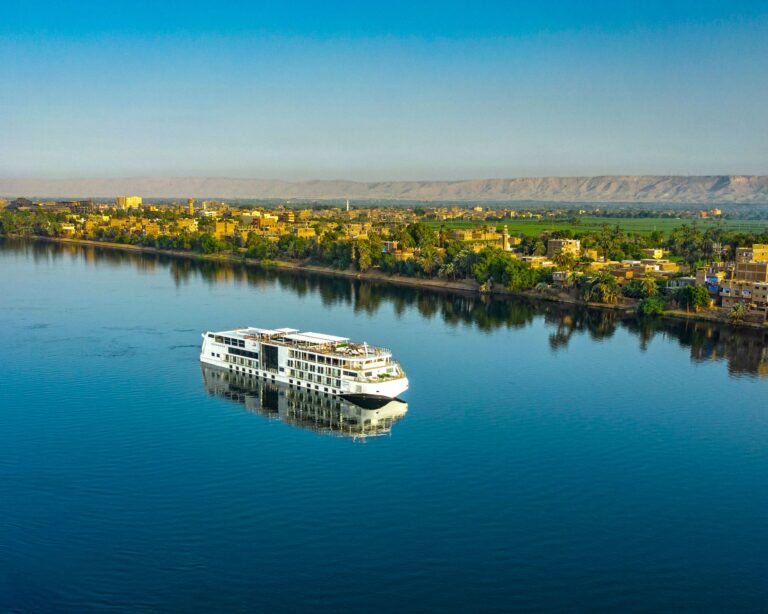
Electric safari vehicles in Botswana, solar-powered boats on the Nile — Africa’s transport is going green. Slower, quieter journeys mean less disruption and deeper immersion.
8. Marine Tourism: Protecting Oceans While Exploring Them
Coral restoration in Zanzibar, responsible whale watching in South Africa — marine tourism is shifting from extraction to stewardship. Marine protected areas are now key selling points, not afterthoughts.
9. Wildlife Conservation: Tech Meets Tradition
Drones, camera traps, and community-led anti-poaching units are modernizing conservation. When locals lead protection, wildlife thrives — and tourism becomes a guardian, not a threat.
10. Voluntourism: Meaningful Engagement, Not Just Photos
Travelers are trading selfies for service — teaching, building, or restoring habitats alongside communities. Done right, voluntourism builds bridges and lasting impact.
11. Farm-to-Table Tourism: Eating Local, Eating Right
Lodges sourcing from nearby farms cut food miles, support rural economies, and serve up fresher, tastier meals. Bonus: guests get a real taste of local culture — on their plates.
12. Capacity Building: Empowering the Future of Tourism
Training locals in sustainable practices, hospitality, and cultural sensitivity ensures tourism stays rooted in community values — and grows with integrity.
The Future Is Inclusive. The Future Is African
In 2026, Africa’s tourism isn’t just growing — it’s transforming. From Algeria to Angola, travelers are seeking slow, story-driven, and sustainable journeys — and destinations are responding with innovation.
As ATTA’s CEO Kgomotso Ramothea puts it: this is about “deeper connection, learning, and reflection” — not just sightseeing.
Your choices matter. Support community-led initiatives. Choose conservation-focused operators. Travel slower, stay longer, give more.
Because the most beautiful destinations aren’t just places — they’re people, cultures, and ecosystems worth protecting.