The Mbira: Strings of Memory and Zimbabwe’s Living Heritage
Listening to the quiet power of the sound of heritage and the rhythm that gives places meaning.
In Zimbabwe, the mbira is much more than an instrument—it is a powerful expression of culture, history, spirituality, and identity. Recently, it took center stage once again, proving itself to be an increasingly vital part of Zimbabwe’s cultural tourism story.
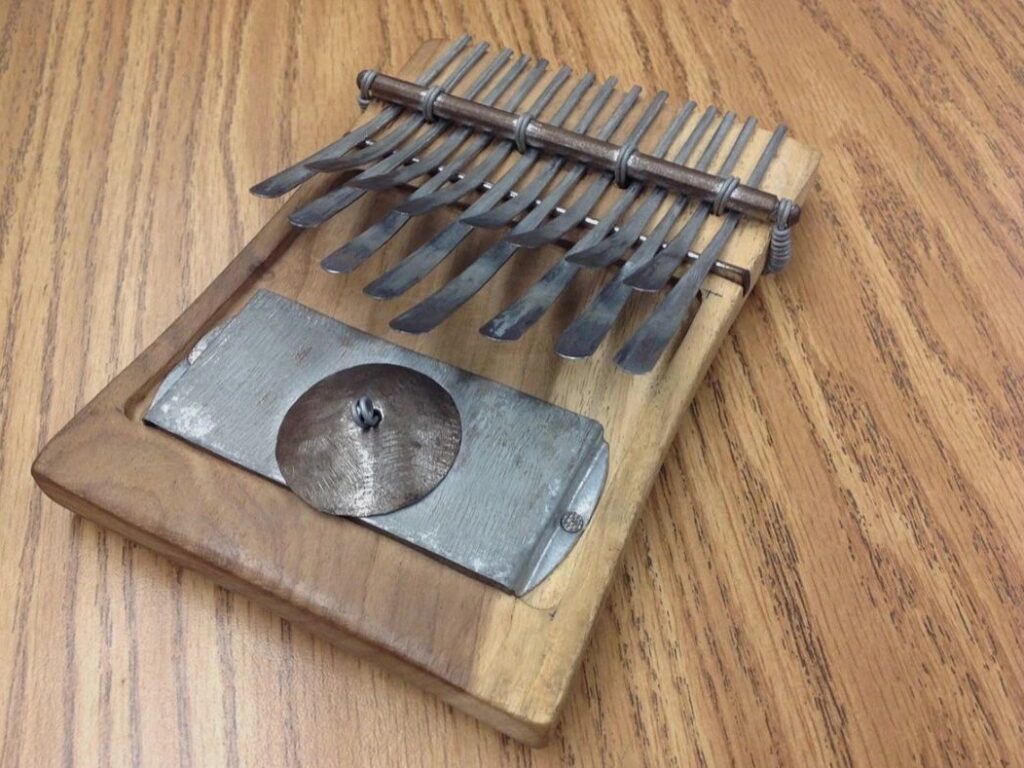
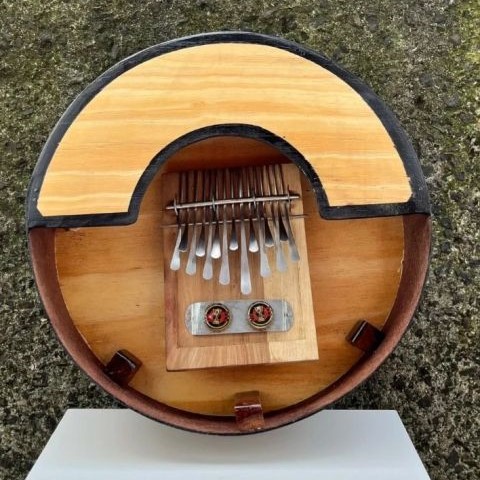
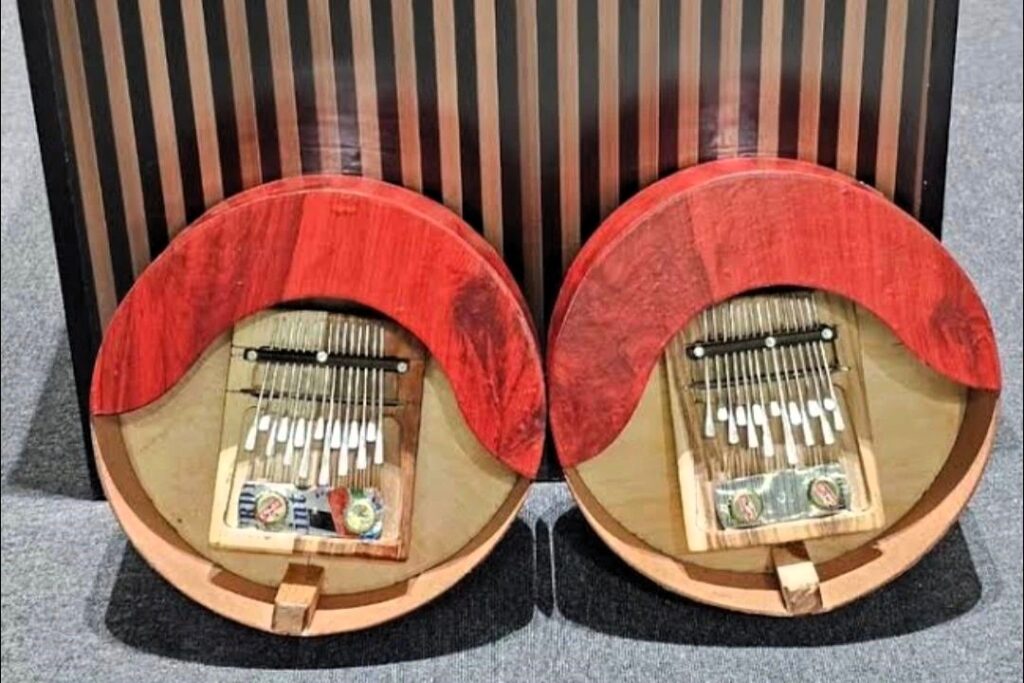
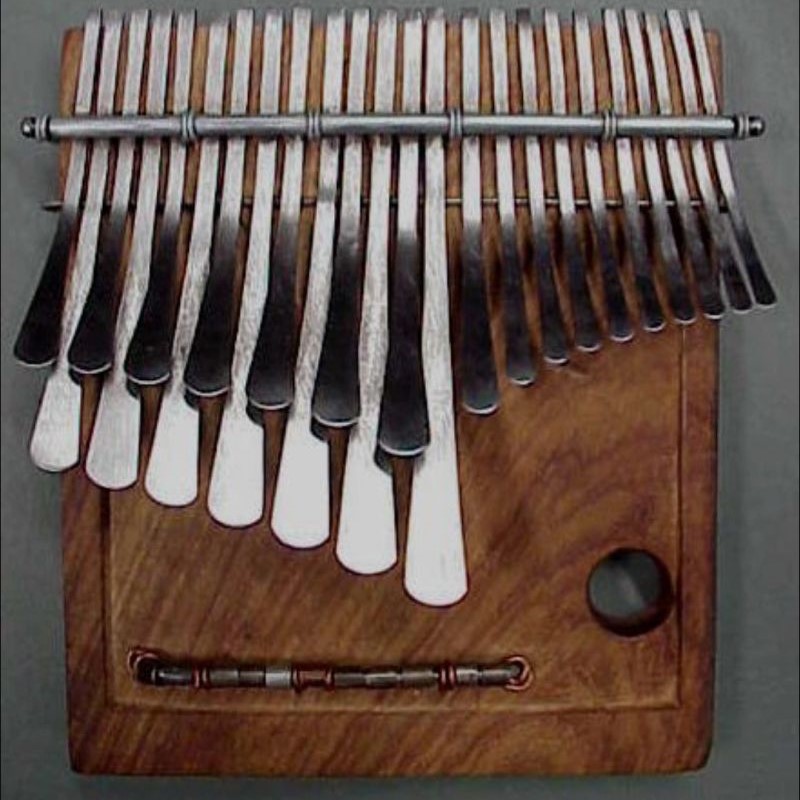
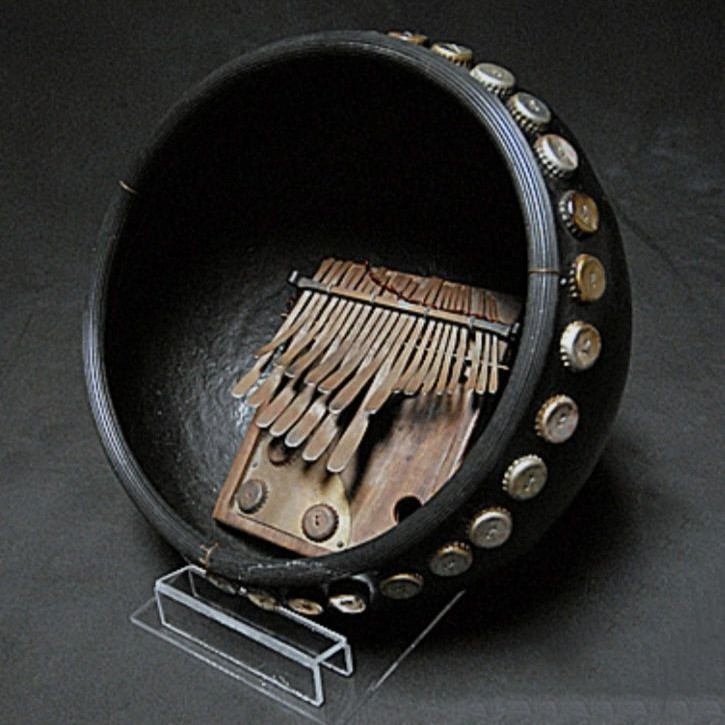
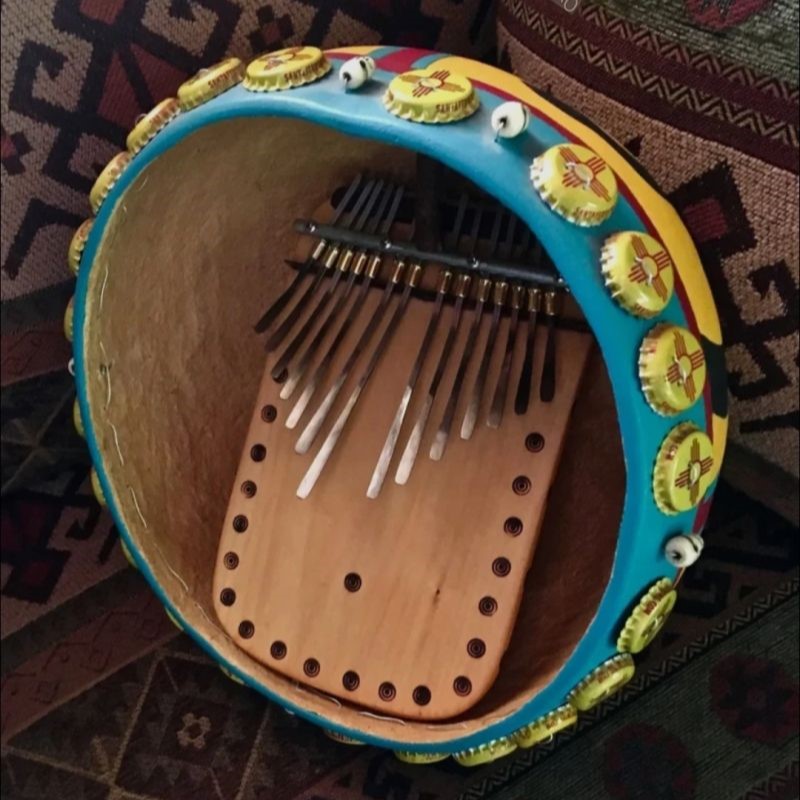
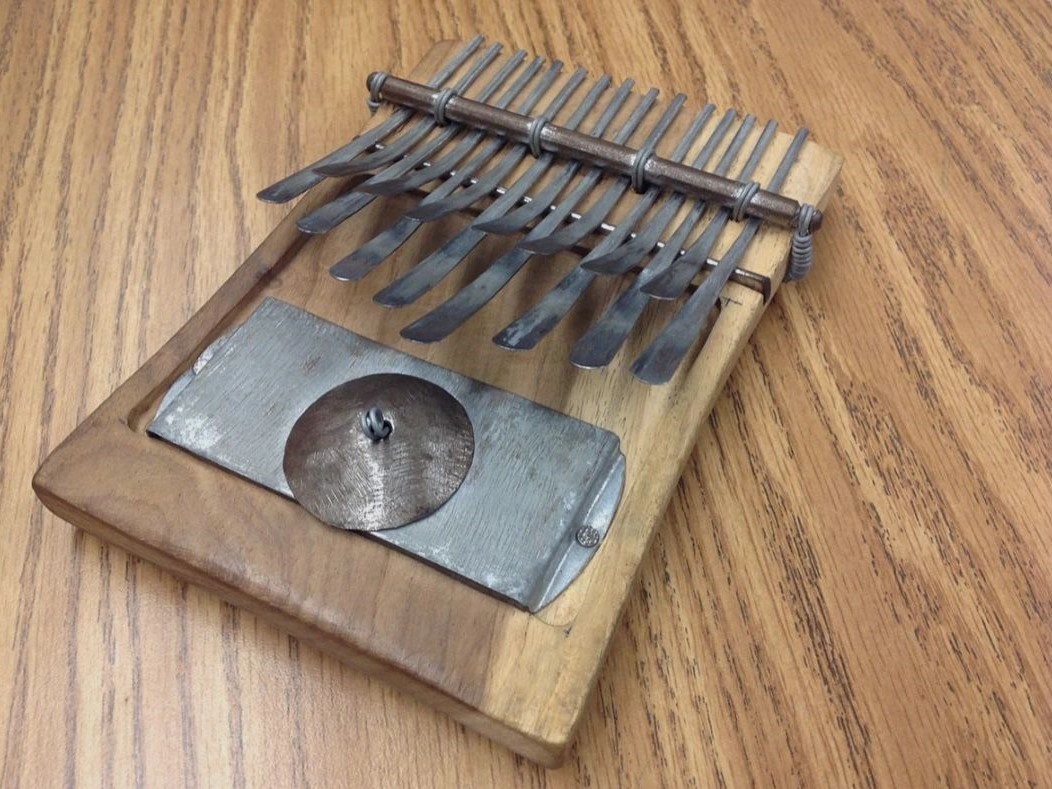
Often described as a “thumb piano,” the mbira consists of metal keys attached to a wooden soundboard, sometimes placed inside a calabash resonator to amplify its distinctive, haunting sound. In 2020, UNESCO inscribed the art of making and playing the mbira on the Representative List of the Intangible Cultural Heritage of Humanity, recognizing it as a shared heritage of Zimbabwe and Malawi. In Zimbabwe, these traditions are particularly associated with the Shona people, though other communities also keep the music alive.
For travelers, the mbira offers a way to experience Zimbabwe beyond its famous wildlife and natural landscapes. Whether listening to a performance, learning how the instrument is crafted, or participating in a traditional cultural experience, visitors gain a deeper understanding of the communities that shape the nation. From cultural festivals and village experiences to museums, heritage sites, and educational tourism programs, the mbira is finding its place in Zimbabwe’s diverse tourism offerings.
However, UNESCO emphasizes that communities must remain at the center of safeguarding this tradition, warning that increased tourism should not strip the mbira of its cultural context.
This balance of heritage and commerce was the focus of the third edition of Bira reMbira, which recently concluded on 25–26 September 2026 at the Glamis Arena in Harare. Kickstarting at 10 am on September 25th and continuing into the morning of the 26th, this year’s theme—“Roots to Markets: Empowering Makers, Players and Markets”—successfully brought together musicians, artisans, and audiences.
As Zimbabwe continues to diversify its tourism products, the mbira stands as an authentic cultural experience that complements iconic destinations like Great Zimbabwe, Victoria Falls, and Hwange National Park, as well as the country’s many community-led heritage sites.
With Bira reMbira now behind us, the sound of the mbira served as a poignant reminder to both Zimbabweans and visitors alike that tourism is not just about places to visit. It is about the people, stories, traditions, and living heritage that give those places meaning.