Kenya Tourism Board Unveils AI Command Centre Plan as MKTE 2026 Opens
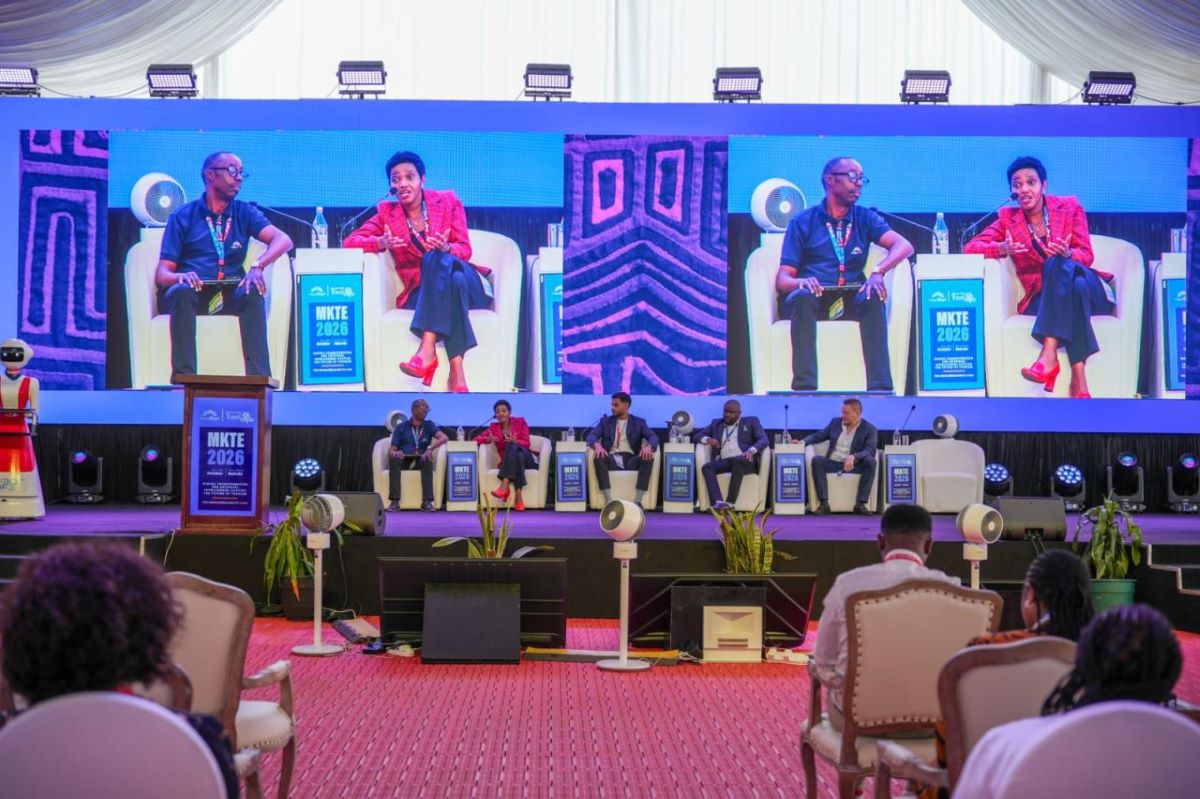
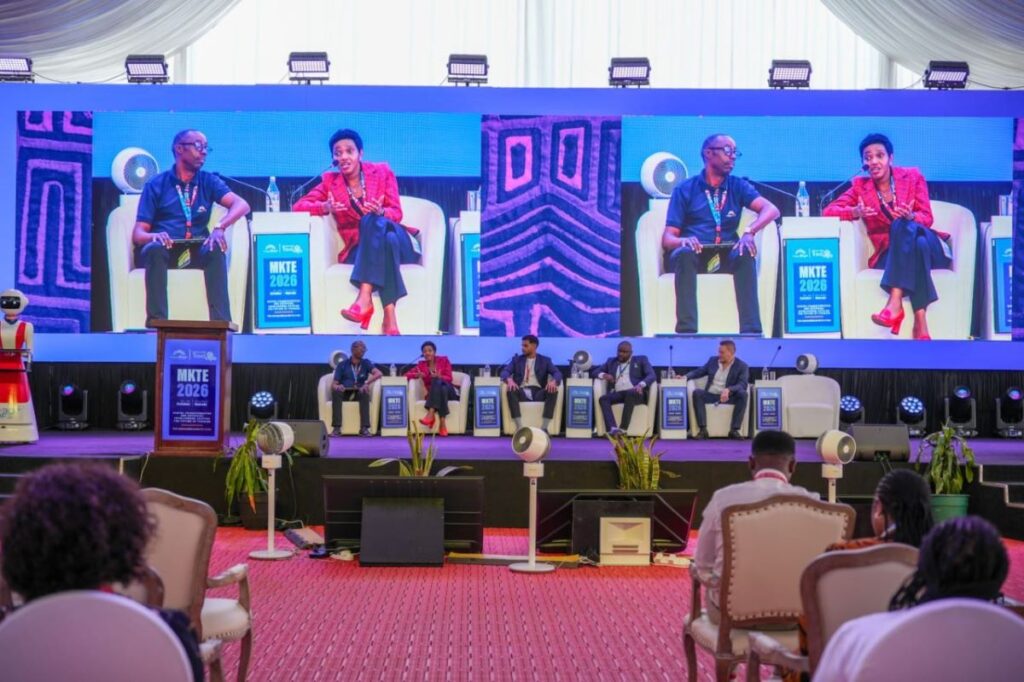
Speaking at the Magical Kenya Travel Expo in Nairobi, a five-strong panel spanning Visa, the Kenya Tourism Board, Qhala, Cloud Safaris and Robot Café Bistro agreed on one thing: Kenya’s tourism future depends on data that serves the whole value chain — with people still firmly in the loop.
Nairobi, Kenya — The opening session of the Magical Kenya Travel Expo (MKTE) 2026 refused to ease gently into this year’s theme. Data Governance and Artificial Intelligence in Tourism went straight to the question Kenya’s tourism sector has been circling for years: who owns the data, and who benefits from it?
The panel, held on the first day of the three-day expo at Uhuru Gardens National Monument and Museum, covered every layer of the conversation — from national policy frameworks down to the hotel floor.
“Without Infrastructure, AI is just a Feature”
John Njoroge of Visa set the foundation early. Without data infrastructure, he argued, AI in tourism is little more than a feature bolted onto existing systems. Kenya, he said, needs to build systems that allow the entire sector to access intelligence — not only the platforms that aggregate it.
That framing matters in a market where much of the traveller data flowing through Kenyan tourism is captured and held by global intermediaries rather than the operators, communities and destinations that generate it.
A Concrete Commitment: the AI Command Centre
The session’s most tangible announcement came from Paul Kathambana (CISSP, CRISC, CISM) of the Kenya Tourism Board (KTB), who unveiled a roadmap to establish an AI Command Centre for Kenyan tourism. The centre would use real-time data to monitor tourist flows and provide operators with live market intelligence.
It is a significant commitment — and one that aligns with the expo’s stated focus on data-led destination marketing, digital payments and smarter travel planning. For an industry that has long discussed “tourism intelligence” in the abstract, KTB’s pledge moves the conversation into delivery.
“Not a Technology Project — a Policy Decision”
Dr. Shiku Gitau of Qhala put the urgency plainly. Kenya, she noted, is sitting on enormous volumes of data that are either never collected or remain inaccessible to the people who need them most — small operators, regional tour companies, community conservancies. Fixing that gap, she stressed, is not a technology project. It is a policy and investment decision.
Bringing it Back to the Guest Experience
If the first three speakers dealt in systems and strategy, Joshua D’Souza of Cloud Safaris supplied the human anchor. “Put people in the loop because it is all about enhancing the experiences of real people,” he told the room. Automation that removes the person from the experience, he cautioned, is not an upgrade.
John Kariuki of Robot Café Bistro closed the circle: technology should amplify the human touch, not replace it. In a sector where warmth and hospitality are among Kenya’s strongest competitive advantages, that distinction may matter more here than anywhere else on the continent.
The Takeaway
The session’s conclusion was less a prediction than a prescription. The future of tourism in East Africa, the panel suggested, will be data-informed, human-centred, and built to serve the whole value chain — not just the top of it. Whether the AI Command Centre roadmap becomes operational infrastructure or remains a slide in a conference deck will be the measure of how seriously that prescription is taken.


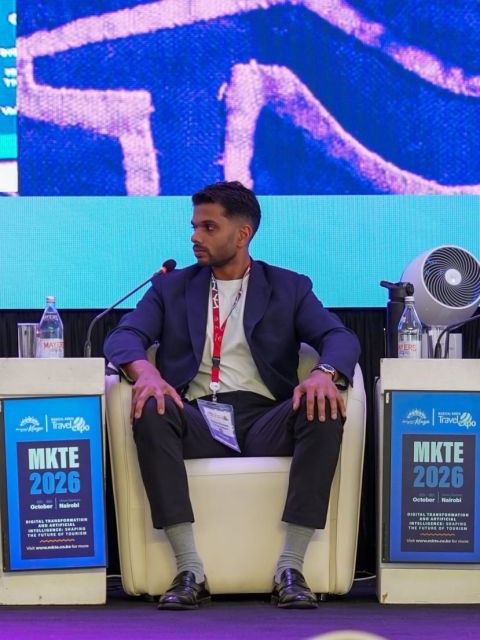


About MKTE 2026: Now in its 16th edition, the Magical Kenya Travel Expo runs October 6–8, 2026 at Uhuru Gardens National Monument and Museum, Nairobi. Organised by the Kenya Tourism Board, this year’s theme is “Digital Transformation and Artificial Intelligence: Shaping the Future of Tourism.” The expo is expected to welcome more than 10,000 delegates from 40 countries, over 400 exhibitors and more than 250 vetted international buyers.