
UTB & KATA Host Destination Uganda Session Ahead of MKTE 2026
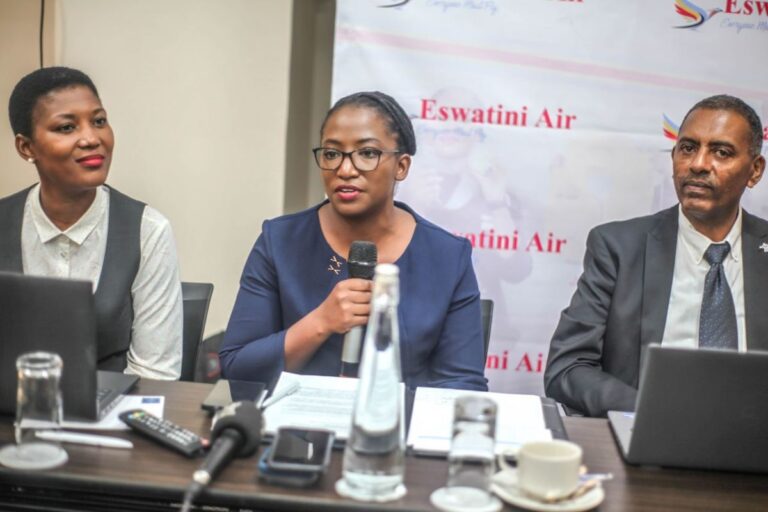
Nairobi, Kenya — Hours before the doors of the Magical Kenya Travel Expo opened today at the Uhuru Gardens in Nairobi, Uganda‘s State Minister for Tourism, Wildlife and Antiquities, Hon. Susan Nakawuki Nsaambu, delivered a message to the Kenyan travel trade that reframed the region’s oldest boundary as a matter of imagination rather than geography.
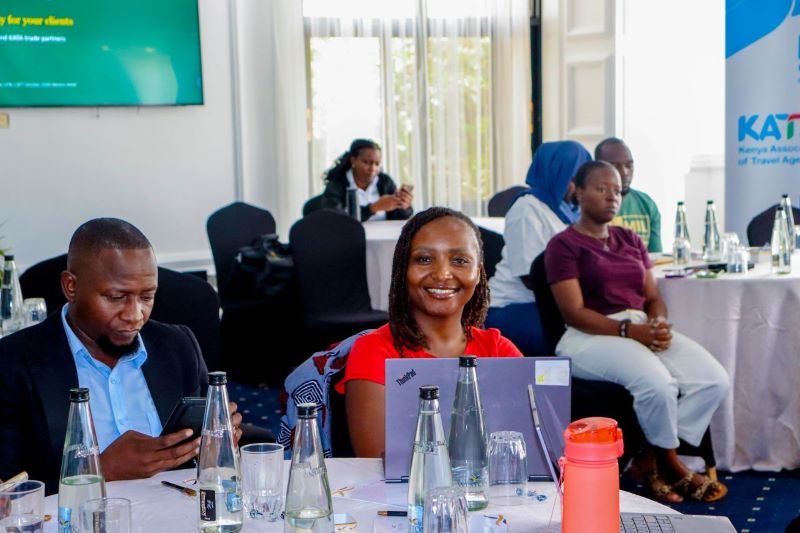
“These borders are imaginable,” the Minister told members of the Kenya Association of Travel Agents (KATA) and other Kenyan travel trade representatives, speaking at a Destination Uganda engagement hosted by the Uganda Tourism Board (UTB) ahead of MKTE 2026.
The session, confirmed by KATA in a post published on the eve of the expo, brought Ugandan tourism businesses face-to-face with the Kenyan agents who sell their products — an audience of, in KATA’s words, “people who make destinations move.”
The Work that Happens Before the Expo
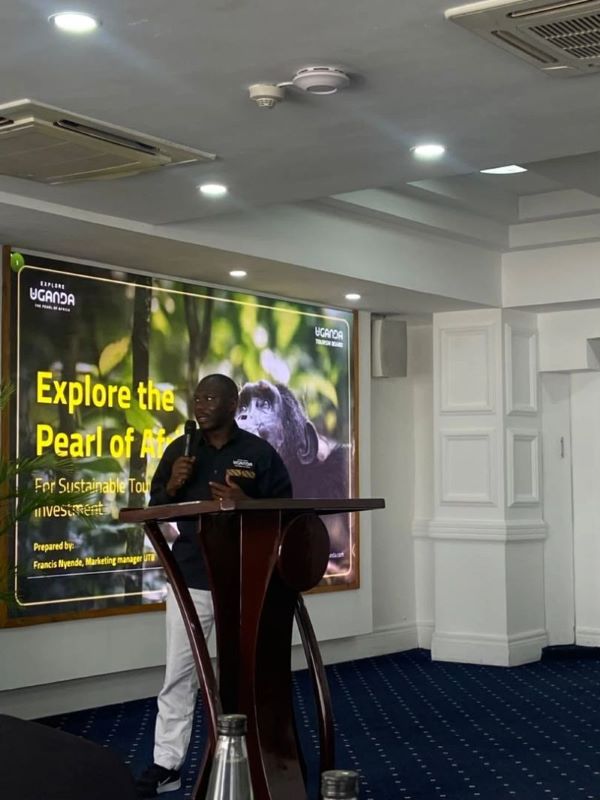
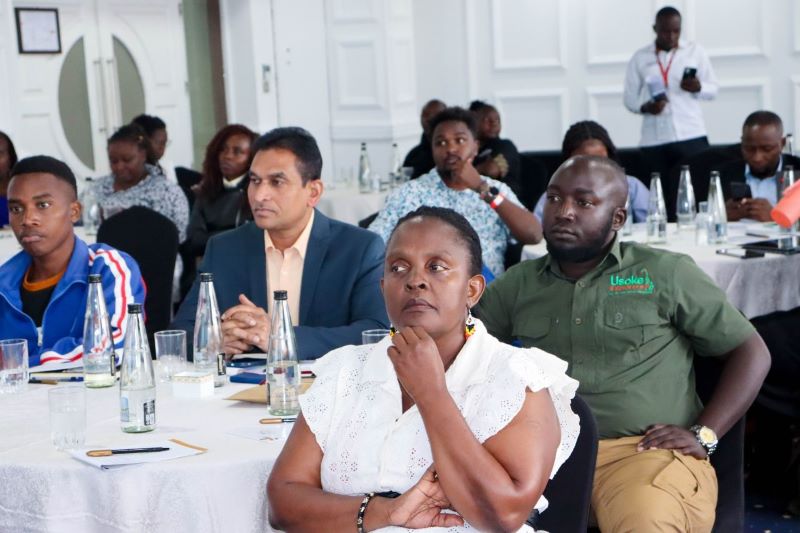
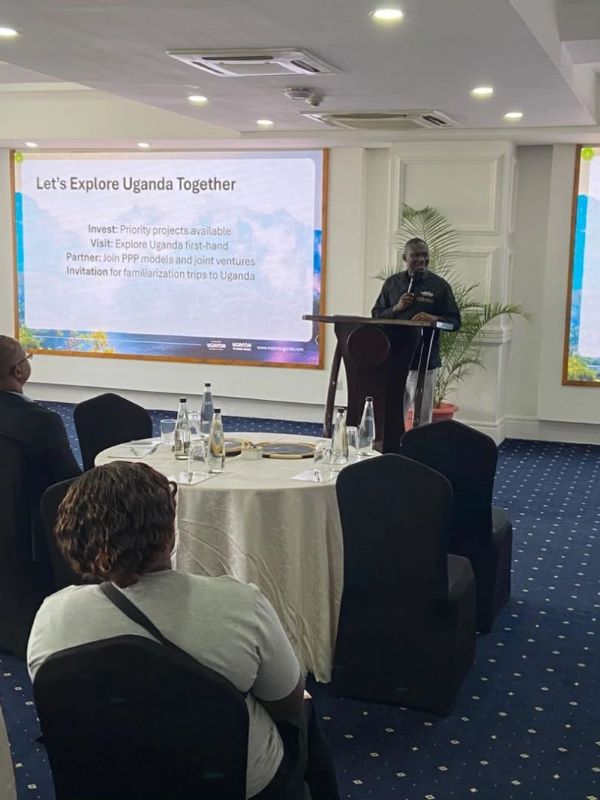
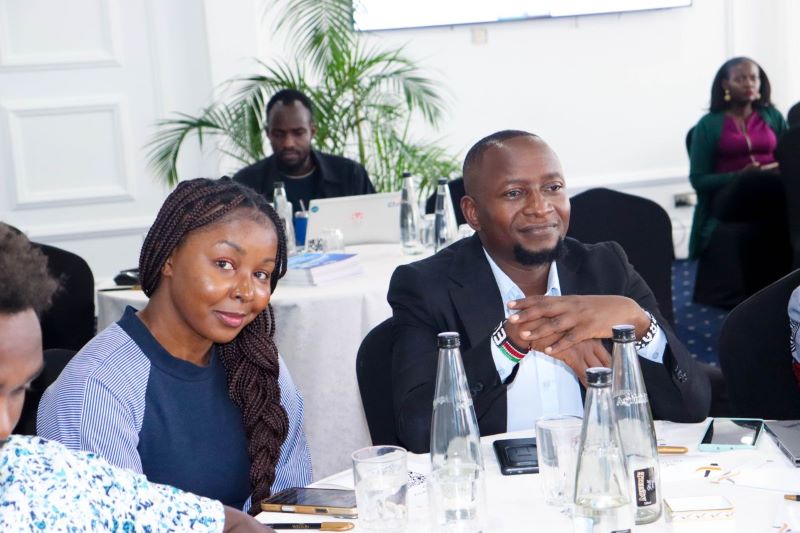
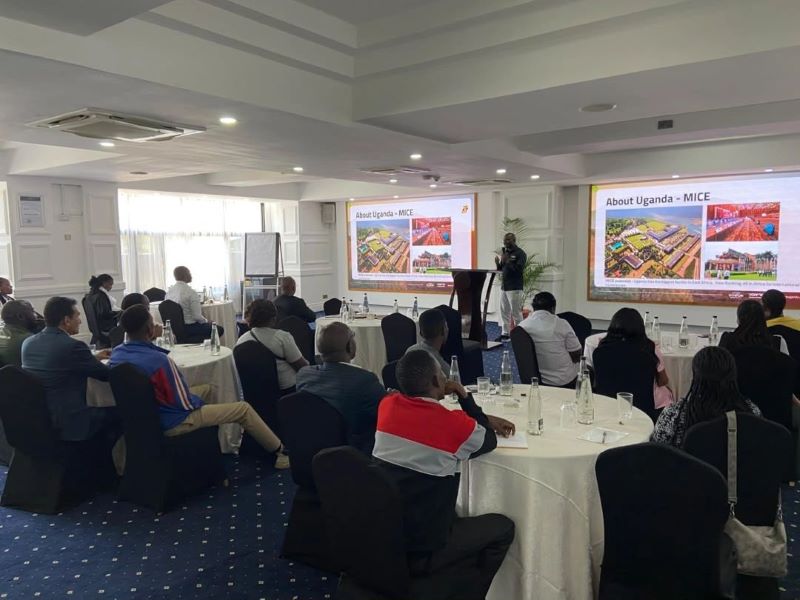
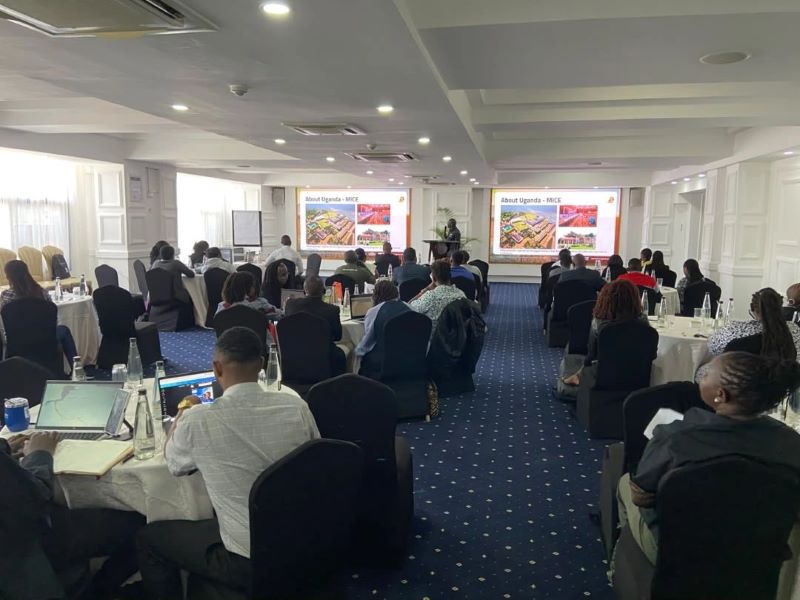
Forty-five Kenyan travel trade representatives, drawn from KATA and the Society of Kenya Travel Agents, sat through a full round of business-to-business engagements with Uganda’s tourism private sector. The Destination Uganda product training that anchored the day was facilitated by Francis Nyende, UTB’s marketing manager.
“Before you walk into a trade expo, you do the work that makes the expo mean something,” Nyende said of the deliberate pre-expo format UTB runs ahead of every major trade platform.
His reasoning was commercial rather than ceremonial. A travel agent or tour operator cannot sell what they do not understand, he argued, and understanding a destination does not happen from a website or a brochure. “It happens in a room, through conversation, through questions answered in real time, through a sales pitch replaced by a genuine exchange between people who are building something together.”
Why Kenya? Why Now?
Kenya is one of Uganda’s most important source markets. The professionals in that room shape travel decisions for thousands of East African and international travellers every year. When they leave knowing Uganda’s gorilla trekking product, understanding its Nile adventure offering, grasping what the Karamoja frontier means as an emerging destination, and having met the Ugandan operators they can now call directly, Nyende said, something shifts. Uganda moves from a name on a map to a destination they can sell with confidence.
“That is the real purpose of pre-expo training,” he said. “Not to inform. To convert. To turn a trade professional into a Uganda advocate before they ever set foot at an expo stand.”
A Challenge Bigger than Selling Uganda
According to KATA, the Minister’s ask went beyond promoting the Pearl of Africa. She called on Kenya and Uganda to do more together in marketing their destinations, to move past traditional routes to travellers, and to embrace technology and artificial intelligence as the industry evolves.
That call aligns closely with the conversation inside the expo itself. MKTE 2026, the 16th edition of Kenya’s flagship tourism trade fair, runs from Tuesday 6 to Thursday 8 October 2026 at the Uhuru Gardens National Monument and Museum in Nairobi, and is themed “Digital Transformation and Artificial Intelligence: Shaping the Future of Tourism.” Organisers projected more than 400 exhibitors and over 10,000 attendees from some 40 countries.
Perhaps the most resonant point of the Minister’s address, KATA said, was her argument that the border between the two countries need not define how the region markets, sells and experiences East Africa.
Why the Room Matters
For agents, the value of a roadshow is measured in bookings, not applause. KATA framed the session in exactly those commercial terms: a destination becomes easier to sell once the person selling it has met the people behind it, when a product stops being “just a brochure description” and becomes a conversation with the operator who delivers it.
“That is the value of engagements like this,” the association wrote, adding that through its continued partnership with UTB it is creating opportunities for members to connect directly with destination partners, deepen product knowledge and strengthen the cross-border relationships “that keep East Africa moving.”
Among the products on show were Uganda’s headline draws — gorilla trekking and Nile adventures — alongside what KATA described as emerging experiences across the country.
Three Days to Convert Talk into Trade
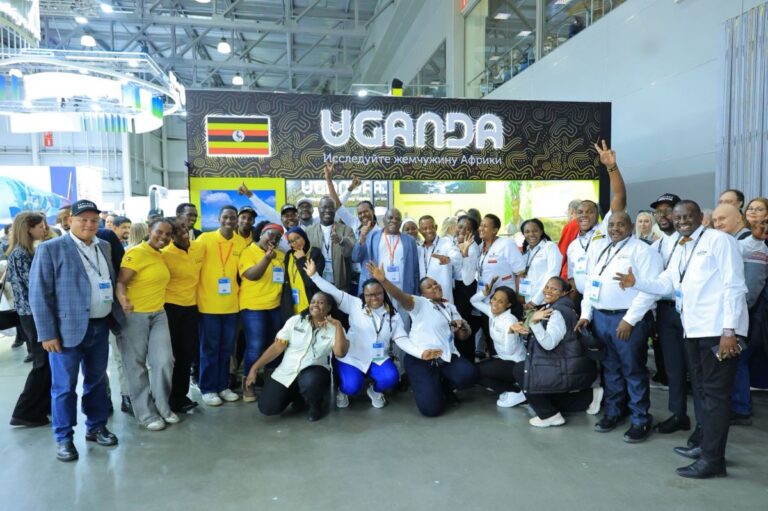
Forty-five representatives. One training. Dozens of B2B connections made. With MKTE now underway, according to KATA, the conversations begun in that pre-expo room have three days to become connections, partnerships and business.
“The Pearl of Africa does not sell itself,” Nyende said. “We take it to the people who will.”
KATA closed its account of the evening with a line likely to be repeated on the expo floor this week: “Because tourism does not stop at a border. It begins where people decide to cross one.”
Also on the MKTE programme are the inaugural Spirit of Africa Festival, a UN Tourism and AfCFTA-backed investment forum on 7 October, and familiarisation trips for hosted buyers and media running 9–13 October. For operators building multi-country itineraries, the Kenya–Uganda corridor looks set to be one of the week’s busiest talking points.