Onguso: Localized Refining & SAFc Accounting Can Bridge Africa’s Aviation Fuel Gap
With African carriers paying a 17% premium on Jet A-1 and 16 landlocked nations reliant on air freight, aviation energy strategist Bernard Omboto Onguso argues the continent’s challenge is one of architecture, not capital. His blueprint: localized refining, upstream blending and SAFc Book & Claim accounting.
Nairobi, Kenya — The hard data confronting African aviation is unambiguous: carriers pay a 17% premium on Jet A-1, 16 landlocked nations depend entirely on air freight, and fuel reserves sitting below a five-day threshold do more than delay passengers — they cancel cargo consignments and destroy perishable cold-chains.
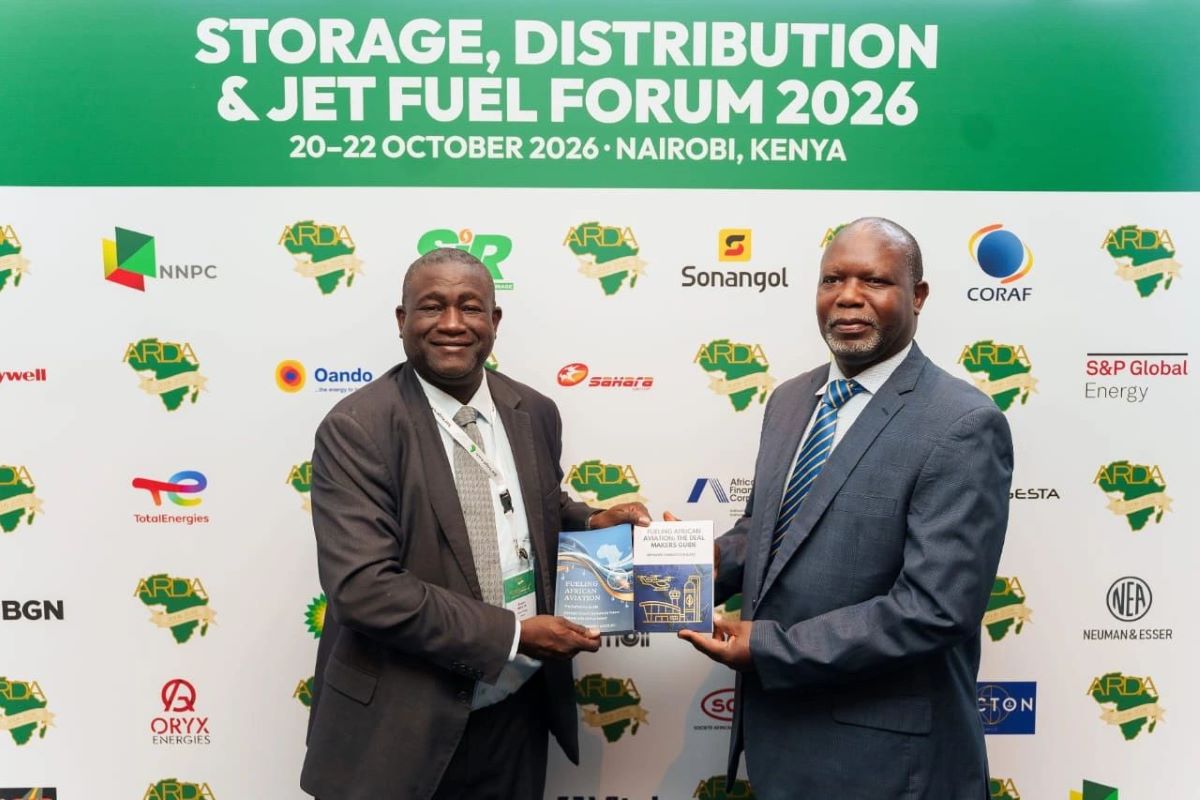
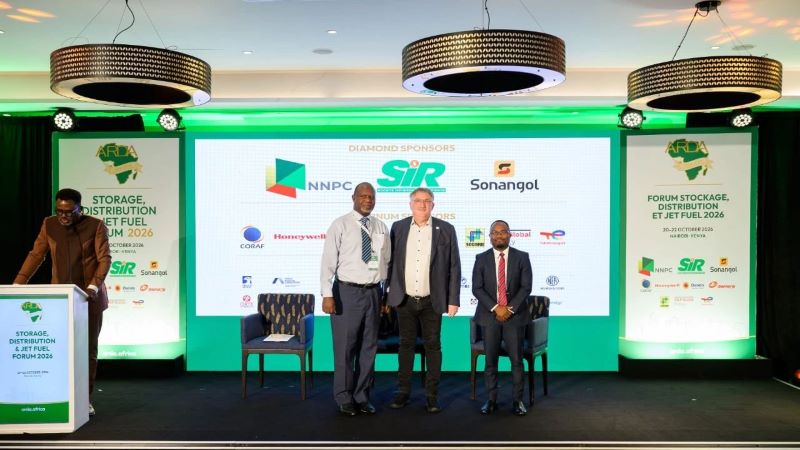
For Bernard Omboto Onguso, the Practitioner-Architect in Sustainable Aviation Fuel and Net-Zero Energy Systems who presented at the Storage, Distribution & Jet Fuel Forum 2026 organised by African Refiners & Distributors Association (ARDA), the conclusion is equally clear.
“The 17% fuel premium affects African aviation,” Onguso wrote following his session. “The solution isn’t just capital, it’s architecture.”
Presenting to the Continent’s Energy Leaders
Onguso took part in the discussion panel The African Jet Fuel Market: Responding to the Growth of Air Transport, held on Wednesday, 21 October 2026, from 09:30 to 10:30am. The forum ran from 20–22 October 2026 in Nairobi, with the Petroleum Institute of East Africa (PIEA) as local partner.
“I had the privilege of presenting to the continent’s top energy and aviation leaders,” he said. “We confronted the hard data.”
The panel was moderated by Pascal Manuelli, Vice President of Regulation & Advocacy at TotalEnergies. Also taking part, per Onguso’s account, were Maged Elkordy, Chairperson of AMOC; Evans Mauta, Vice President of ARDA; and Ash Makau, Africa Board Executive at Puma Energy.
“We cut straight to the core issue,” Onguso said: downstream energy infrastructure “and the regulatory architecture required to make it truly bankable.”
Anchoring Projects Reshaping the Map
In describing that infrastructure, Onguso pointed to a cluster of continental works: Ethiopian Airlines‘ anchor development of Bishoftu International Airport (BIA); Aliko Dangote‘s African refineries in the West and East; Kenya Airways; RUBiS Energy Kenya; and Dragonfly International Holdings Ltd, alongside ongoing projects in Northern and Southern Africa.
He framed these against what he called “a seismic shift across the continent — from new Platts West Africa FOB benchmarks to Dangote’s regional supply dynamics and localized HEFA refining.”
The Mechanism: SAFc and Foreign Exchange Preservation
Central to Onguso’s proposal is keeping physical fuel circulating within Africa while allowing international obligations to be met elsewhere on paper.
“Through localized refining — ARDA leadership by VP Evans Mauta — upstream blending, and SAFc (Book & Claim) accounting, we can keep physical fuel circulating within Africa to preserve critical foreign exchange, while enabling global majors to fulfil mandates and secure verified carbon credits,” he explained.
SAFc — Sustainable Aviation Fuel credits — operate on a Book & Claim basis, decoupling the environmental attribute of the fuel from its physical location. For Onguso, turning mandates such as ReFuelEU into “localized realities demands deep technical standardization.”
Crediting the Groundwork
Onguso was deliberate about acknowledging the institutions that preceded the current momentum: ICAO, IATA, JIG, SAATM and AfCFTA.
“Immense credit goes to the pioneers who laid the groundwork,” he wrote. “Their visionary standardization established the aviation energy policy foundation and market momentum we are building on today.”
Meeting tightening global SAF mandates “while unlocking regional growth requires a unified, win-win framework rather than fragmented infrastructure,” he added.
The Trilogy as Bridge
Onguso positions his Fueling African Aviation Trilogy as the practical instrument for that bridge between global standards and frontier-market operations:
- Vol I: The Definitive Guide — Energy autonomy, ISCC-EU Low-ILUC feedstock and regional SAF frameworks
- Vol II: The Deal Maker’s Guide — Localized HEFA refining, gateway concessions and multi-modal supply
- Vol III: Bankability OS (Q4 2026) — Five Gateways, FID Readiness, TARBOX and IP Decoupling
“Connecting cross-functional stakeholders across this entire business life cycle is the core purpose of my blueprints,” he said. “They serve as a practical bridge between global/Western standards and the operational realities of frontier markets.”
An Open Question
Onguso closed not with a declaration but a challenge to the room and the wider industry.
“The work is just beginning, but the foundation is set,” he wrote. “Are we ready to build a bankable, resilient energy roadmap for African Aviation Energy?”

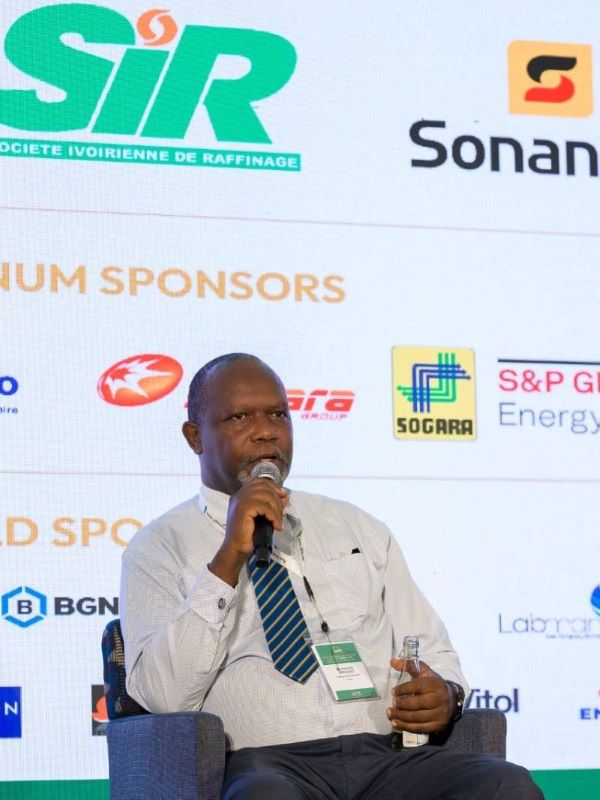
Bernard Omboto Onguso is an independent SAF & Jet A-1 strategist with over 30 years of refinery-to-wing experience at Eni, Shell, and TotalEnergies. He is the author of the Fueling African Aviation Trilogy and the founder of the Global Investor Portal at fuelingafricanaviation.com. He was a panelist at ILA Berlin 2026, representing Africa on SAF.