
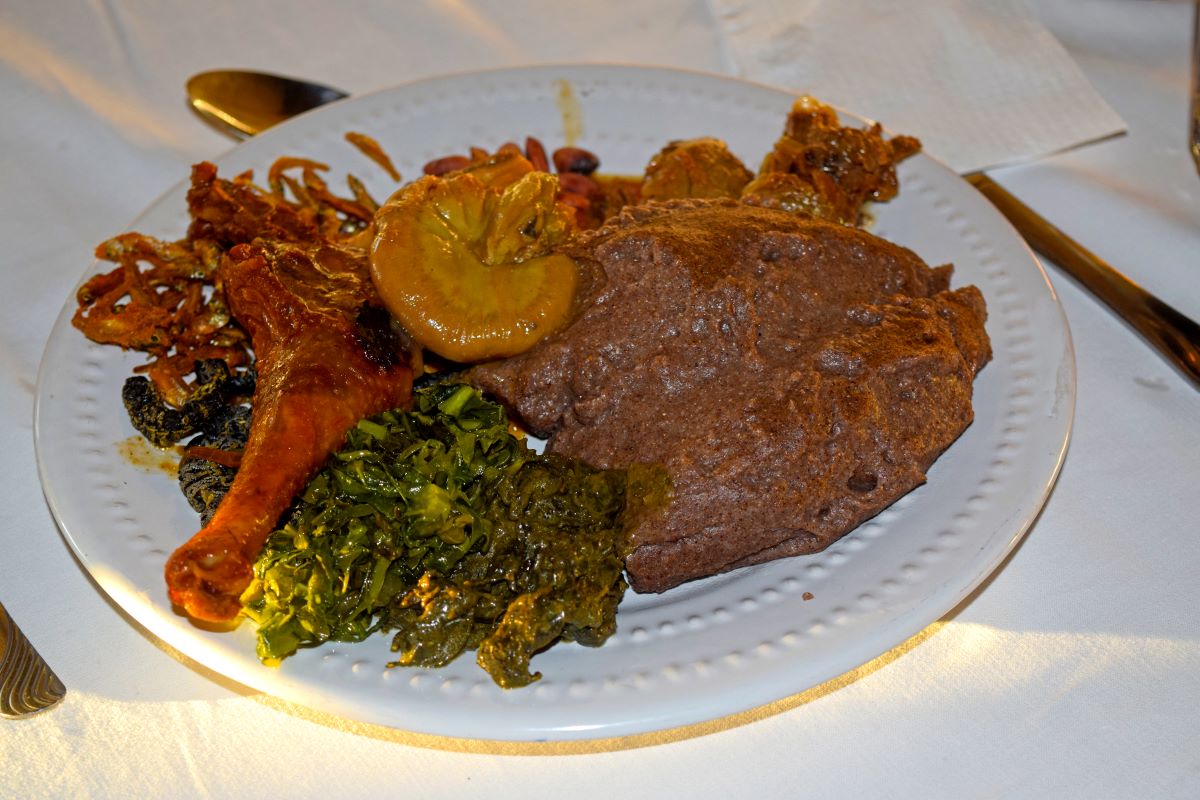
Innovate Today, Nourish Tomorrow: How Sadza & Muboora Anchor Zimbabwean Identity
Every October, the world pauses to commemorate World Food Day. Observed annually on October 16th, this day is dedicated to raising awareness about food security, nutrition, and the urgent need to ensure everyone has access to safe, sufficient, and nourishing meals. But in Zimbabwe, the occasion offers something more intimate: a chance to celebrate the humble, hearty staples that define the national palate—muboora (pumpkin leaves) and sadza.
For many Zimbabwean families, a plate of sadza served with muboora is far more than an everyday meal. It is a vessel for cultural heritage, indigenous knowledge, and agricultural tradition. It speaks to the resourcefulness of communities who have relied on locally available foods for generations, turning simple ingredients into sustenance that feeds both body and spirit. This year’s global theme, “Innovate today, Nourish tomorrow,” resonates deeply here, where innovation often means returning to roots.
The Alchemy of Simplicity
Muboora is typically prepared with tomatoes and onions, sometimes enriched with groundnut butter for added protein and depth. Served alongside sadza made from maize meal, this combination reflects the elegant simplicity of Zimbabwean cuisine. It demonstrates how locally grown ingredients can be transformed into meals that are not only comforting but profoundly nutritious.
Nourishment as Resistance
World Food Day reminds us that sustainable food production starts at home. Pumpkin leaves contribute essential vitamins to the family diet, while maize provides the caloric backbone of the staple crop. When combined with beans, groundnuts, and other vegetables, these traditional dishes form part of a varied and balanced diet. By celebrating muboora and sadza, communities are encouraged to appreciate indigenous foods rather than overlooking them in favor of imported or highly processed alternatives.
A Legacy on a Plate
Ultimately, food is not just about satisfying hunger; it is connected to identity, culture, sustainability, and community wellbeing. Dishes like muboora and sadza carry knowledge passed down through generations—from planting and harvesting to preparation and sharing. In honoring these meals, Zimbabwe honors its history, proving that the path to a nourished tomorrow often begins with remembering what fed us yesterday.