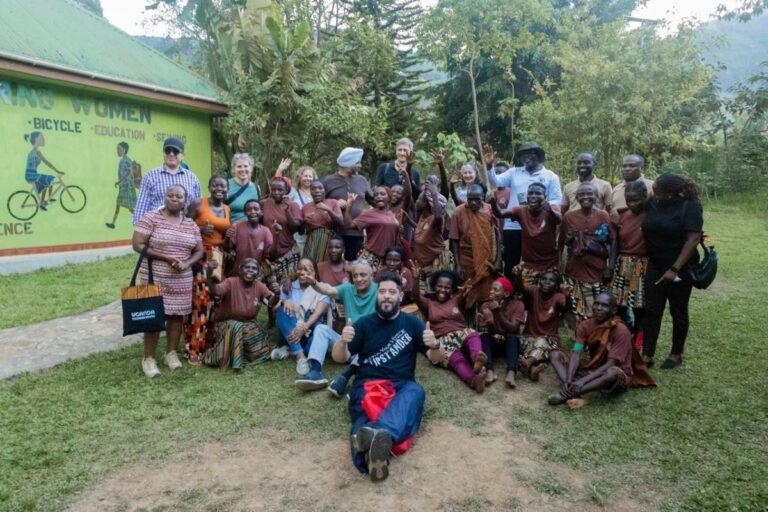

Preserving Africa’s Indigenous Heritage Through Tourism
Introduction
Africa’s indigenous heritage is a testament to the continent’s deep-rooted history and cultural wealth. From the Maasai of East Africa to the San of Southern Africa, indigenous communities have preserved their languages, customs, and knowledge systems for generations. However, globalization, modernization, and environmental challenges threaten these traditions. Tourism, when managed responsibly, can be a key tool in preserving and promoting Africa’s indigenous heritage while empowering local communities.
The Richness of Africa’s Indigenous Heritage
Africa is home to diverse indigenous communities, each with unique customs, traditions, and ways of life. Some notable examples include:
- The Maasai (Kenya/Tanzania): Known for their red shukas, beadwork, and warrior culture, the Maasai attract tourists interested in their traditional dances and pastoral lifestyle.
- The Himba (Namibia): Famous for their ochre-covered skin and intricate hairstyles, the Himba people maintain a semi-nomadic existence deeply connected to nature.
- The San (Botswana/Namibia/South Africa): One of the world’s oldest surviving indigenous groups, the San people have extensive knowledge of herbal medicine and traditional hunting techniques.
- The Berbers (North Africa): Indigenous to the Maghreb region, Berbers (or Amazigh) have preserved their distinct language, crafts, and music, drawing visitors to their mountain and desert settlements.
These communities provide cultural tourism experiences that allow visitors to learn about their way of life while generating economic opportunities.
Indigenous Tourism as a Tool for Preservation
Community-based tourism initiatives have emerged as a way to support indigenous cultures while providing authentic travel experiences. Examples include:
- The Maasai Cultural Experiences (Kenya/Tanzania): Tourists can stay in Maasai villages, participate in traditional dances, and learn about their sustainable way of life.
- San Bushmen Tours (Botswana/Namibia): Visitors can engage in guided walks with San elders, learning survival skills, traditional medicine, and ancient storytelling.
- Gorée Island (Senegal): A UNESCO World Heritage site that preserves the painful history of the transatlantic slave trade, educating visitors on Africa’s resilience.
Benefits of Indigenous Heritage Tourism
When managed ethically, indigenous tourism has several advantages:
- Cultural Awareness & Preservation: Tourism encourages indigenous communities to maintain their languages, crafts, and rituals by providing economic incentives.
- Economic Empowerment: Revenue from tourism helps fund education, healthcare, and infrastructure in remote communities.
- Conservation of Sacred Sites: Many indigenous groups act as environmental stewards, preserving natural landscapes and biodiversity, benefiting both conservation efforts and tourism.
Challenges in Indigenous Tourism
Despite its benefits, indigenous tourism faces significant challenges:
- Commercialization & Exploitation: Some tourism companies exploit indigenous cultures for profit, misrepresenting traditions or failing to compensate local communities fairly.
- Language & Cultural Barriers: Tourists may struggle to understand indigenous languages and customs, leading to misinterpretations.
- Climate Change & Habitat Loss: Many indigenous communities depend on fragile ecosystems, which are increasingly threatened by deforestation, mining, and climate change.
Future Strategies for Sustainable Indigenous Tourism
To ensure indigenous tourism remains ethical and beneficial, the following strategies should be prioritized:
- Community Involvement: Indigenous people must have ownership and control over tourism initiatives to ensure fair benefits.
- Responsible Travel Practices: Tourists should choose ethical tour operators that prioritize community well-being and environmental conservation.
- Digital Documentation: Indigenous groups can use digital platforms to archive and share their traditions, reaching global audiences without physical tourism dependency.
Conclusion
Tourism can play a crucial role in preserving Africa’s indigenous heritage while providing sustainable livelihoods for local communities. By promoting responsible tourism practices and respecting indigenous cultures, we can ensure these rich traditions continue to thrive for future generations.