
Embracing African Culture: Why Your Respect is Their Reality
When you travel through Africa, you aren’t just crossing borders; you are stepping into a vibrant, living tapestry of heritage. Africans are profoundly expressive of their traditions, upholding belief systems that have been passed down through countless generations. Today, this cultural richness has evolved into a centerpiece of the tourism industry, offering far more than just a standard safari.
Beyond the Safari: Immersive Experiences
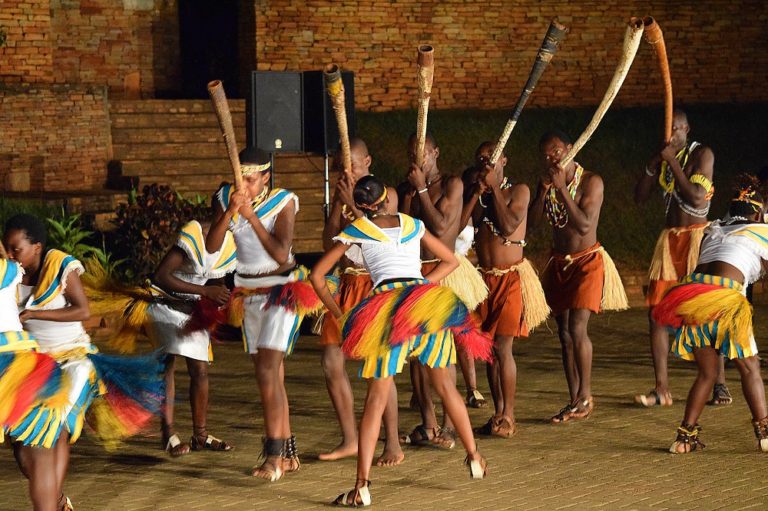
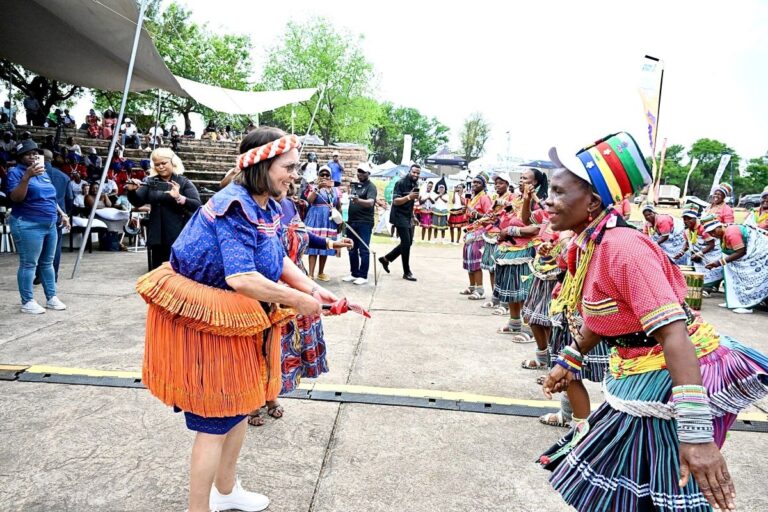
Modern travelers are increasingly trading the 4×4 game drive for deep-tissue cultural immersion. Every nation offers a unique “identity kit” composed of traditional dress, dance, cuisine, and governing belief systems. Notable highlights include:
- Tanzania: The aromatic journey of the Spice Tours in Zanzibar.
- Eswatini (Swaziland): The rhythmic spectacle of the Umhlanga (Reed Dance).
- Botswana: Engaging with the ancient wisdom of Khoisan villages.
- East Africa: The iconic and resilient traditions of the Maasai people.
The Traveler’s Code: Navigating the “Dos and Don’ts”
Embracing these practices requires a high degree of cultural EQ. Understanding local etiquette is essential—not just for your safety, but to ensure your presence is meaningful to the indigenous hosts.
In some communities, traditional attire may involve minimal clothing, while in others, modesty is a strict requirement for visitors. Navigating these differences with an open mind and a respectful wardrobe is the first step toward a successful journey.
To Observe or To Immerse?
A critical skill for the conscious traveler is knowing when to join in and when to remain a respectful observer. Some rituals are sacred and restricted to the community.
- Example: The Gule Wamkulu in Malawi. While this ritual dance of the Nyau brotherhood is performed in public, it is a secret society for initiates. Watching is a privilege; attempting to participate without being part of the brotherhood would be deeply offensive.
Living the Routine: The Beauty of the “Slow Life”
The most profound experiences often happen in the quiet moments of village life: milking cows at dawn, herding cattle to grazing pastures, or the communal art of braiding hair.
While visitors often look for “modern conveniences” like piped water, it is important to recognize the social value of traditional routines. The daily stroll to the river isn’t just a chore; it’s a time for greetings, life updates, and strengthening the community bond. By rushing for convenience, one might miss the very “heartbeat” that makes the community strong.
The Story in the Souvenir
African beauty transcends borders. Every beaded bracelet, intricate wood carving, or vibrant painting you carry home is more than a trinket—it is a story, a tradition, and a piece of a culture unlike any other in the world.
Africa is an experience rooted in a richness that, once felt, creates a lifelong longing to return. Our culture is your life-changing experience—please, treat it with the respect it deserves.