
Human-Wildlife Conflict: Lions Poisoned to Death in Amboseli Ecosystem
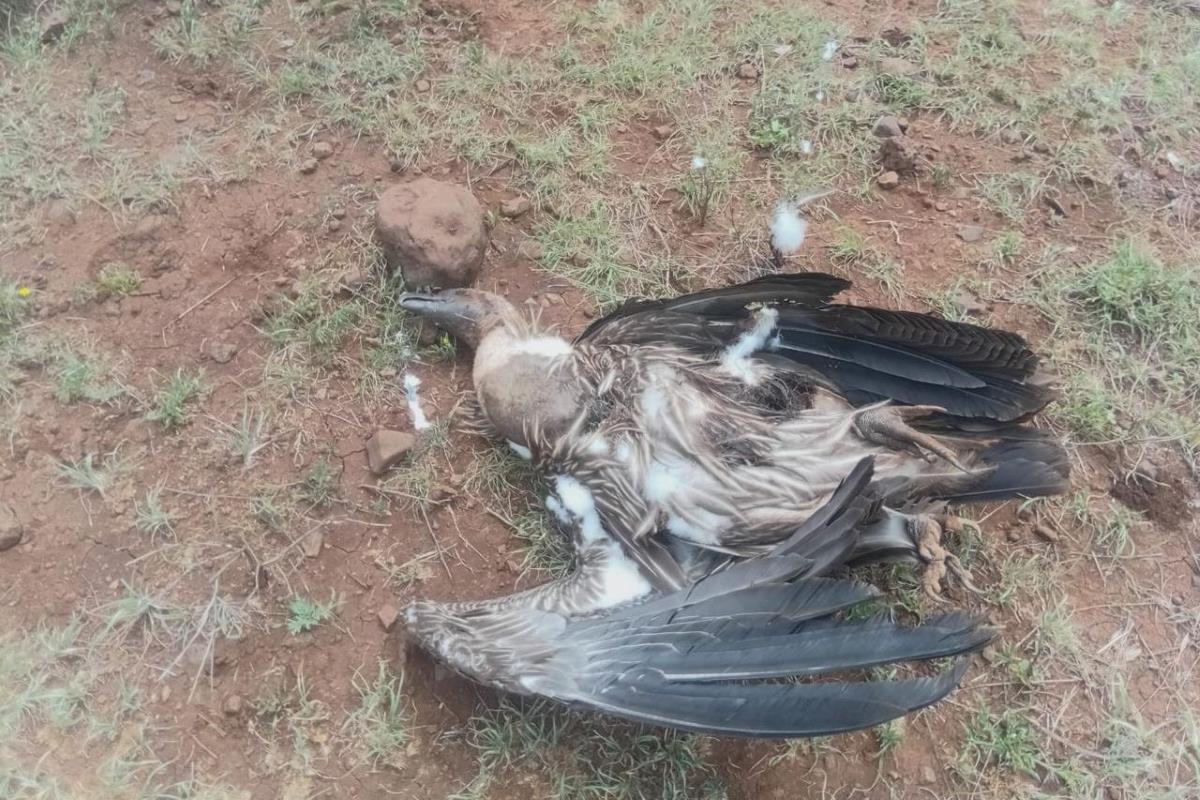
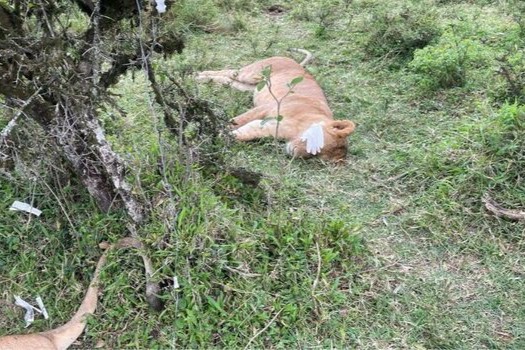
At least six lions and about thirty-two vultures were reported to have been poisoned to death on 7 January 2026, in the Kitenden Conservancy, a part of the Amboseli ecosystem along the Kenya-Tanzania border. This shocking incident of human-wildlife conflict was reported on 11 January 2026.
Assistant Director in charge of the Amboseli ecosystem for the Kenya Wildlife Service (KWS), Paul Wambi, explained that veterinary doctors confirmed the animals died after consuming poisoned meat. The lions had earlier killed three bulls in a neighbouring village across the border in Tanzania, and the poisoned carcasses were laced deliberately. The vultures then fed on the contaminated remains of the lions and perished too.
“Our veterinary doctors have established that the animals died after consuming poisoned meat from the three bulls they had earlier killed in a neighbouring village. The vultures also died after feeding on the contaminated carcasses.” Mr. Wambi said.
He added a strong warning: “We urge our herders to remain vigilant and protect wildlife. We cannot afford to kill our pride, which remains a major pillar of our economy through tourism.”
This poisoning highlights growing human-wildlife conflict in Kajiado County, worsened by drought, water shortages, and pasture scarcity. At least 400 elephants have strayed from protected areas in search of food, increasing tensions.
Vultures, known as nature’s clean-up crew, are vital for healthy ecosystems as they scavenge and prevent disease spread. Their loss threatens the balance in wildlife parks like Amboseli. Lions are a top draw for tourists, and such incidents damage Kenya’s eco-tourism appeal.
The Amboseli corridor supports movement of elephants, lions, giraffes, and other species, while providing sustainable income for local communities through tourism jobs and revenue.
KWS and the Tanzania Wildlife Management Authority (TWMA) have launched a joint cross-border investigation to find those responsible. This event reminds us that protecting wildlife is key to protecting livelihoods. As Mr. Wambi noted, wildlife is “a major pillar of our economy through tourism” — we must act to stop these tragedies.