Uganda Launches 2026 International Museum Day Celebrations in Jinja
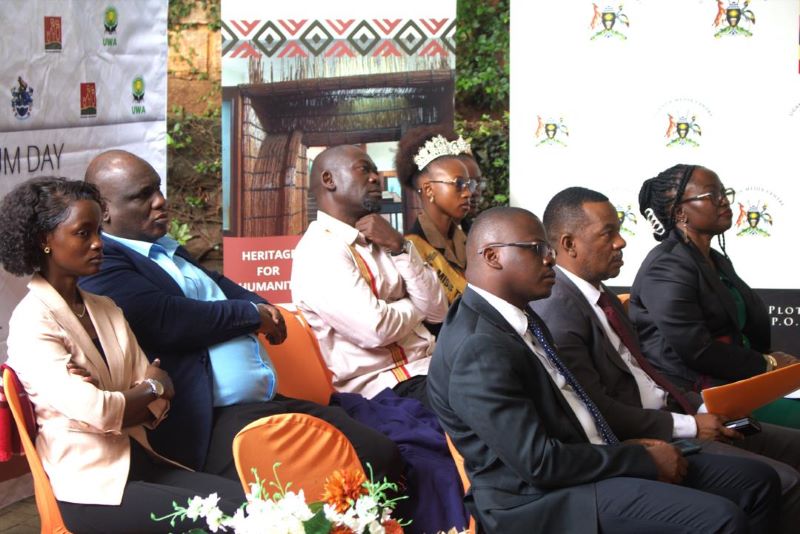
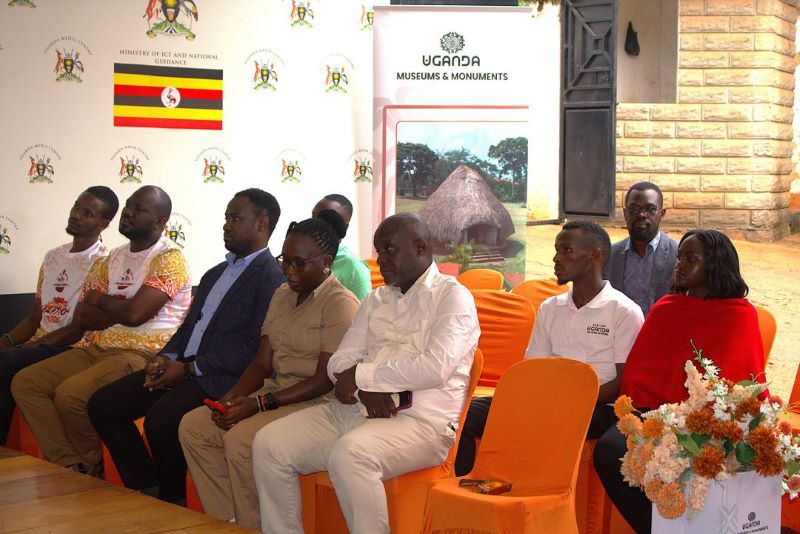
The Uganda Media Centre transformed from a standard press briefing venue into a convergence of memory, identity, and ambition on 29 April 2026. It was here that the nation officially launched the celebrations for International Museum Day 2026, uniting journalists, cultural leaders, and government officials under a shared conviction: museums are no longer quiet archives of the past, but living bridges shaping the future.
A National Journey to Jinja
Uganda’s engagement with International Museum Day has evolved steadily since 2010. What began as a centralized event has, since 2023, transformed into a dynamic national experience, bringing culture directly to communities across the country. This year, the journey culminates in Jinja City, where the main celebrations are scheduled for May 18, 2026.
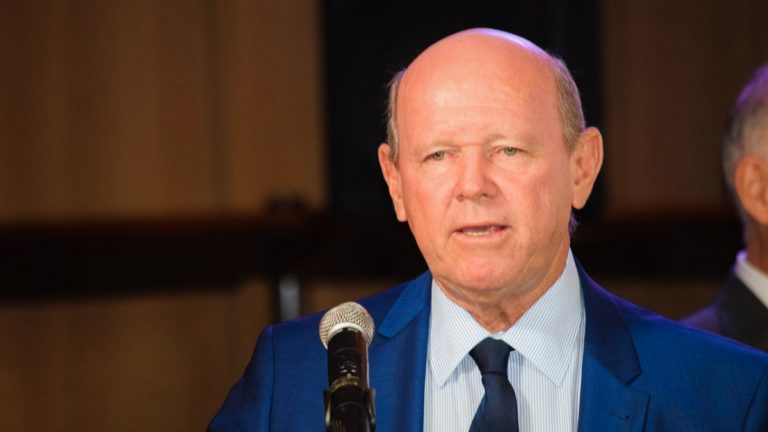
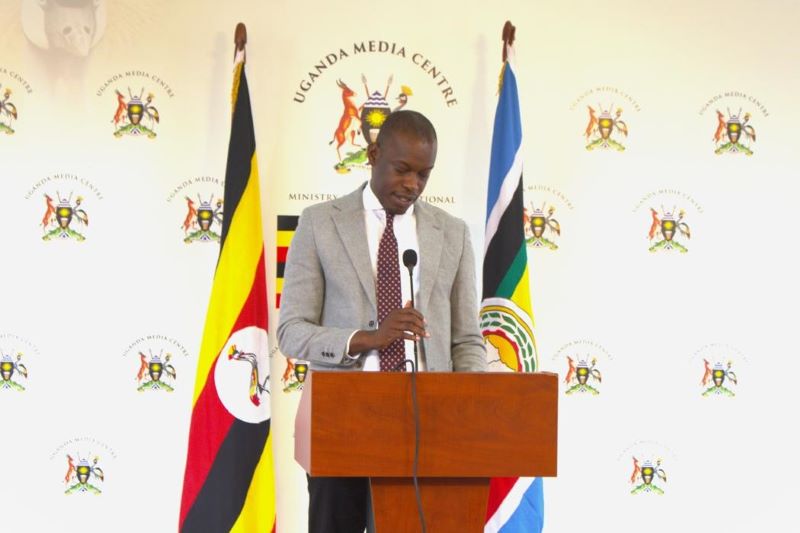
Speaking at the launch, State Minister for Tourism, Hon. Martin Mugarra Bahinduka, unveiled the global theme, “Museums: Uniting a Divided World,” alongside Uganda’s national theme, “Museums as Bridges of Unity and Shared Heritage.” His message was grounded and clear: museums are not merely repositories for objects; they are vital spaces for healing divides, strengthening identity, and constructing a shared future.
Heritage Meets Development
This year’s celebration carries weight beyond symbolism. It is deeply anchored in the Sustainable Development Goals (SDGs), connecting culture to tangible impact:
- SDG 8.9: Promoting sustainable tourism that creates jobs and supports local culture.
- SDG 16: Advancing peaceful and inclusive societies.
- SDG 17: Strengthening partnerships that drive sustainable development.
In this framework, museums are active contributors to national and global progress, not side players.
Reclaiming the Past
Through strategic partnerships with institutions across Europe and Africa, Uganda has made remarkable strides in reclaiming its heritage. In a short period, 2,008 artifacts have been returned to the country. These include collections from the Cambridge Museum of Archaeology and Anthropology (UK), the late John Wilson’s Karamojong collection (Kenya), and, most recently, objects repatriated from the Netherlands.
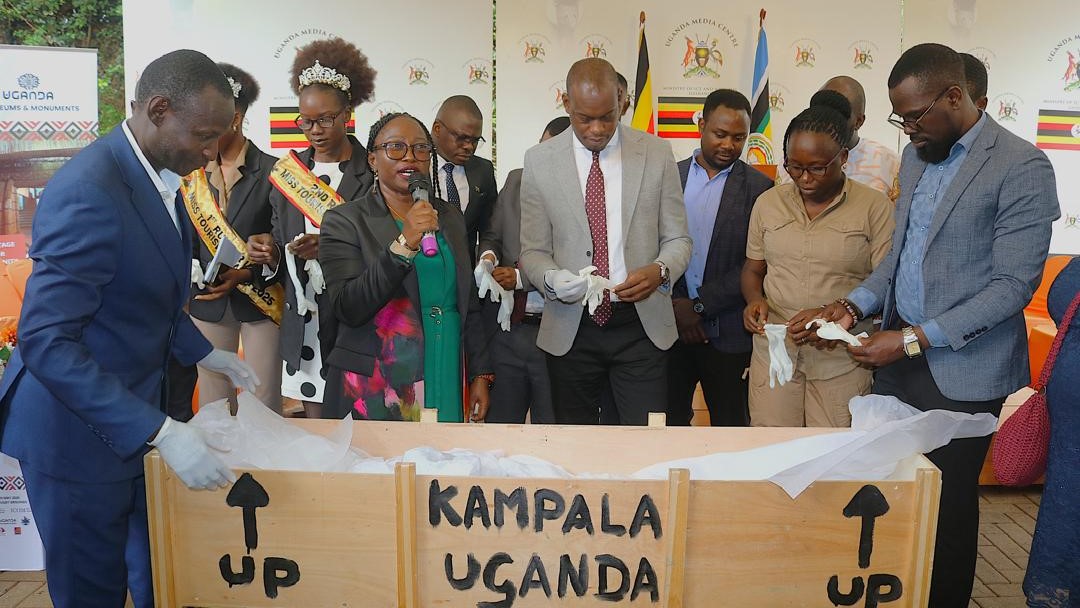
A highlight of the launch was the unveiling of three of the 43 recently repatriated artifacts from the Netherlands. These pieces, absent for over 50 years, will be key attractions during the Jinja celebrations. Beyond their physical presence, they carry stories still being uncovered; research is ongoing to trace their exact communities of origin, reflecting a careful and responsible approach to restoring history.
Cultural Diplomacy and Peace
Uganda’s positioning on the global stage is becoming increasingly distinct. Through cultural diplomacy, the country presents its heritage not just as a national treasure, but as a contribution to global understanding. This direction aligns with the African Union Agenda 2063, which emphasizes cultural identity and shared values as drivers of continental transformation.
At the heart of this movement is the recognition of museums as safe spaces for dialogue, learning, and reflection. The Ministry of Tourism, Wildlife and Antiquities, through the Department of Museums and Monuments, is actively investing in sites of deep historical meaning. Locations such as the Barlonyo Memorial Museum in Lira, the Kabalega-Mwanga site in Dokolo, and Fort Patiko in Gulu are being developed as spaces that promote peace, unity, and collective memory. These efforts are reinforced by the Museums and Monuments Act, ensuring that Uganda’s historical sites are protected for future generations.
The Economic Engine
The economic importance of this work is significant. Tourism remains a key growth sector under Vision 2040 and the National Development Plan IV. In 2024 alone, tourism generated $1.3 billion (approx. 5 trillion Uganda shillings) and created over 800,000 jobs. Within this context, museums are emerging as powerful drivers of cultural tourism, offering opportunities for innovation, storytelling, and community development.
International Museum Day 2026 is thus a statement about the role of culture in shaping economies, creating opportunities, and reducing poverty. It frames heritage as a foundation for growth that is both inclusive and sustainable.
The Road to May 18
The roadmap to the main event in Jinja is already set, with a series of activities designed to engage diverse audiences:
- May 5: Third National Cultural Heritage Conference at Hotel Africana.
- May 10: Heritage Marathon starting at the Sheraton Kampala.
- Schools: Heritage quiz competitions in Jinja.
- Community Outreach: Exhibitions and public engagements leading up to the main event.
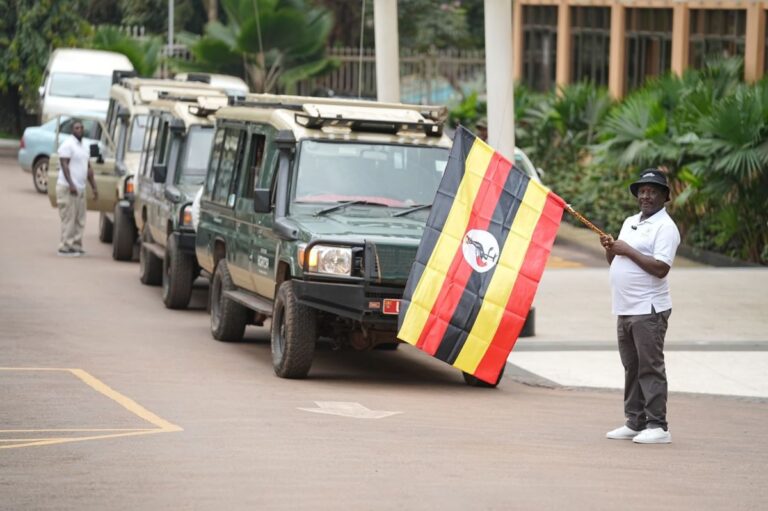
On May 18, Jinja will come alive with a ceremonial band march from the Uganda Railway Museum to the Jinja Rugby Grounds, marking the peak of the celebrations. It promises to be a moment bringing together history, community, and national pride in one powerful expression.
A New Chapter for the National Museum
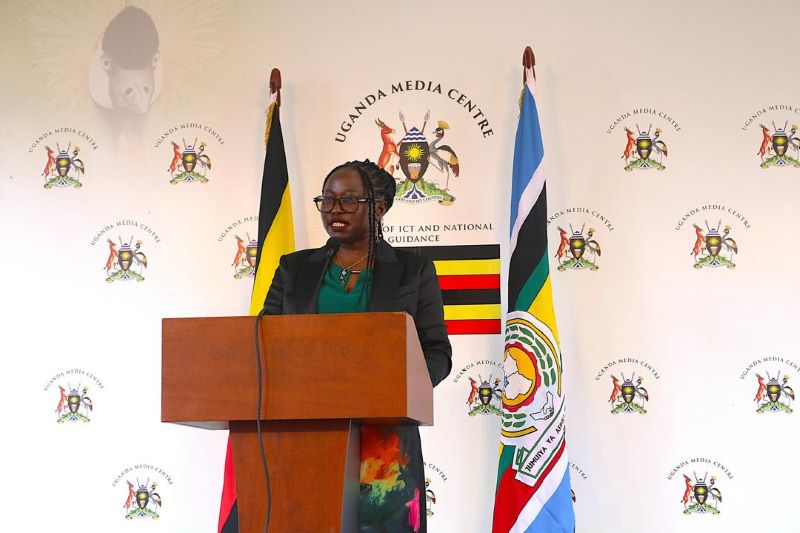
Looking ahead, Commissioner of Museums and Monuments, Ms. Jackline Nyiracyiza Besigye, shared a major milestone: the reopening of the Uganda National Museum later this year in September. Alongside it, a dedicated gallery will honor the work of the late John Wilson, further strengthening the country’s commitment to preserving and interpreting its heritage.
Her message to the youth stood out with quiet urgency: museums are not just for historians or tourists. They are spaces where young people can create, innovate, and build careers. In a rapidly changing world, culture offers a unique platform to stand out, tell stories differently, and shape narratives that matter.
Conclusion
As the launch concluded, one thing remained clear: International Museum Day 2026 is not just about marking a date on the calendar. It is about reconnecting people to their roots, restoring what was lost, and using heritage as a bridge toward unity. In a world that often feels divided, Uganda is choosing to tell a different story—one where museums do not simply hold the past, but actively shape a more connected and understanding future.