800 Roasters, 84 Million Cups: Untapped German Market Waiting for Uganda
Brewing a $500 Million Bond: Germany & Uganda Deepen Coffee Ties
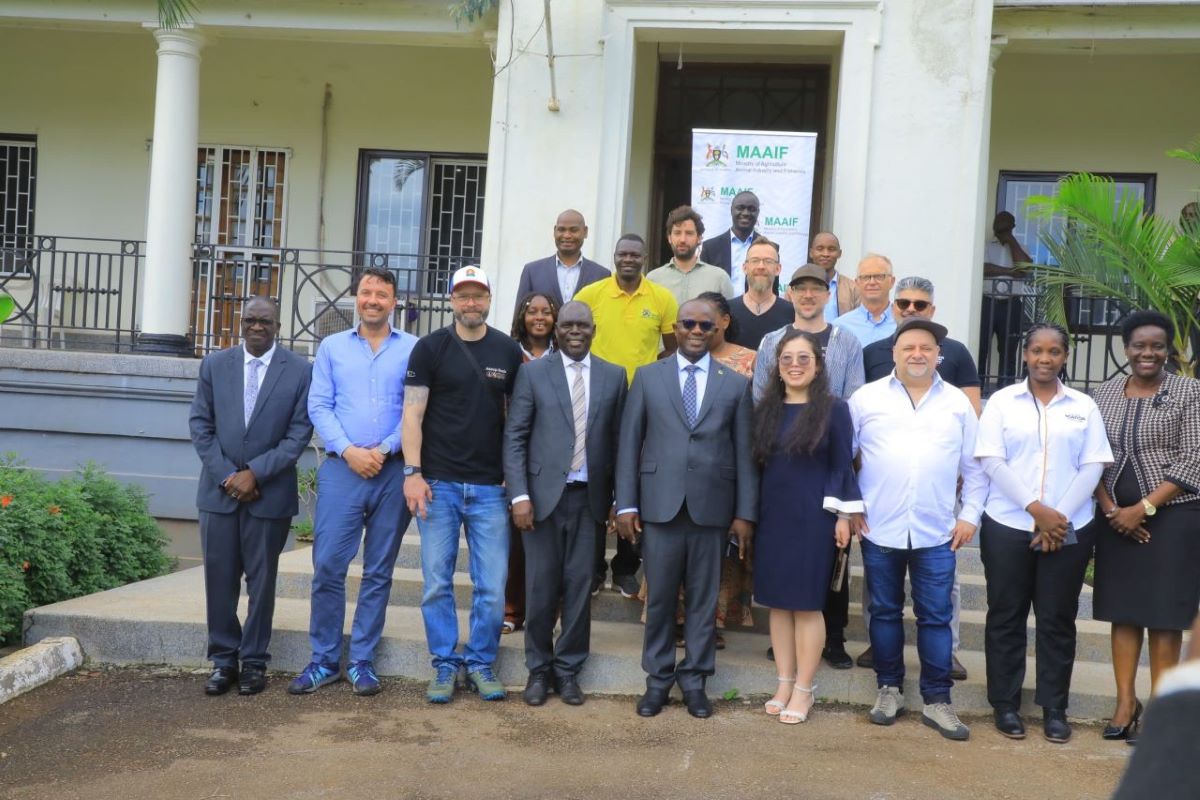
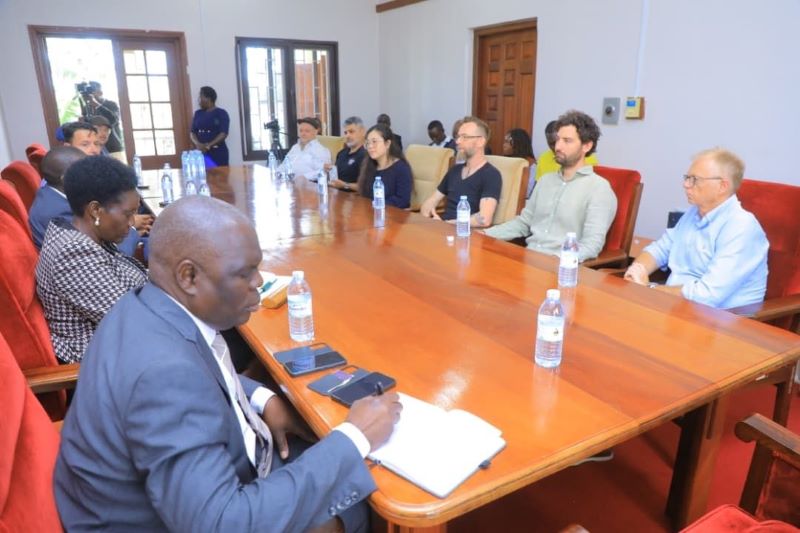
Kampala, Uganda – The aroma of potential trade filled the air on Day Two of the nine-day Coffee Familiarisation Trip, as a high-level German delegation moved from the fields and labs to the corridors of power. Today’s focus shifted to policy and partnership, with the delegation holding critical talks with officials at the Ministry of Agriculture, Animal Industry and Fisheries (MAAIF).
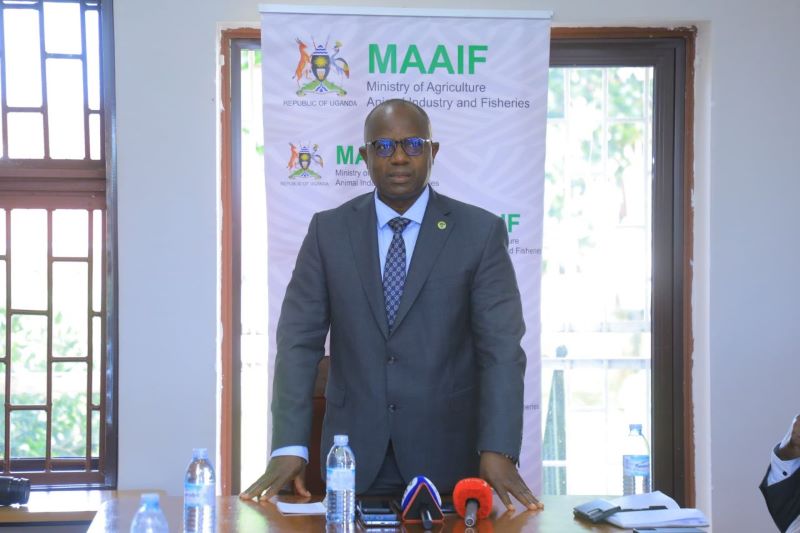
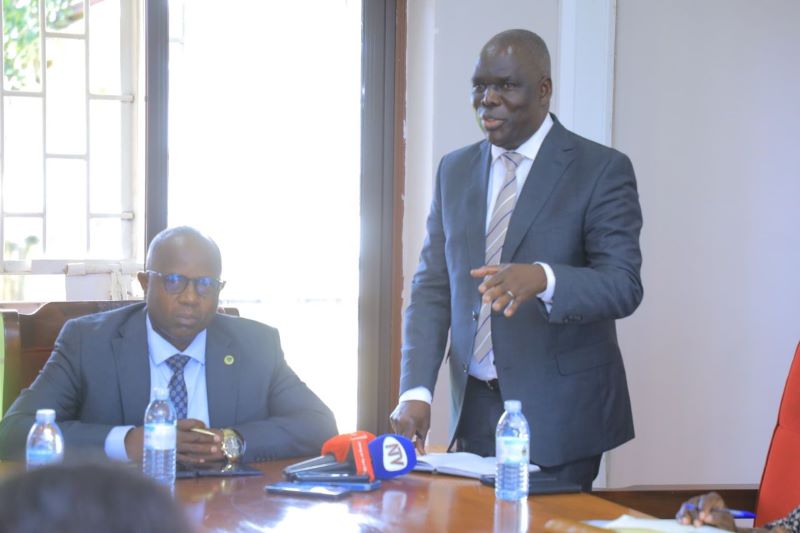
Led by Uganda’s Ambassador to Germany, Stephen Mubiru, the group was received by Minister of State for Agriculture, Fred Bwiino Kyakulaga. The discussions, chaired by Kyakulaga, zeroed in on Uganda’s agricultural strengths and the vast export potential that lies beneath its fertile soils.

Nature’s Bounty: The “Minimal Intervention” Advantage
Minister Kyakulaga painted a vivid picture of Uganda’s agricultural landscape, emphasizing the country’s unique natural advantages. He highlighted how Uganda’s favorable climate and rich soils allow for productivity with minimal human intervention.
“In Uganda, crops like bananas grow abundantly under natural conditions,” Kyakulaga noted, using the staple as a prime example of the country’s capacity for sustainable scaling. “This natural abundance is the foundation upon which we are building our coffee empire.”
The Minister’s message was clear: Uganda is not just farming; it is harvesting the gifts of nature to feed the world’s appetite for premium coffee.
A $500 Million Partnership on the Rise
Ambassador Stephen Mubiru underscored the robustness of the Uganda–Germany trade relationship, which currently stands at nearly $500 million. Of this total, approximately $300 million is attributed to exports to Germany, with coffee acting as the primary engine driving this economic success.
Germany remains one of the top three importers of Ugandan coffee, a testament to a long-standing and mutually beneficial partnership. However, the delegation was reminded that there is still room to grow.
“With an estimated 800 coffee roasters serving a population of 84 million people, each consuming an average of three cups per day, the German market presents a massive, untapped frontier for Ugandan exporters,” Mubiru stated.
The Road Ahead: Value Addition and Market Share
The core of today’s dialogue centered on strategy. Officials and German counterparts explored concrete ways for Uganda to increase its market share and, crucially, capture more value across the coffee value chain. The goal is to move beyond raw bean exports and establish a stronger presence in Germany’s high-end specialty market.
As the day concluded, the consensus was unanimous: this familiarisation trip is more than a tour; it is a catalyst for deeper collaboration. With Germany representing one of Europe’s largest coffee markets, the next steps involve identifying specific investment opportunities that will help Uganda expand its footprint and solidify its status as a global coffee powerhouse.
The delegation is set to continue its journey tomorrow, moving from policy discussions to the heart of the coffee-growing regions, where the beans that fuel this partnership are born.