African Parks Complete Second Translocation of White Rhino into Greater Kruger
In partnership with the Greater Kruger Environmental Protection Foundation (GKEPF), African Parks has successfully completed the second translocation of southern white rhino to GKEPF partner reserves. This is a significant step for rhino conservation, according to a press release from African Parks released on Friday 28 November 2025.
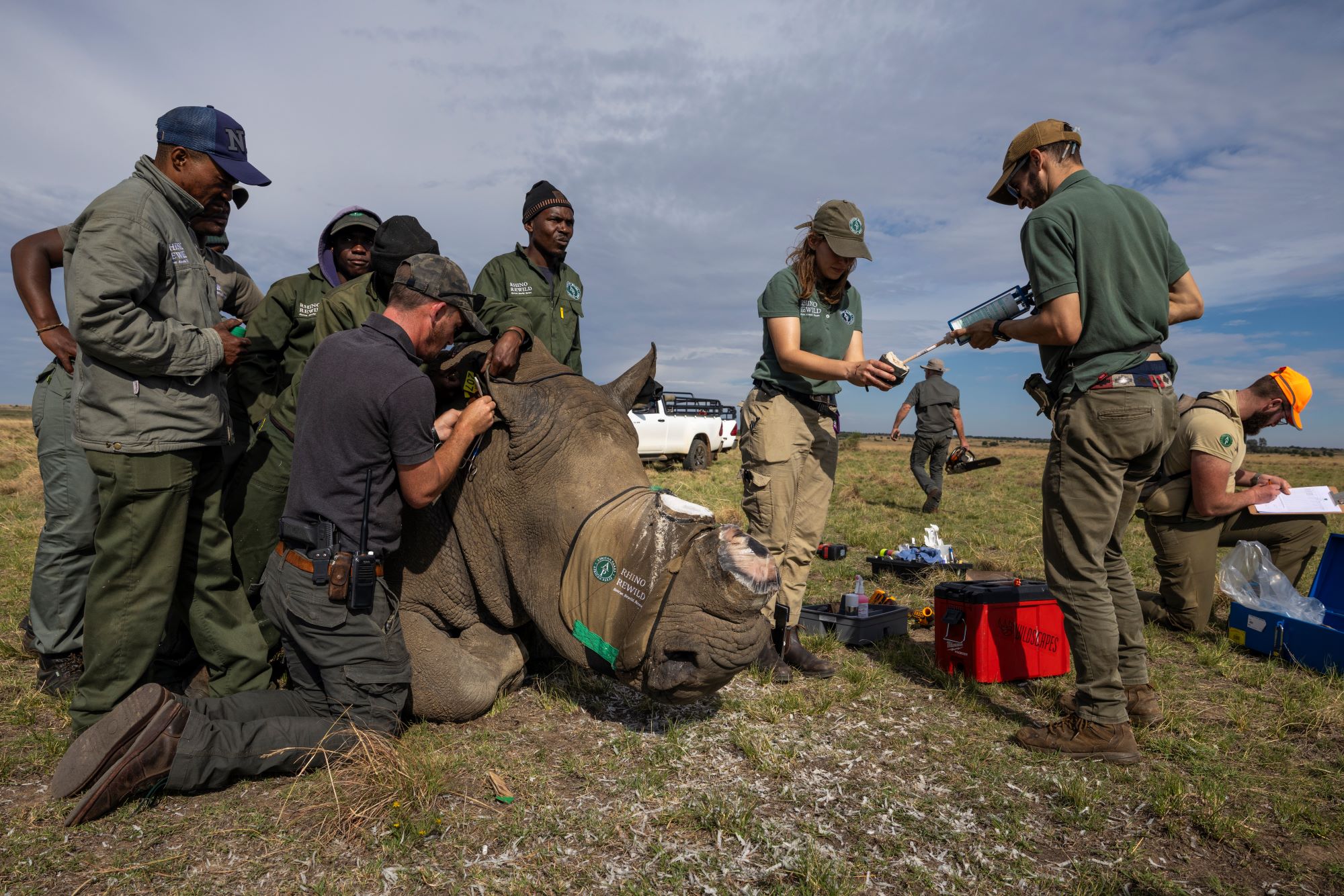
A total of 160 rhino were translocated under stringent veterinary supervision and dehorned to reduce the risk of poaching. The rhino are being monitored as they settle into the fertile, water-rich grasslands of the GKEPF partner reserves, which is an ideal habitat for southern white rhino.
This latest move builds on the momentum of a previous translocation of 120 rhino into the Greater Kruger in 2024 and underscores the success of this public-private partnership. This is demonstrated by the collective commitment and expertise of a broad coalition of partners, field teams, and supporters dedicated to securing the future of this keystone species and its essential role in maintaining healthy ecosystems. The GKEPF open system of protected areas comprises private, community-owned, and provincial reserves, and Kruger National Park. Despite significant pressures, declining poaching rates in private reserves in the Greater Kruger reflect the impact of coordinated security and anti-poaching strategies implemented by this collaborative network.
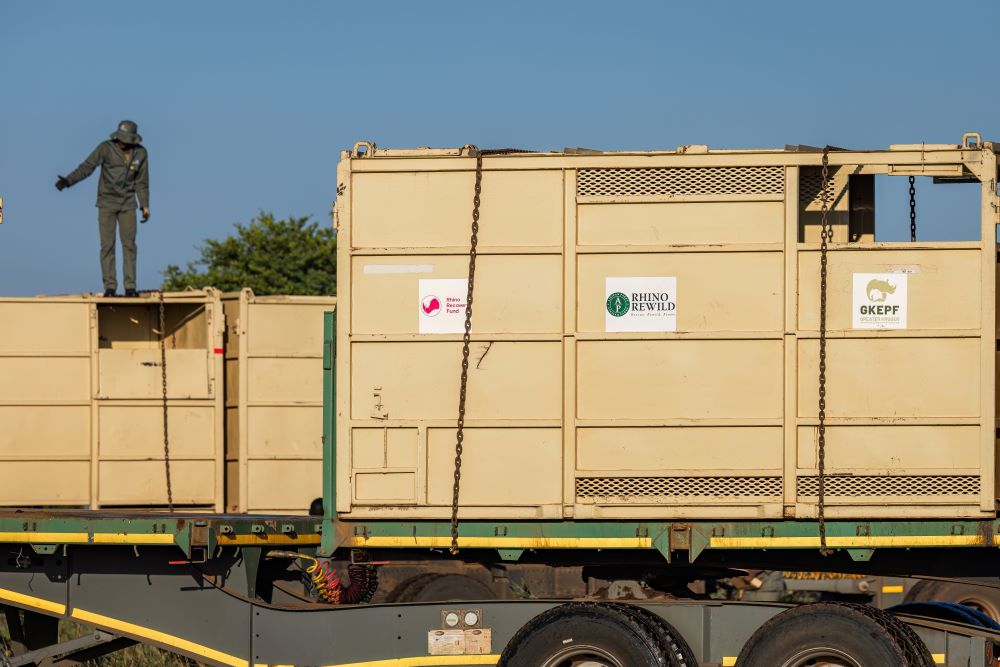
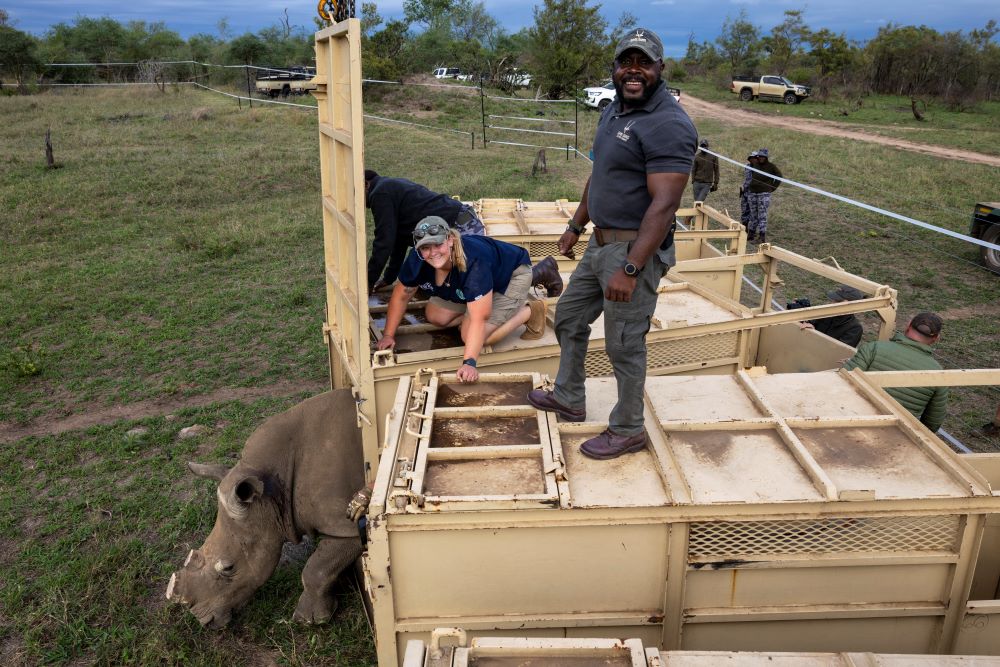
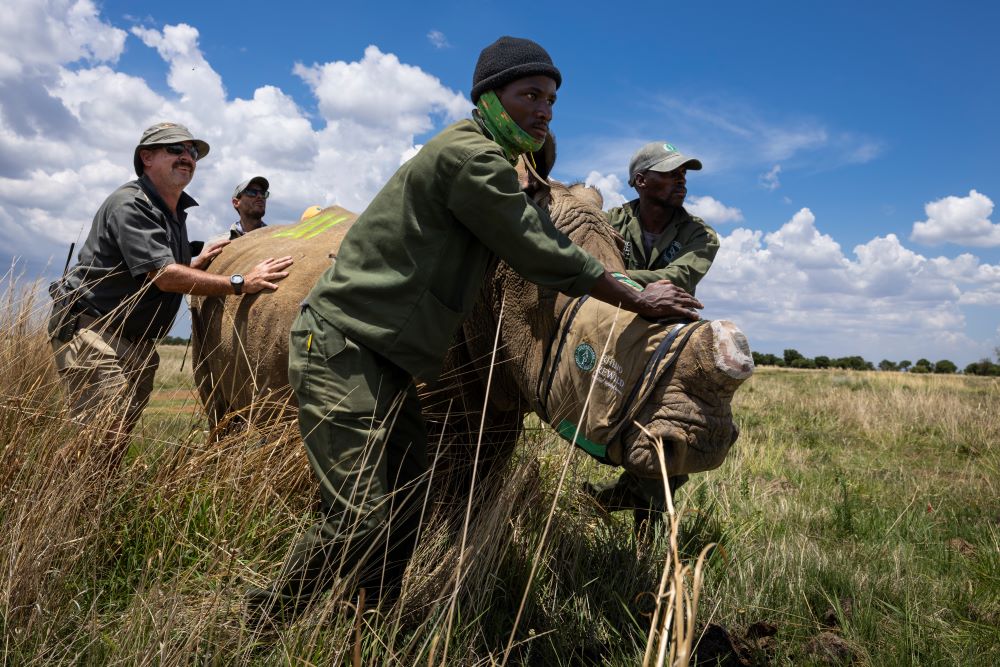
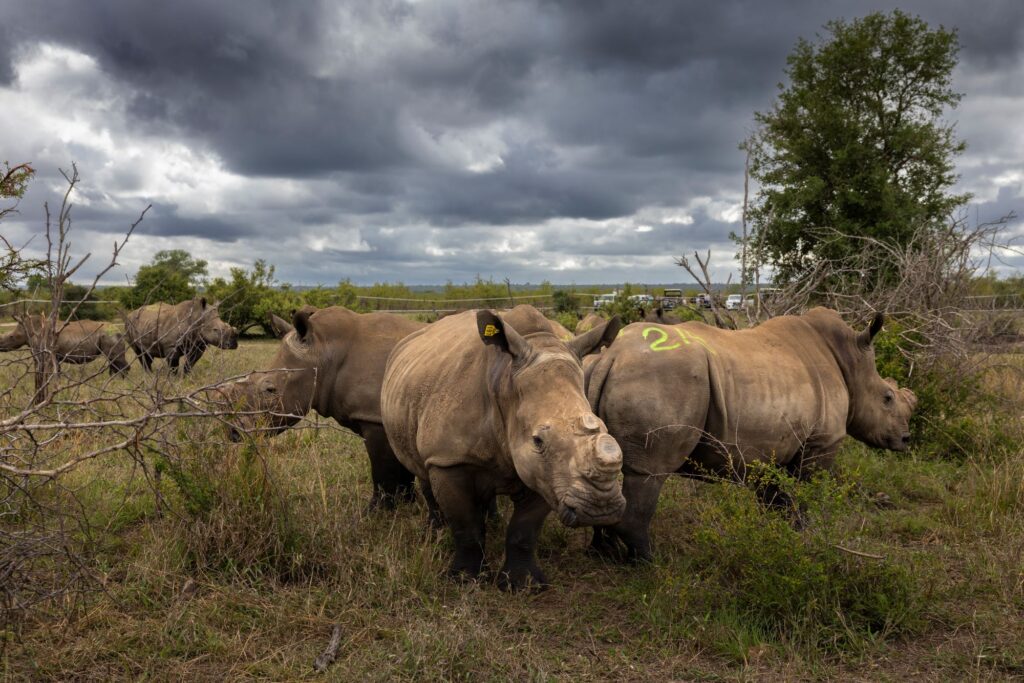
These translocations into the Greater Kruger further African Parks’ vision to rewild 2,000 southern white rhino into well-managed, protected areas across Africa over the next decade as part of the organisation’s ambitious Rhino Rewild Initiative. We gratefully acknowledge the Rhino Recovery Fund for their support of this translocation, as well as the Rob Walton Foundation and the Pershing Square Foundation for their support as founder funders of Rhino Rewild.
Richard Napier, GKEPF interim co-CEO: “This second translocation of 160 rhino into the Greater Kruger private reserves builds on the success of the initial release of 120 rhinos in 2024, where they adapted, survived, and integrated well. It stands as a testament to the resilience, dedication, and expertise of those who have worked tirelessly to protect the world’s largest free-roaming rhino population. Through our partnership with African Parks and the Rhino Recovery Fund, and with the support of our management authorities, we are working to restore rhinos to their rightful place in the wild. While we acknowledge the risks, the safety of the rhino is always our primary concern. Every partner involved has demonstrated an unwavering commitment to conserving rhinos in this landscape. The benefits of rebuilding this critical population after more than a decade of poaching losses far outweigh the risks. Private reserves in the region have proven success in rhino security through collaboration, skilled management, and resilient partnerships. Expanding the Rhino Rewild Initiative within this landscape is a vital step toward rebuilding healthy, stable rhino populations for the future.”
Donovan Jooste, Project Manager of African Parks’ Rhino Rewild: “Translocating these rhino is a monumental undertaking, made possible only through the unwavering dedication of countless individuals and organisations. It is the combined expertise, resources, and passion of our partners, donors, and teams on the ground that have brought us to this milestone. Together, we are restoring rhino to their rightful place in the wild and strengthening the resilience of the Greater Kruger landscape.”
Markus Hofmeyer, Director: Rhino Recovery Fund: “This rewilding project is becoming one of the most critical foundations to reverse the disastrous reduction in white rhino populations due to the decades-long illegal killing, driven by significant crime syndicates. Bolstering the population in this landscape signals a clear message of hope that there has been a positive turnaround in the crime disruption around rhino. It’s not smooth sailing yet, but the platform for recovery is well established, and the RRF stands firmly with GKEPF and with African Parks’ Rhino Rewild Initiative.”
About GKEPF: The Greater Kruger Environmental Protection Foundation (GKEPF) is a registered non-profit organisation established in 2016 to strengthen the collective response to wildlife crime across the Greater Kruger landscape, home to the world’s largest remaining wild rhino population. Representing a partnership between private, community-owned, and provincial nature reserves, and Kruger National Park, GKEPF coordinates security efforts, data sharing, and community engagement to protect both people and wildlife across more than 2.5 million hectares. GKEPF works alongside its partner management authorities and neighbouring communities, recognising their integral role in achieving shared conservation success.
Together, these partners form a unified network committed to safeguarding biodiversity, supporting people and wildlife, and strengthening the resilience of this globally significant ecosystem. Visit www.gkepf.org to learn more.
About African Parks: African Parks is a non-profit conservation organisation that takes on responsibility for the long-term management of protected areas in partnership with governments and local communities. African Parks manages 24 protected areas in 13 countries covering over 20 million hectares in Angola, Benin, Central African Republic, Chad, the Democratic Republic of Congo, Ethiopia, Malawi, Mozambique, the Republic of Congo, South Sudan, Rwanda, Zambia and Zimbabwe. For more information visit www.africanparks.org, Twitter, Instagram and Facebook.
About Rhino Rewild: Rhino Rewild, an African Parks initiative, is a 10-year plan to rescue and rewild 2,000 southern white rhino and renew the wild habitats they require. In September 2023, African Parks purchased the world’s largest rhino captive breeding operation in South Africa, in a bid to rescue these rhino, which amount to approximately 13% of the world’s population, and to rewild them to safe and well-managed protected areas across Africa as part of a strategic, continent-wide conservation strategy. Visit: www.rhinorewild.org