Africa’s Tourism Revolution: How to Drive & Support SDGs
Introduction: The Power of Sustainable Tourism
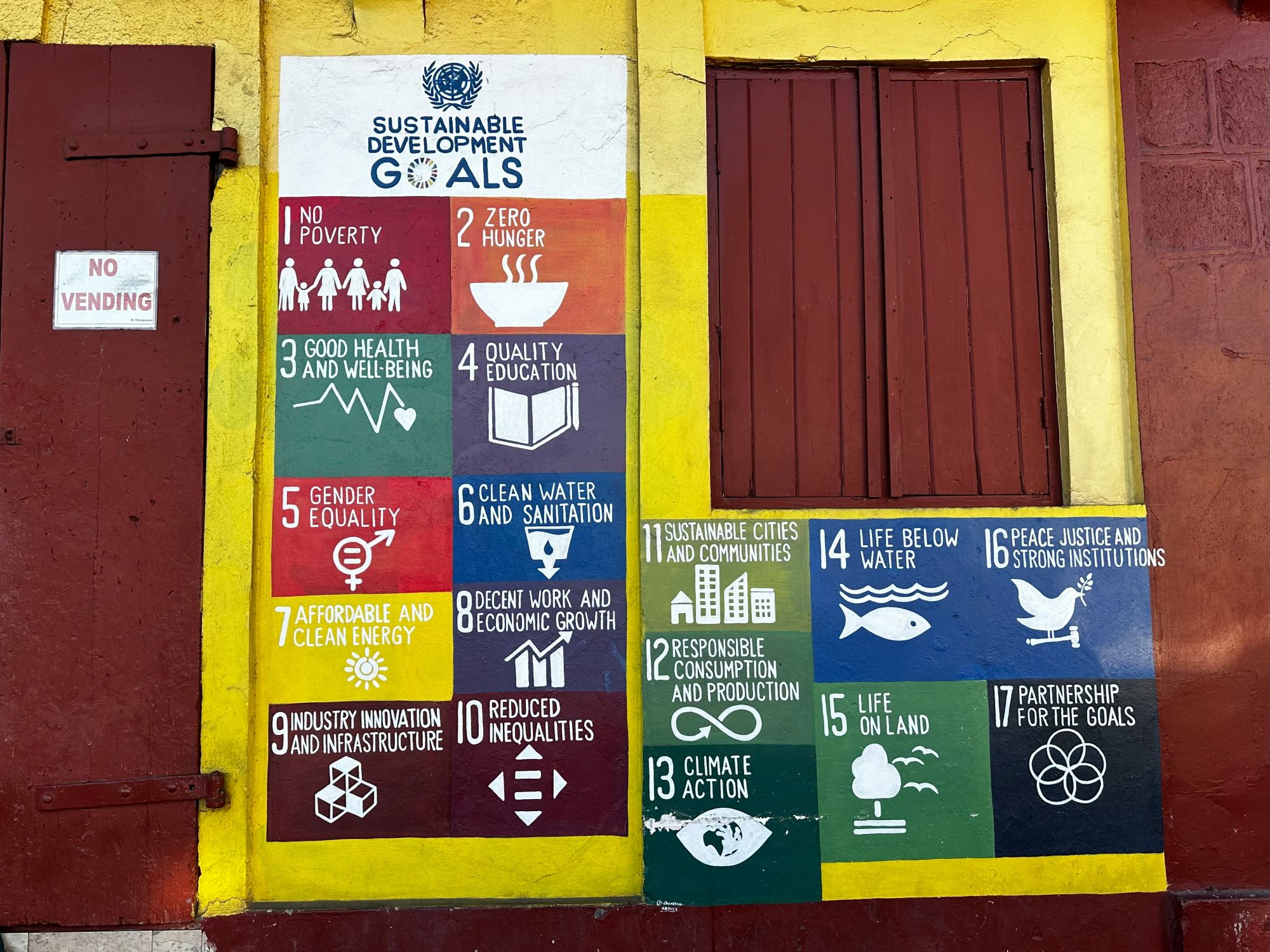
Imagine a world where tourism not only fuels economic growth but also erases poverty, preserves cultures, and protects the environment. This isn’t a fantasy—it’s a real opportunity for Africa. With its stunning landscapes, rich history, and diverse wildlife, Africa stands at the forefront of a tourism revolution that could drive sustainable development. However, to unlock this potential, governments and businesses must align tourism initiatives with the United Nations Sustainable Development Goals (SDGs).
Africa’s tourism industry currently contributes over $169 billion to the continent’s GDP, supporting nearly 24 million jobs. But with sustainable practices, this figure could soar even higher—creating livelihoods, fostering peace, and uplifting local communities while safeguarding the continent’s natural beauty.

1. Creating Sustainable Livelihoods
Tourism is a powerful job creator. The industry directly and indirectly employs 1 in 10 people globally, and in Africa, it has the potential to lift millions out of poverty.
- Example: Kenya’s Maasai Mara Conservancies
In Kenya, community-based tourism initiatives like the Maasai Mara Conservancies have allowed local communities to earn a living while protecting wildlife. By leasing land to tourism operators, the Maasai people benefit from employment and revenue-sharing agreements while preserving their ancestral lands. - Impact: Governments and businesses can expand training programs to equip locals with hospitality and eco-tourism skills, ensuring that tourism dollars stay within communities.
2. Protecting the Environment through Responsible Tourism
Unregulated tourism can lead to deforestation, pollution, and habitat destruction. But with sustainable policies, it can preserve ecosystems while generating revenue.
- Example: Rwanda’s Gorilla Tourism & Conservation Model
Rwanda has pioneered high-value, low-impact tourism with its gorilla trekking permits priced at $1,500 per visitor. While expensive, the revenue funds wildlife conservation efforts and supports local communities. This model has contributed to the increase in Rwanda’s mountain gorilla population from less than 300 in the 1980s to over 1,000 today. - Solution: African nations can adopt eco-tourism certification programs, limit visitor numbers in fragile ecosystems, and encourage sustainable tourism investments (e.g., solar-powered lodges and plastic-free safari camps).
3. Promoting Cultural Preservation & Authentic Experiences
Cultural tourism allows travelers to engage with authentic African traditions, providing a market for local artisans, musicians, and storytellers.
- Example: Ghana’s Year of Return (2019)
Ghana’s “Year of Return” initiative attracted over 1 million international visitors, generating $3.3 billion in tourism revenue while celebrating African heritage. It created opportunities for local businesses, artists, and historical sites like Elmina Castle. - Solution: Governments can support community-led tourism projects, ensuring that cultural tourism is respectful, ethical, and beneficial to locals.
4. Boosting Economic Growth & Infrastructure
A well-developed tourism sector requires investments in transportation, accommodation, and digital accessibility.
- Example: South Africa’s Tourism Infrastructure Investments
South Africa has invested in airport expansions, smart travel systems, and accessible tourism options—allowing it to welcome over 10 million tourists annually. Tourism contributes 3% of the country’s GDP, supporting jobs in hospitality, transport, and retail. - Solution: African nations can offer tax incentives to investors, improve visa policies, and expand rural infrastructure to attract both budget and high-end travelers.
5. Supporting Local Communities & Inclusive Tourism
For tourism to be truly sustainable, it must benefit all members of society—including women, youth, and marginalized communities.
- Example: Morocco’s Women-Led Tourism Enterprises
Morocco has invested in women-led cooperatives that sell handicrafts and offer culinary and cultural experiences to visitors. These initiatives provide financial independence for women while preserving Morocco’s heritage. - Solution: Tourism businesses should partner with local artisans, farmers, and guides, ensuring that tourist spending directly supports communities.
6. Measuring and Monitoring Tourism’s Impact
Sustainable tourism requires constant evaluation to ensure its benefits outweigh the costs.
- Example: Botswana’s Conservation-Based Tourism Approach
Botswana prioritizes low-impact, high-value tourism, ensuring that revenues support conservation and local employment. By enforcing strict sustainability guidelines, it has maintained its status as one of Africa’s top wildlife destinations without overexploiting its natural resources. - Solution: Governments should track data on job creation, environmental impact, and local economic benefits to continuously refine tourism policies.
Conclusion: A Call to Action for Africa’s Tourism Leaders
Africa has the potential to become a global leader in sustainable tourism, but this requires collaboration between governments, businesses, and communities. By investing in eco-tourism, infrastructure, and cultural preservation, African nations can maximize the benefits of tourism while protecting their heritage for future generations.
- Governments must implement strong policies that promote sustainability and inclusivity.
- Businesses should adopt responsible tourism practices, ensuring that tourism dollars benefit local communities.
- Travelers can support sustainable tourism by choosing eco-friendly accommodations, respecting local cultures, and engaging in ethical wildlife tourism.
Africa’s tourism revolution is not just about numbers—it’s about people, cultures, and the future of the planet. With the right approach, tourism can become a force for good, driving progress towards the SDGs and creating a prosperous, sustainable Africa.