Breaking Barriers: Making Travel More Accessible for the Physically Challenged
Globally, over 1 billion people live with a disability, yet the travel industry often overlooks this massive market. According to the World Tourism Organization (UN Tourism), travellers with disabilities represent a $58 billion tourism market, and studies show that when destinations prioritize accessibility, they experience higher visitor retention and increased spending per trip.
Introduction: Unlocking Africa’s Tourism Potential for Everyone
Africa, with its breathtaking landscapes, vibrant cultures, and world-famous wildlife, should be a destination for everyone. Yet, for many travellers with disabilities, navigating Africa’s tourism scene remains a challenge. From inaccessible hotels and transport to limited disability-friendly attractions, barriers persist.
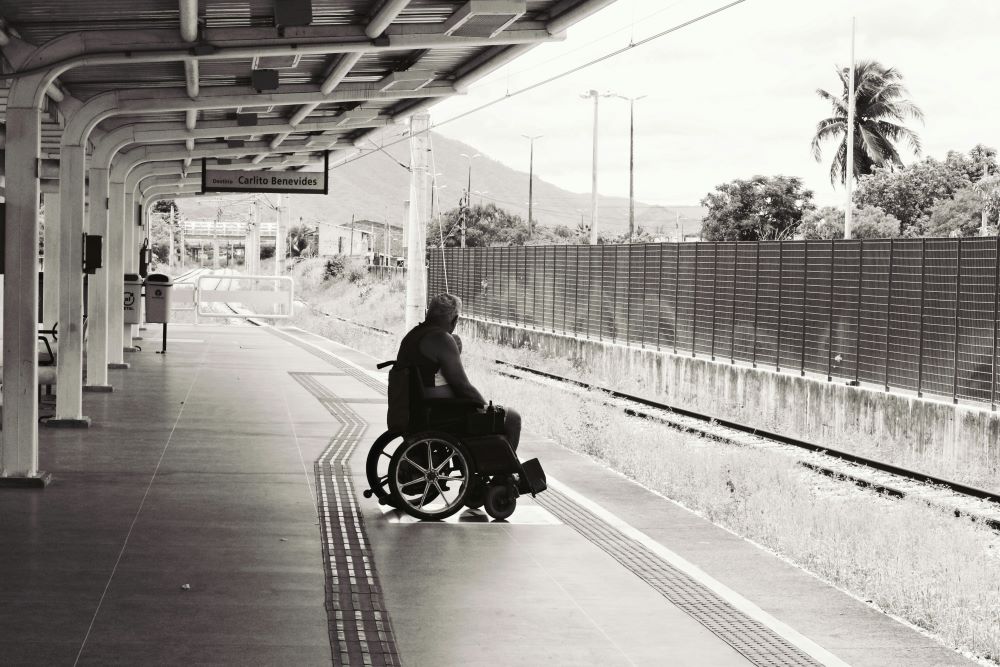
However, change is happening. Kenya, South Africa, and Rwanda are leading the way in accessible tourism, proving that when governments, businesses, and communities invest in inclusion, everyone benefits.
The Reality: Challenges Faced by Travelers with Disabilities in Africa
Despite Africa’s growing tourism sector, many travellers with disabilities still encounter significant obstacles:
- Inaccessible Infrastructure: Many hotels, airports, and public spaces lack ramps, elevators, wide doorways, or accessible restrooms. Even major tourist sites often do not have wheelchair-friendly pathways, making them difficult to explore.
- Limited Transportation Options: Most public transport systems—buses, taxis, and even domestic flights—do not accommodate mobility aids. In some African cities, wheelchair-friendly taxis are nearly non-existent, making travel expensive and inconvenient.
- Lack of Trained Staff and Awareness: Many hotel staff, tour guides, and service providers lack training on how to assist travellers with disabilities, leading to miscommunication and inadequate service.
- Exclusion from Tourist Experience: Africa’s stunning landscapes and wildlife are its main attractions, but most game reserves, beaches, and hiking trails are not designed for travellers with disabilities.
— Example: Many African safari vehicles lack wheelchair ramps or secure seating for passengers with mobility impairments, making game drives inaccessible for many travelers.
Case Studies: Africa’s Progress in Accessible Tourism
Kenya: Pioneering Inclusive Tourism in East Africa
Kenya is leading the way in making African tourism more accessible. The government, tour operators, and advocacy groups have worked to enhance accessibility across the country.
Government Policies Supporting Accessibility
- The Persons with Disabilities Act (2003) requires all public and private facilities to be disability-friendly.
- The Disability Mainstreaming Policy promotes inclusivity in tourism projects, transport systems, and employment opportunities.
Accessible Tour Operators in Kenya
- Go Africa Safaris & Travel – Offers safari vehicles with wheelchair lifts.
- Roaming Africa Tours – Provides customized accessible travel experiences.
- Lorna Safaris Kenya – Organizes wheelchair-accessible beach holidays.
— Success Story: In 2023, Nairobi’s Jomo Kenyatta International Airport (JKIA) introduced priority lanes, elevators, and trained staff to assist passengers with disabilities, making it one of the most accessible airports in Africa.
South Africa: A Leader in Disability-Friendly Tourism
South Africa has made significant investments in accessible tourism, ensuring that travellers with disabilities can enjoy its attractions.
Government Policies and Regulations
- The Promotion of Equality and Prevention of Unfair Discrimination Act (2000) prohibits discrimination against people with disabilities in tourism and public services.
- The South African National Accessibility Standard (SANAS) certifies businesses that meet high accessibility standards, encouraging hotels and attractions to become more inclusive.
Examples of Accessible Attractions in South Africa
- Table Mountain Aerial Cableway (Cape Town) – Fully wheelchair-friendly, with accessible cable cars and pathways.
- Kruger National Park – Features adapted safari vehicles and disability-friendly lodges.
- Gold Reef City (Johannesburg) – Offers wheelchair-accessible rides and attractions.
Rwanda: A Rising Star in Inclusive Tourism
Rwanda has taken bold steps to make its tourism sector more accessible, especially for travelers with mobility challenges.
Government Initiatives Supporting Accessibility
- The Rwanda Accessibility Standard (2021) ensures that hotels, public spaces, and transport hubs offer accessible facilities.
- The Visit Rwanda Initiative partners with tourism businesses to improve disability awareness and staff training.
Accessible Attractions in Rwanda
- Volcanoes National Park – Offers accessible gorilla trekking experiences with support for travelers with disabilities.
- Kigali Convention Centre – Built with full accessibility in mind, including Braille signage and elevators.
The Economic Case for Accessible Tourism
According to Africa Tourism Monitor, only 10% of African tourism establishments meet international accessibility standards. Yet, making travel more inclusive could:
- Increase Africa’s tourism revenue by 15-20% through the inclusion of travelers with disabilities.
- Attract repeat visitors, as studies show that people with disabilities are more likely to return to destinations that accommodate their needs.
- Create thousands of jobs, as investment in accessibility leads to a boom in infrastructure, services, and hospitality.
Solutions: How Africa Can Improve Accessible Tourism
1. Investing in Disability-Friendly Infrastructure
- Expanding accessible walkways, ramps, and restrooms in airports, hotels, and attractions.
- Designing wheelchair-friendly paths in wildlife parks.
2. Improving Public Transport
- Governments should introduce wheelchair-accessible buses, taxis, and airport shuttles.
3. Training Staff on Disability Awareness
- Hotels, airlines, and tour operators should train employees on how to assist travelers with disabilities.
4. Enforcing Accessibility Laws
- Governments should incentivize businesses that comply with accessibility regulations.
5. Promoting Disability-Inclusive Tourism Initiatives
- Encouraging disabled entrepreneurs in the tourism industry.
Conclusion: The Future of Accessible Travel in Africa
Accessible travel is not just about compliance—it’s about inclusion, dignity, and economic opportunity. By making African destinations more accessible, the tourism industry can attract a wider audience, boost local economies, and create a fairer world.
— Call to Action: If you’re a traveler, choose accessible tour operators. If you’re in the tourism business, make your services disability-friendly. If you’re a policymaker, prioritize accessibility in tourism laws.
Africa’s beauty should be for everyone. Let’s break the barriers together.
Breaking Barriers is a special feature written by Anniey (Ann) Mwangi and it appears in Travels & Thrills magazine Vol.1: Issue 3, published by More Cream Than Coffee.