Cape Coast Castle: Ghana’s Infamous Slave Trade Heritage
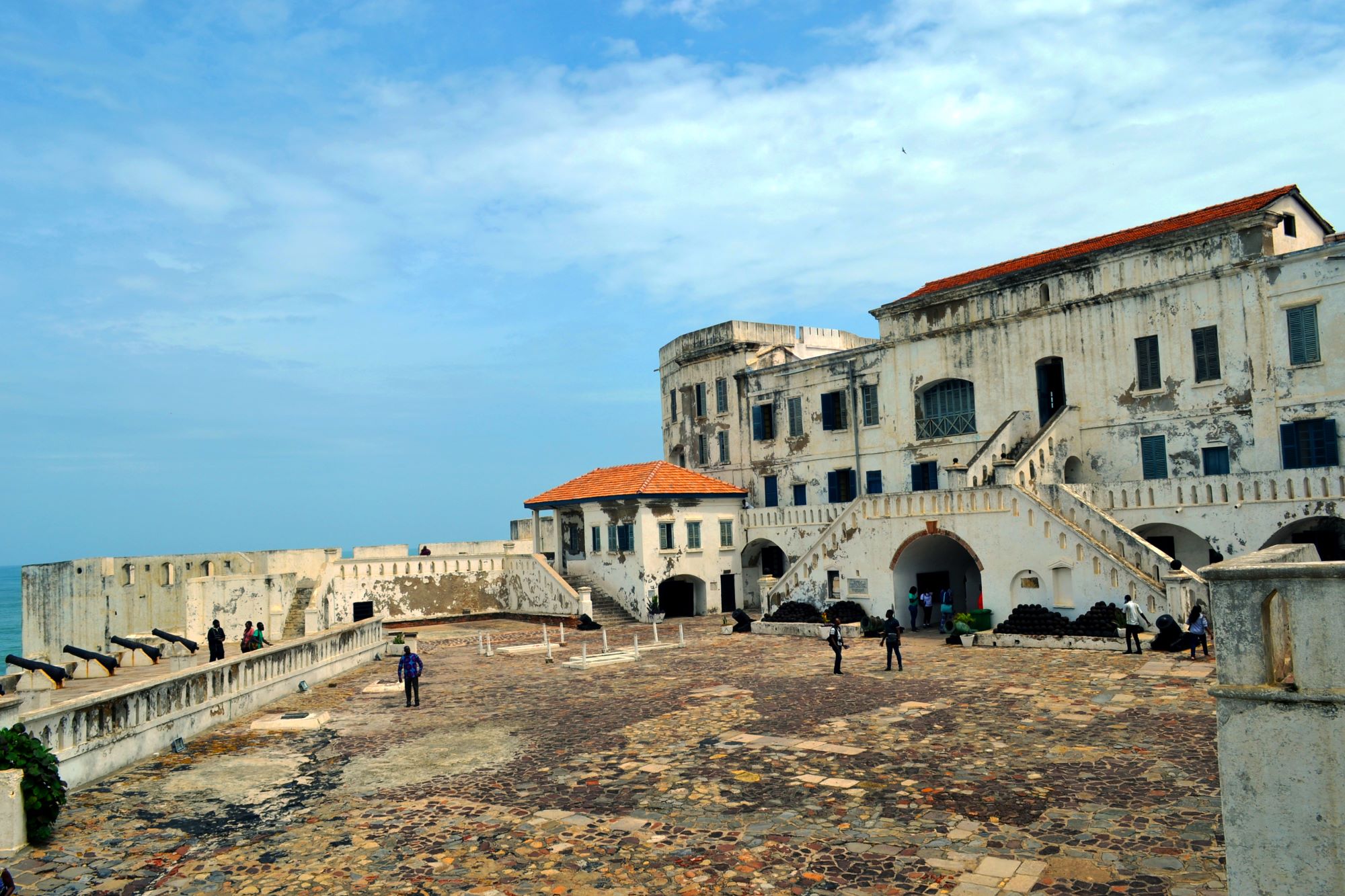
Of about forty slave castles, trading posts and forts built between 1482 and 1786 in the region formerly known as the Gold Coast, spanning a distance of approximately 500 km between Keta in the east and Beyin in the west, the biggest is the Cape Coast Castle. While most of them have totally crumbled, this Infamous Warehouse of Human Cargo has survived and stands today as one of the major tourist attractions in Ghana, West Africa.
The Portuguese were the first Europeans to visit the area known today as Cape Coast. They arrived in 1471 and named the area Cabo Corso (Short Cape). in 1482, led by Don Diego Azambuja, the Portuguese met with Nana Kwamena Ansah, the chief of the Edina tribe, a local fishing community in present-day Elmina, to obtain permission to built a permanent settlement and trading post.
Discovering a rich gold source, the settlement was named by the Portuguese, Da Mina (the mines) and was dedicated to São Jorge da Mina (St. George of the Mines). Initially, they primarily traded for gold and commodities like ivory, peppers and spices until they initiated the slave trade, eventually turning that trading post into what became known today as Elmina Castle, a major slave depot in the human trade.
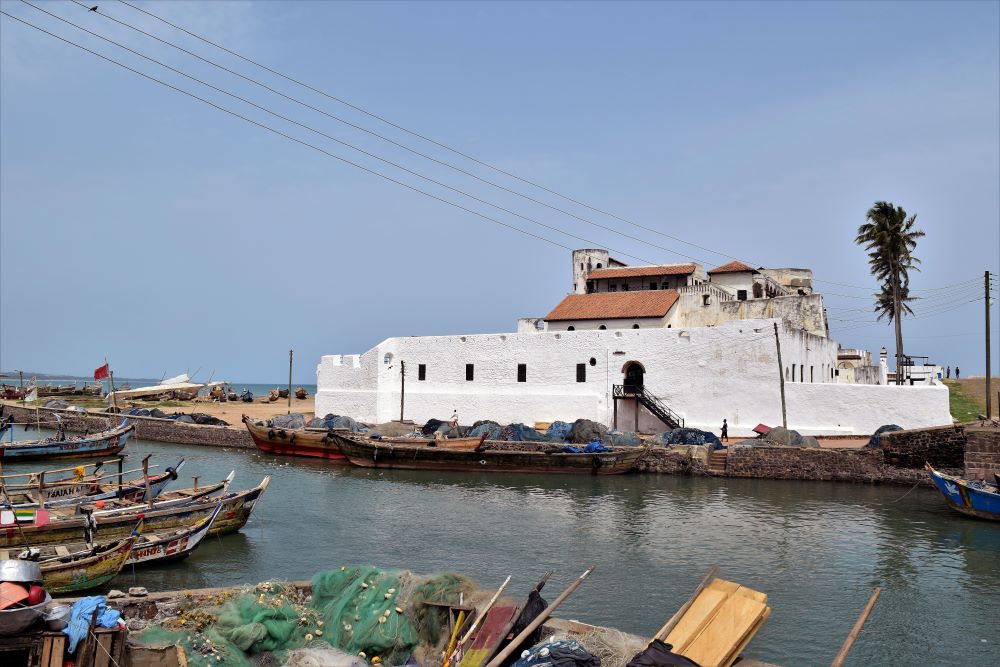
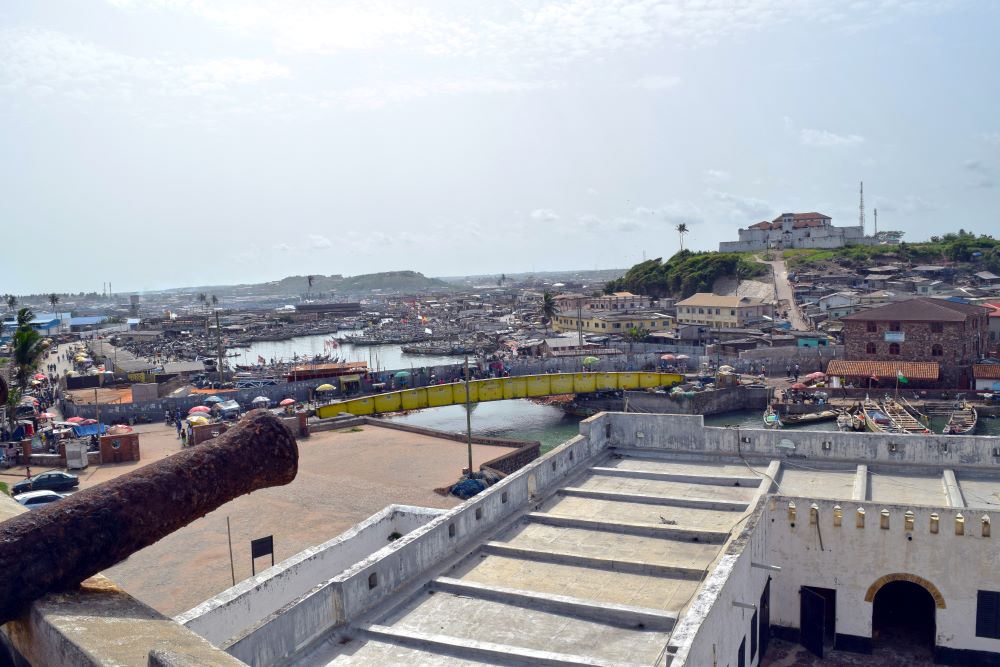
In 1555, the Portuguese built a trade lodge at the present site of the Cape Coast Castle, however it was the Swedes who constructed a permanent wooden structure for trade in timber and gold, and named it Fort Carolusborg in honor of King Charles X of Sweden in 1653. The Danes seized the fort in 1657 and it was reconstructed in stone before the Dutch got in on the act two years later.
The local Fetu chief prevented a Dutch takeover until his death in 1663, but within a year the British too were on the scene and after a 4-day battle led by Captain Robert Holmes, the British took over the fort, which they renamed Cape Coast Castle. It took the British took over 60 years of fortification in stages to transform the edifice into the impregnable bastion it became.
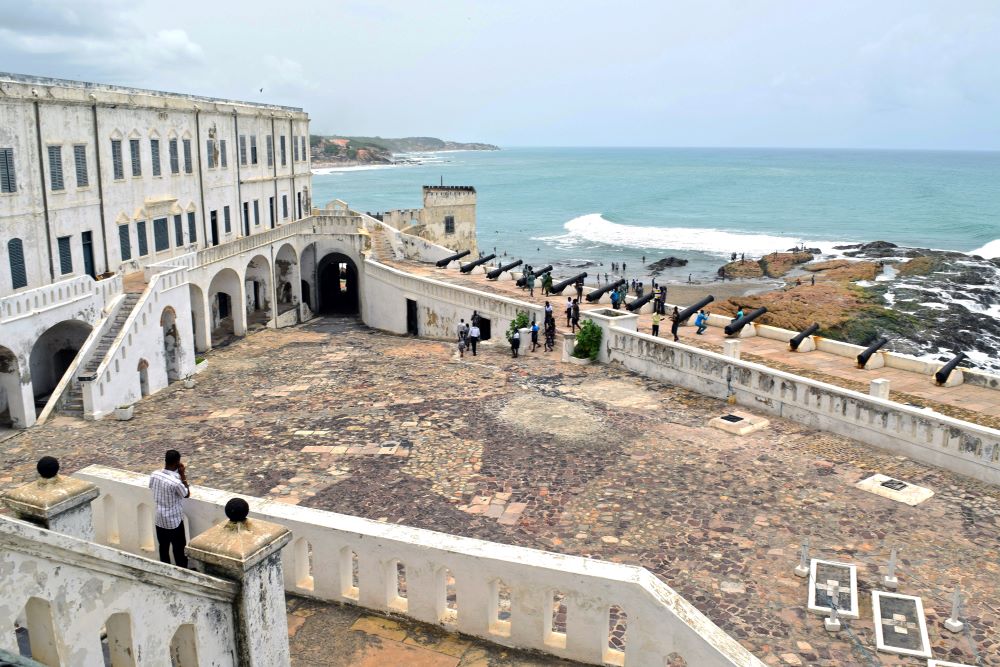
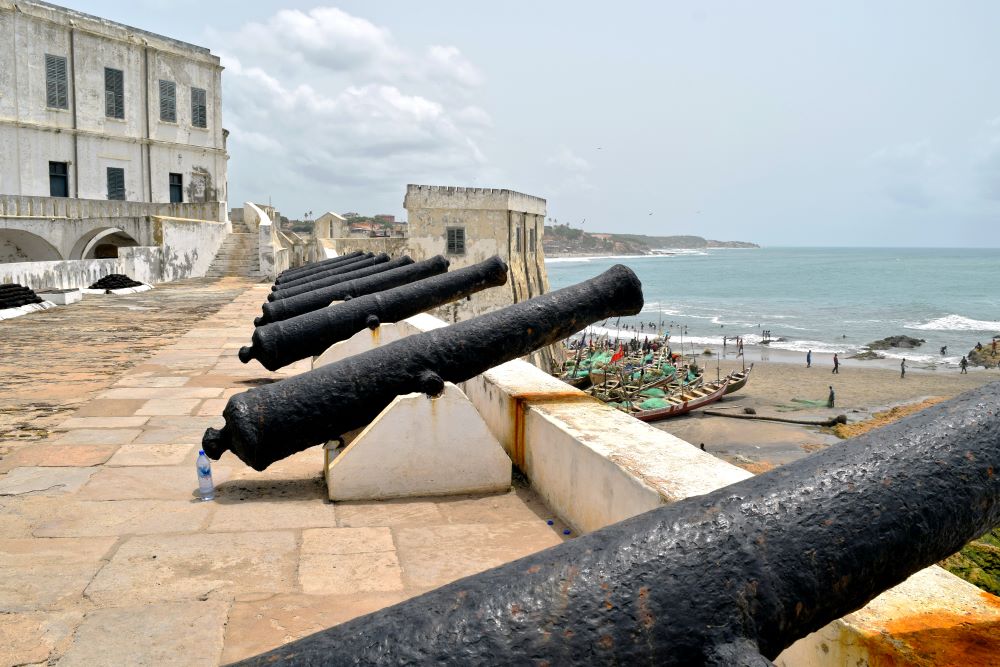
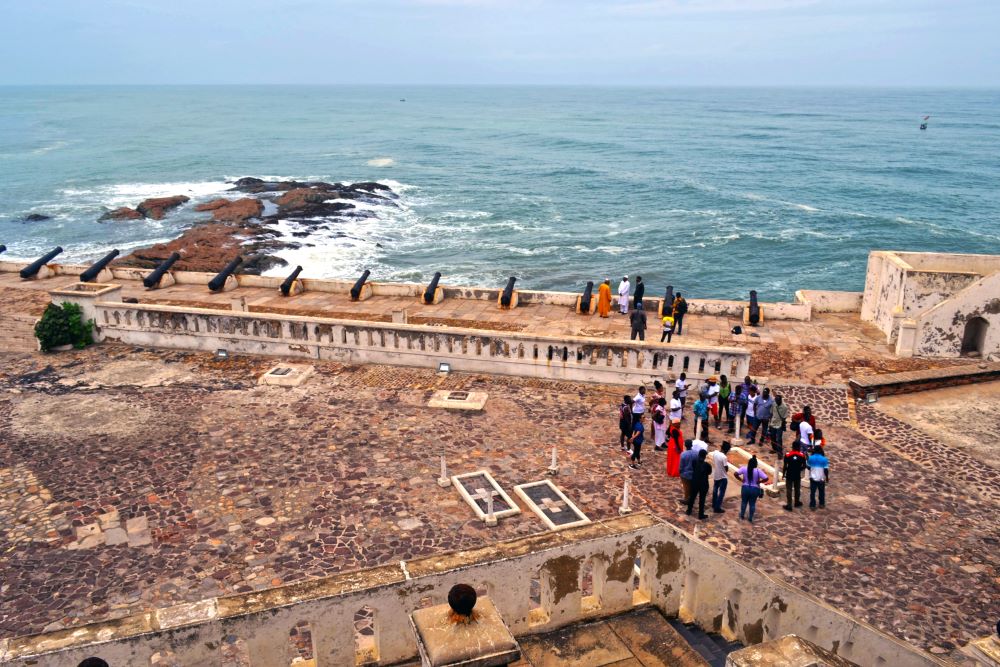
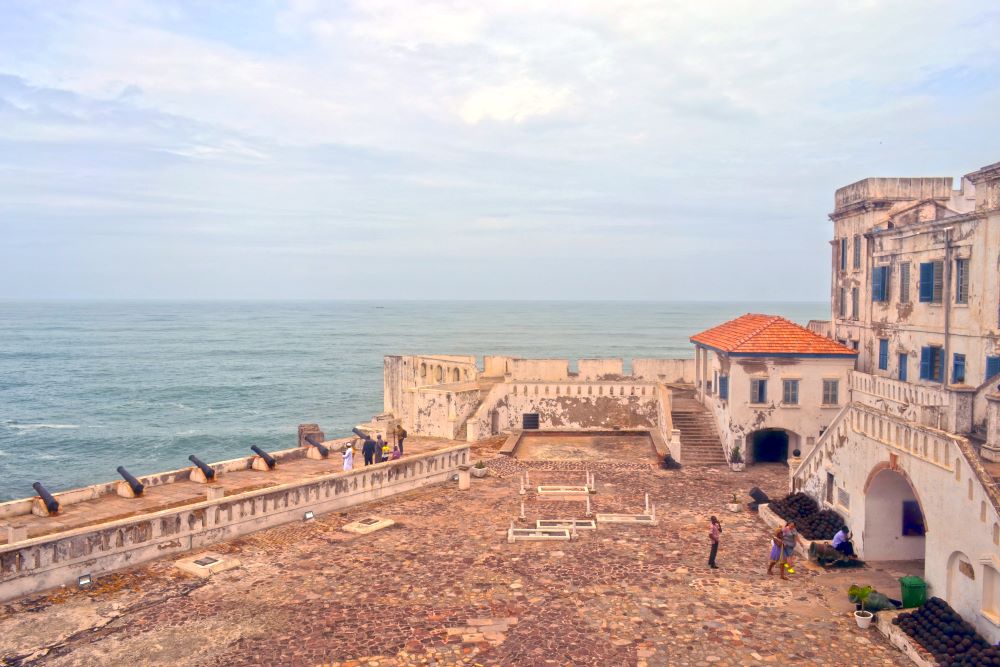
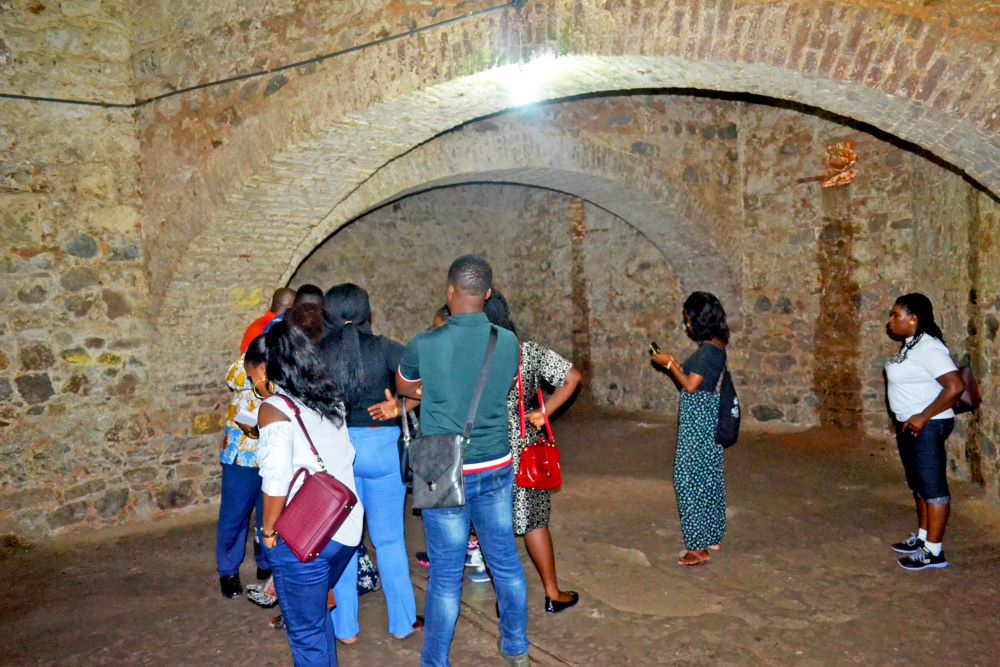
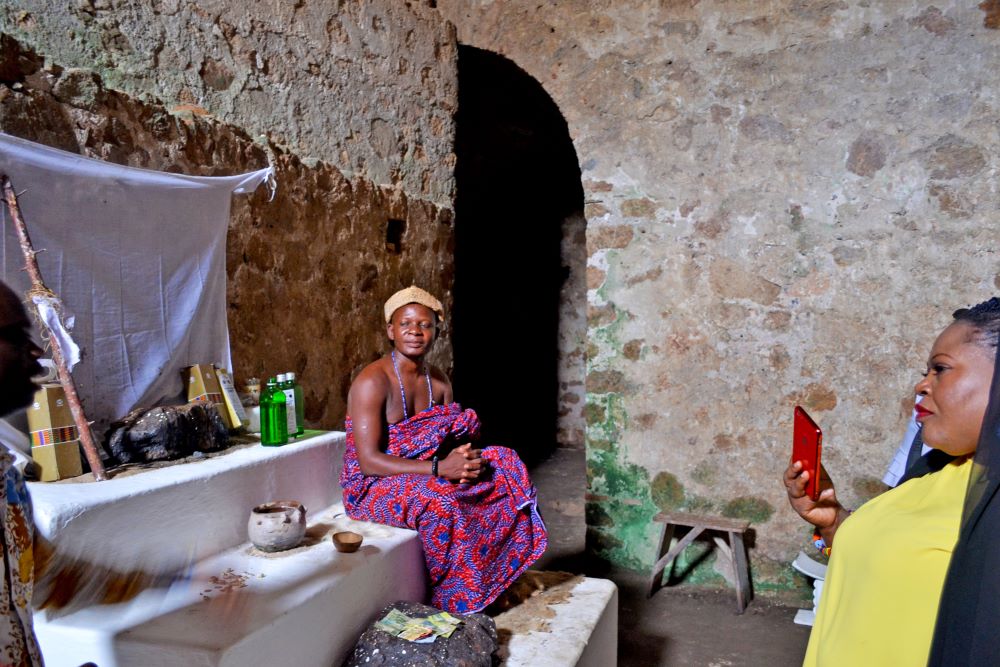
At the height of the slave trade, Cape Coast Castle was the biggest storehouse along the Atlantic Coast. Apart from the slave dungeons and cells, where captives from the “Slave Coast” – east of the Gold Coast all the way to present-day Nigeria – were kept before the journey across the Atlantic, it served as the headquarters of the British colonial government. Upstairs, there were spacious rooms for the governor as administrative offices, and living quarters. Often when the governor needed to ease off sexual tension – most of their wives couldn’t survive the terrain – or if a female slave caught his eye, she would be given a good scrub and brought upstairs to warm his bed. The castle also had a church and school.
During the Seven-Year War which peaked in 1757, the French bombarded the castle, leaving it badly damaged and this led to an entire reconstruction by the British with more durable materials after 1760.
Following the abolition of the slave trade in 1807, the castle functioned as trading post and residence of the British Governor. It remained under the control of the British government until 1957, following the independence of Ghana. In 1979, Cape Coast Castle was designated by UNESCO as a World Heritage Site a year after another slave building, Île de Gorée, Dakar became Africa’s first world heritage site.
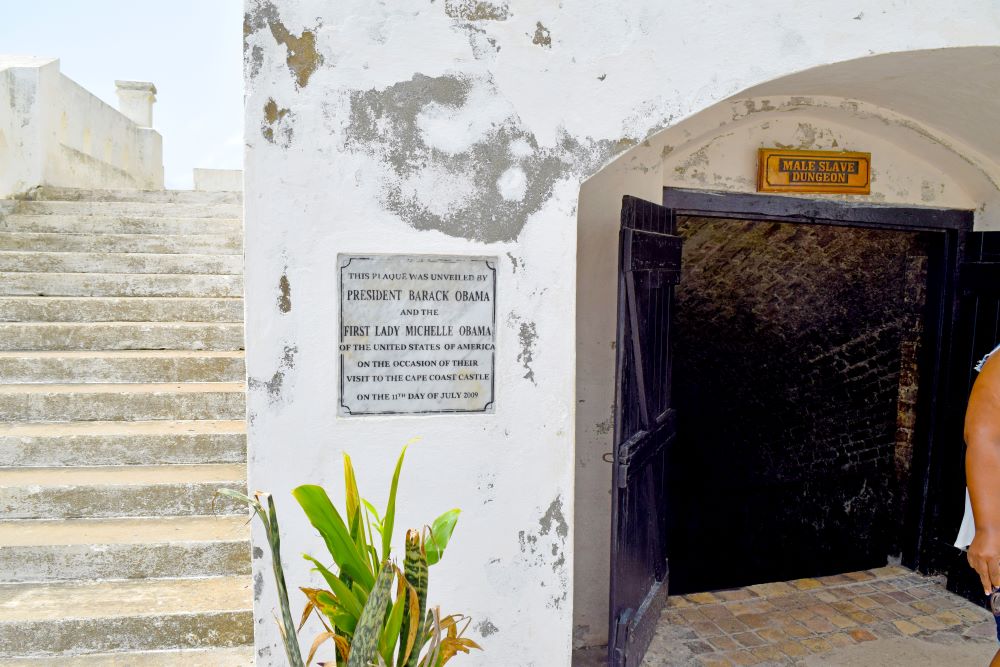
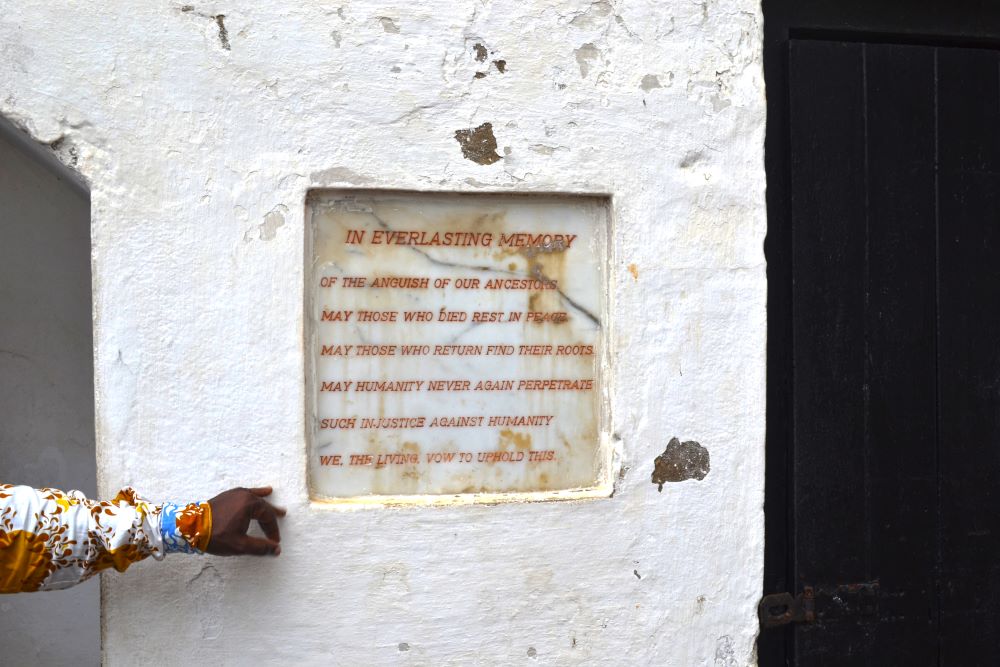
Several important dignitaries have visited the Cape Coast Castle. In 2009, the US President and his family paid a visit to the castle and unveiled a plaque on July 11, 2009. Many African-Americans and other Black celebrities visited Cape Coast castle in 2019 as part of the Year of Return, Ghana’s landmark commemoration of 400 years of the first slave ship to arrive the Americas from Africa. Notable among them are: Ghana’s own WWE superstar Kofi Kingston, Steve Harvey, T.I., Samuel L. Jackson, Ludacris, Danny Glover, Lupita Nyong’o, etc. This led to several African-Americans relocating to settle and open businesses in Ghana.
Postscript
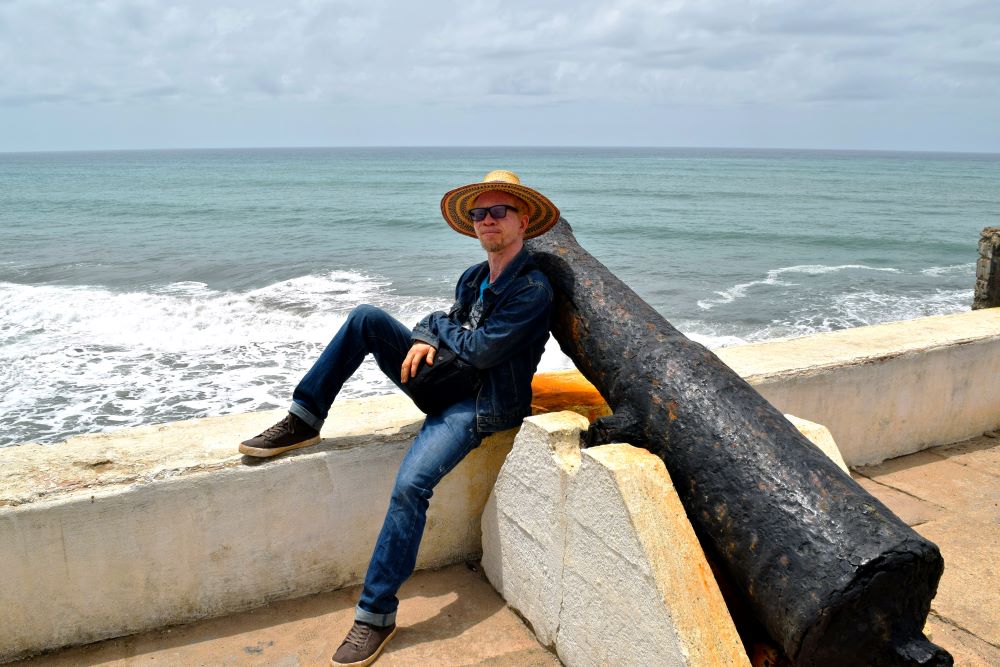
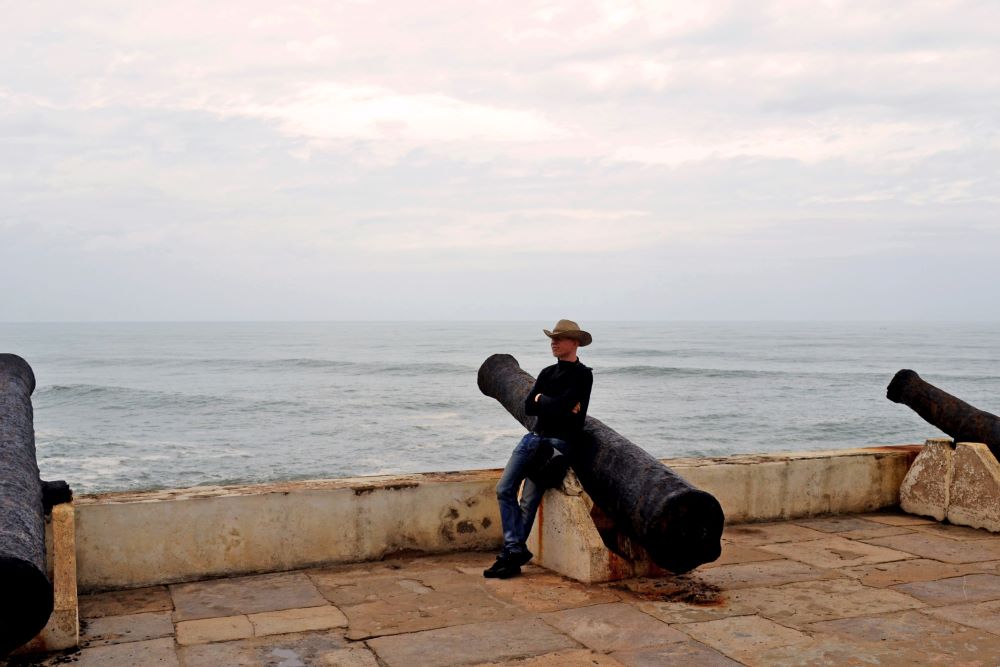
Sadly today, the Cape Coast Castle is fast disappearing like most of the slave castles in Ghana. According to reports, the area has been prone to coastal erosion and it has sped up in recent times, causing the gradual destruction of this historical edifice. Some parts of the castle, like the embarkment area I stood at have now been lost to the sea.