Cultural Tourism in Africa: A Gateway to Heritage and Diversity
Introduction
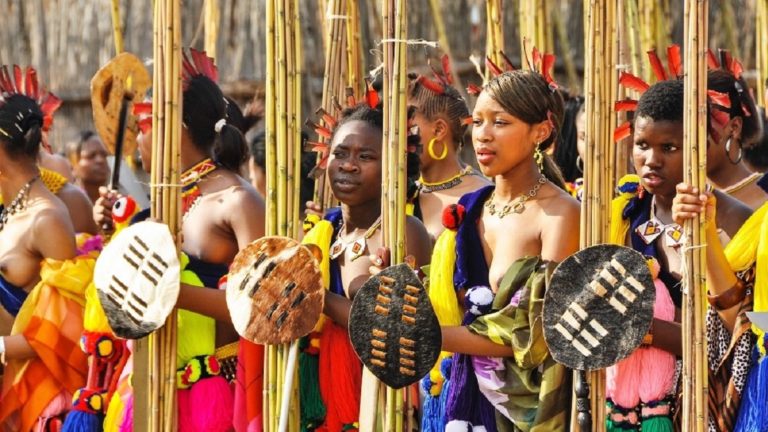
Cultural tourism in Africa is an enriching experience that allows travellers to explore the continent’s rich heritage, diverse traditions, and vibrant history. From ancient civilizations and UNESCO World Heritage Sites to dynamic festivals and traditional rituals, Africa offers an immersive cultural experience unlike any other. This form of tourism plays a crucial role in preserving heritage, fostering cross-cultural understanding, and contributing to economic development.
The Significance of Cultural Tourism in Africa
Cultural tourism is a vital aspect of Africa’s tourism industry, attracting millions of visitors eager to learn about its unique customs and practices. This form of tourism helps to:
- Preserve Heritage and Traditions: By showcasing local customs, languages, and crafts, cultural tourism helps safeguard traditions that might otherwise be lost to globalisation.
- Enhance Economic Growth: Cultural tourism generates employment opportunities, boosts local businesses, and contributes to national economies.
- Promote Cultural Exchange: Visitors engage with local communities, fostering appreciation and mutual respect for different ways of life.
- Support Sustainable Tourism: Unlike mass tourism, cultural tourism encourages responsible travel, benefiting both tourists and host communities.
Some Key Cultural Tourism Destinations in Africa
Africa is home to a wealth of cultural attractions that offer visitors a deep dive into its historical and traditional landscapes.
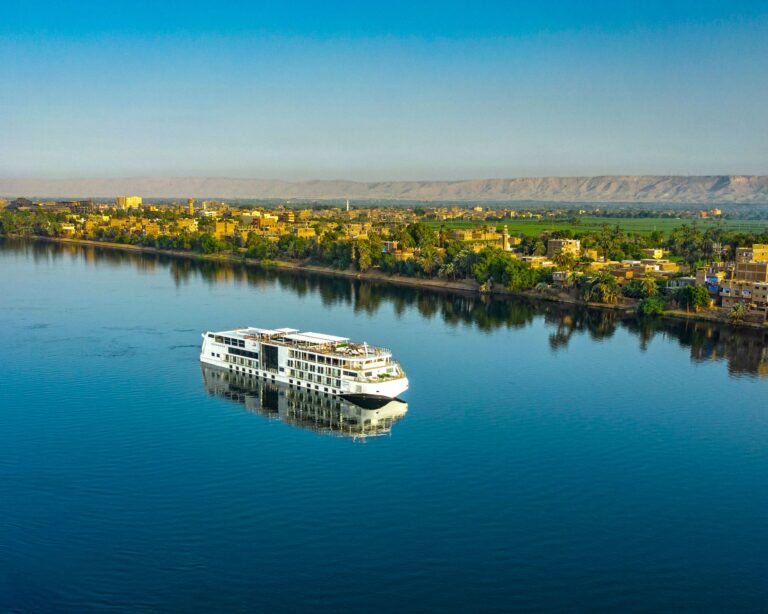
- Egypt: The Cradle of Civilization: Egypt stands out with its remarkable ancient history, featuring iconic landmarks such as the Pyramids of Giza, the Sphinx, and the temples of Luxor and Karnak. Visitors can explore the remnants of one of the world’s oldest civilizations, learning about the Pharaohs, Hieroglyphics, and ancient Egyptian rituals.
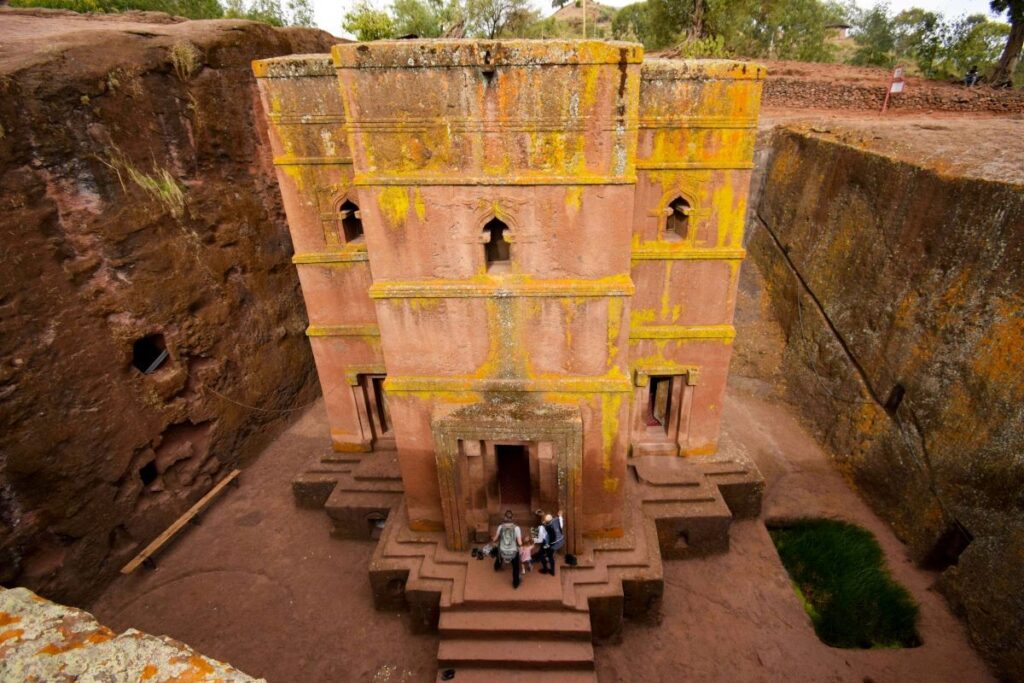
- Ethiopia: The Land of Ancient Kingdoms: Ethiopia, often referred to as the birthplace of humanity, is rich in cultural heritage. The rock-hewn churches of Lalibela, the ancient city of Aksum, and the annual Timkat Festival are major attractions that draw cultural enthusiasts from around the globe.
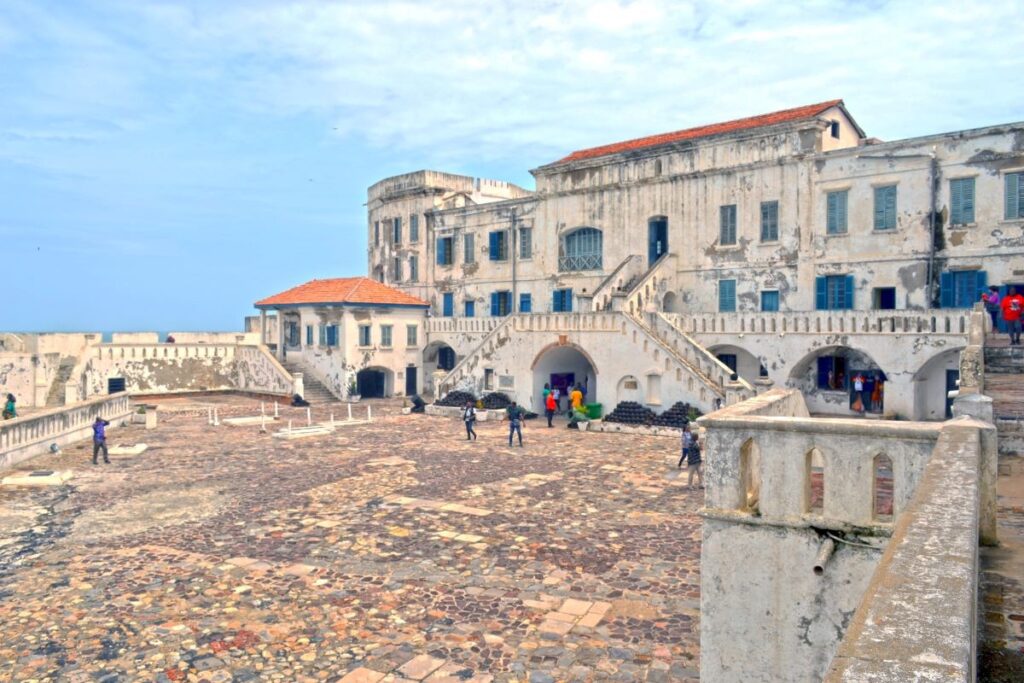
- Ghana: The Heart of Pan-Africanism: Ghana is known for its deep historical significance in the transatlantic slave trade. Sites like Cape Coast Castle and Elmina Castle serve as poignant reminders of Africa’s history. Festivals such as Homowo and the vibrant Ashanti traditions also make Ghana a cultural hotspot.
- Morocco: A Blend of Arab, Berber, and European Influences: With its bustling souks, intricate Moorish architecture, and historic medinas, Morocco offers a cultural feast for visitors. Cities like Marrakech, Fes, and Chefchaouen are filled with unique artistic expressions, traditional crafts, and centuries-old traditions.
- South Africa: A Fusion of Cultures: South Africa’s cultural tourism scene is diverse, from the heritage of the Zulu and Xhosa people to the history of apartheid at sites like Robben Island. The Cape Malay culture in Cape Town and the traditional villages in KwaZulu-Natal offer rich experiences for travelers.
- Nigeria: A Land of Festivals and Heritage: Nigeria is renowned for its diverse ethnic groups, each with its own traditions and festivals. The Osun-Osogbo Sacred Grove, the Argungu Fishing Festival, and the Benin bronzes reflect the country’s deep cultural history.
- Kenya and Tanzania: The Maasai Culture: The Maasai people, known for their distinctive customs and colourful attire, offer tourists a glimpse into their way of life through cultural village tours. The Great Migration in the Serengeti also blends nature with cultural storytelling.

Challenges Facing Cultural Tourism in Africa
Despite its potential, cultural tourism in Africa faces several challenges:
- Infrastructure and Accessibility Issues: Many cultural sites lack proper infrastructure, making access difficult for tourists.
- Lack of Promotion and Marketing: Limited international exposure reduces awareness of Africa’s rich cultural tourism offerings.
- Threats to Heritage Sites: Urbanisation, climate change, and inadequate conservation efforts threaten some of Africa’s most important cultural landmarks.
- Political Instability and Security Concerns: Some regions especially experience instability, deterring potential tourists.
Strategies for Enhancing Cultural Tourism in Africa
To maximise the benefits of cultural tourism, governments, private sectors, academia and communities must work together to:
- Improve Infrastructure: Invest in roads, transportation, and accommodation near cultural sites.
- Strengthen Conservation Efforts: Protect and maintain historical and cultural landmarks.
- Promote Digital Marketing: Utilize social media and digital platforms to showcase Africa’s cultural wealth to the world.
- Encourage Community Involvement: Empower local communities to participate in and benefit from cultural tourism.
- Ensure Safety and Security: Implement measures to create a safe and welcoming environment for tourists.
Conclusion
Cultural tourism in Africa is a powerful tool for preserving history, fostering unity, and driving economic growth. By embracing and promoting its diverse cultures, Africa can position itself as a global cultural tourism powerhouse, offering visitors unforgettable experiences that celebrate the continent’s rich heritage. With proper investment, strategic planning, and community involvement, cultural tourism can thrive and contribute to a sustainable future for Africa and its people.
“Cultural Tourism in Africa…” was written by Emmanuel Frimpong for More Cream Than Coffee and was first published in Travels & Thrills magazine Vol. 1, Issue 2 (April 2025)