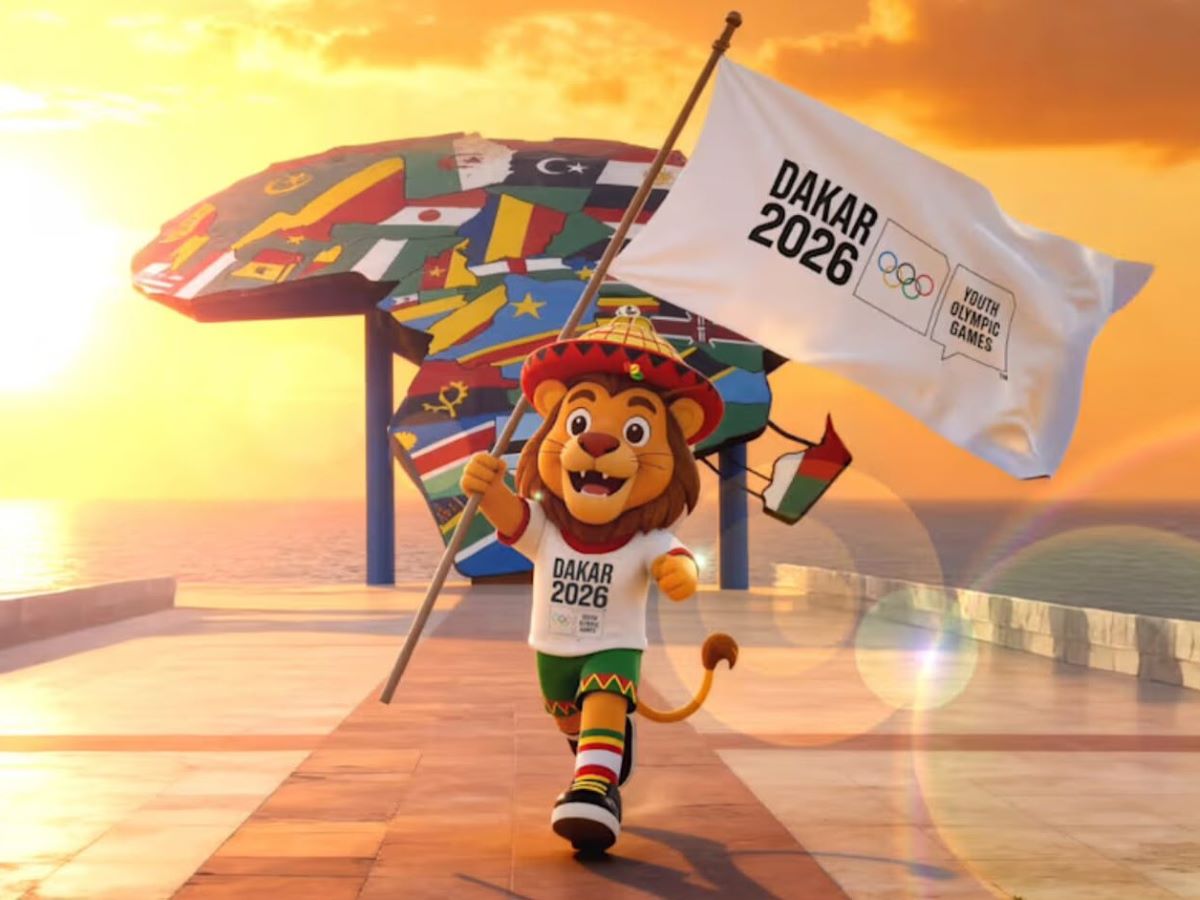
Dakar 2026: How Youth Olympics Can Transform Senegal’s Global Tourism Landscape
As the first Youth Olympic Games on African soil ignite in Senegal, the real victory lies beyond the medals. With performances by Baaba Maal, coastal venues in Saly, and historic sites like Gorée Island, Dakar 2026 offers a blueprint for converting sporting spectacle into sustainable cultural tourism—but only if the legacy is inclusive, intentional, and enduring.
On 31 October 2026, the Stade Abdoulaye Wade in Diamniadio became the centre of an extraordinary moment: the opening of the Dakar 2026 Youth Olympic Games, the first Olympic event ever hosted on African soil. But beyond the athletes, the national delegations, and the sporting competitions, a different story was unfolding. Senegal was using the global stage to introduce itself not just as a host of sport, but as a destination for tourism, culture, history, and international experience.
The opening ceremony offered a glimpse of what lies beyond the sporting arena. More than 1,100 performers brought together traditional dance, percussion, contemporary music, and visual arts. Nearly 1,500 costumes were produced locally, employing approximately 100 craftspeople and creative professionals. The night featured performances by Senegalese icons Baaba Maal, Kiné Lam, and Daara J Family, alongside Nigerian spoken-word artist IB Quake and Gambian kora master Sona Jobarteh. Through these collaborations, Senegal presented a cultural narrative that extended far beyond its national boundaries.
The message was clear: a major sporting event can serve as a powerful platform for destination branding, creating tourism opportunities that extend well beyond the competition schedule.
A Sporting Event with a Tourism Dimension
The Youth Olympic Games are designed to unite young athletes through sport, education, and cultural exchange. Dakar 2026 is hosting approximately 2,650 athletes from 204 National Olympic Committees, alongside the Youth Refugee Olympic Team. The programme features 25 competition sports and 10 engagement events, distributed across Dakar, Diamniadio, and Saly.
This geographical spread is vital from a tourism perspective. Rather than concentrating the Games within a single stadium or city, the event connects multiple locations, exposing visitors to diverse environments and communities. Dakar offers an urban and cultural experience; Diamniadio, 30 kilometres east of the capital, showcases Senegal’s modern development ambitions; and Saly, a coastal destination 80 kilometres south, highlights the country’s beach and leisure potential.
This arrangement allows Senegal to be seen as a destination with varied offerings rather than a single-attraction country. For international visitors, the competition venues can become gateways to wider exploration.
Turning Sporting Visitors into Cultural Tourists
One of the most valuable opportunities Dakar 2026 presents is the potential to convert sports-related travel into cultural tourism. Visitors to international sporting events often seek experiences beyond the competitions—local cuisine, historical landmarks, traditional markets, music, and the everyday rhythm of the host community. Senegal’s cultural heritage is rich in these resources, from traditional wrestling and craftsmanship to religious architecture and distinctive culinary traditions.
A visitor arriving to watch athletics may well find themselves exploring Gorée Island, a UNESCO World Heritage Site. Its architecture and memorial sites preserve the memory of the transatlantic slave trade, offering a profound space for reflection on African history, enslavement, and human dignity.
The challenge for destination managers is to connect these attractions to the sporting experience through effective visitor information, curated tour packages, transport links, and partnerships with local tourism businesses. An event can generate interest; the quality of the wider visitor experience determines whether that interest becomes future travel.
The Economic Pulse of Local Tourism
Major international events stimulate economic activity through visitor expenditure. Hotels, restaurants, transport operators, tour guides, craft sellers, and entertainment businesses all stand to benefit. For Senegal, Dakar 2026 offers a chance to strengthen these sectors while giving smaller enterprises greater visibility.
The locally produced costumes for the opening ceremony are a telling example. The involvement of 100 craftspeople and creative professionals demonstrates how a sporting event can create opportunities beyond conventional sports administration. Tailors, designers, and textile workers became part of an international spectacle, linking sport with the creative economy.
Tourism development should not be measured only by hotel occupancy or airport arrivals, but by the extent to which local communities participate in the visitor economy. Community-based tour operators, traditional food vendors, artisans, and cultural performers all contribute to the destination experience. Economic benefits become meaningful when local businesses can participate in supply chains and retain a fair share of the revenue.
However, increased visitor numbers do not automatically guarantee prosperity for every community. Accommodation costs, transport accessibility, and the distribution of event contracts all influence who benefits. The tourism legacy of Dakar 2026 will depend on whether opportunities extend beyond major contractors and established hospitality giants to reach the grassroots level.
Infrastructure and the Question of Legacy
Hosting an international sporting event demands significant coordination. Transportation, accommodation, public spaces, security, and visitor services must work in concert. Dakar 2026 has also served as a catalyst for improving existing facilities.
According to the International Olympic Committee, organisers prioritised the use of existing venues, refurbishing only where necessary. The Youth Olympic Village is located on a university campus serving as student accommodation, while Saly Beach West operates as a temporary competition venue. The Stade Iba Mar Diop in Dakar is undergoing renovation, including the development of the “Leather House,” intended to provide workspace for craftspeople.
This approach connects event infrastructure with community needs, but it raises critical questions about the future. Will renovated facilities remain accessible to local sporting organisations? Will accommodation infrastructure continue serving students? Will improvements to transport and public spaces support residents as well as future visitors?
The strongest tourism legacy is not the construction of impressive new facilities, but the creation of services that remain useful long after the international event has ended.
Saly and the Coastal Opportunity
The inclusion of Saly in the Games programme adds another dimension to Senegal’s tourism profile. Situated along the Petite Côte, Saly is already associated with beach tourism and coastal leisure. Hosting beach handball, volleyball, wrestling, rowing, sailing, and triathlon introduces international visitors to Senegal’s coastal environment.
Coastal tourism is a significant part of the country’s offering. Visitors who experience sporting activities at Saly may wish to extend their stay for leisure, exploring nearby communities and other coastal attractions.
Yet, coastal tourism development must be environmentally sustainable. Beach ecosystems, marine resources, waste management, and coastal erosion require careful attention. Tourism growth should not undermine the natural environment that attracts visitors in the first place. Dakar 2026 offers a chance to promote a model that connects recreation, environmental awareness, and responsible destination management.
The Power of Destination Marketing
Perhaps the most significant benefit of Dakar 2026 is the international visibility it provides Senegal. The Games have brought together delegations, journalists, broadcasters, and visitors from across the world. Images of Senegalese performers, traditional costumes, coastal venues, and urban landscapes are reaching global audiences through media coverage and digital platforms.
Such exposure can influence travel decisions, particularly among those who may know Senegal only for its sporting achievements or historical associations. However, visibility alone does not guarantee tourism growth. The country must translate attention into accessible travel information, destination campaigns, competitive tourism products, and positive visitor experiences.
Digital marketing can play a key role. Short-form videos, destination storytelling, interactive heritage guides, and partnerships with travel content creators can help sustain interest beyond the Games. Crucially, the marketing message must extend beyond Dakar, introducing visitors to Senegal’s wider geographical and cultural diversity. The goal should be to encourage repeat visits and longer stays rather than one-time attendance.
Building a Sustainable Legacy
While the opportunities are significant, the success of Dakar 2026 must be assessed within its economic and social context. International sporting events involve substantial expenditure. Concerns among some Senegalese residents about the cost of living, public spending, and the distribution of benefits have been reported. These concerns are important: a successful event should contribute positively to the everyday lives of the host community.
Tourism development must be inclusive. Benefits should be visible in improved public services, stronger local enterprises, better infrastructure, skills development, and opportunities for young people. There is also a need to measure longer-term impact through indicators such as visitor arrivals, average length of stay, tourism expenditure, local employment, and repeat visitation. Without such assessment, it is difficult to distinguish between temporary event spending and lasting development.
Beyond 13 November: What Happens Next?
The Dakar 2026 Youth Olympic Games will conclude on 13 November, but the real test of their tourism legacy will begin thereafter. Senegal has an opportunity to build on the international attention generated by the event and strengthen its position within Africa’s tourism market. This could involve developing sports tourism packages, expanding cultural heritage tours, supporting local creative industries, and promoting regional tourism circuits. It could also mean strengthening cooperation between tourism authorities, sporting institutions, hospitality businesses, and local communities.
For other African countries, Senegal’s experience offers a lesson in how international sporting events can be connected to national tourism strategies. The takeaway is not simply that hosting a major event attracts visitors, but that sport, culture, infrastructure, and destination identity can work together to create opportunities for wider economic and social development.
Dakar 2026 has already introduced Senegal to the world through a remarkable celebration of sport and culture. The next task is to ensure that the attention generated by the Games does not fade when the Olympic flame is extinguished. Senegal’s tourism story must continue through its communities, landscapes, heritage sites, hospitality, and creative industries.
Ultimately, the greatest success of Dakar 2026 may not be measured only by the medals awarded or the number of attendees. It may be measured by how many people leave with a desire to return, how many local businesses gain lasting opportunities, and how effectively the country transforms an extraordinary sporting moment into a sustainable tourism future.