Historic Translocation of 24 White Rhino to Garamba National Park, DR Congo
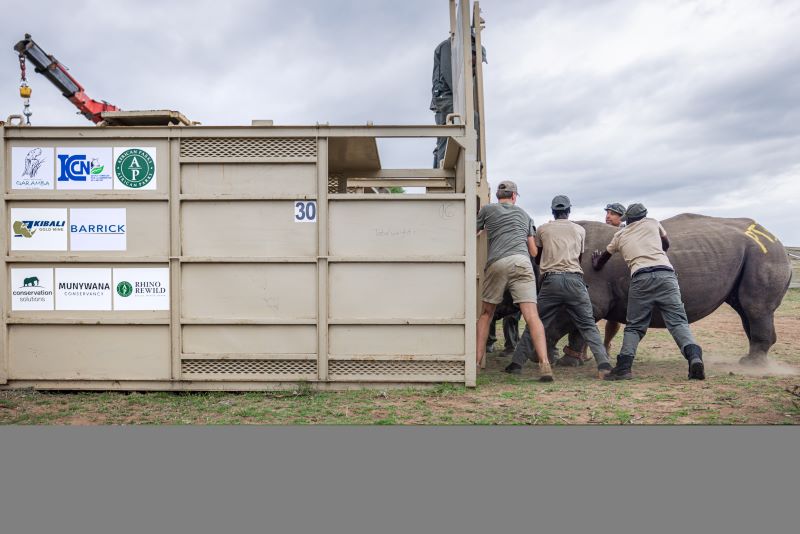
Twenty-four (24) southern white rhino, in a significant demonstration of conservation collaboration, have been translocated to Garamba National Park in the Democratic Republic of the Congo (DRC) from South Africa. This marks an important step in restoring Garamba’s ecological integrity and its contribution towards securing a future for this iconic species in Central Africa. The translocation, according to a press release, forms part of African Parks’ Rhino Rewild initiative, an ambitious effort to rewild over 2,000 rhinos into safe, well-managed protected areas across the continent.
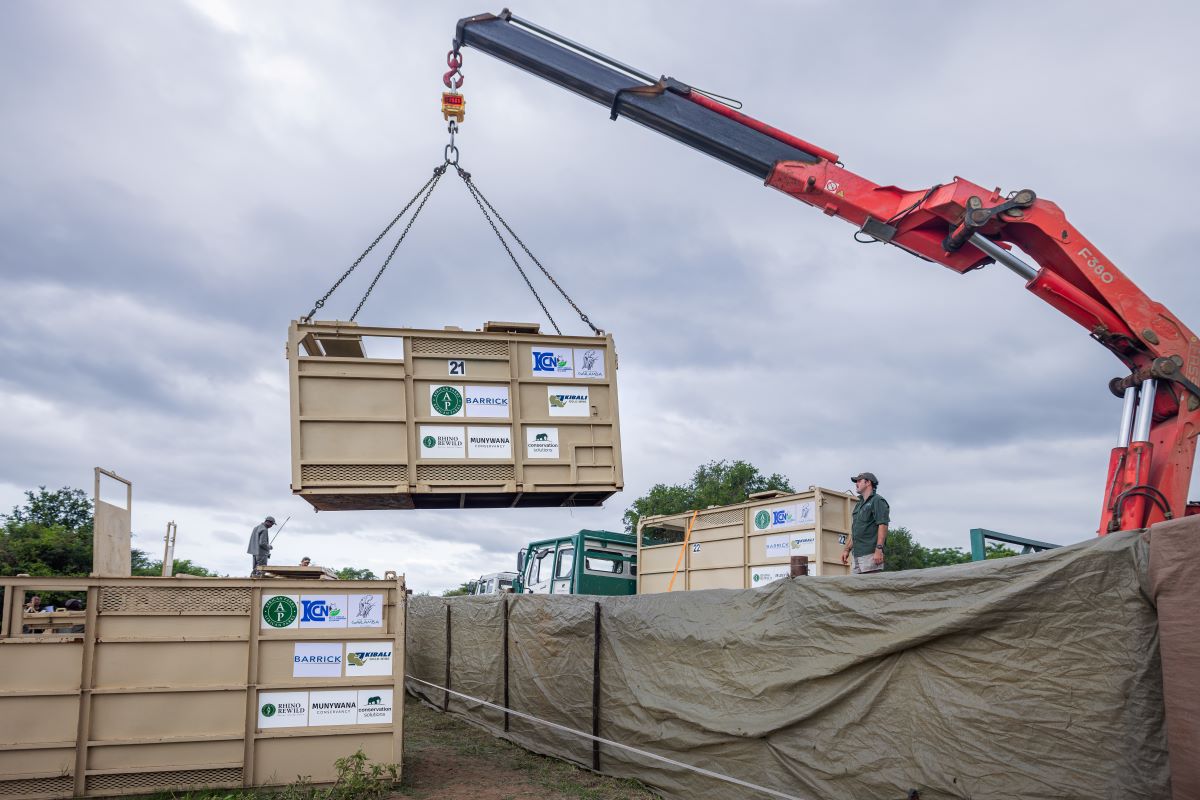
Translocations are highly intricate and complex operations that demand thorough risk assessments and feasibility studies prior to implementation. The multi-stage operation required months of meticulous planning and coordination among veterinarians, wildlife specialists, logistics teams, and security personnel. Every aspect, from animal welfare to flight logistics, was managed to ensure the rhinos’ safety throughout their journey. While the rhino arrived in Garamba safely, the work doesn’t stop here and the next few months of monitoring will be especially critical to ensure they adapt to their new environment.
This complex undertaking was made possible through the partnership of the Institut Congolais pour la Conservation de la Nature (ICCN), African Parks, the Munywana Conservancy, and funding partners Barrick Gold Corporation and Kibali Gold Mine, with long-standing support from local communities and conservation experts.
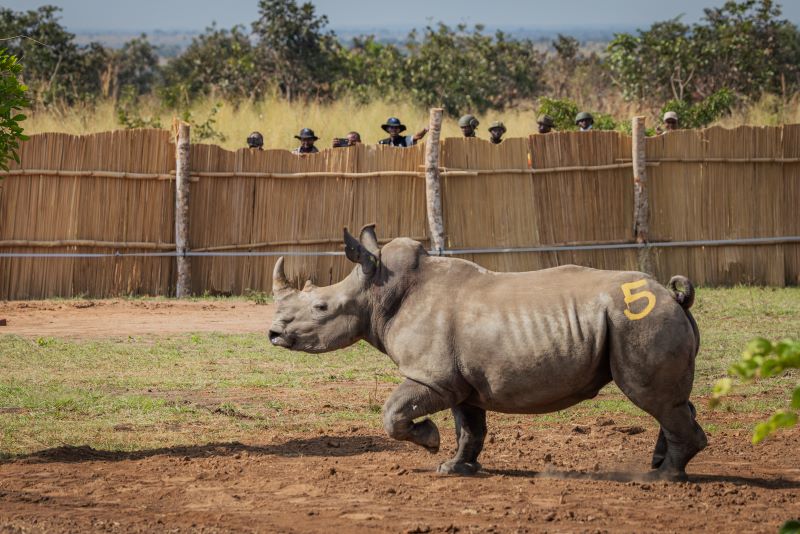
This translocation builds on a previous translocation in 2023, which saw white rhino return to Garamba after two decades of absence from the DRC. It further strengthens the park’s role as a stronghold for white rhino in central Africa, with the creation of a genetically viable breeding population.
To help the rhinos better adapt to their new environment, they were first relocated within South Africa from the Rhino Rewild site to the Munywana Conservancy where they spent several months. During this initial rewilding phase, the rhino were exposed to naturally occurring diseases such as trypanosomiasis and to climatic conditions similar to those found in Garamba.
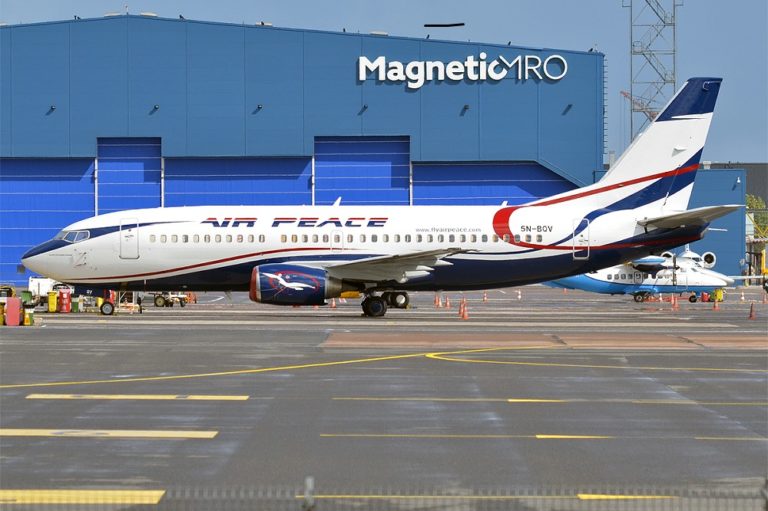
Their carefully orchestrated journey unfolded in three stages: first, road transport from the Munywana Conservancy to O.R Tambo International Airport in South Africa; second, a Boeing 747 flight to Entebbe, Uganda, followed by a second air transfer in a C-130 aircraft bound for Garamba National Park in the DRC; and finally, road transport to their release site. Professional teams will continue to monitor the rhino closely to ensure their adaptation to their new environment and manage any stress associated with the move.
Garamba National Park, managed in partnership between the ICCN and African Parks, offers an abundance of suitable habitat for white rhino. The park benefits from strong government support, effective management, robust security and meaningful community collaboration and support. While Garamba is a challenging environment, this powerful combination helps create conditions that support the long-term wellbeing of these animals. The founder population is growing, reinforcing confidence that we are on the right track to securing the species’ long-term future in Garamba and potentially across the region.
We would like to thank the Rob Walton Foundation and the Pershing Square Foundation for their role as the founder funders of the Rhino Rewild Initiative, and we gratefully acknowledge the European Union, whose support for Garamba National Park has been instrumental in creating a safe, well-managed protected area for rhino to thrive. We would also like to thank all the state institutions that participated in the implementation of this programme.
Yves Milan Ngangay, Director General of ICCN: “The addition of 24 more rhinos to bolster the Garamba population demonstrates the DRC’s commitment to biodiversity conservation. This initiative reinforces the vision of His Excellency Félix-Antoine TSHISEKEDI TSHILOMBO, Head of State, for Congolese biodiversity, but also our ideal as a trustee, which is to make Garamba a site of global importance for white rhinos.”
Barrick Gold Corporation: “Through Kibali, Africa’s largest and greenest gold mine, Barrick is proud to support the reintroduction of southern white rhinos to Garamba National Park. This project reflects our long-standing commitment to biodiversity and the power of collaboration to protect one of Africa’s most important ecosystems.”
Munywana Conservancy: “Creating new habitats for rhinos is essential for their survival. We are honoured to be a part of this continental effort, and to play a role in this translocation and remain committed to our ongoing support of the Rhino Rewild initiative.”
Peter Fearnhead, CEO of African Parks: “This translocation is the result of extraordinary collaboration. Moving 24 rhino across international borders is a monumental undertaking that requires months of hard work, detailed planning and specialised expertise. We are immensely grateful for the unwavering commitment from every partner involved in making this moment a reality. While risks remain, the safe arrival of all animals gives each rhino a real chance to survive and thrive.
The coming months of intensive monitoring will be crucial to ensuring their successful adaptation to their new home in Garamba. We are proud to help establish a new stronghold for rhino in Central Africa, making a meaningful contribution to the conservation of the Democratic Republic of the Congo’s remarkable biodiversity. We acknowledge the dedication and vision of ICCN in championing conservation in the DRC and deeply value their steadfast partnership throughout this process.”