Inyama Yangaphakathi: Flavour Lives on the Inside
The year is 1999. In the rural outskirts of southern KwaZulu-Natal lies a small village called Umbumbulu. It is mid-winter, late June, and eight-year-old me is feeling all giddy inside because today mom is cooking my favourite meal, inyama yangaphakathi.
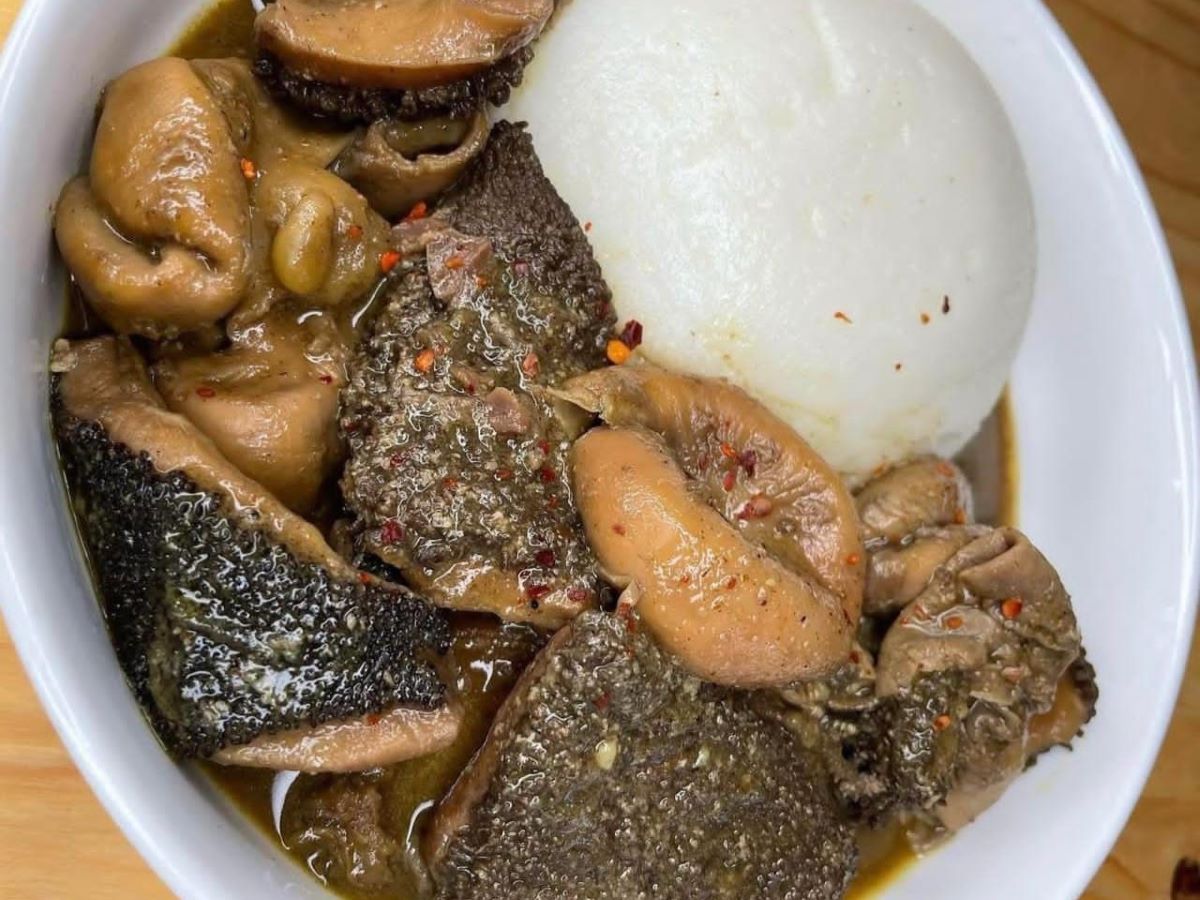
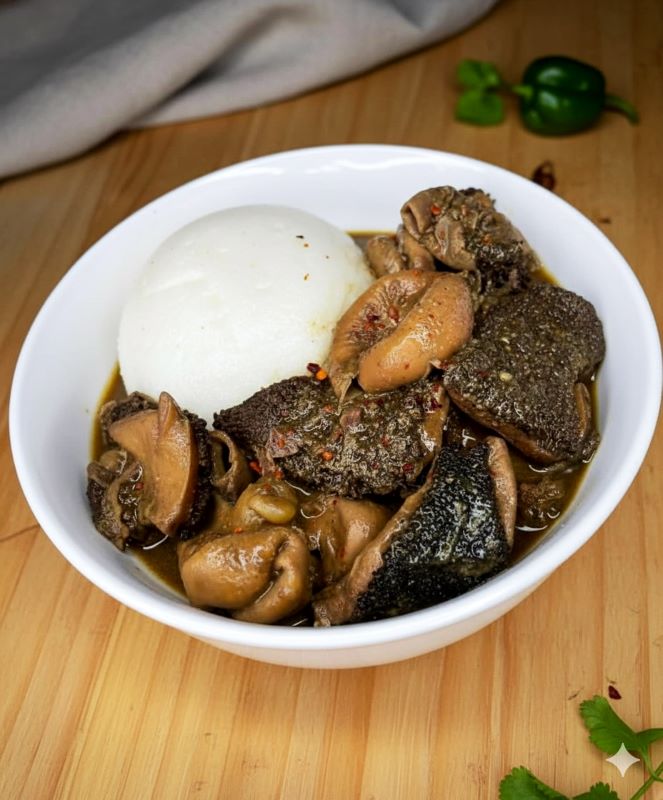
Inyama yangaphakathi is a Zulu term referring to insides or offal, which are edible organs of an animal. These include parts such as tripe, intestines, and liver. This meal has significant historical, cultural, and nutritional value within Zulu tradition.
Traditional Diet
So back in the day, owning cattle was a symbol of wealth, and meat was consumed mainly during traditional ceremonies, social rituals, and even funerals.
Preparation and Cooking
Standing right by the tap outside our home, I watch religiously as my mom washes the intestines and lets the water run through them, carefully cleaning out cow dung from inside. In my recent years as a young wife, I’ve also had the stinky pleasure of washing the intestines myself during cultural gatherings.
This is cooked over an open fire until it is nice and tender, often paired with uJeqe (steamed bread) or uphuthu (mealie meal).
A word of advice though: too much of the “black meat”, as it’s sometimes called, will have you making frequent visits to the office (lavatory).
Spoiler alert: dreaming about eating or seeing inyama yangaphakathi can sometimes signify spiritual attacks, impending illness, or even death in some traditional beliefs.
Back to the eight-year-old me sitting by the fire with my brothers — we would excitedly wait for the meat to cook and then scoop the soup, add ground chillies from the garden, and drink it. Now, when I cook this meal for my kids, I find myself gushed with the same excitement, still scooping that soup — a memory that tastes like home.
Modern Symbolism
This is a dish that doesn’t try too hard. It’s where comfort, culture, and flavour meet. While it was traditionally cooked for hours, modern technology paired with Eastern flavours has introduced pressure cookers and colourful seasonings. Still, the foodgasm is proof that the best things come from the inside.
Cultural Significance and Allocation
Consumption of inyama yangaphakathi during King Shaka’s reign (roughly between 1787 and 1828) was highly structured. Elite parts like the head (inhloko) and liver (isibindi) were highly prized and believed to symbolise courage. These were often served medium-rare to warriors or men of high status. Tripe (usu), on the other hand, was generally considered suitable for women.
Inyama yangaphakathi remains a popular, comforting, and nutritious meal. For me, it’s more than just my favourite dish — it’s my favourite childhood memory.
This article was first published in Travels & Thrills magazine Vol 2: Issue 1 (Valentine’s Edition) in February 2026.