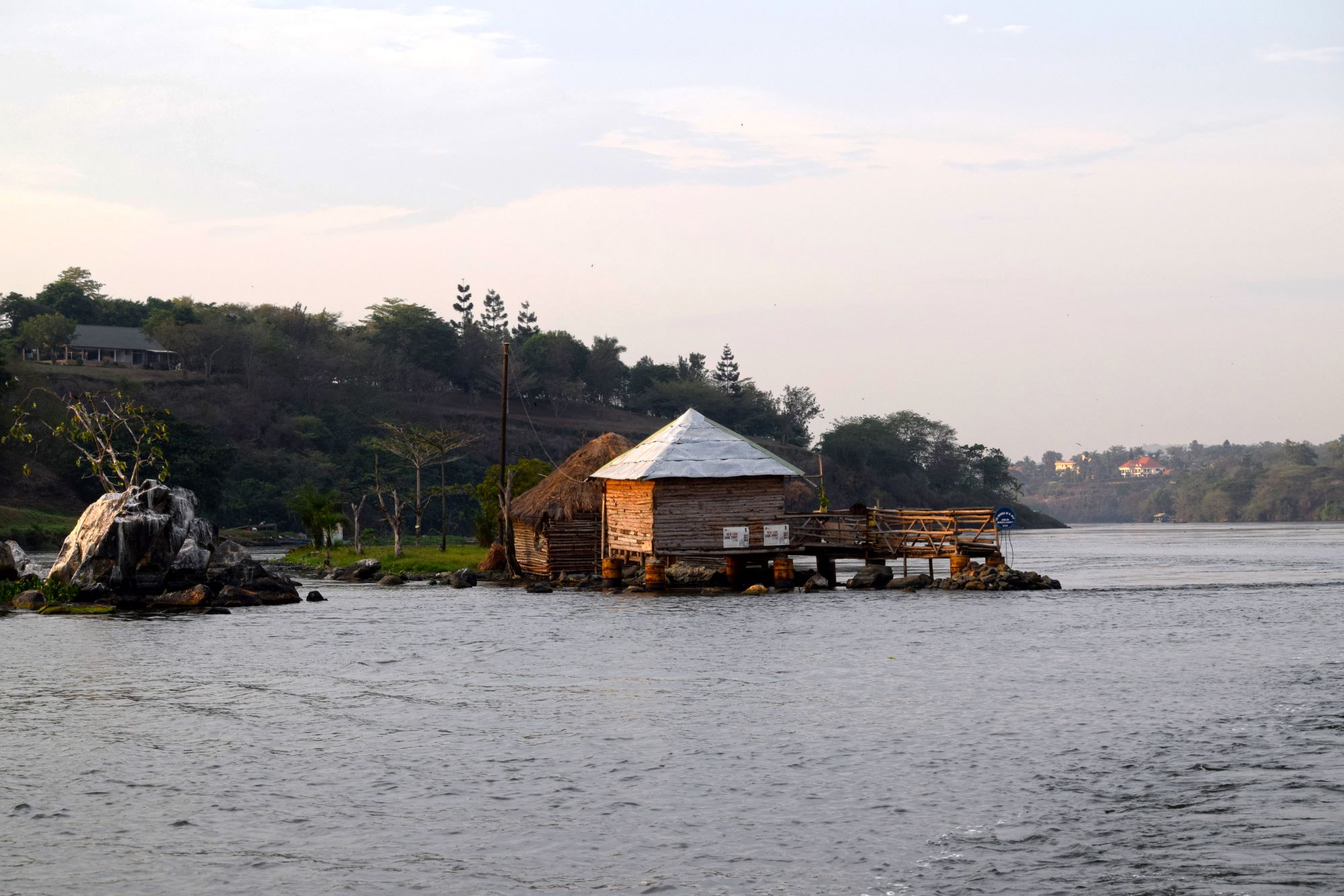
Jinja, Uganda: Source of the Nile & East Africa’s Adventure Capital
Nestled along the northern shores of Lake Victoria, where the mighty Nile River begins its 6,650-kilometer journey to the Mediterranean, Jinja stands as one of Uganda’s most vibrant and historically significant towns. Known as the “Adventure Capital of East Africa,” Jinja offers a unique blend of thrilling activities, rich history, and cultural diversity. From white-water rafting on the Nile to exploring colonial-era architecture, this town attracts tourists, historians, and adrenaline junkies alike.
Jinja’s history is deeply intertwined with Uganda’s colonial past and its natural wonders. The town was established in 1901 by British colonialists as a commercial and administrative center due to its strategic location near the Nile’s source.
- The Source of the Nile: In 1858, British explorer John Hannington Speke identified Jinja as the starting point of the Nile, a discovery that settled centuries of debate about the river’s origin. Today, a monument stands at Rippon Falls (now submerged due to the construction of the Owen Falls Dam) commemorating Speke’s achievement.
- Industrial Growth: During the early 20th century, Jinja became an industrial hub, hosting the Nyanza Textile Industries (NYTIL), Uganda’s first major factory, and the Owen Falls Dam (now Nalubaale Dam), which provided electricity for much of Uganda and Kenya.
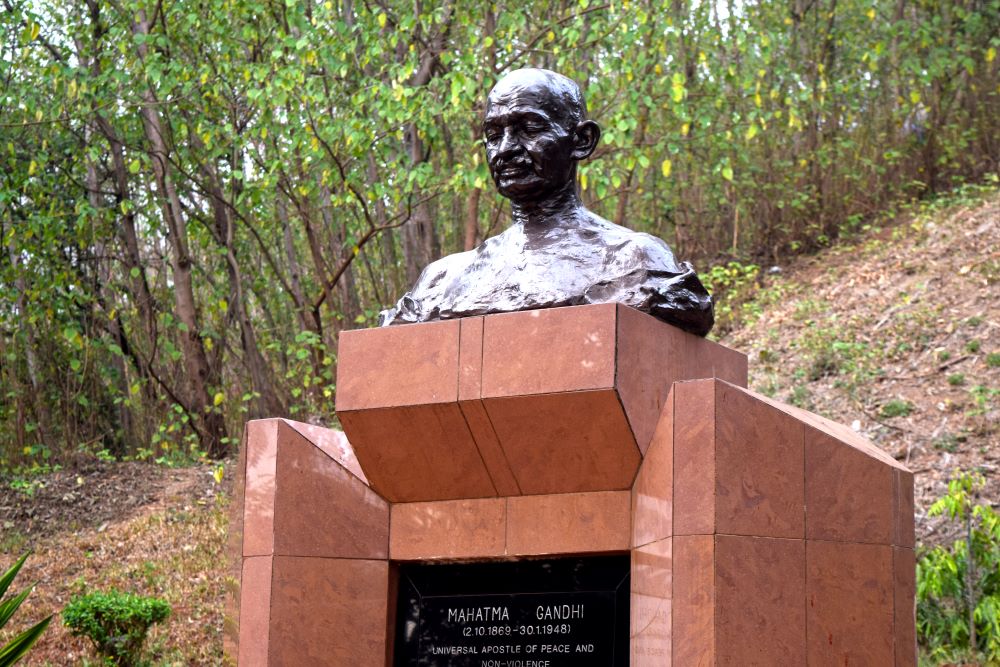
- Asian Influence: Jinja was once home to a thriving Asian community, primarily Indians brought by the British to work on the Uganda Railway. Though many were expelled during Idi Amin’s regime in the 1970s, their legacy remains in the town’s architecture and cuisine.
The People of Jinja: Warm and Welcoming
Jinja is home to the Basoga people, one of Uganda’s largest ethnic groups, known for their hospitality and vibrant traditions. The town also has a multicultural community, including descendants of Indian traders and expatriates drawn by tourism and business opportunities.
Cultural and Community Life
Jinja is a melting pot of cultures, with a mix of Buganda, Busoga, and Indian-Ugandan communities shaping its identity.
- Local Markets: The Jinja Central Market bustles with fresh produce, spices, and handmade crafts, offering a glimpse into daily Ugandan life.
- Religious Diversity: The town boasts Hindu temples, mosques, and churches, reflecting its multicultural heritage.
- Festivals: Events like the Nile Festival celebrate music, art, and extreme sports, while Eid and Diwali are marked with colorful celebrations.
Economic and Modern Development
While tourism drives Jinja’s economy, the town is also experiencing industrial revival. New factories, agro-processing plants, and the Jinja Industrial Park are creating jobs and boosting trade. The Jinja Bridge, connecting the town to neighboring districts, remains a vital transport link.
Challenges and Conservation Efforts
Despite its growth, Jinja faces challenges like pollution in the Nile and urban sprawl. Organizations such as Nile Basin Initiative are working to protect the river’s ecosystem, while local groups promote sustainable tourism.
Jinja is more than just an adventure hotspot—it’s a town where history, culture, and nature converge. Whether you’re rafting down the Nile, exploring colonial relics, or mingling with friendly locals, Jinja offers an unforgettable experience. As Uganda’s tourism sector grows, Jinja remains a shining star, inviting the world to discover its wonders.
Adventure Activities and Tourist Attractions
Jinja is synonymous with adrenaline-pumping experiences, drawing adventure seekers from across the globe.
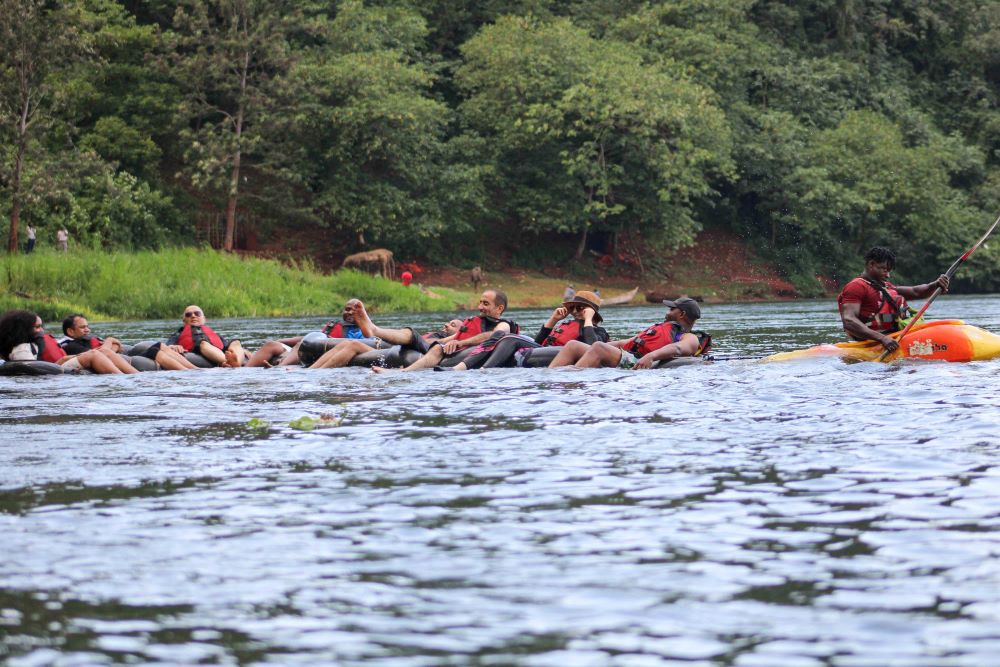
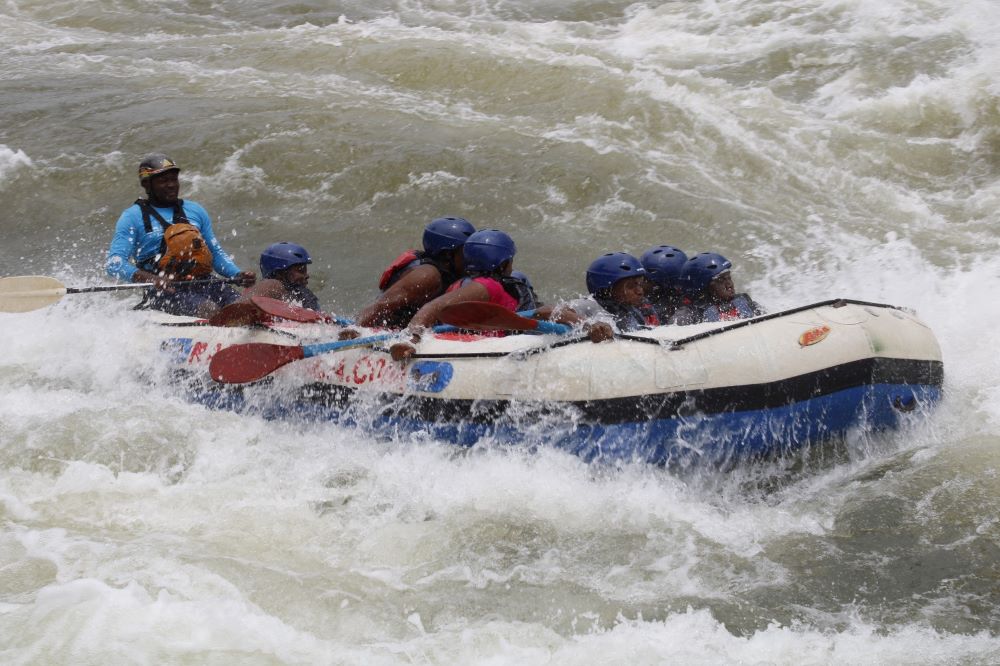
- White-Water Rafting on the Nile: Ranked among the best rafting spots in the world, Jinja offers Grade 5 rapids with names like “The Bad Place” and “Silverback.” Companies like Nile River Explorers and Adrift provide guided rafting trips, kayaking, and even stand-up paddle boarding.
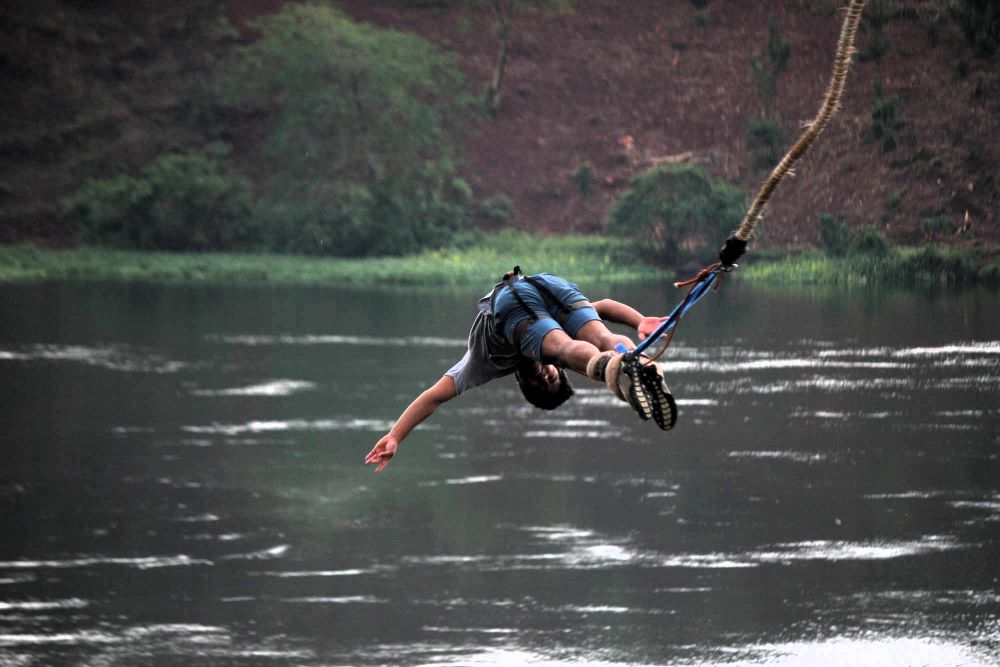
- Bungee Jumping and Zip-lining: For those seeking a vertical thrill, The Nile High Bungee offers a 44-meter plunge over the Nile. Nearby, Haven Lodge provides a canopy zip-line experience with breathtaking views of the river.
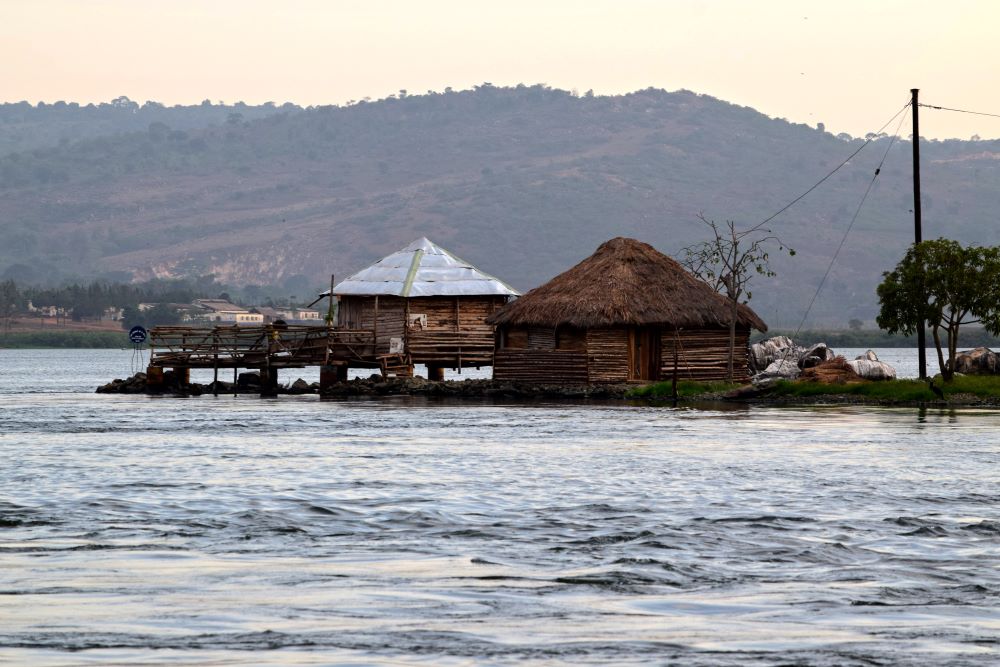
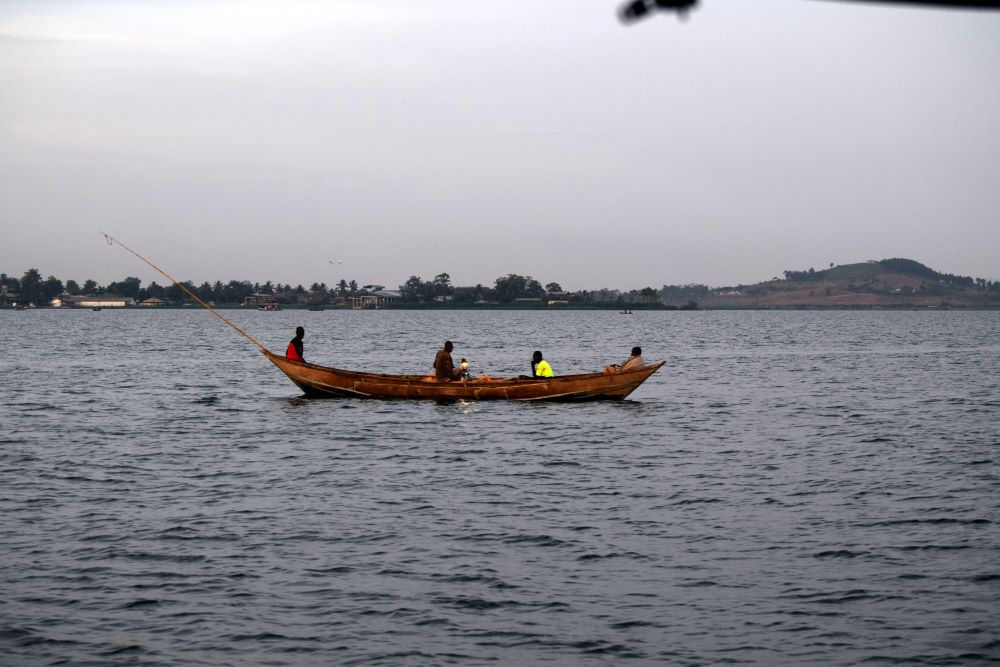
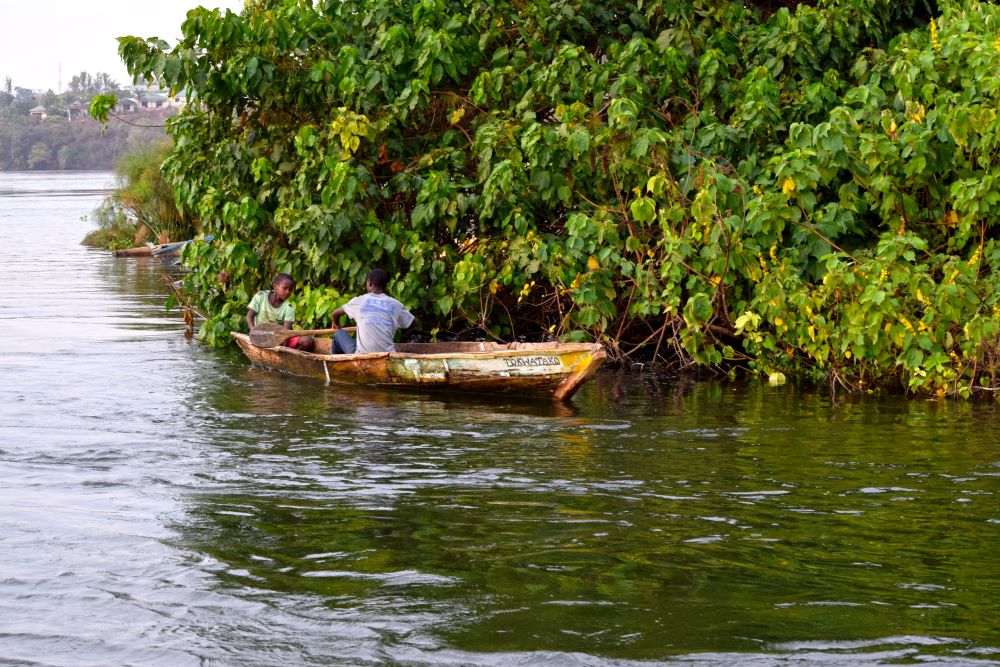
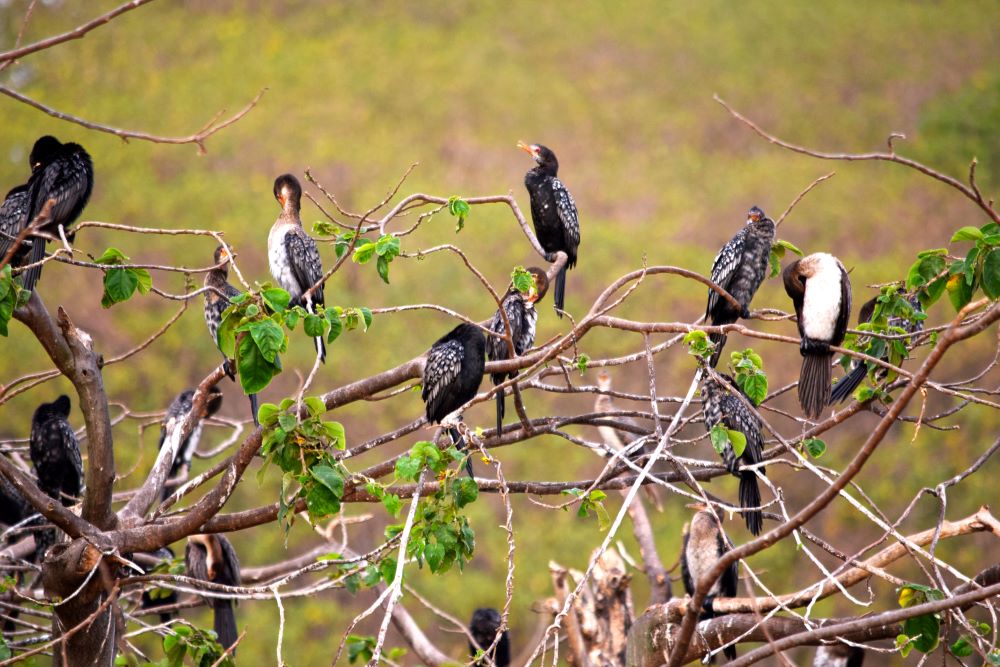
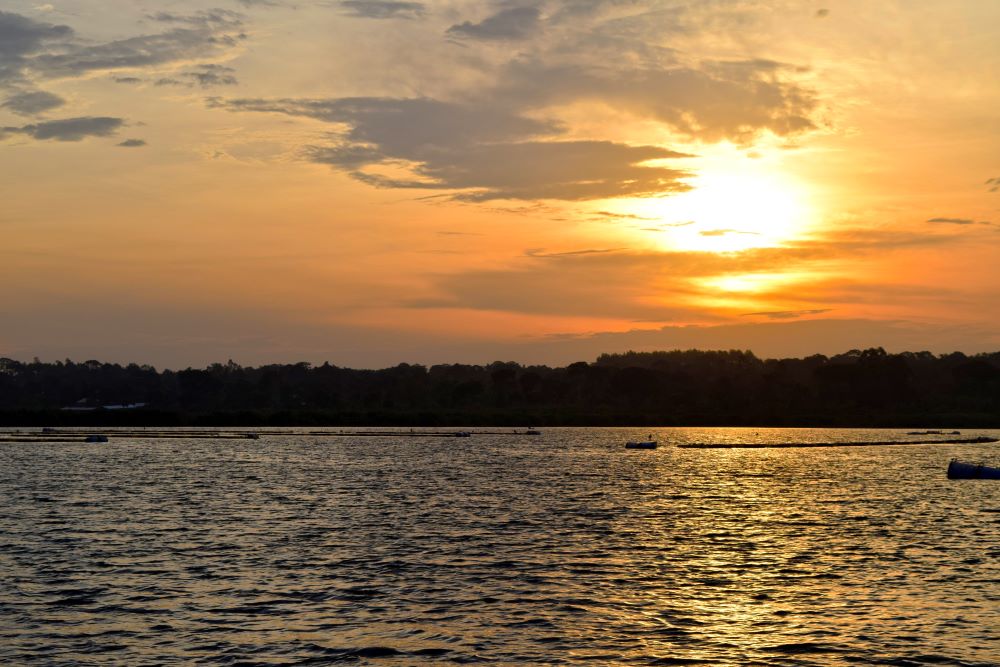
- Boat Cruises and Wildlife Spotting: A serene sunset cruise along the Nile allows visitors to spot hippos, monitor lizards, and a variety of bird species. The Samuka Island tour is another must-do, offering a peaceful retreat with stunning scenery.
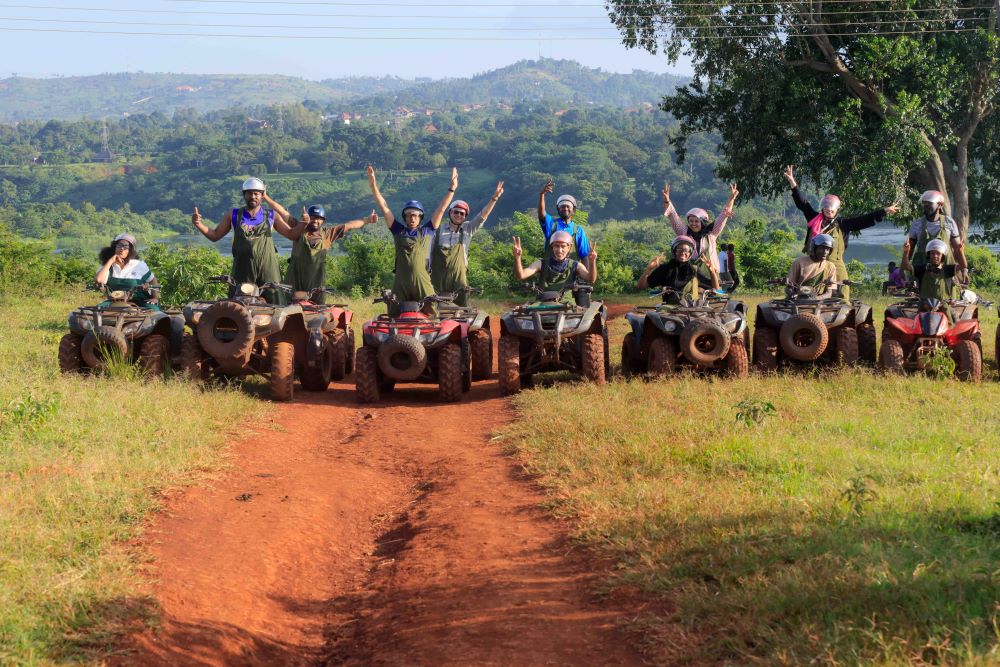
- Quad Biking and Horseback Riding: Adventure companies offer quad biking trails through local villages and along the Nile’s banks. Horseback riding safaris are also available, providing a unique way to explore Jinja’s countryside.
- Visit the Source of the Nile: A trip to Jinja isn’t complete without visiting the *Source of the Nile monument, where visitors can take boat rides, shop for crafts, and learn about the river’s historical significance.