

Partnership, New Infrastructure of Resilience: Global Tourism Leaders Chorus in Nairobi
NAIROBI, KENYA — The 4th Global Tourism Resilience Day Conference & Expo kicked off today with a powerful declaration: partnership is no longer optional in tourism—it is the very infrastructure of resilience. Held at the Kenyatta International Convention Centre (KICC), the event marks the first time this UN-anchored international summit has been hosted outside Jamaica and the first on the African continent.
The opening session, titled “Resilience Policy in Practice,” brought together a global coalition of tourism leaders to discuss how public-private collaboration is transforming the industry. Moderated by travel and tourism advisor Dr. Aradhana Khowala, the panel featured Hon. CS Rebecca Miano, EGH (Kenya’s Cabinet Secretary for Tourism and Wildlife); Hon. Edmund Bartlett (Jamaica’s Minister of Tourism and founder of the Global Tourism Resilience and Crisis Management Centre); H.E. Augusto Laurindo Kalikemala; Hon. Donay Jock Chagor; Yacob Abdalla; Jackson Hakiza; and PS John Ololtuaa.
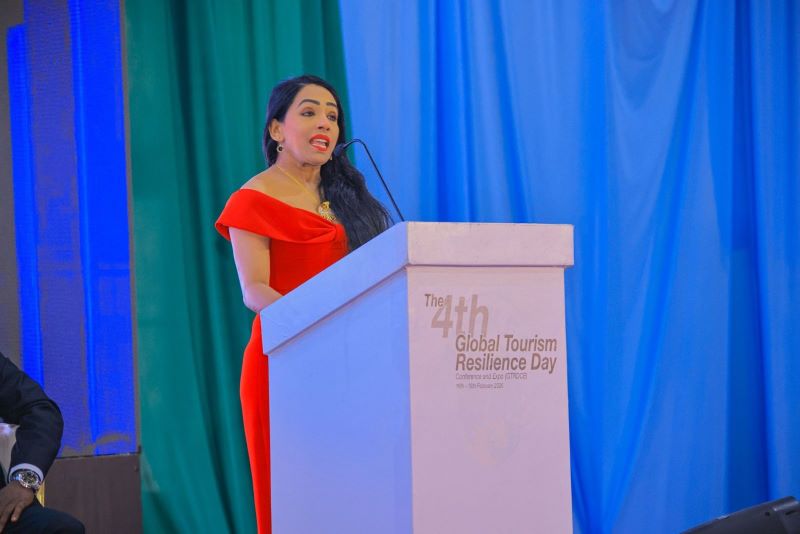







The message was clear: in an era where a single cyber-attack, climate event, or digital misinformation campaign can devastate travel demand faster than a hurricane, resilience must be institutionalized. “Partnership is no longer optional in tourism. It is the infrastructure of resilience,” became the rallying cry of the day.
The discussion focused on the core components of a modern, resilient destination: coordinated policy, shared intelligence, crisis preparedness, and sustainable investment—all fueled by seamless cooperation between governments and the private sector. The emphasis was on moving beyond consultation to genuine, co-authored strategies where risks and rewards are shared.
Kenya’s role as host is strategically significant. As one of Africa’s most diversified tourism economies, Kenya has navigated everything from health crises to security challenges with remarkable grit. The conference includes field visits to Nairobi National Park and the National Museums of Kenya, showcasing how conservation and community-led tourism can survive even during global downturns.
The event is expected to culminate in the “Nairobi Declaration for Tourism Resilience,” a policy roadmap that will guide international tourism discussions until 2027. Tomorrow, February 17, marks the official observance of Global Tourism Resilience Day—a UN-designated day established in 2023 to emphasize the need to foster resilient tourism development to deal with shocks.
By hosting this pivotal global policy dialogue, Kenya has positioned itself as a Pan-African tourism resilience hub, demonstrating its commitment to improving the sustainability and crisis preparedness of the continent’s tourism sector. The message from Nairobi is clear: collective action is the only path forward.
The future of tourism is not built on silos—it’s built on partnerships.