Tabaski: The Unique Cultural Tapestry of Senegal’s Spin on Eid al-Adha
In the heart of West Africa, where tradition meets national unity, Senegal transforms into a vibrant tapestry of color, sound, and devotion during Tabaski—the Islamic festival of sacrifice.
Known globally as Eid al-Adha, this sacred occasion commemorates the unwavering faith of Prophet Ibrahim (Abraham), who was prepared to sacrifice his son Ishmael in obedience to God’s command. Though interpretations vary among Abrahamic faiths—Jews and Christians often associate the sacrifice with Isaac—Muslims universally honor the moment when a ram was miraculously provided as a substitute.
In Senegal, this solemn event is known as Tabaski, a name that resonates across the Sahel region, including The Gambia, Burkina Faso, and Mali. It is more than a religious observance—it’s a national celebration marked by unity, generosity, and deep cultural significance.
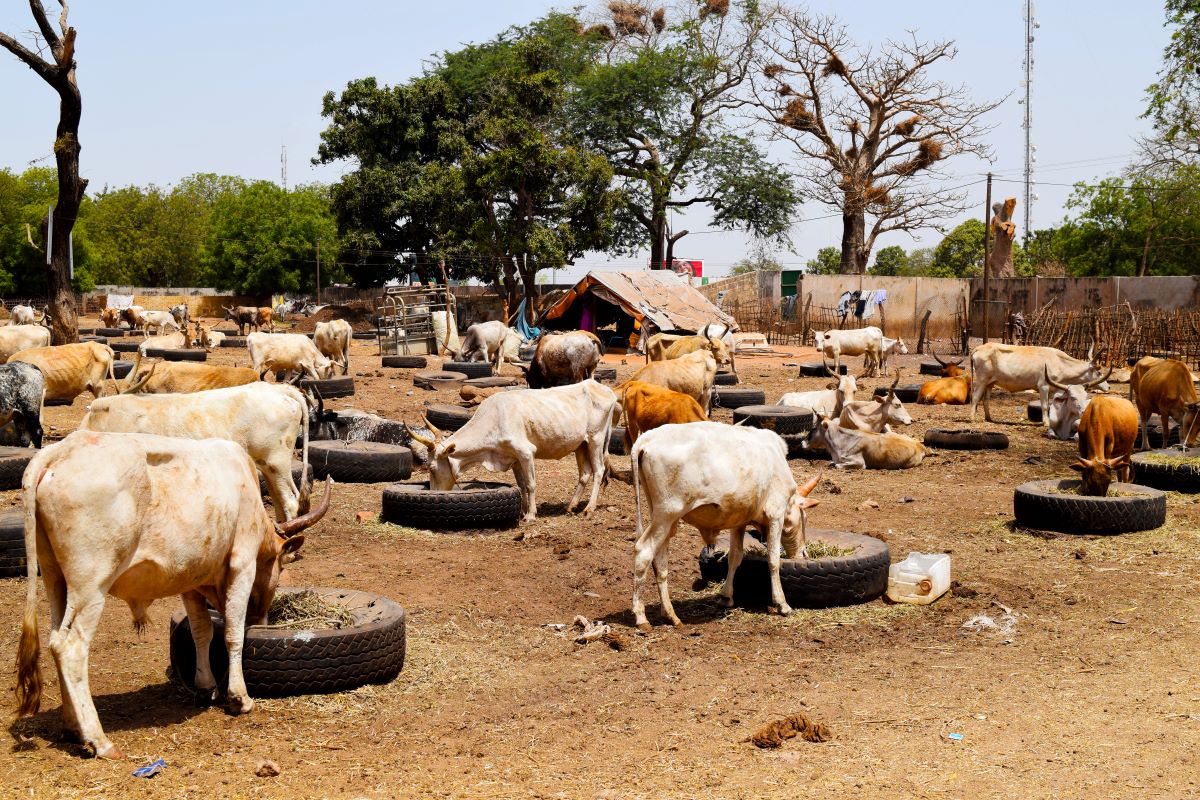
To support the festivities, the Senegalese government continues to run Operation Tabaski, a nationwide initiative ensuring every household has access to a sacrificial animal. In 2024, the program successfully exceeded its target, with 955,175 sheep recorded nationally—117.92% of the 810,000 target—demonstrating strong coordination among government agencies, livestock producers, and financial institutions. The initiative includes subsidies for animal feed, financial support for operators, and infrastructure improvements such as mobile toilets and water points at market sites to facilitate the event.
While the government provides support, the program relies on a combination of local production and imports from countries like Mauritania and Mali to meet demand. The Senegalese government has also implemented measures to stabilize prices and ensure affordability, including the removal of import taxes on sheep from neighboring countries and the provision of grants to low-income households. This ongoing effort reflects the state’s role in supporting both religious observance and food security during one of the country’s most significant annual celebrations.
Adding a unique cultural twist, Senegal hosts the Khar Bii, a televised national beauty contest for sheep, where the most elegant rams are crowned champions. On the day of Tabaski, young children often lead their animals to Yoff Beach for a final ritual bath, symbolizing purity before the sacrifice.
After morning prayers at the mosque, families return home to perform the ritual slaughter. A man of the house, often in traditional attire, carefully slits the animal’s throat, allowing the blood to drain into a pre-dug hole—a symbolic act of offering. Meanwhile, women prepare meals using every part of the animal: meat, organs, and even the skin and horns, which are later repurposed into leather crafts and talismans believed to ward off evil.
The meat is traditionally divided into three parts: one for the family feast, one shared with neighbors and the less fortunate, and one reserved for future use. This act of generosity reflects the spirit of the festival, where no one is left behind.
With an estimated 3 to 4 million animals slaughtered nationwide, Tabaski is a time of abundance, joy, and communal bonding. It’s a celebration not just of faith, but of community, resilience, and the enduring power of tradition.