
Valentine in Africa: Romance, Culture, and the Business of Emotional Travel
On a warm February evening, the sun dips low over an African coastline, painting the sky in hues of crimson and gold. Couples stroll barefoot along the sand, friends gather for music and laughter, and solo travelers indulge in spa rituals that celebrate self-love. This is Valentine’s Day in Africa — not just a holiday, but a season where romance, culture, and tourism converge.
Valentine’s Day has evolved from a single-day celebration into a powerful marketing season within the global tourism industry. In Africa, February has become a strategic period for travel brands, hospitality providers, and destination marketers seeking to capitalize on romance, emotional connection, and experiential travel. Yet Valentine’s tourism marketing in Africa goes beyond flowers, chocolates, and candlelit dinners. It reflects deeper cultural values of love, hospitality, togetherness, and celebration. This article explores how Valentine’s Day has influenced tourism marketing in Africa, the opportunities it presents, and how destinations can promote romance without sacrificing authenticity.
The Rise of Valentine’s Tourism
Globally, Valentine’s Day drives demand for short getaways, luxury experiences, and curated travel packages. African destinations have increasingly embraced this trend, tailoring experiences for couples, honeymooners, and romantic travelers.
Popular Valentine-focused offerings include:
- Beachfront retreats and island escapes
- Safari lodges offering private, secluded experiences
- Heritage city breaks with cultural immersion
- Wellness and spa tourism
- Gastronomic and wine experiences
These offerings position Africa not only as adventurous, but also as intimate and emotionally resonant.
Romance Through Culture and Place
One of Africa’s strongest advantages in Valentine’s tourism marketing is its ability to blend romance with culture. Unlike generic luxury destinations, African locations offer stories, symbolism, and sensory depth. Romance in Africa can be marketed through:
- Sunset experiences tied to cultural storytelling
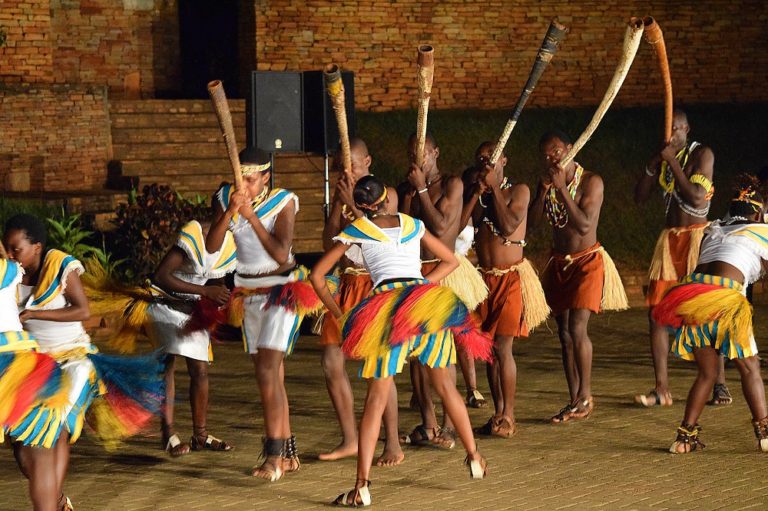
- Traditional music and dance as expressions of love
- Indigenous cuisines and shared dining traditions
- Craft gifting rooted in cultural meaning
- Sacred landscapes associated with union, fertility, or ancestry
This approach elevates Valentine’s tourism from commercial romance to culturally grounded emotional travel.
Marketing Valentine’s Beyond Couples
An important evolution in Valentine’s tourism marketing is inclusivity. African tourism brands increasingly recognize that February is not only for romantic couples, but also for:
- Solo travelers practicing self-care
- Friends celebrating companionship
- Cultural tourists seeking emotional connection
- Diaspora travelers reconnecting with heritage
By expanding Valentine’s narratives beyond romance alone, destinations broaden their market reach while remaining culturally sensitive.
Digital Storytelling and Valentine’s Campaigns
Social media, visual storytelling, and influencer marketing play central roles in Valentine’s tourism promotion. Emotion-driven content—images, short films, and testimonials—helps destinations sell experiences rather than just locations.
Effective Valentine’s campaigns often emphasize:
- Atmosphere and mood
- Personal stories and testimonials
- Cultural authenticity
- Exclusivity and intimacy
- Emotional transformation
African destinations that tell compelling stories stand out in a crowded global market.
Economic Impact of Valentine’s Tourism
Valentine’s tourism provides a significant boost to the hospitality and service sectors. Hotels, restaurants, tour operators, florists, entertainers, and artisans all benefit from increased demand.
For small businesses and creatives, February represents an opportunity to:
- Introduce limited-edition experiences
- Collaborate across sectors
- Showcase cultural products
- Build brand visibility
When strategically managed, Valentine’s tourism contributes to local economic circulation rather than one-off consumption.
Ethical and Cultural Considerations
While Valentine’s marketing offers opportunities, it also requires sensitivity. Over-commercialization risks alienating local communities or reducing cultural expressions to mere props.
Ethical Valentine’s tourism marketing should:
- Respect local values and traditions
- Avoid cultural misrepresentation
- Include community participation
- Promote responsible consumption
- Balance luxury with sustainability
Authenticity remains the most valuable currency in tourism marketing.
Conclusion
Valentine’s Day has become more than a celebration—it is now a strategic moment in Africa’s tourism calendar. When approached thoughtfully, Valentine’s tourism marketing can showcase Africa as a continent of romance, culture, warmth, and emotional depth.
By grounding Valentine’s experiences in heritage, storytelling, and community engagement, African destinations can move beyond clichés and create meaningful, memorable journeys that resonate long after February ends.