Walking Barefoot Into Africa’s Future: Agritourism With Jacqui Taylor
SOUTH AFRICA — Global headlines often reduce Africa to a story of conflict and crisis. Jacqui Taylor is rewriting that narrative. Her vision is one of serene landscapes, rich cultural heritage, and the resilience of rural communities. As founder of Agritourism South Africa and Agritourism Africa, Taylor has spent nearly a decade building a transformative model of rural tourism—one that empowers farmers, women, and youth while challenging the world’s perceptions of the continent.
It all began in 2016 with a simple request: a journalist asked Taylor to recommend a farm stay where he could meet the farmer. She found none. Rather than accept the gap, she created a solution. What started as a modest online directory of farm experiences has grown into an award‑winning, continent‑spanning initiative—the only one of its kind in Africa.
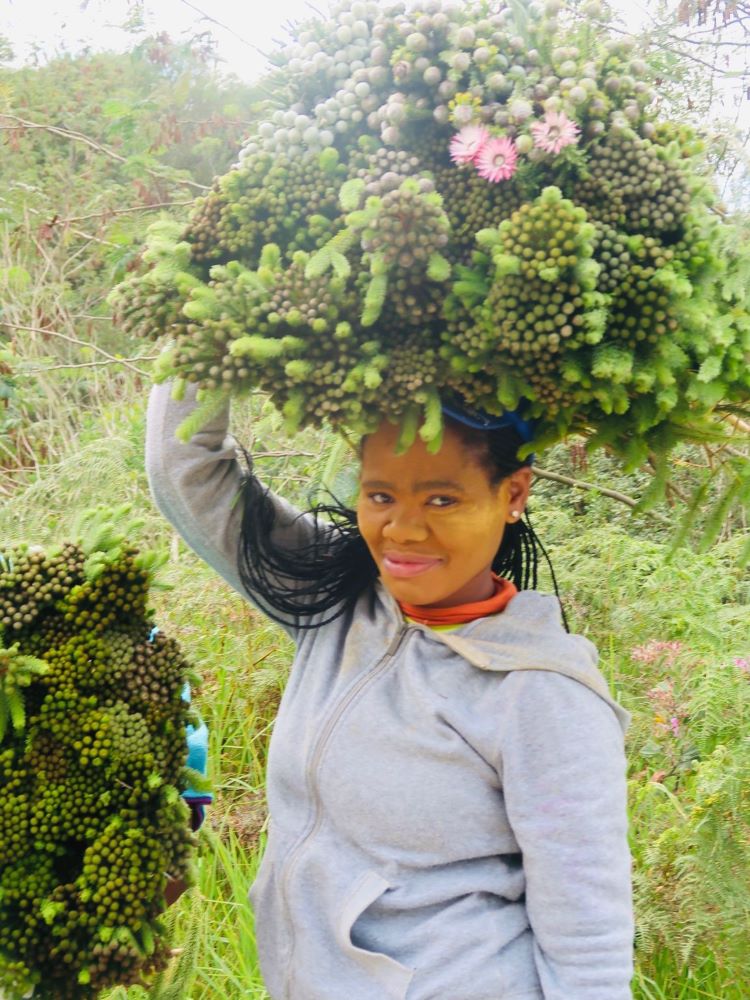
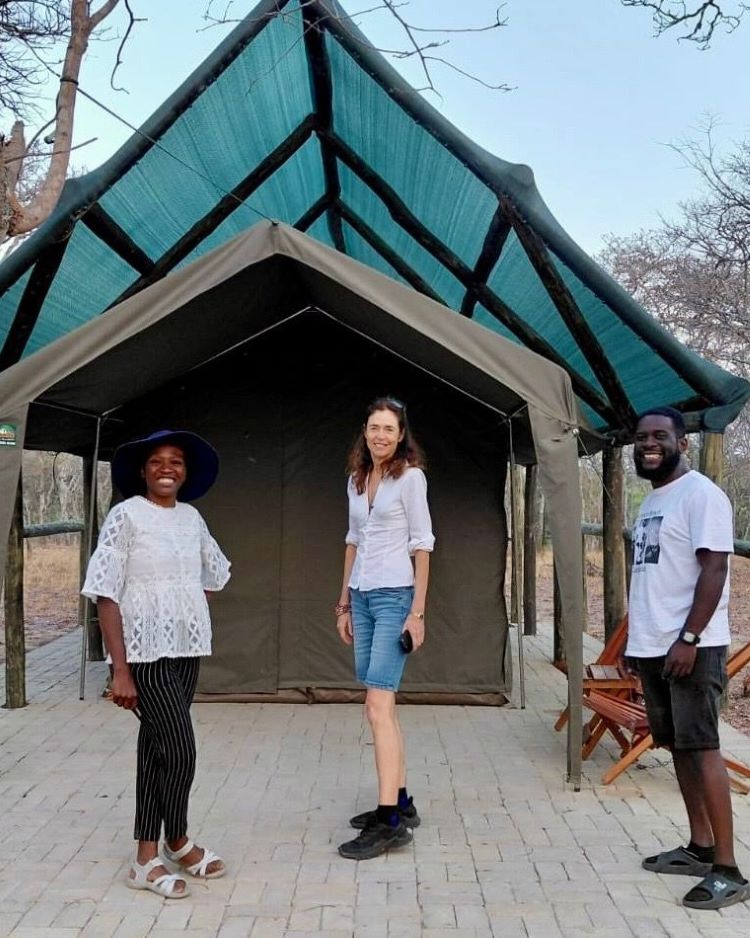
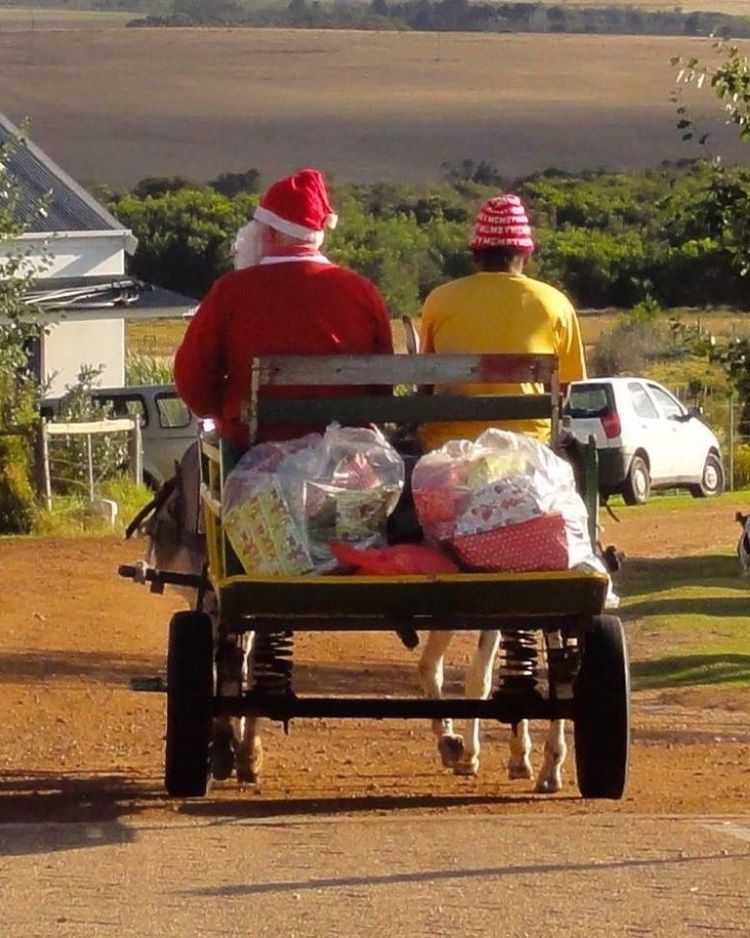
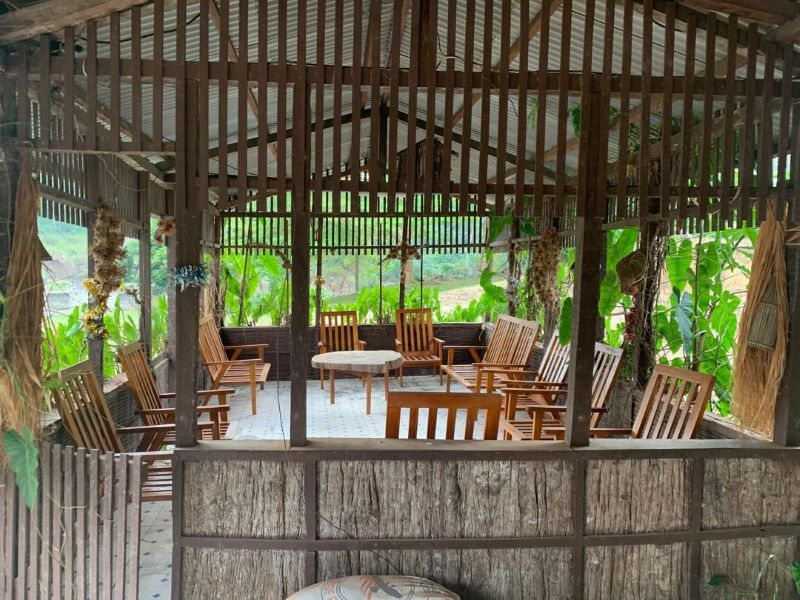
“We need to change perceptions,” Taylor insists. “International news channels only show negative stories. Africa is rich in diversity, cultural heritage, and breathtaking scenery. Agritourism Africa is inclusive, 100% African, and proudly so.”
A Continent’s Untapped Potential
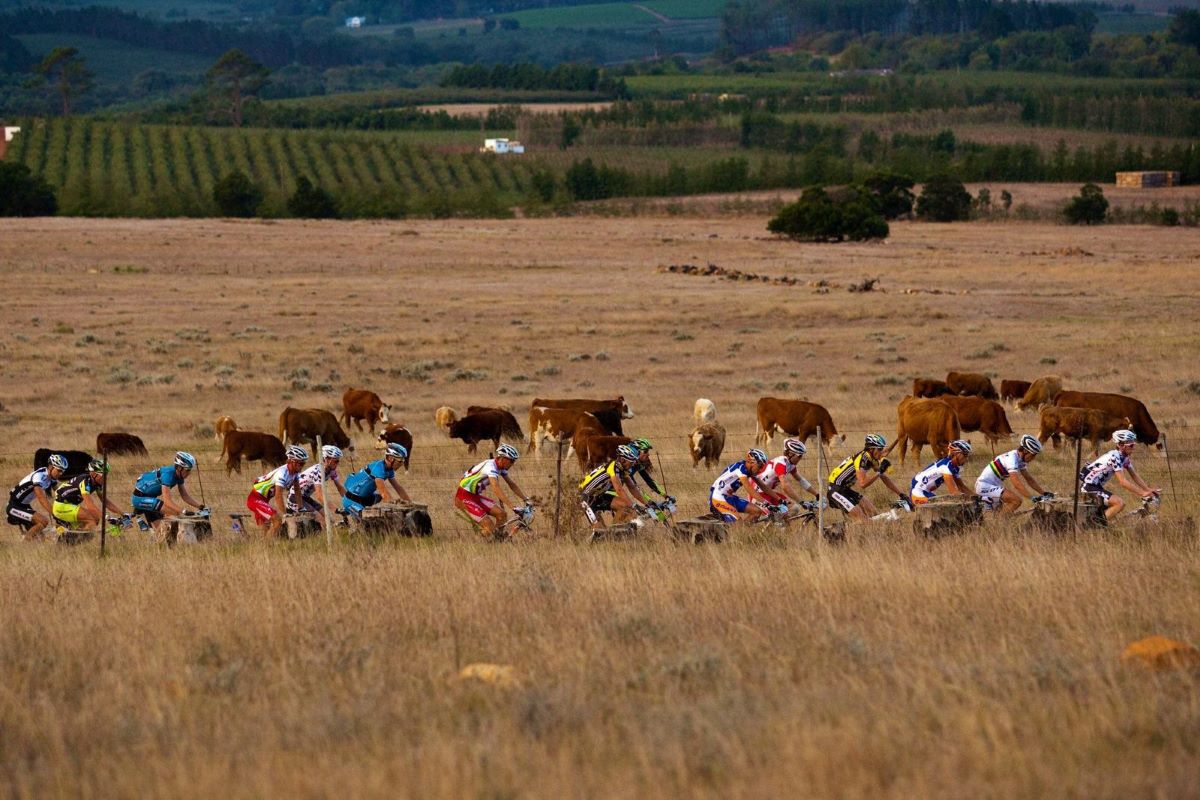
For Taylor, agritourism is “low‑hanging fruit” for revitalizing rural economies. She envisions a network of routes across Africa, where travelers can experience the tranquility, spirituality, and raw beauty of the countryside—a side of Africa “yet to be told.”
Rural regions remain largely undiscovered by mainstream tourism, hindered by airline routes focused on cities and rental car companies reluctant to venture off urban roads. Yet, demand is growing for authentic, environmentally conscious destinations.
“Beaches, mountains, and cities are similar worldwide,” Taylor explains. “It’s the people who provide unique insight. Agritourism introduces visitors to diverse agricultural areas while facilitating genuine community interaction.”
A Calling, Not a Job
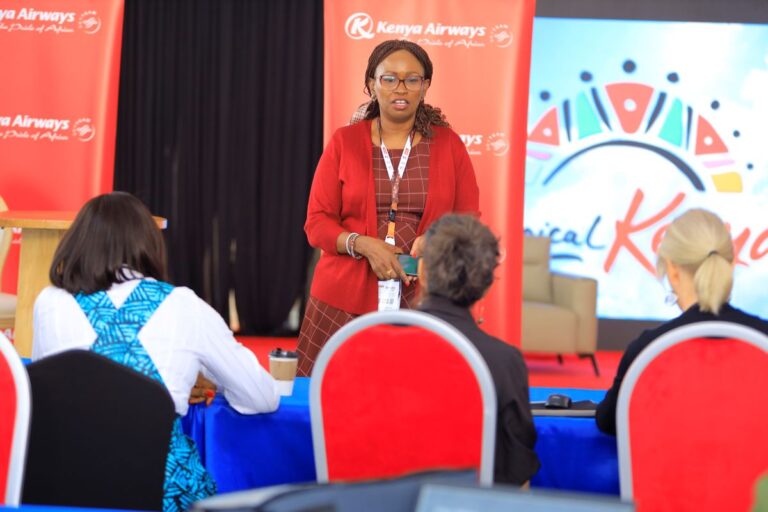
Operating without sustained government support, Taylor shoulders what she calls a “monumental responsibility.” Communities across Africa hail her as a “rural hero.” Her days are filled with speaking at sustainability conferences, visiting remote farms, and opening doors for entrepreneurs.
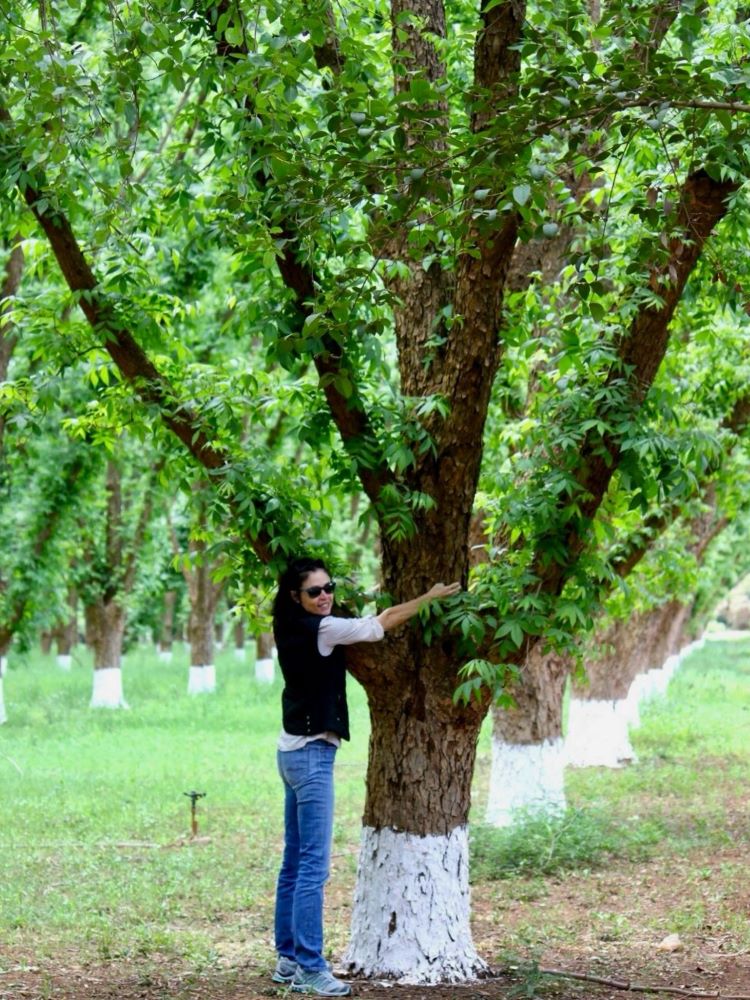
“I don’t view this as a job—it’s a calling,” says Taylor, whose childhood as a farm manager’s daughter taught her to connect deeply with the land. “Being grounded meant walking barefoot on the earth. Farmers are a great leveler in society.”
Ethics, Inclusion, and Empowerment
Taylor’s mission rests on three pillars: ethics, inclusion, and empowerment. She draws a sharp line between authentic agritourism and exploitation.
“Agriculture must be the primary focus, with tourism secondary. That ensures food security,” she explains. “If the farm community isn’t involved, it isn’t authentic. An agricultural theme park does not qualify.”
Her framework creates opportunities for women and youth in overlooked rural areas. Farming may not appeal to younger generations, but tourism offers entrepreneurial pathways. Across Rwanda, South Africa, Namibia, Uganda, Kenya, Zambia, and Zimbabwe, agritourism is already providing jobs and hope.
Navigating Challenges
Despite progress, challenges remain. Taylor points to a lack of collaboration between tourism and agriculture, warning that “working in silos is history; working together is the way forward.”
Funding, infrastructure, signage, and connectivity are persistent hurdles. Training rural hosts is difficult, but Agritourism Africa has developed online modules covering business planning, marketing, and risk management.
“There’s no one‑size‑fits‑all model,” Taylor emphasizes. “Success depends on local attributes—community, agriculture type, cultural diversity, and infrastructure.”
Building a Continental Movement
Kenya, Ghana, South Africa, Zambia, and Rwanda are leading the agritourism charge. Taylor has long advocated for a continental agritourism conference, but funding and bureaucracy have slowed progress. Recently, however, discussions with the South African National Convention Bureau have revived hopes of hosting a Global Agritourism Conference.
Africa’s Superwoman, Powered by Passion
Taylor’s passions extend beyond agritourism to conservation, ecotourism, cultural diversity, and human rights. Her energy seems boundless.
“A day is never long enough,” she laughs. “I have never experienced boredom.”
Supported by her parents, pets, and a global network, Taylor’s philosophy is simple:
“I am passionate about all things rural. Quite simply, it is my life. I wouldn’t swap it for anything else. I am passionate about making a difference.”
Final Note Jacqui Taylor isn’t just building tourist routes—she’s paving pathways to economic dignity, social opportunity, and renewed pride in Africa’s rural heartlands. Through ethical agritourism, she is helping the continent tell its own story—one of resilience, beauty, and hope.