Anantara Stanley & Livingstone Marks World Rhino Day With Historic Translocation
The Victoria Falls Private Game Reserve has taken in white rhinos for the first time, joining an established black rhino population and making the reserve one of the only places on the Zimbabwean side of the falls where guests can see both African species in the wild.
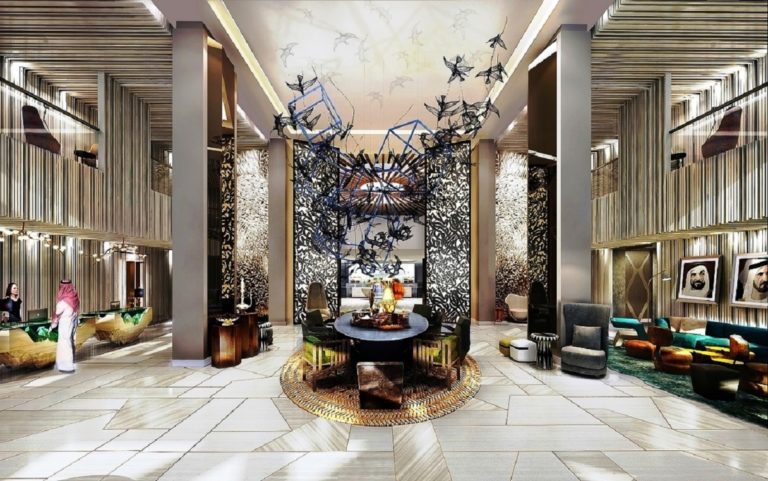
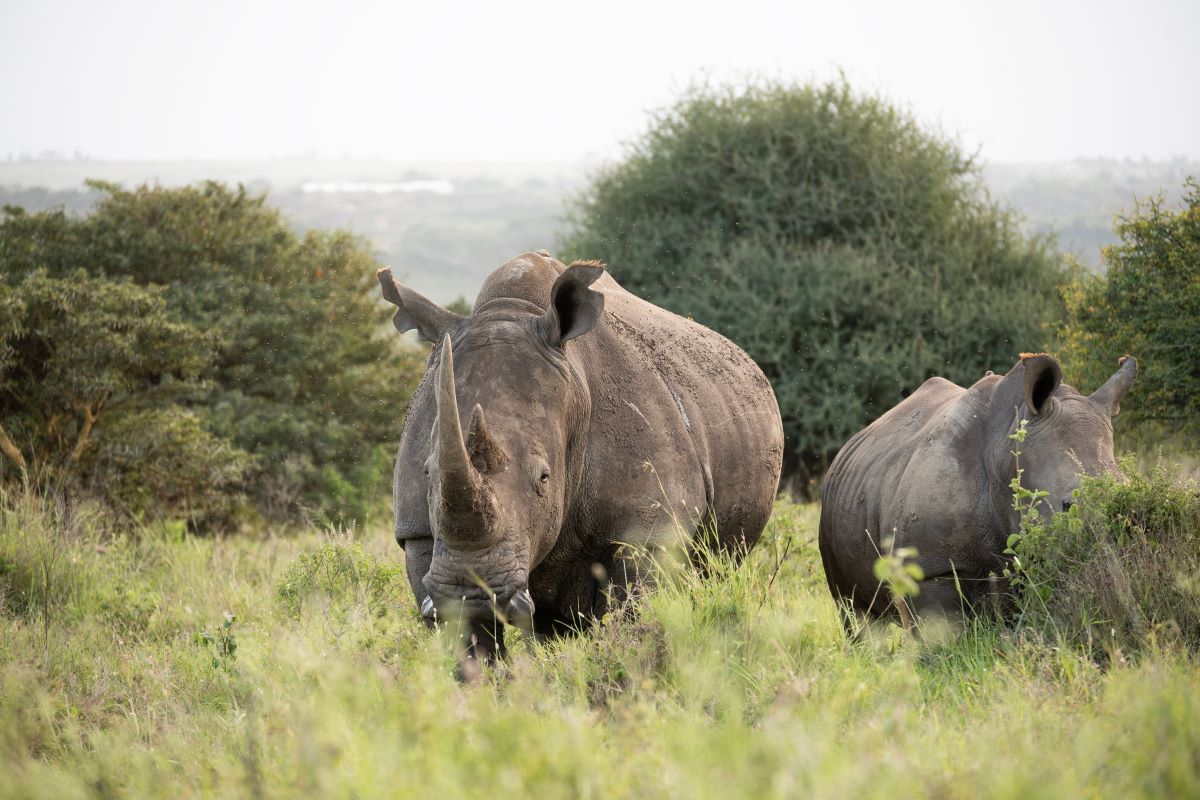
Victoria Falls, Zimbabwe — For two decades, the conservation story at Victoria Falls Private Game Reserve had a single protagonist: the black rhino. On World Rhino Day, that story gained a second chapter. The reserve has received its first white rhinos, translocated in partnership with the Zimbabwe Parks & Wildlife Management Authority and Lake Kyle Recreational Park, as part of wider efforts to strengthen Zimbabwe’s protected rhino populations. The move means the 4,500-hectare reserve surrounding Anantara Stanley & Livingstone Victoria Falls Hotel is now home to both African rhino species.
White rhinos are not new to the greater Victoria Falls region — they can be seen across the border in Zambia — but their arrival inside the private reserve adds a distinct wildlife proposition to a destination known internationally for the waterfall rather than its game viewing.


The reserve sits roughly 15 minutes from Victoria Falls. Beyond rhinos, it protects giraffe and other species within its fenced boundary, with Big Five game drives and guided walks already available to hotel guests.
A Programme that Started with Three Animals
The translocation is the latest milestone for the reserve’s Intensive Protection Zone (IPZ), established in 2006. What began as a black rhino breeding programme has since become the only operation of its kind in the region; starting from three animals, the population trebled. Next year the reserve expects to welcome a new breeding bull, with other animals earmarked for relocation to national parks to strengthen genetic resilience across the country’s fragmented populations.
That genetic question is the backbone of rhino management in Zimbabwe. Estimates put the country’s wild rhino population at just 766 animals in 2014, and conservationists have spent years moving individuals between reserves specifically to widen the gene pool.
“Protecting rhinos goes far beyond safeguarding a particular species, it is about preserving entire ecosystems for generations to come,” said Laurie Burr, Area General Manager, Minor Hotels Zimbabwe & Zambia.
Reserve Manager Picket Chabwedzeka framed the arrival in more personal terms: “Welcoming white rhinos alongside our black rhinos is a dream come true for our team and a huge victory for Zimbabwean conservation. Having both species in Victoria Falls isn’t just a historic milestone, it’s evidence that dedicated protection works, and we are proud to give our guests a direct opportunity to help secure their future.”
Turning Proximity Into Revenue for Rangers
The commercial response arrives the same day. Anantara has launched a Rhino Guardian Game Drive, a three- to four-hour private experience hosted by the reserve manager that takes guests tracking rhinos inside the IPZ before a closed-door briefing with the reserve’s Anti-Poaching Unit, closing with a bush sundowner.
The economics are explicit: US$600 per person, of which US$340 flows directly to reserve management and conservation work. That covers fence maintenance, snare removal, wetland clearing in the vleis that serve as breeding grounds, and the training, uniforms and operations of scouts who patrol around the clock. Access is deliberately constrained — groups of two to six, private vehicle, pre-booking essential, subject to availability.
Small numbers, high yield. It is a model increasingly common in high-end safari tourism, where operators sell documented access to conservation work rather than conventional game viewing alone.
Anantara already runs the Nakavango Conservation Programme inside the reserve, placing participants on two- to twelve-week placements supporting wildlife and community projects. According to hotel leadership, the property sources much of its food locally and employs an entirely Zimbabwean team, and operates two waterholes fed by boreholes — one largely for guest viewing, one primarily for monitoring animal movements including the rhinos.
Why the Timing Matters
World Rhino Day has been observed every 22 September since 2011, when it was organised following an announcement by WWF South Africa the previous year. This year’s theme is “Keep the Five Alive,” a reference to the five surviving rhino species and a global population of roughly 26,700 animals.
The pressure on the smaller of the two African species remains acute. Poaching erased 96% of the black rhino population between 1970 and 1990, and the IUCN Red List counts just 3,142 mature individuals remaining. Against that arithmetic, adding a second species to a secured, professionally managed zone near one of Africa’s busiest tourist gateway towns does two things at once: it diversifies the reserve’s conservation value, and it creates a marketable reason for visitors to stay overnight rather than pass through for an afternoon at the falls.
The transfer of a handful of white rhinos will not move Zimbabwe’s national numbers. But in a country where isolated populations must be actively stitched together to survive, every new secure holding counts — and on the anniversary built to make exactly that case, Victoria Falls now holds both halves of Africa’s rhino story.
For the hotel, the announcement also lands weeks after Anantara Stanley & Livingstone debuted at Two Keys in the 2026 MICHELIN Key selection — the first Anantara property in Africa to be recognised.