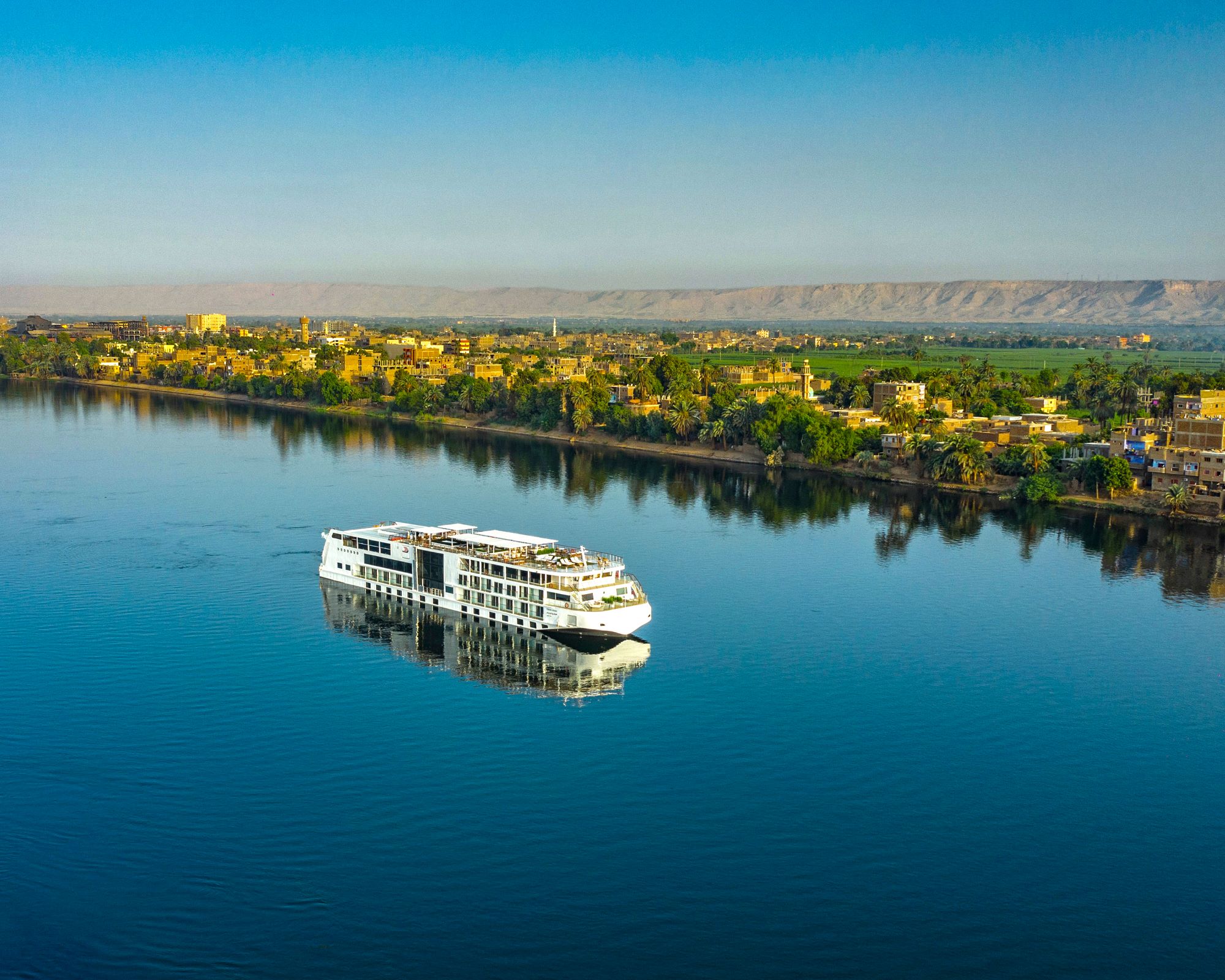
Experience Egypt on an Enchanting Nile Cruise
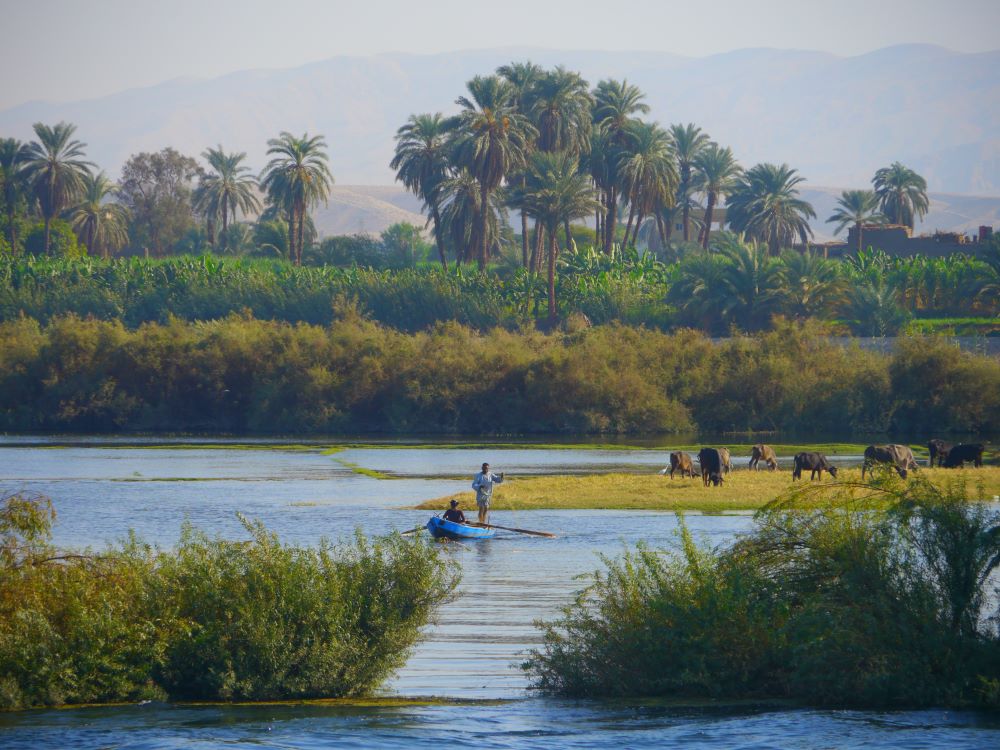
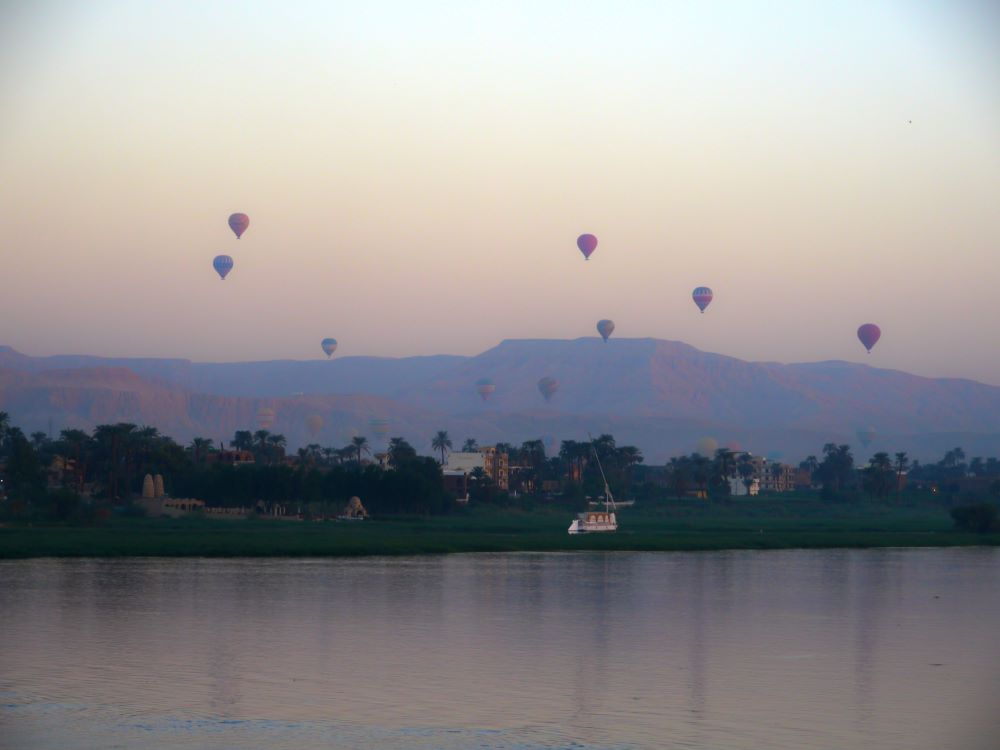
Already seen the source of the Nile in Uganda? Perhaps even what’s called the farthest source, in Rwanda’s Nyungwe Forest? Then why not explore the other end of the world’s longest river, in Egypt’s Nile delta? A cruise is the best way to see the Egyptian portion of the Nile.
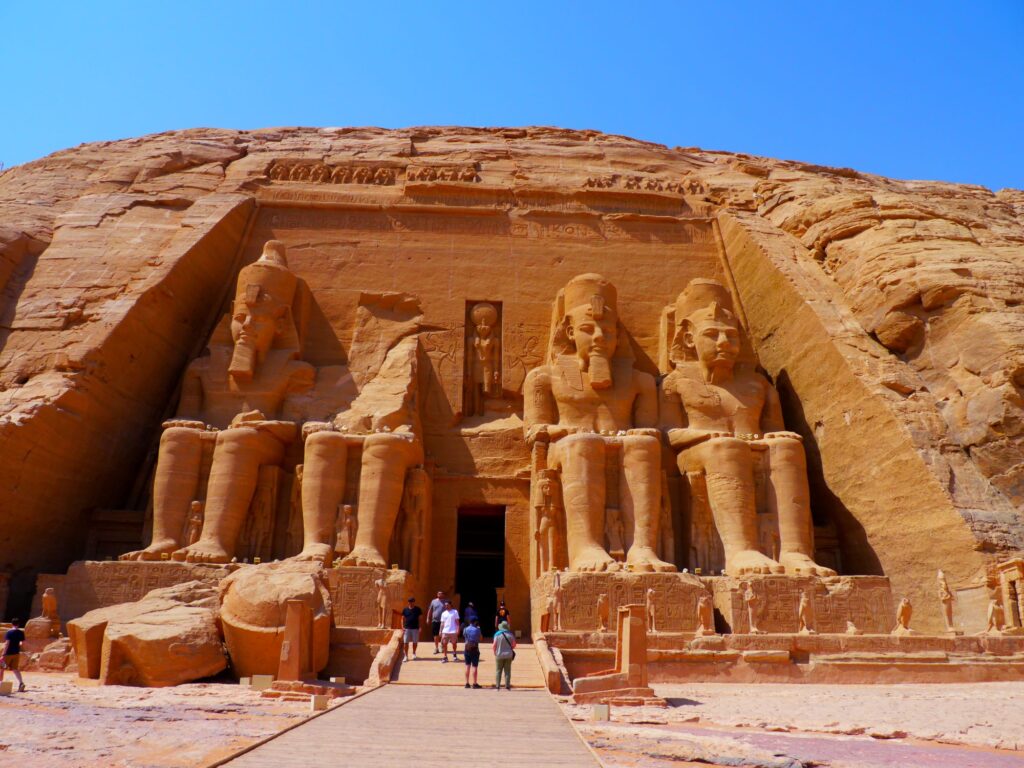
Though there’s plenty to see in Egypt all along the Nile — whether in the capital of Cairo, at the river’s mouth into the Mediterranean near Alexandria, or along Lake Nasser in the far south — most Egyptian Nile cruises travel between the cities of Luxor and Aswan. It is possible to book just a few nights on a Nile cruise. But seeing Egypt’s highlights, let alone the lesser visited sites, can be complex to organize so it’s ideal to book a longer and more complete tour. One of the best is with Viking, which offers a 12-day tour that takes guests to Cairo’s top sites, the Abu Simbel temples on Lake Nasser’s shore, plus eight nights aboard one of their river ships designed specifically to navigate the Nile.
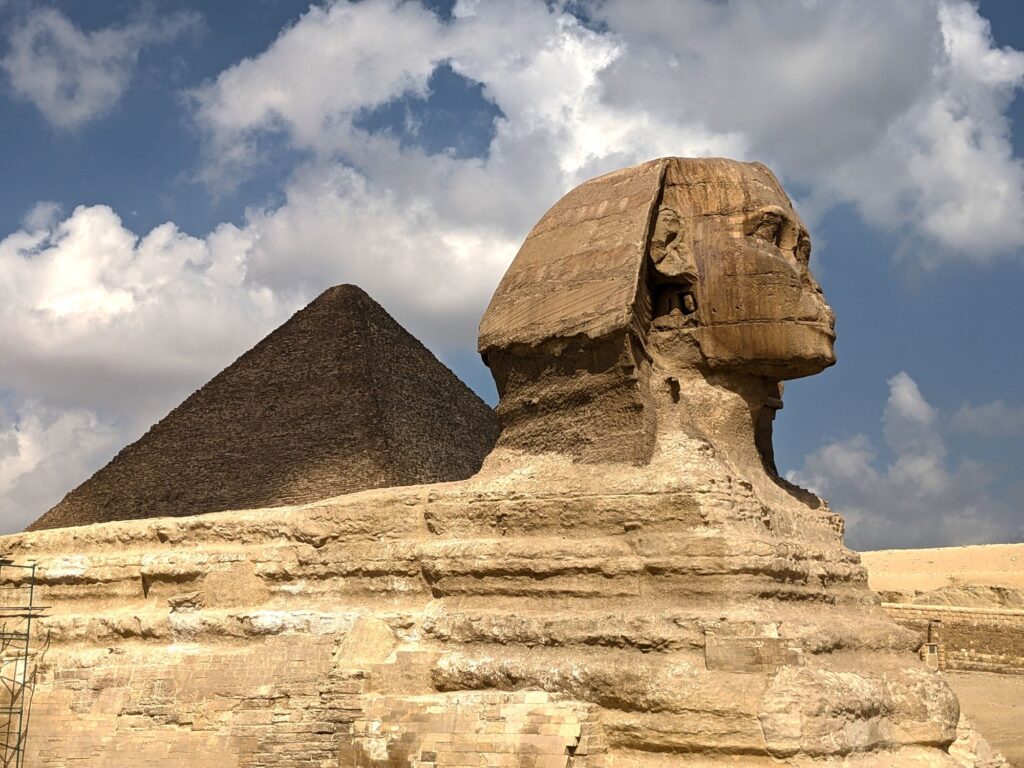
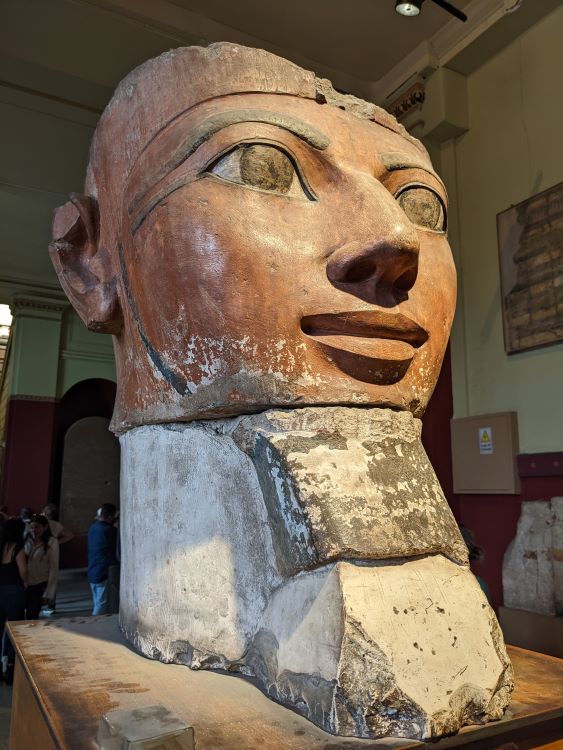
Tours of Egypt almost always start in Cairo. Exploring Egypt’s capital means hopping back and forth across the Nile between your hotel — perhaps located in the prestigious Zamalek neighbourhood on manmade Gezira Island — and city sites like the Hanging Church of Saint Mary, the Sultan Hassan Mosque, the Egyptian Museum off El-Tahrir Square, and for shopping in the souks. You’ll also go west of the Nile to visit close-to-Cairo highlights like the Great Pyramids at Giza, the new Grand Egyptian Museum, and the 4,700-year-old Step Pyramid at Saqqara.
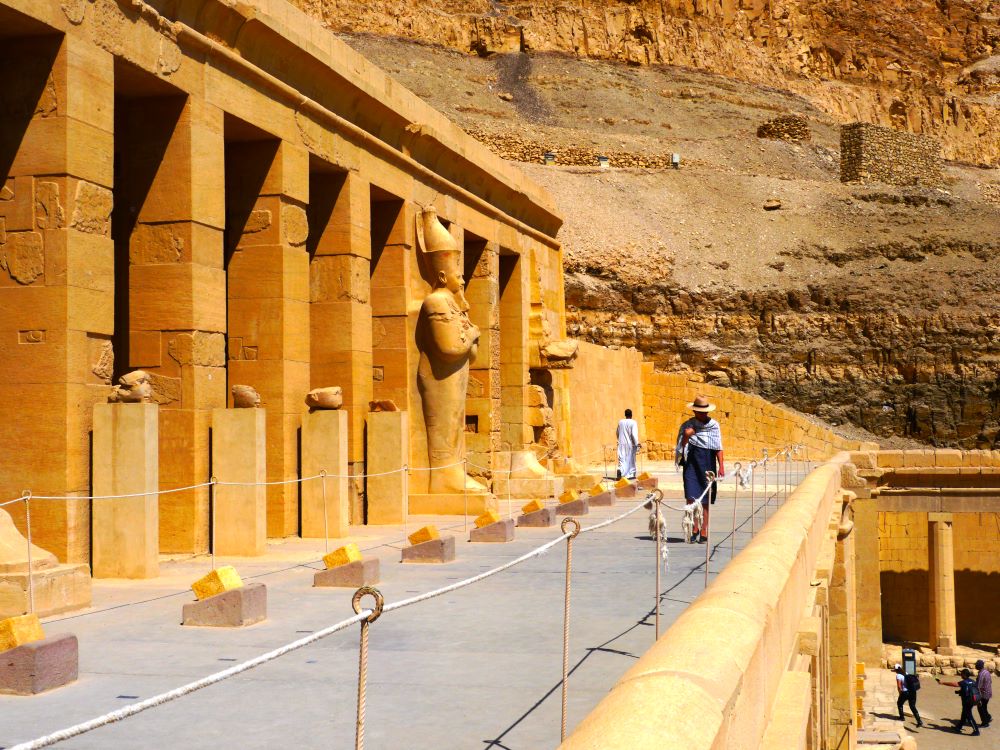
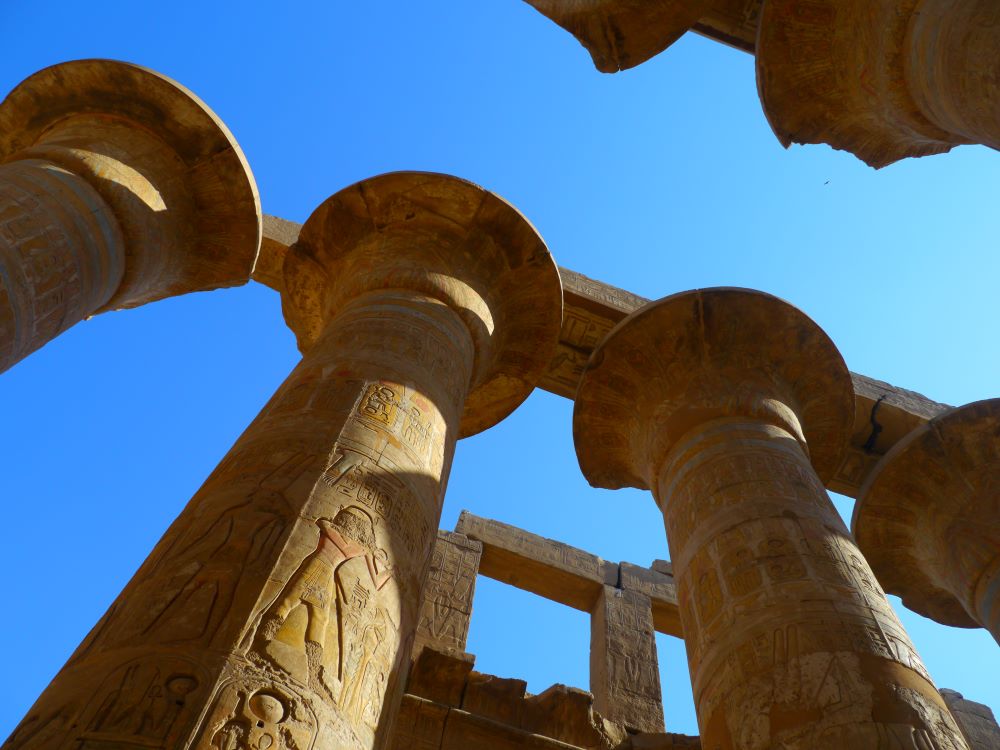
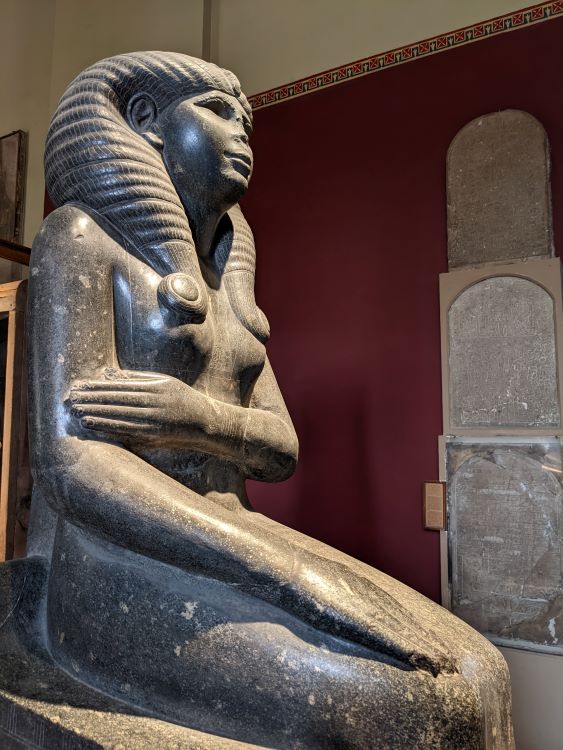
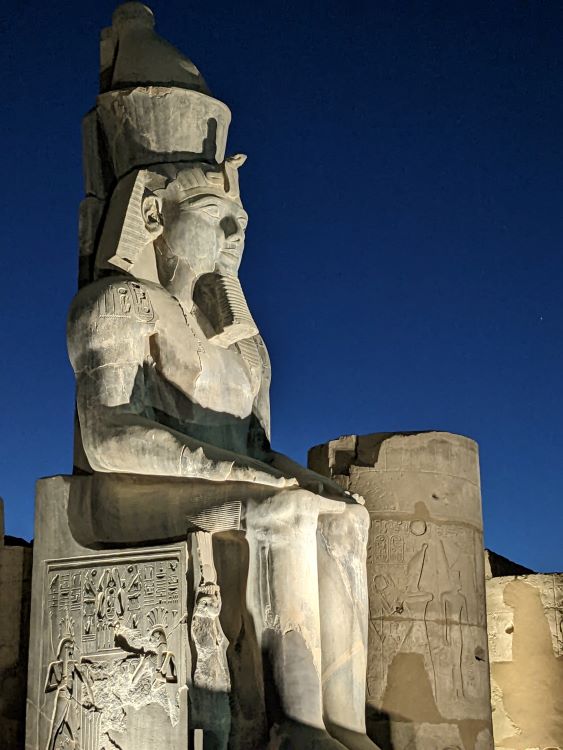
Outside the city, it’s easy to know whether you’re on the Nile’s west or east bank just by the kind of sites you visit. The West Nile was considered the Land of the Dead by ancient Egyptians, so most tombs of Egypt’s pharaohs are west of the river both beneath massive pyramids and hidden within the Valley of the Kings. Temples—such as Karnak, in the centre of modern Luxor—are generally on the east side of the Nile. They were monuments to the living gods as well as palaces, treasuries, administrative centres, and thriving cities.
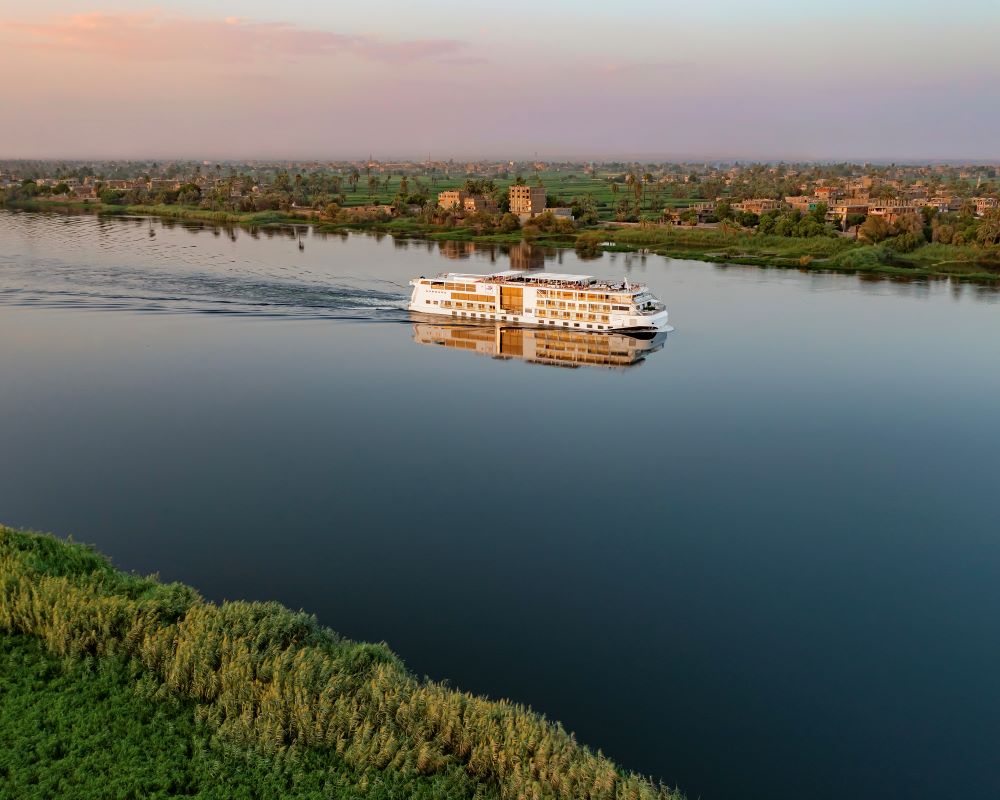
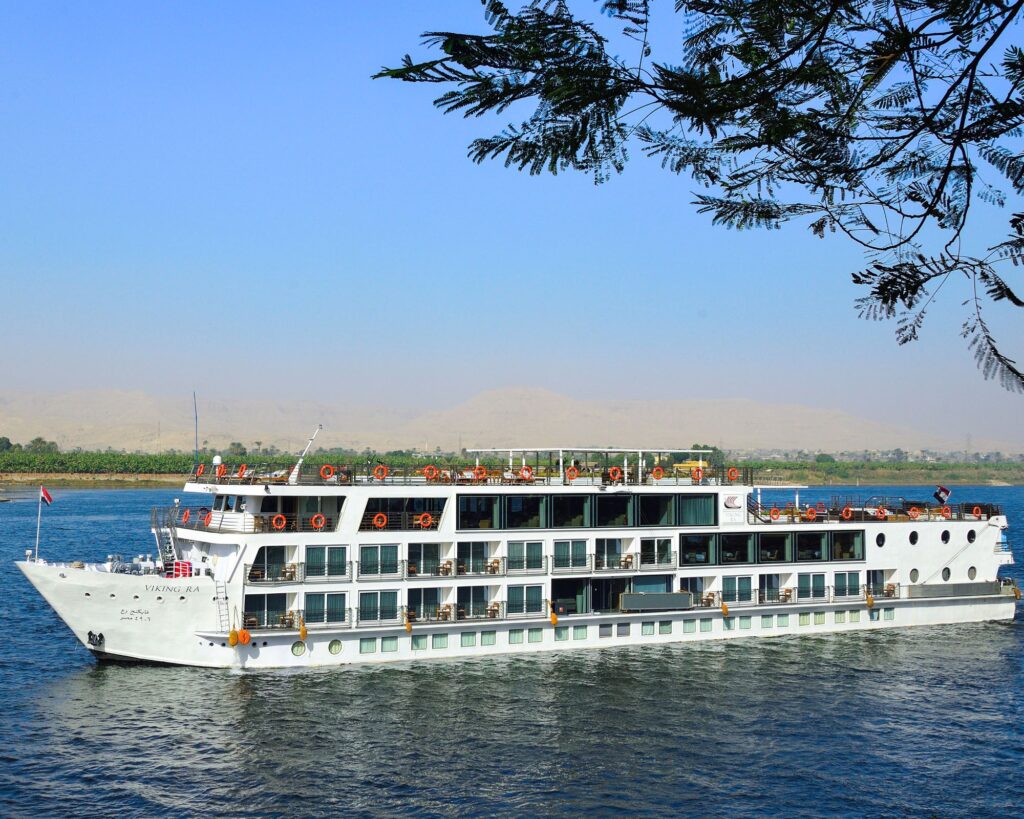
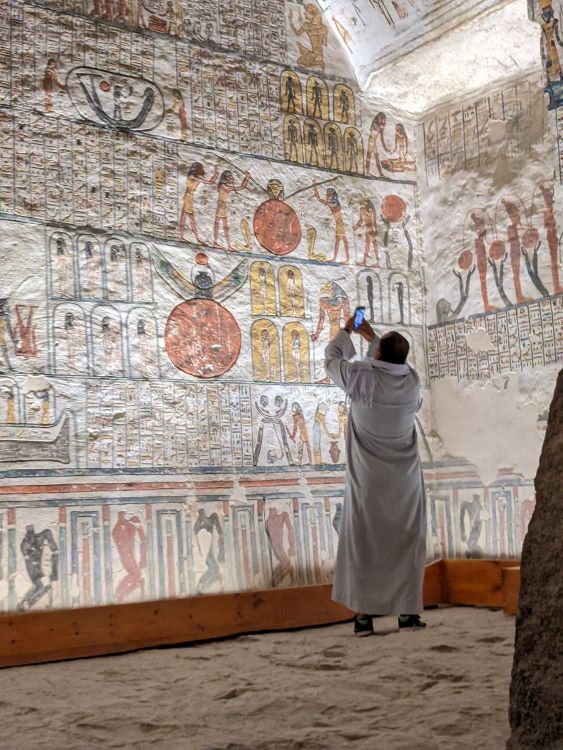
On a cruise with Viking, you’ll see these stunning sites in luxury with most nights aboard one of their specially-built Nile ships. Unlike most other cruises, with Viking you cruise the Nile in both directions. This makes it easier to avoid the crowds at popular stops like the Kom Ombo temple, provides time to see lesser-visited sites like Edfu, and includes privileged access to Nefertari’s tomb. Plus you’ll feel rested with plenty of time to enjoy Viking’s exceptional onboard service.
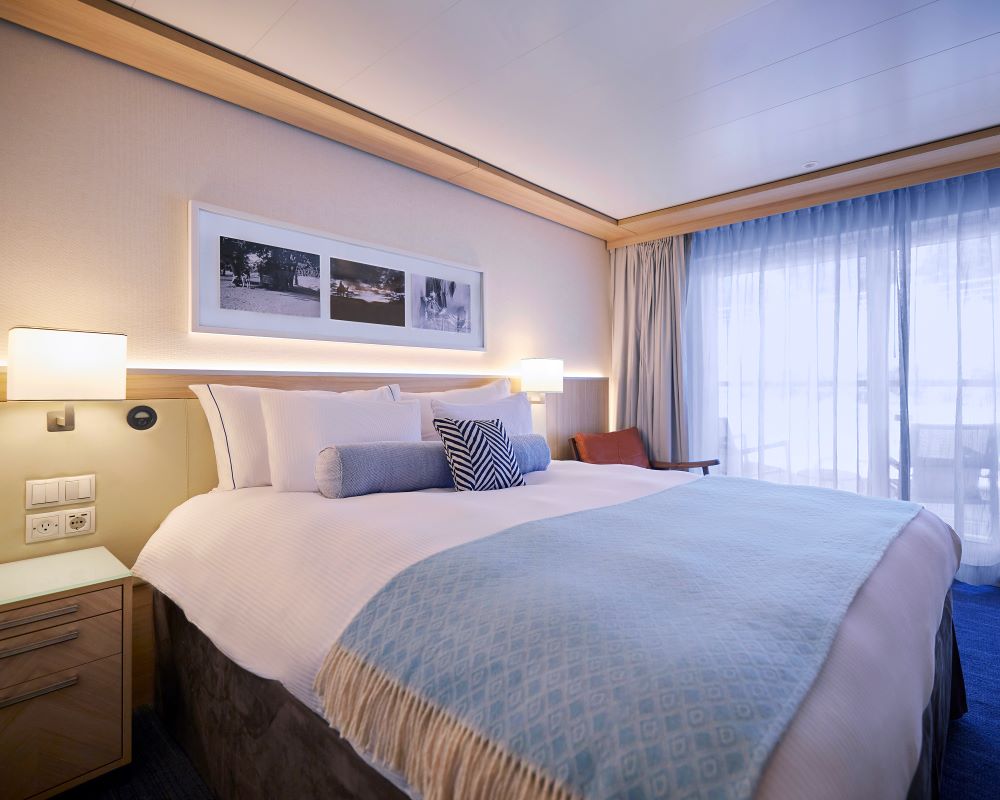
Viking’s Nile ships are for 52, 62, or 82 guests. On smaller ships like the Viking Ra, there’s a choice of two types of two-room suites, either with floor-to-ceiling windows or with a veranda off the living room and a French balcony off the bedroom. On the larger ships, like the new Viking Hathor and the Viking Sobek, you can choose between a stateroom, a veranda stateroom, a two-room suite with both veranda and French balcony, plus the massive explorer suite. Or there are classic Nile ships such as the MS Antares, where every stateroom has a French balcony and bathrooms have both a jetted shower and a jetted tub.
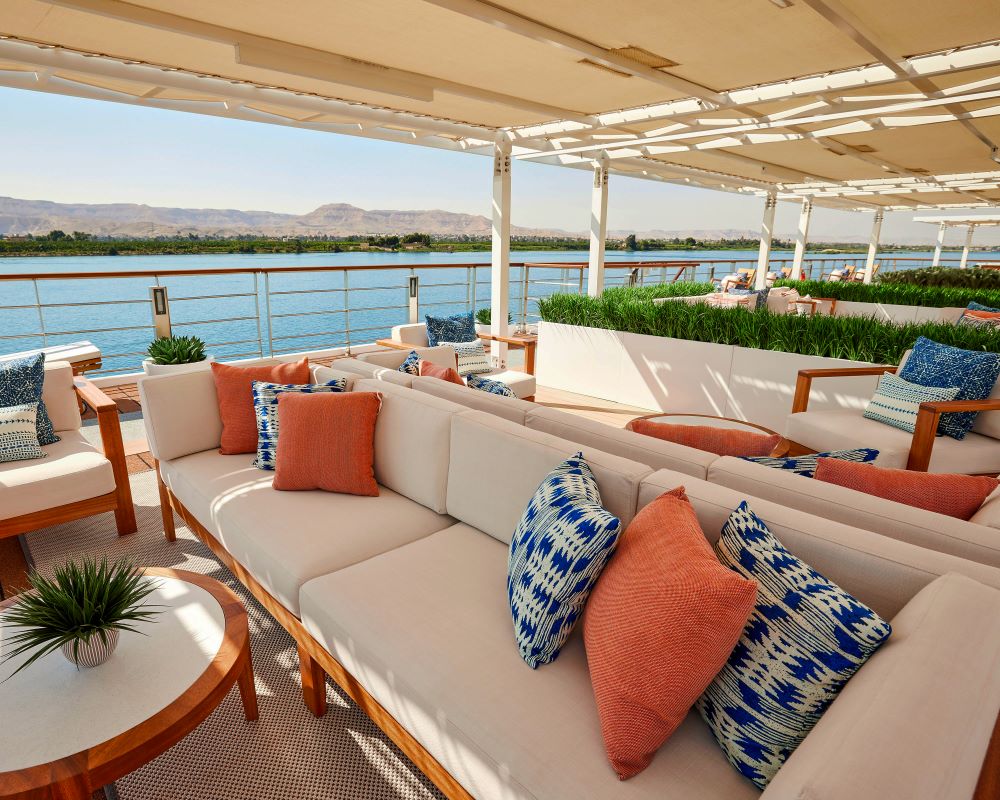
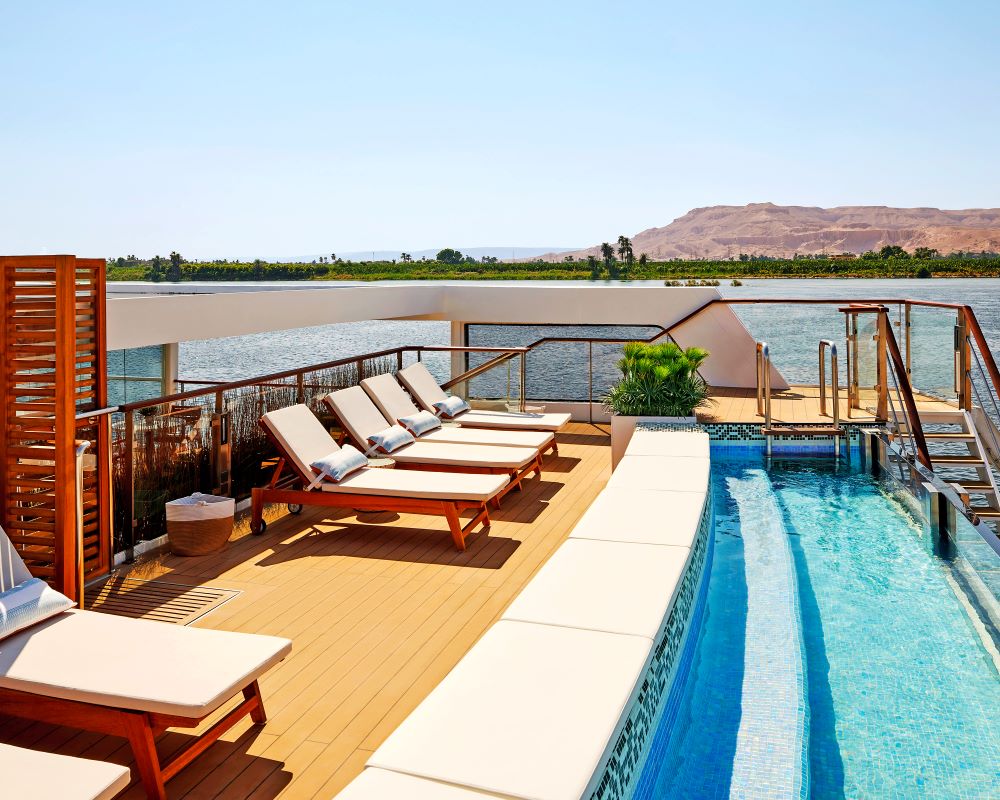
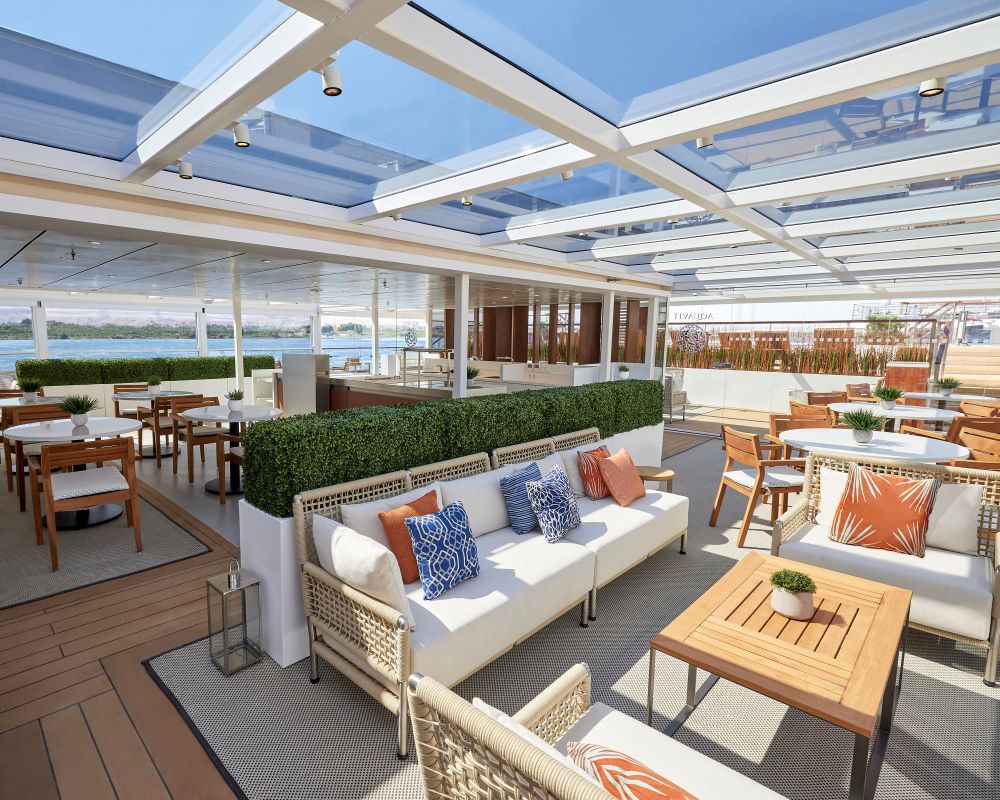
On all of Viking’s ships, including ones that sail the Nile, there’s plenty of space to lounge, chat with fellow guests, learn from the crew, and admire the views of VIking’s curated destinations. On a Nile ship, you can take a dip in the rooftop pool, sip something cool in the sun or shade, and relax indoors gazing out of floor-to-ceiling windows in the lounge and restaurant. On Viking’s newer Nile ships, you can also enjoy the unique indoor-outdoor Aquavit Terrace.
Viking plans four more Nile River ships, two in 2025 and two in 2026, bringing their Nile fleet to ten. With Viking, you have a wide choice of experiences and availability to see the world’s longest river from the Egyptian perspective.
Canadian Johanna Read writes about all aspects of travel but especially loves to encourage responsible tourism. Based in Vancouver, she balances life as a freelance writer and as a management consultant helping create psychologically and physically healthier workplaces. Johanna’s bylines include National Geographic, TIME, Travel + Leisure, Lonely Planet, Forbes, and Fodor’s. She’s keen on making life as stress-free as possible — for both travellers and residents of the places we visit — and tries to encourage travel that’s culturally, economically, and environmentally sustainable.