South Africa Tourism Projects Robust Growth in 2026 after Strong 2025 Recovery
South Africa’s industry leaders are projecting accelerated arrivals and investment following a strong recovery in 2025, according to report.
The Rainbow Nation has entered 2026 with surging international arrivals and ambitious infrastructure plans, signaling a shift from pandemic recovery to sustained economic momentum in its vital tourism industry.
By October 2025, the country welcomed 8.56 million visitors 1.3 million more than the same period in 2024, including both road and air arrivals according to Tourism Update interviews with top officials.
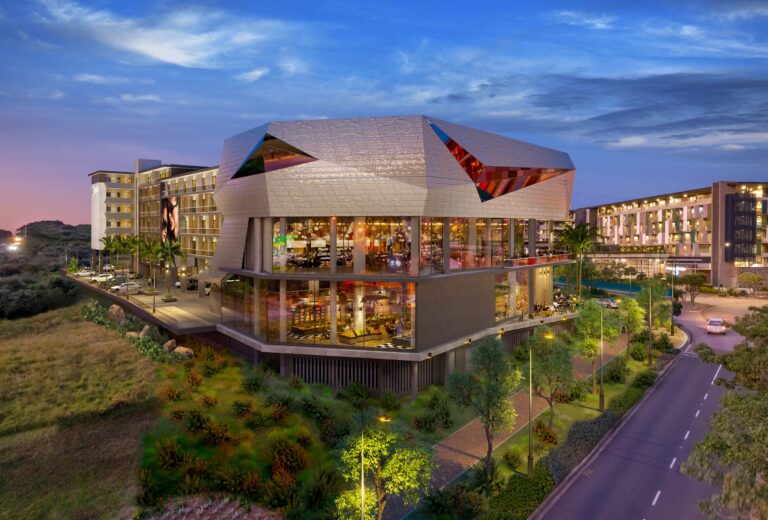
Minister of Tourism Patricia de Lille declared that the industry has “finally buried the COVID-19 narrative in 2025,” with focus now on “growth, momentum and delivery.” She highlighted South Africa’s edge as a long-haul destination through affordability, diverse landscapes, and new experiences, such as the nation’s first Club Med resort north of Durban, set to open in July 2026.
Air access improvements underpin the optimism. Qantas relaunched its direct Perth-Johannesburg route in December 2025, part of broader expansions under the Tourism Growth Partnership Plan. The Electronic Travel Authorisation rollout for visitors from India, China, Mexico, and Indonesia promises smoother entry, while priorities like safety, product diversification, job creation, and marketing persist.
De Lille also touted the Tourism Infrastructure Investment Summit, a G20 legacy project returning in 2026 to drive partnerships and employment [Department of Tourism]. Global exposure from the November 2025 G20 Leaders’ Summit continues to boost the brand, with calls to promote townships, villages, and small dorpies. Sports events, including LIV Golf in March 2026 and preparations for the 2027 Cricket World Cup, will further elevate visibility ahead of Meetings Africa and Africa’s Travel Indaba.
Recovery Gains, With Regional Gap
Overseas arrivals hit 90 percent of pre-pandemic levels through late 2025, surpassing 2019 figures from the United States (104.4 percent) and Australia (108.5 percent), said David Frost, CEO of the Southern Africa Tourism Services Association. Yet core European markets lagged: Germany at 84.2 percent and France at 79.8 percent, underscoring needs for targeted campaigns.
“What you see today is shaped by what you did, or did not do, 18 months ago,” Frost noted, urging coordinated government-private sector action on visas, air links, and geographic spread.
Brett Tungay, national chairperson of the Federated Hospitality Association of Southern Africa, forecasted 4 to 5 percent hospitality growth from international visitors, though domestic woes — sluggish economics and a local election year — cloud the mid-market. He eyed 10 to 15 percent potential with stronger public-private ties and global confidence.
Tungay warned of South Africa’s “bipolar” tourism footprint, thriving in Cape Town and Kruger but starved elsewhere, and decried regulatory burdens on small businesses. A bright spot: National Public Works secured 15 seafront properties in Ray Nkonyeni Municipality for 20 years, ending uncertain leases for South Coast operators.
As events and investments align, South Africa’s tourism infrastructure stands poised to draw more airlines, visitors, and revenue nationwide.