Garri, Drums, and Community: Discovering Ikwerre Culture and Lifestyle
Culture is a collective, learned inheritance that gives people identity. It includes shared memories, beliefs, traditions, and social norms. Culture lives in language, music, rituals, and stories; it explains why certain greetings feel natural, why some celebrations matter deeply, and why particular values feel non‑negotiable.
Lifestyle is culture in motion — the personal expression of how individuals or groups live. It covers the way people work, dress, communicate, and consume content. Lifestyle is shaped by culture but remains personal, a daily practice of inherited values and new choices.
A snapshot of the Ikwerre people
The Iwhuruohna, also known as the Ikwerre people, are rooted in community, respect, and shared identity. They live in central Rivers State in southern Nigeria, including Ikwerre Local Government Area, Obio/Akpor, Emohua, and Port Harcourt. Fertile soil, rivers, and creeks have long supported farming, fishing, and trade.
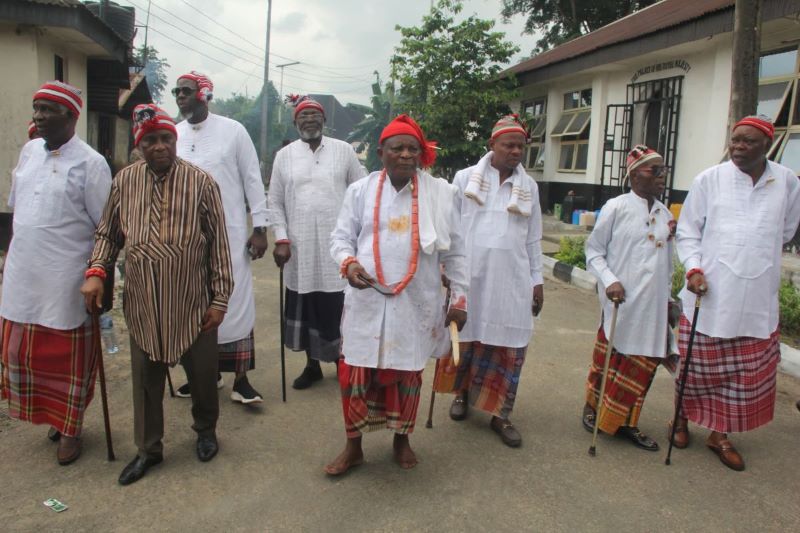
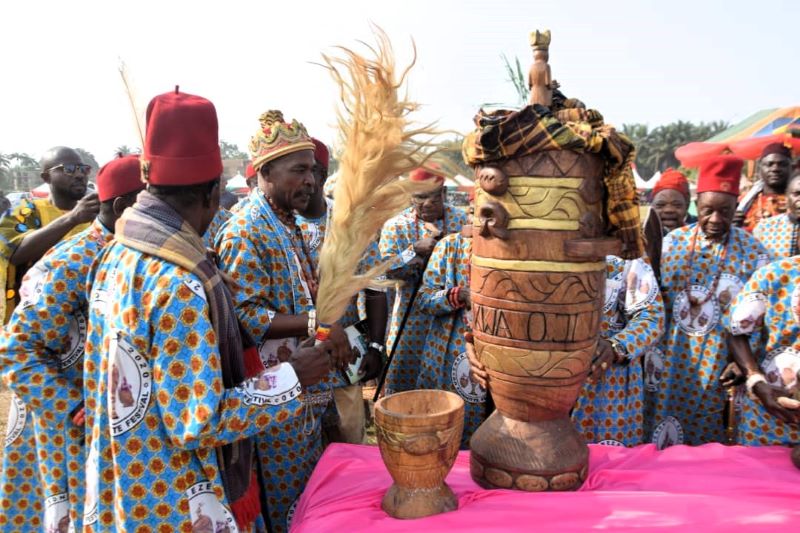


Their culture is visible in music — both ancient rhythms and modern live bands — waist dancing, Egelege (wrestling), local cuisine, and ceremonies that celebrate life, land, and togetherness. Family ties are strong, and traditions are passed down through stories, festivals, and everyday practices.
Food as identity
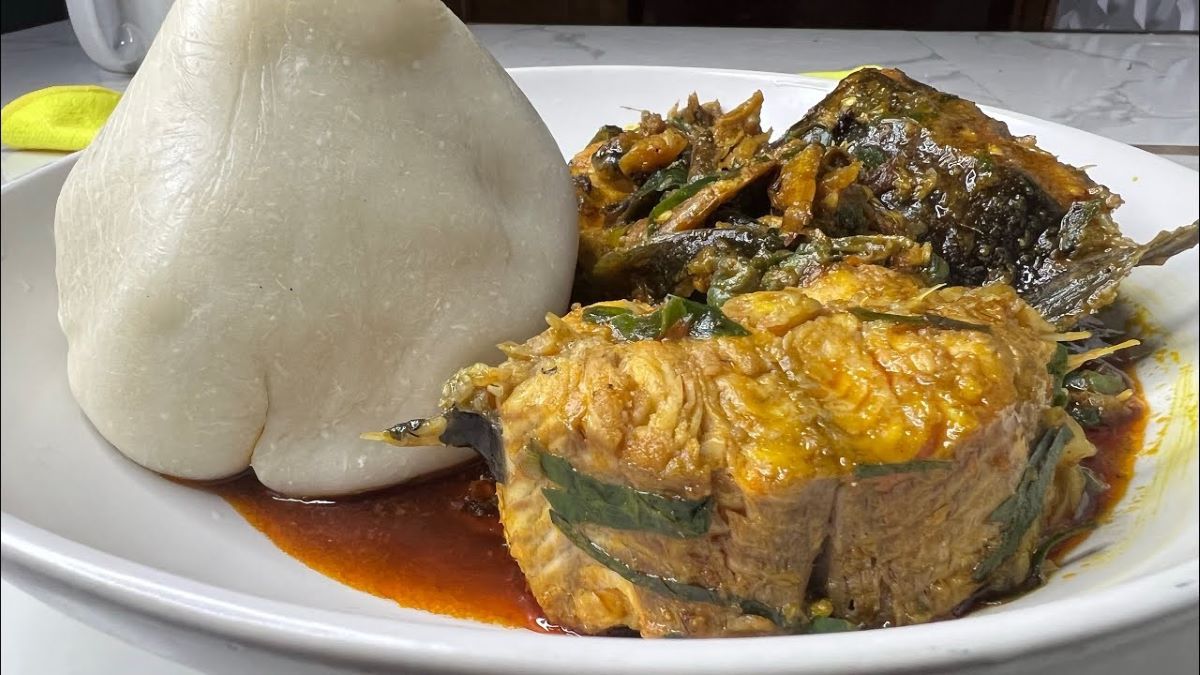
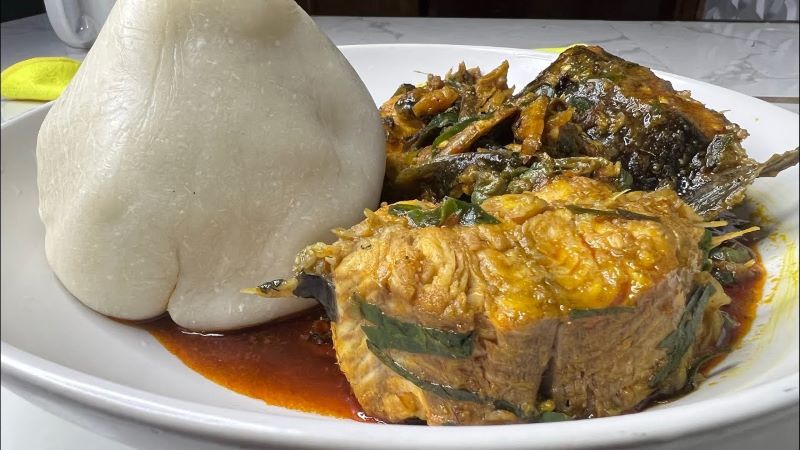
One of the most distinctive Ikwerre dishes is Ndu, a way of eating garri (cassava flakes) without soup. While many Nigerian groups are identified by particular soups, the Ikwerre are known for mini‑wiri, a native preparation using Okazi leaf and generous proteins — fresh fish, beef, and periwinkle (without the shell). The Ikwerre demonstrate that garri can be enjoyed simply and deliciously, a reminder that food traditions can surprise and delight visitors.
Rituals, respect, and hospitality
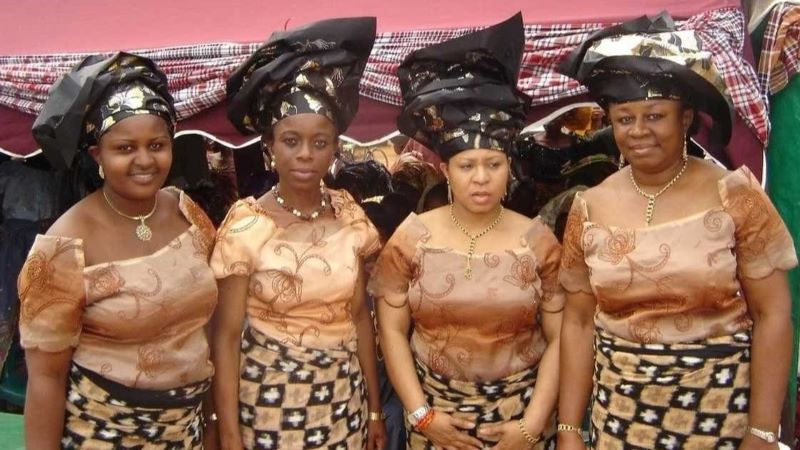
Every occasion in Ikwerre life is a reason to celebrate — birthdays, graduations, weddings, and funerals are all marked with ceremony. Respect for elders and warm hospitality shape daily interactions: men commonly greet one another with a handshake; women may bow slightly, and gestures of kindness and appreciation are woven into social exchanges. These practices create a strong sense of belonging and community cohesion.
When culture and lifestyle meet
Culture and lifestyle often align, but they can also clash. You might love your cultural roots while questioning some expectations — that tension is not failure, it’s growth. Today many people mix and match: keeping the parts of culture that feel right and reshaping the rest to fit modern life.
Social media has amplified this dynamic, turning lifestyle into a performance where everyone’s life looks aesthetic and perfectly balanced. The risk is forgetting that real life is messy. Real culture is lived, not merely posted; real lifestyle is what works for you when no one is watching.
A travel takeaway
The goal isn’t to abandon culture or copy someone else’s lifestyle. It’s to understand the roots, question what no longer serves you, and build a life that feels good to live in. For travelers, that means showing up with curiosity and respect: listen to the music, taste the food, join a celebration if invited, and notice how everyday gestures reveal a people’s history.
Culture reminds you where you come from; lifestyle reflects where you’re going. When both are allowed to evolve naturally, life — and travel — feel less like pressure and more like a story unfolding, one ordinary day at a time.