
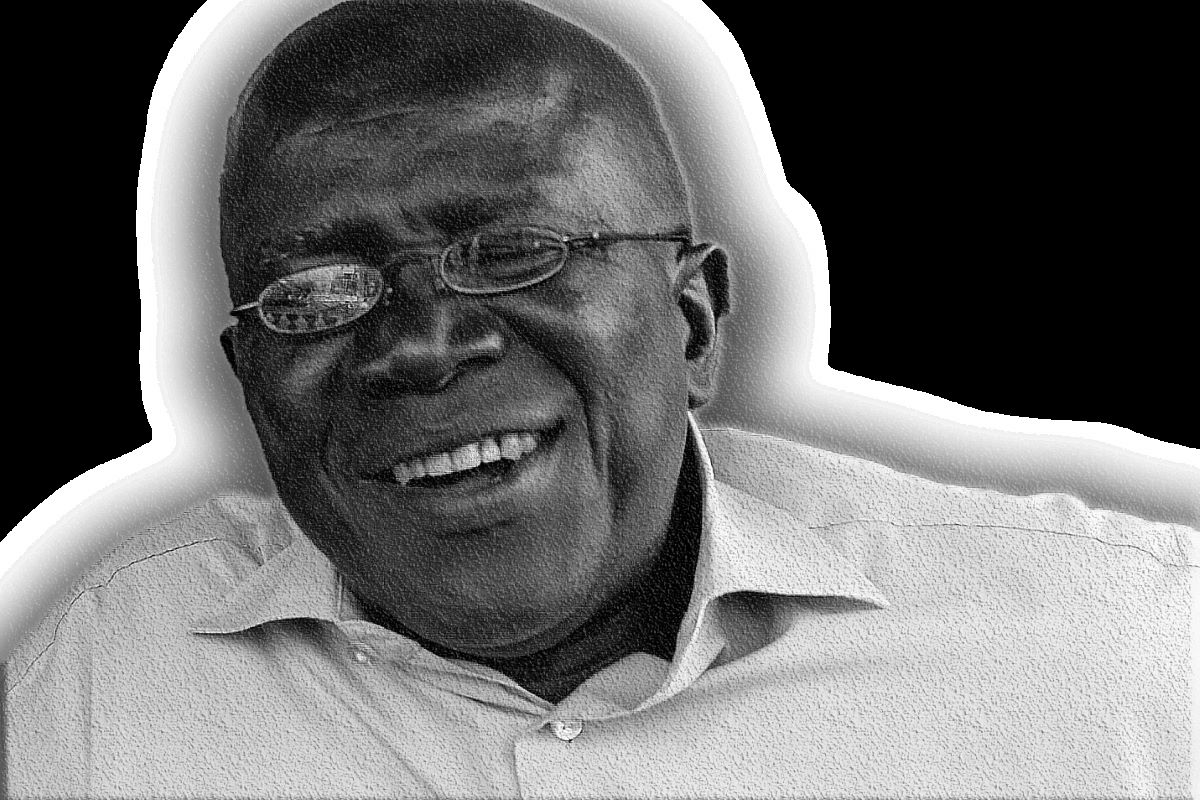
The Sentinel of Senegambia: Remembering Abdulraman Conteh
Editor’s Note: My first contact with Abdulrahman Conteh was a phone call from Kaolack, Senegal, as I struggled to navigate toward Janjangbureh back in 2015. He was the only operator who answered. From negotiating with immigration officers at the Farafenni border to ensuring I reached the Senegambia Strip safely, Conteh was my guardian through The Gambia. Before I departed, we sat for an interview that, until now*, remained unpublished. Sadly, Mr. Conteh passed away in May 2017. This is his story, in his own words.
From Soldier to Sentinel of Culture
My name is Abdulrahman Conteh. I am 54 years old and I come from a major tribe in The Gambia called the Mandinka tribe. I am a Northerner, by the way; I come from the northern part of the country. As I said, I am 54 years old and I live with my family. It might be a surprise to you, but in The Gambia, you are allowed to have as many as four wives as a Muslim. So, I live with my two wives and three sons.
The Uniform and the Vision
Well, you can call it a coincidence or whatever, but if you look into my biography—if you go back into my history—you will realize I was once a soldier trained by the British Army. I served with the Gambian Army for six years.
During my time in the army, I was posted to the Kairaba Beach Hotel, which is not far from here. I was stationed there as security, looking after a television crew from Japan. They were here working with the government, filming various locations in The Gambia. I was among the soldiers detailed to be responsible for the security of those Japanese journalists. That’s how I first got involved with excursions and the like.
That is where the idea of working in tourism came from. I realized that tourists traveling from one point to another need security, and I felt that with my army background, I could play a part in that. Tourists need to feel very secure in every destination they travel to, and I thought my experience was something I could bring to the tourism industry. I think it is actually paying dividends.
Interestingly enough, I’ve been in travel and tourism for the past 19 years. I first started as a freelance operator, assisting with excursions in hotels and on the beaches. Eventually, I was able to set up an office around the Senegambia Strip. It was initially called Gambia Adventure Safari. After about six years, I felt I’d had enough of tourism and decided to quit for two years to try a different business.
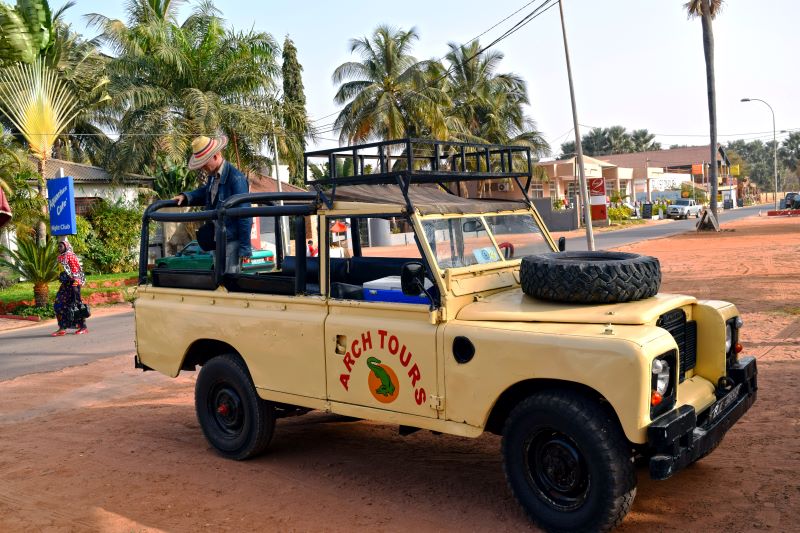
When I got into something else, I realized that the only thing I truly wanted to do involved tourism; so I came back in 2004. I started what we call ARCH Tours, an acronym for African Real Culture and Historical Tours. At the moment, we have eleven boys and four girls working with us. We have a fleet of six open-top 109-series Land Rovers, as well as two omnibuses and a minibus.
Reclaiming our “Diamond”
In the beginning, it was a struggle. Before the internet became popular in The Gambia, tourists were often misinformed about what they could do here. All the major players in those days were foreign investors—Europeans who were involved in Gambian tourism. After a while, we realized it was high time for us, as Gambians, to take our rightful position in the industry. That’s how I began working as an operator.
If you know a little bit of the history of The Gambia, we are a very poor nation. We don’t have oil like you do in other parts of Africa. We don’t have minerals like diamonds. So I think our “diamond”—our main resource other than agriculture or fisheries—is tourism. It plays a very big role, especially for the Gambians engaged in the sector, and it is a high income earner for the government.
Facing the Realities
I think sex tourism is not just a Gambian or Senegalese problem; it is everywhere in the world. Wherever tourists go, it attracts that element. The Gambia is a 90% Muslim nation. Muslims here in The Gambia really do not like prostitution.
I believe that for every advantage, there is a corresponding disadvantage. We gain a lot from tourism, but we also have to accept the downside, such as child sex tourism. However, the Gambian government, in collaboration with the Gambia Tourism Board, is doing a lot to put an end to it or minimize it.
As I said, this is a worldwide tourism problem. Whether in Thailand, Bangkok, or elsewhere, tourism can encourage people to enter prostitution. Interestingly, I can say that 90% of the prostitutes in The Gambia are not actually Gambian. For Gambians, it is a taboo. You could be forsaken by your family because it brings shame not just on you, but on your entire lineage. Most Gambian girls wouldn’t get involved unless influenced by other nationals from different parts of Africa, whom I don’t have to name (smiles).
The Unfinished Journey
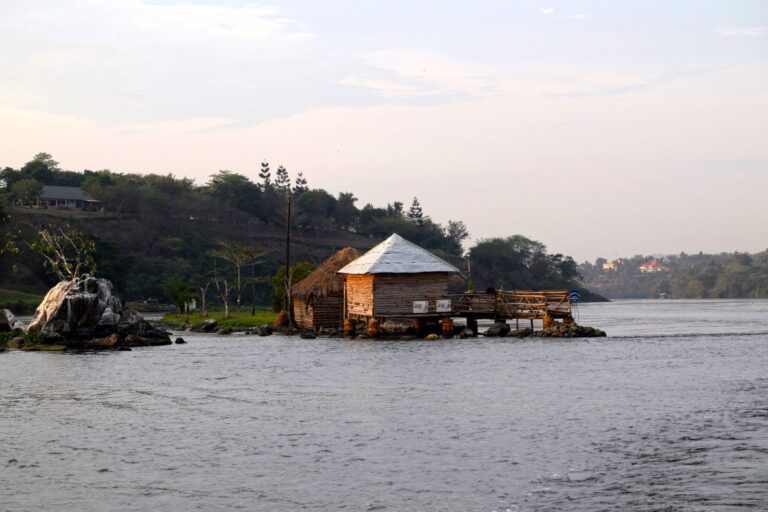
I don’t think tourism in The Gambia has been exploited to its fullest potential. For example, if you go to Janjanbureh (Georgetown), you see the river. That river should be used as a means of providing income, not only through tourism but also through agriculture. Regarding tourism in Africa as a whole, I think it is a way we can integrate and promote our varied cultures and traditions. Tourism can bring the African continent together if we realize the potential involved. I always say to my staff that if I have to travel, I’d rather travel within Africa than to Europe. I still need to learn a lot about African cultures and traditions because, one way or another, we are interrelated. We may speak different languages and come from different regions, but at the end of the day, we are one big family.
*This interview was eventually published in Travels & Thrills magazine Vol 1: issue 2 (April 2025).


This was a deeply moving and important story to read. Abdulrahman Conteh’s journey reflects the resilience, dignity, and vision that define so many unsung heroes within The Gambia’s tourism sector. His transition from military service to cultural ambassador shows how leadership can evolve into service in different forms.
As a Gambian entrepreneur, I especially appreciate the emphasis on reclaiming our place within our own tourism industry and recognizing tourism as one of our nation’s true “diamonds.” Stories like this preserve history and remind us of the responsibility we carry to protect both our culture and our integrity.
Thank you for documenting and sharing his voice.