Editorial: Shadows Over the Rainbow Nation
Reconciling South Africa’s beauty with its anti-foreigner protests and xenophobic attacks
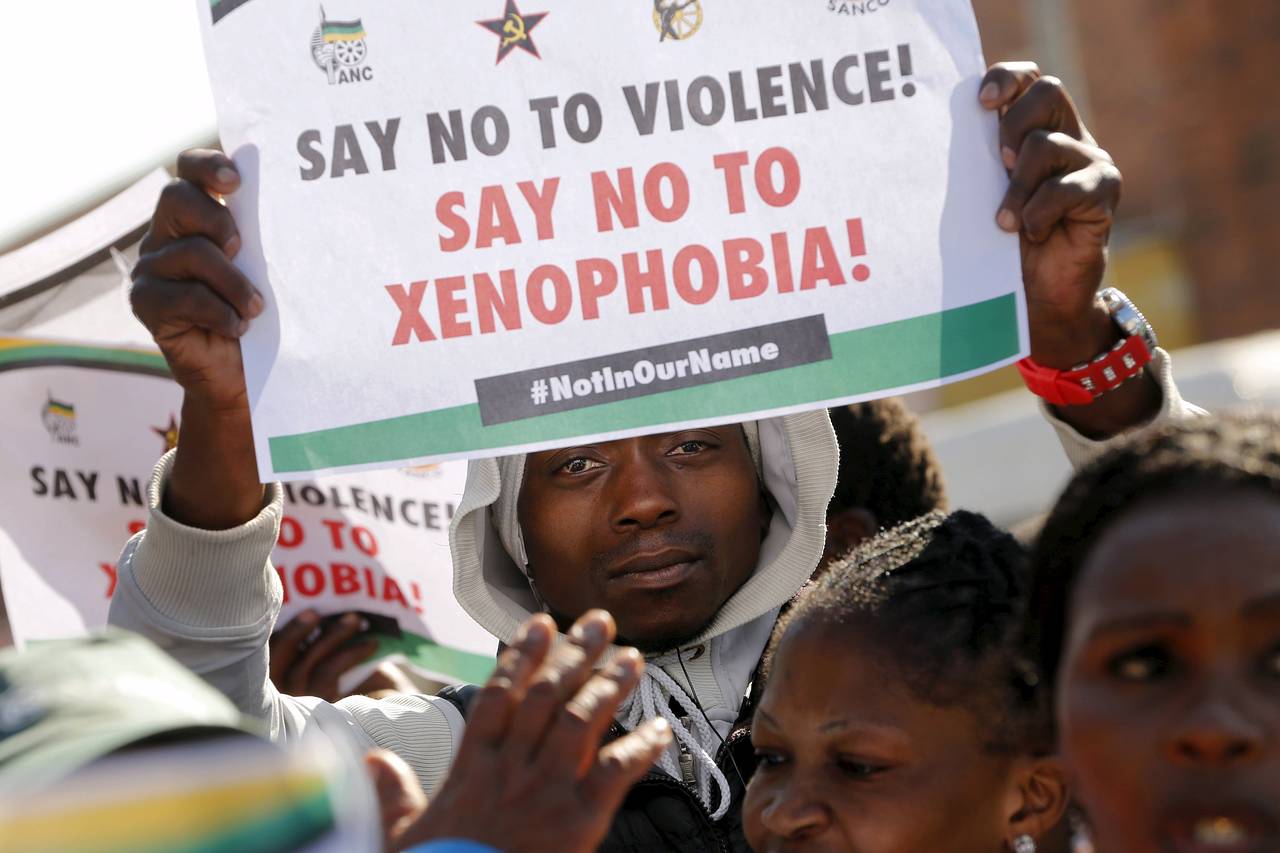
Recent videos circulating on social media depicting violence against foreigners in South Africa have once again thrust a deeply troubling issue into the spotlight: xenophobia and its far-reaching consequences. While these incidents may not represent the views of the majority, their virality in today’s digital age amplifies their impact, shaping perceptions both across the continent and globally.
I recall my own visit to South Africa for a conference. It was a brief stay, yet it offered a glimpse into the country’s undeniable allure. From the moment I arrived, the journey from the airport to the hotel revealed a landscape of striking beauty, organized infrastructure, and a destination clearly positioned for global tourism. Even within the limited scope of my movement, it was easy to see why South Africa remains one of Africa’s most visited destinations. Yet, the experience also left me reflecting on how fragile this appeal can be. All the beauty, investment, and promise that define the country’s tourism sector risk counting for nothing if visitors begin to feel unwelcome or unsafe.
Tourism, by its very nature, thrives on openness, safety, and cultural exchange. As one of Africa’s leading destinations, South Africa has long positioned itself as a gateway to the continent, celebrated for its diverse culture, natural wonders, and advanced infrastructure. However, recurring reports of hostility toward foreign nationals risk undermining this hard-won reputation.
The implications are severe. Perception is the primary driver of travel decisions. When potential visitors encounter images of violence, fear and uncertainty replace curiosity and excitement. This erosion of confidence does not only affect international arrivals; it strikes at the heart of intra-African travel, a sector gaining momentum as a key driver of regional integration and economic growth.
Beyond the tourism sector, such incidents challenge the broader vision of African unity. Initiatives like the African Union’s Agenda 2063 and the African Continental Free Trade Area (AfCFTA) emphasize the importance of free movement, collaboration, and shared prosperity. Xenophobic violence stands in direct contradiction to these goals, creating divisions where unity is most needed.
It is crucial, however, to approach this issue with nuance. Socio-economic pressures, including high unemployment and deep inequality, often fuel tensions within communities. While these challenges are real and urgent, they cannot justify violence or discrimination. Addressing the root causes requires coordinated efforts from governments, civil society, and regional bodies to ensure that economic grievances do not metastasize into hate.
For South Africa, the path forward lies in reaffirming its commitment to inclusivity, strengthening law enforcement responses to such incidents, and investing in public awareness campaigns that promote tolerance and coexistence. Equally, there is a need for stronger continental dialogue to address migration, economic disparity, and social cohesion.
From a tourism perspective, rebuilding trust is critical. This involves not only ensuring the physical safety of visitors but also actively communicating these efforts to the global community. Transparency, accountability, and consistent messaging will be key to restoring confidence.
Ultimately, Africa’s strength lies in its diversity and interconnectedness. Violence against foreigners, in any form, threatens not just one nation but the collective progress of the continent. As Africa continues to position itself as a global tourism hub, fostering a culture of acceptance and unity is not just desirable—it is essential.
Cover image from WSJ.com