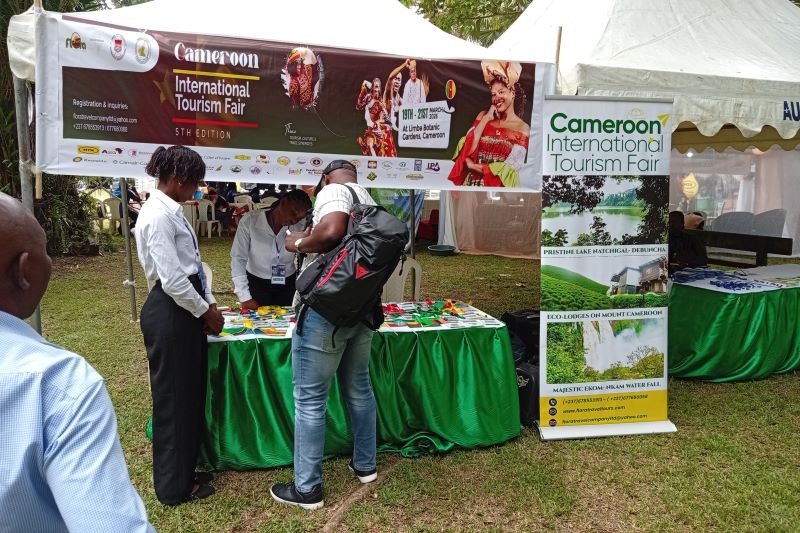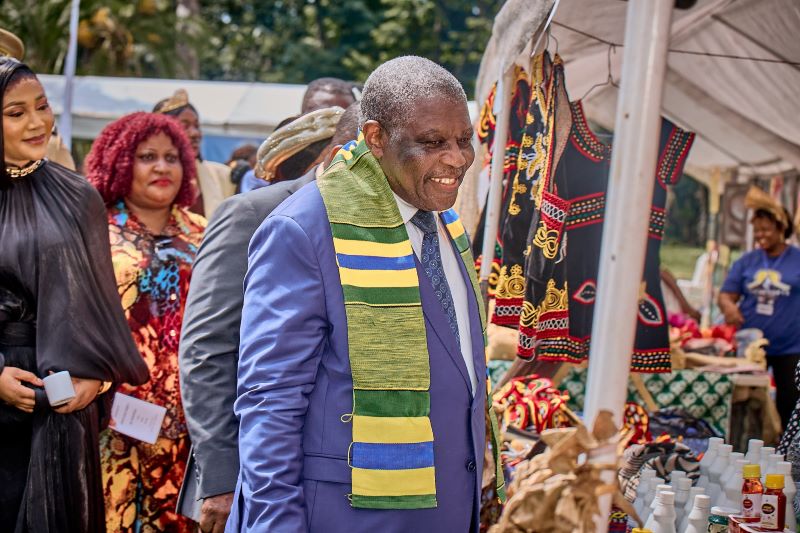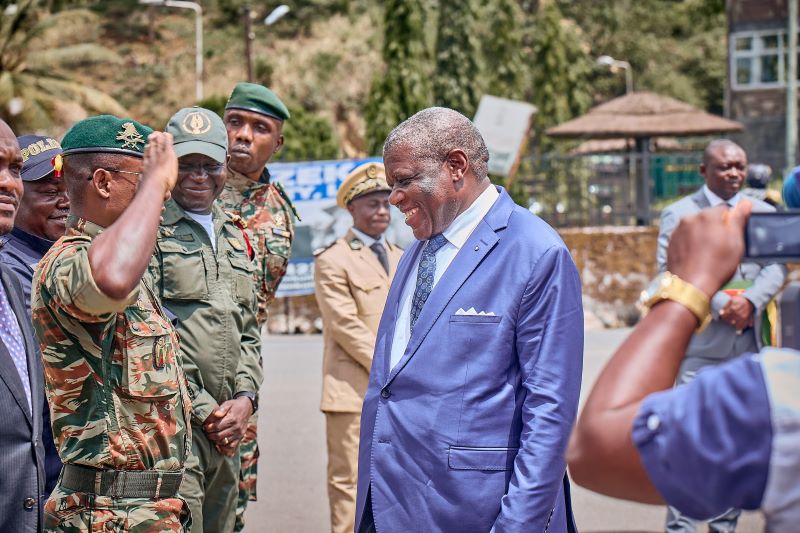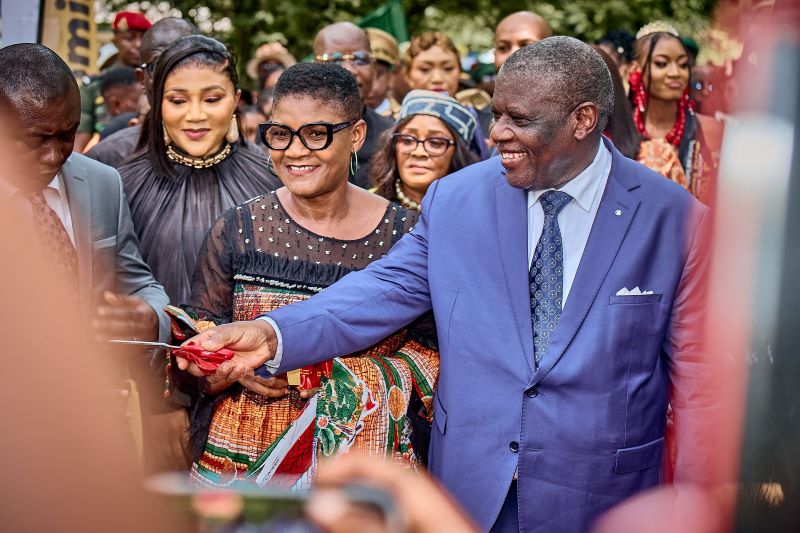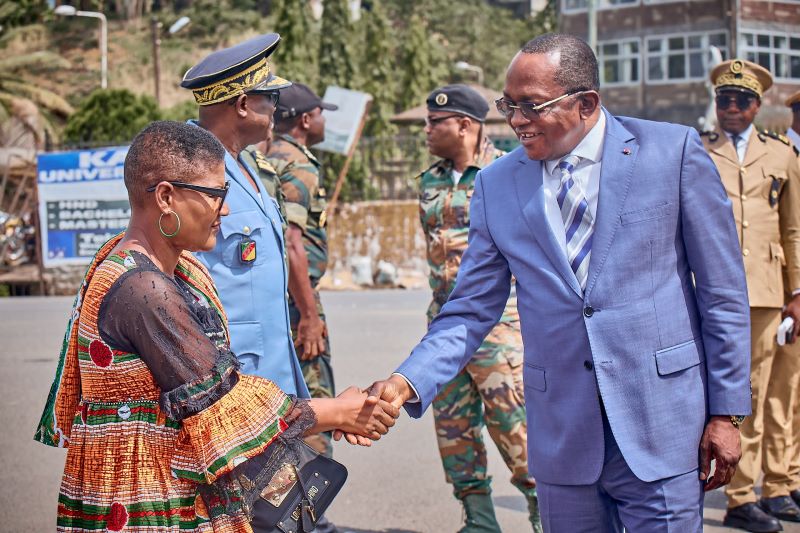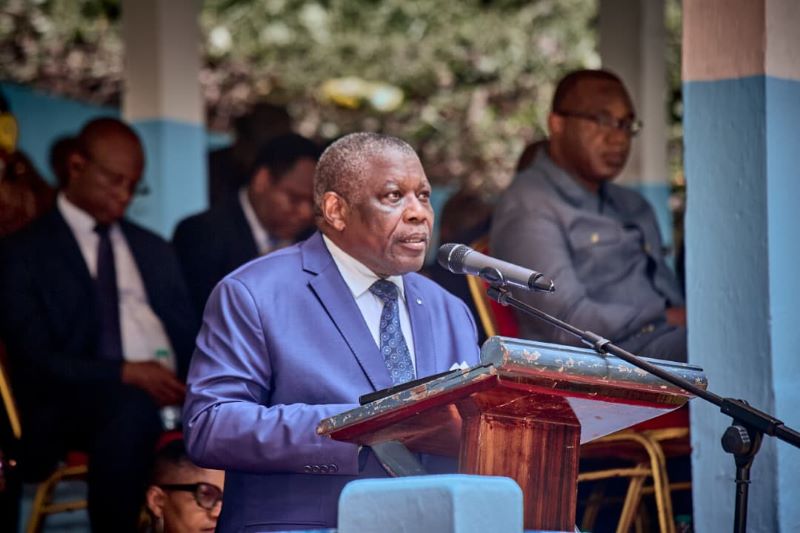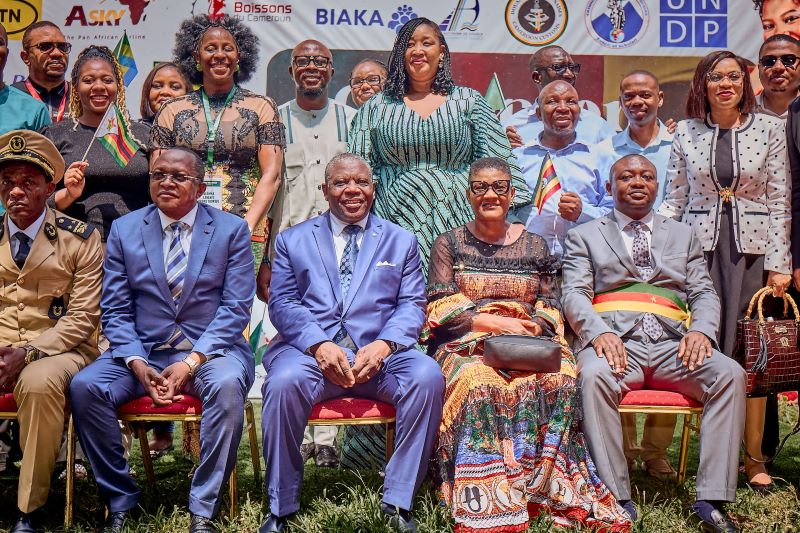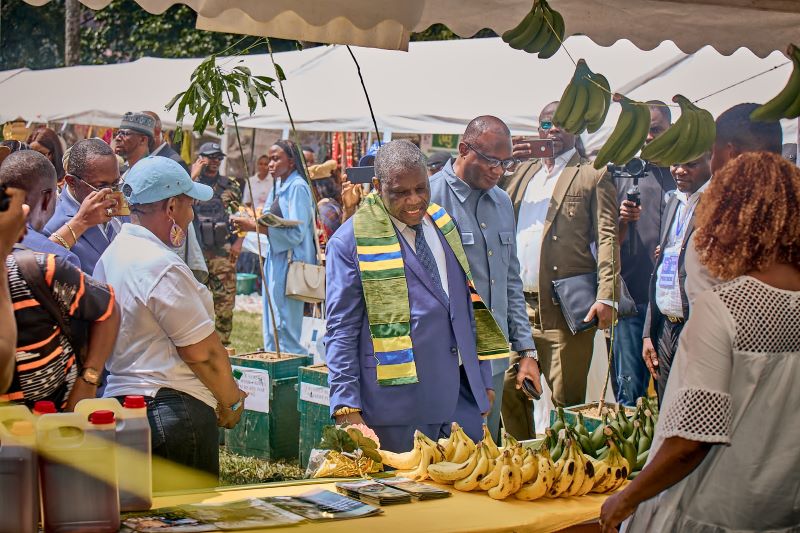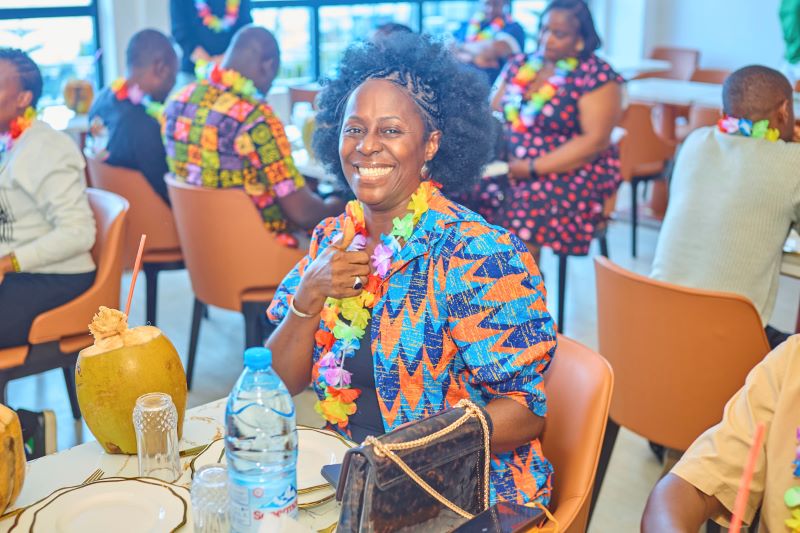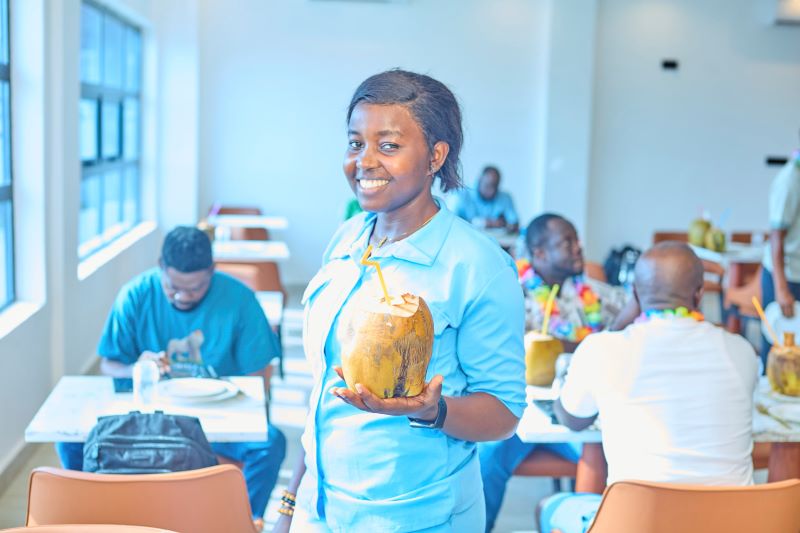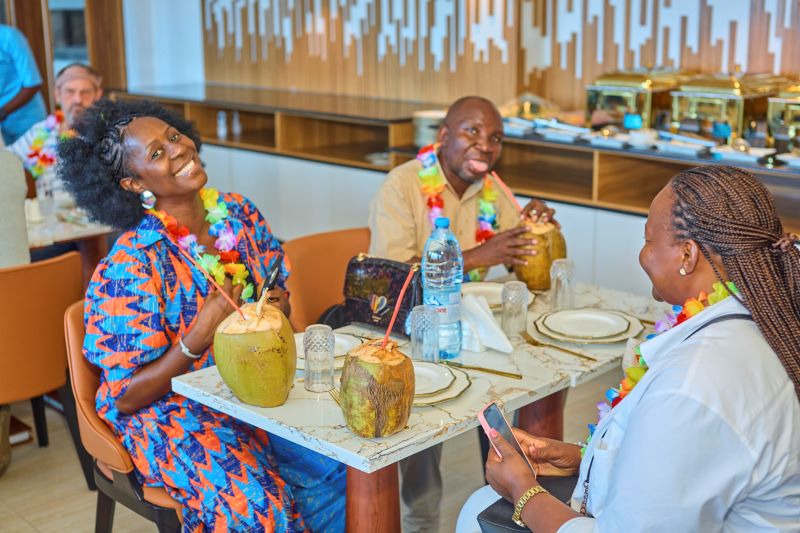
Agatha Iyok: The Woman Who Put Cameroun on the Global Tourism Map — (Part 1)
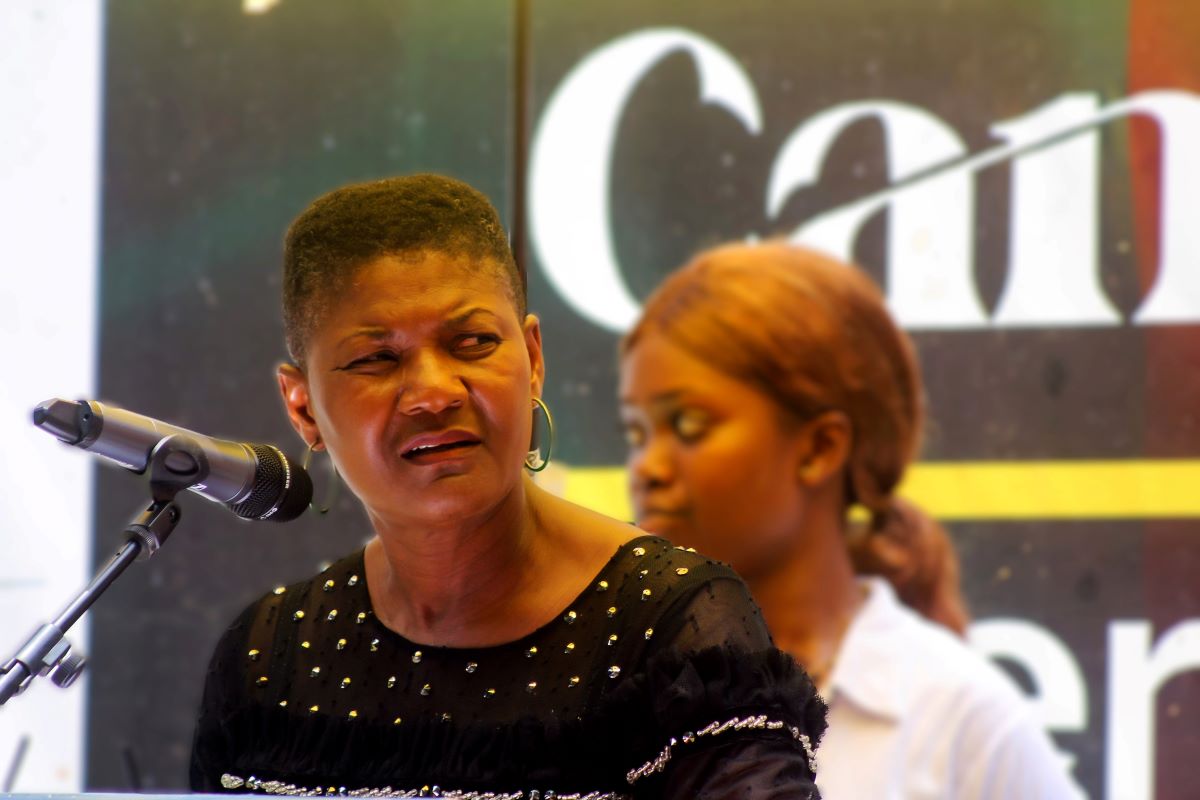
It is no secret that the central region of Africa is far behind the other regions with regards to tourism. However, while others see obstacles, some see opportunities. Meet Agatha Iyok, the amiable CEO of Flora Travel and Tours based in Limbe and organizer of the Cameroon International Tourism Fair. Discipline, dedicated and determined, Agatha has literarily emerged as the woman who put Cameroun on the global tourism map, and may well be the most important tourism personality in central Africa.
From her base in Limbe, Agatha has dedicated her career to promoting not just local destinations, but the vast, vibrant potential of National, Intra, and Inter-African travel. With a Master’s in Business Administration and a Bachelor of Laws from the University of Yaoundé, she combines legal acumen with strategic business insight to navigate and reshape the tourism landscape. Fluent in English and French as well as her native language, Agatha is married with children.
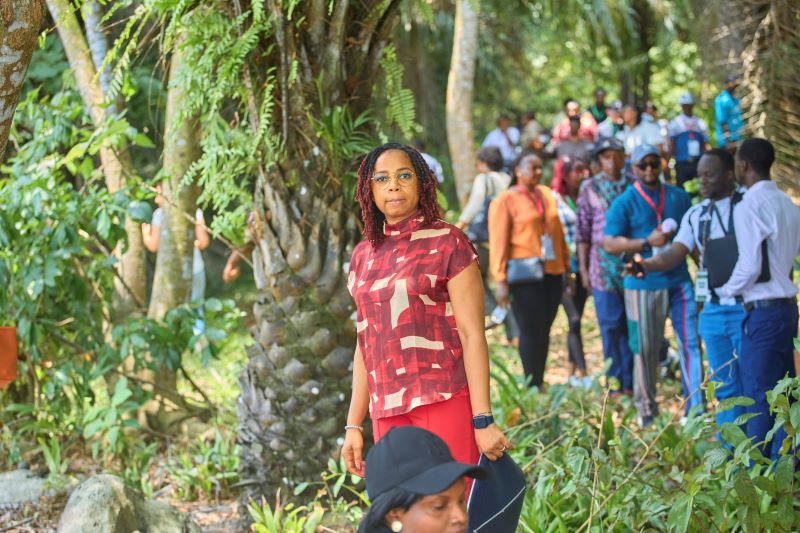
In this interview, after the conclusion of CITF 2026, Agatha discusses the challenges, opportunities and the what’s next for Cameroon and the region.
CITF 2026: Challenges
AGATHA: The 5th edition of the Cameroon International Tourism Fair presented several significant challenges typical of events of this magnitude.
First, coordinating the event calendar with the Ministry of Tourism and Leisure proved difficult, particularly in securing the Minister’s personal attendance—but in the end we succeeded.
Second, finding a date that accommodated the majority of foreign tour operators and international guests required multiple postponements.
A third challenge was addressing the local population’s limited travel culture. Domestic tourism remains underdeveloped, with many citizens reluctant to travel between regions. This mindset, combined with high international ticketing, visa fees, and lengthy transit times, further constrains both domestic and international tourism growth.
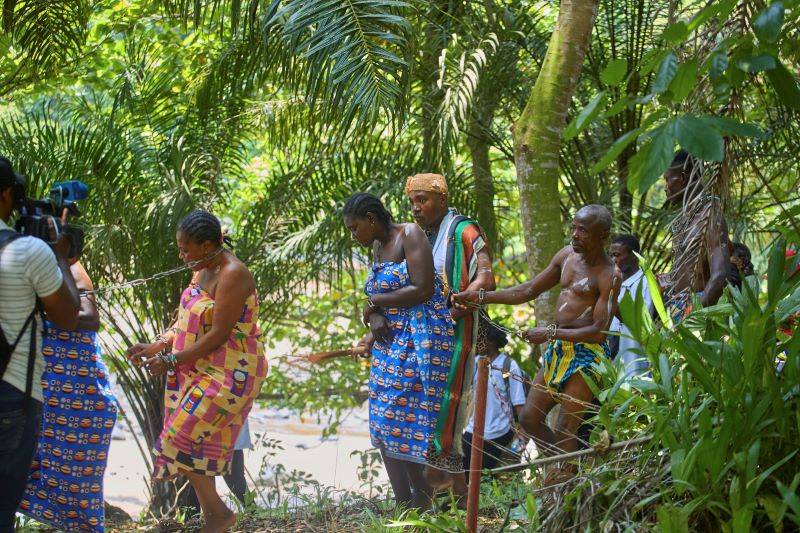
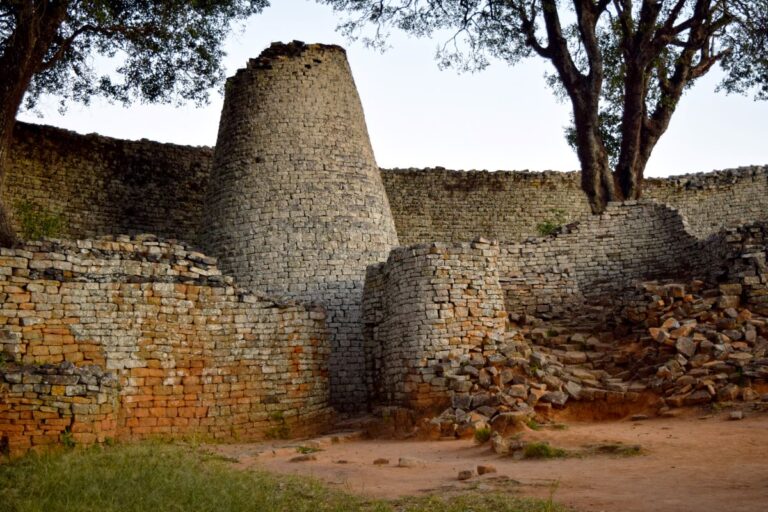
Additionally, the poor conservation of cultural heritage sites presented a significant obstacle. Many historical relics have been abandoned, damaged, or repurposed, limiting tourism potential. Finally, securing event financing proved critical. Delayed commitments from potential partners created last-minute pressure on stand allocation and logistics coordination.
********
The Vision: “Hwueijeli Weh Gbamu”
The core objective of the Cameroon International Tourism Fair, known as hwueijeli weh Gbamu (“Welcome” in the Mokpwe language), is to promote tourism not just in Cameroon, but across the entire Central African sub-region and the African continent as a whole. When we speak of the sub-region, we include Gabon, Equatorial Guinea, Congo, Chad, the Central African Republic, São Tomé and Príncipe, and our own Cameroon. These nations are breathtakingly beautiful, yet the world remains largely unaware of their potential.
Take Cameroon, for instance. When I travel abroad and mention my origin, the first question is often, “Where is Cameroon?” Even those who know it tend to think only of our football heritage—Roger Milla and Samuel Eto’o. But Cameroon is far more than soccer. We are often called Africa in miniature or “the continent” itself, because we possess every type of African people and every form of landscape.
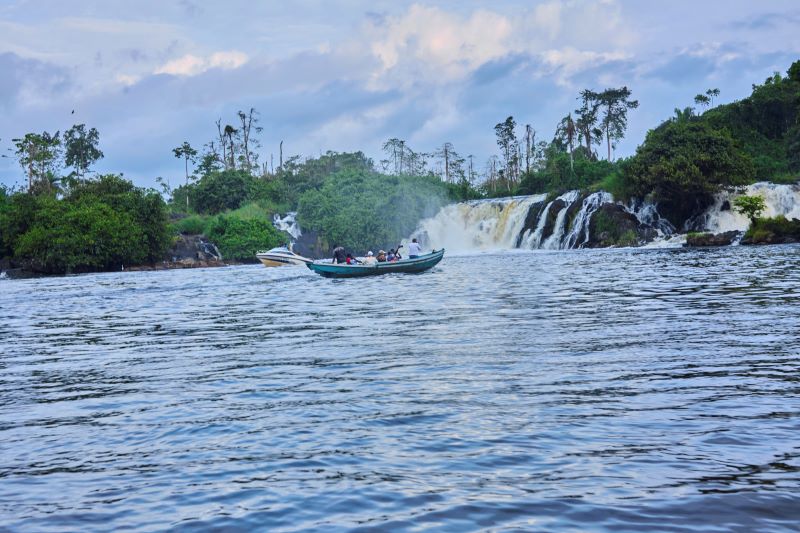
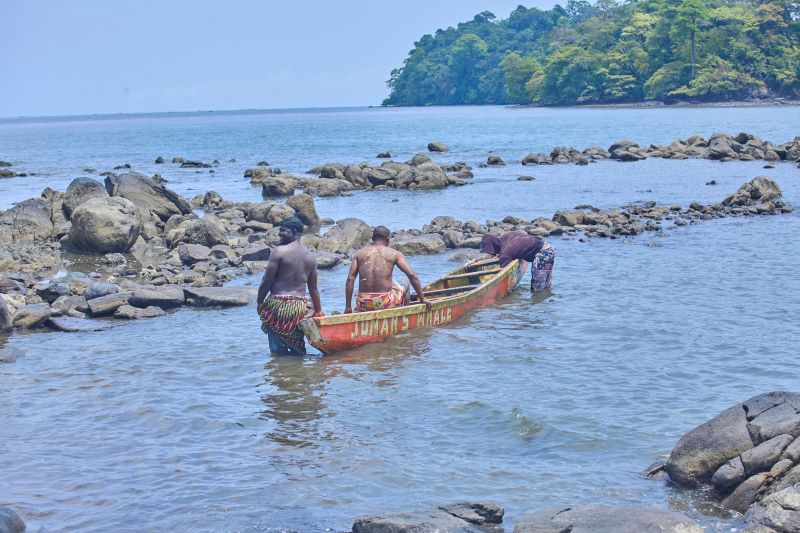
Looking at the broader Central African sub-region, we sit in the heart of the Congo Basin. This region is a treasure trove for nature tourism—ecotourism, if you will. We have lakes, waterfalls, and mountains, yet these assets remain underappreciated globally.
A Cultural Tapestry
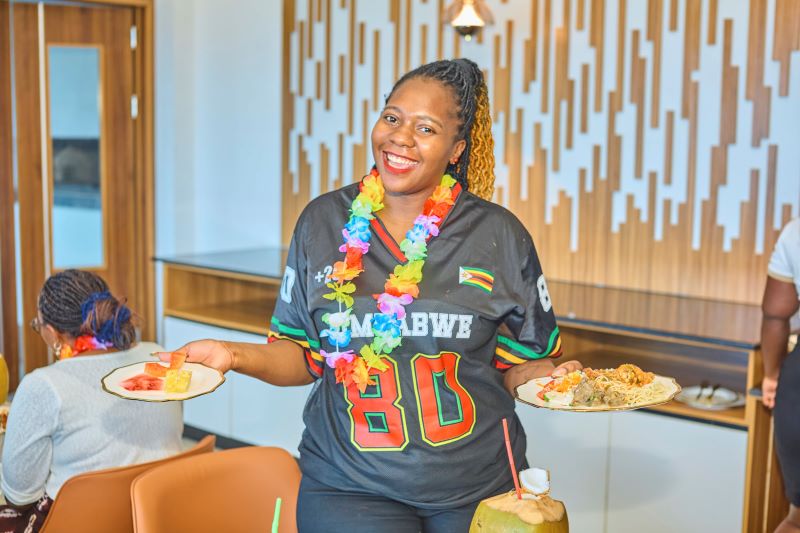
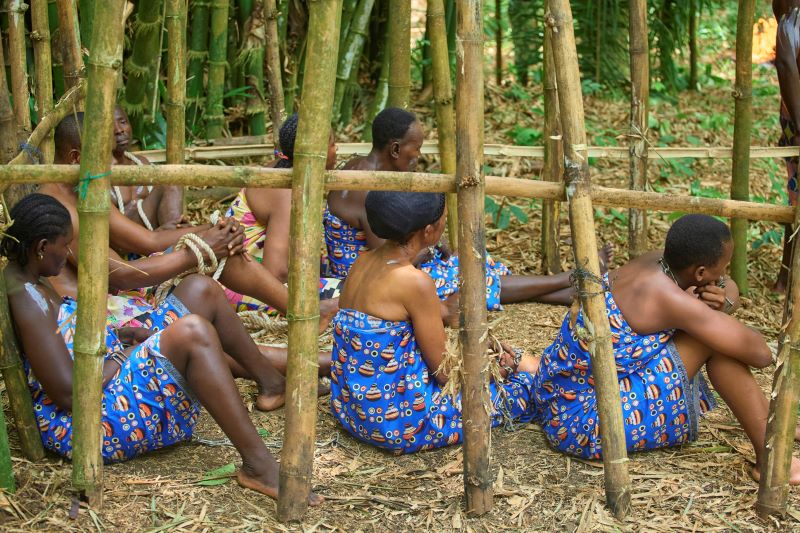
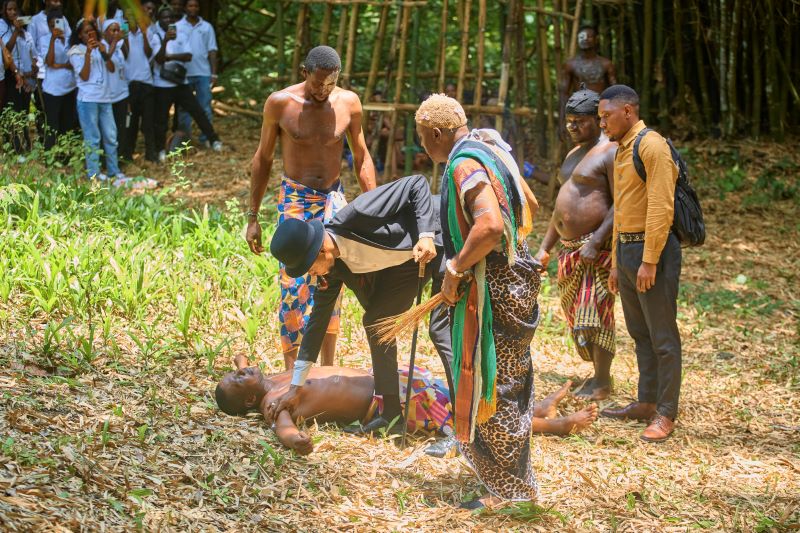
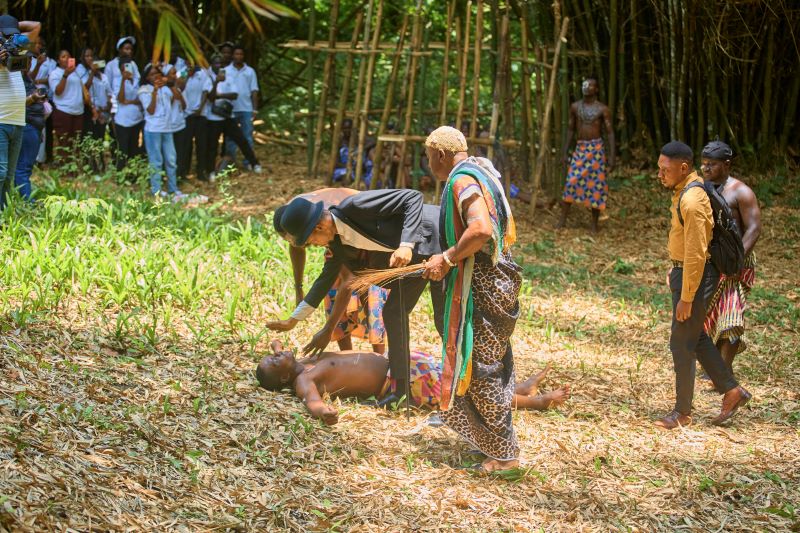
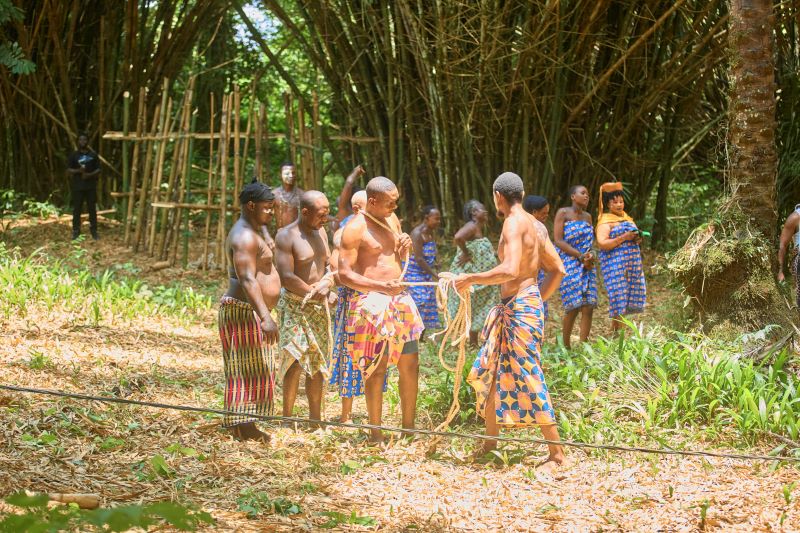
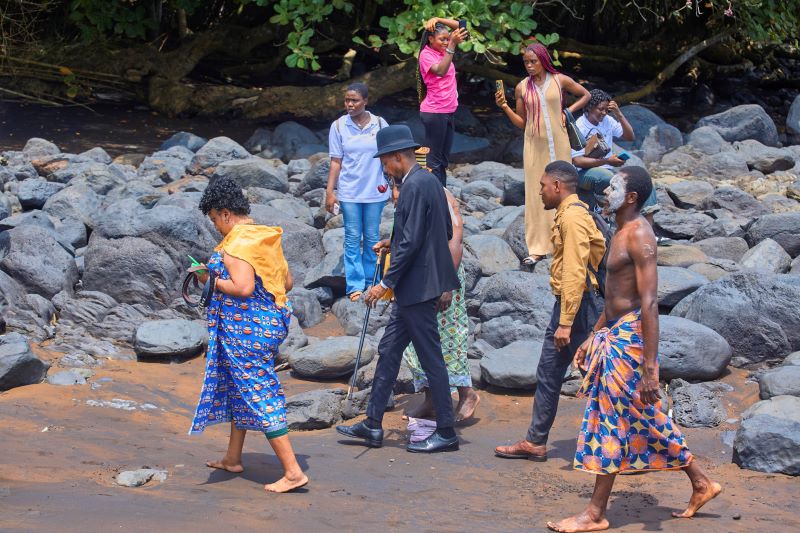
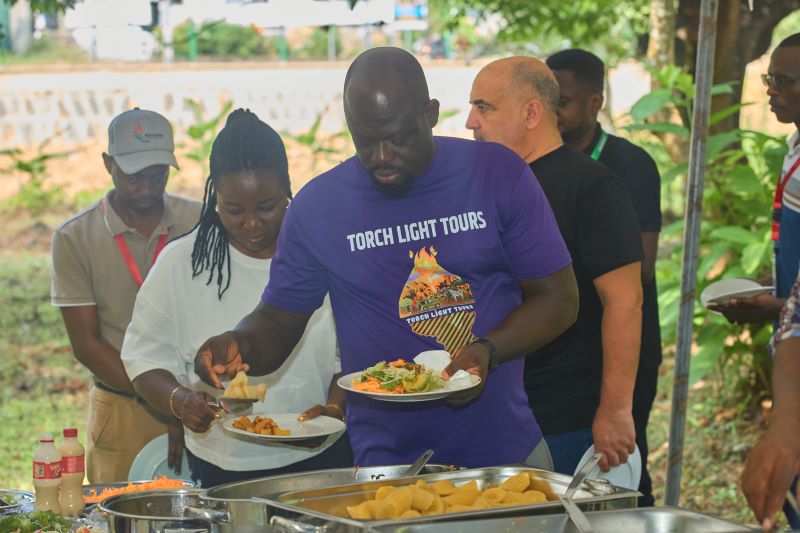
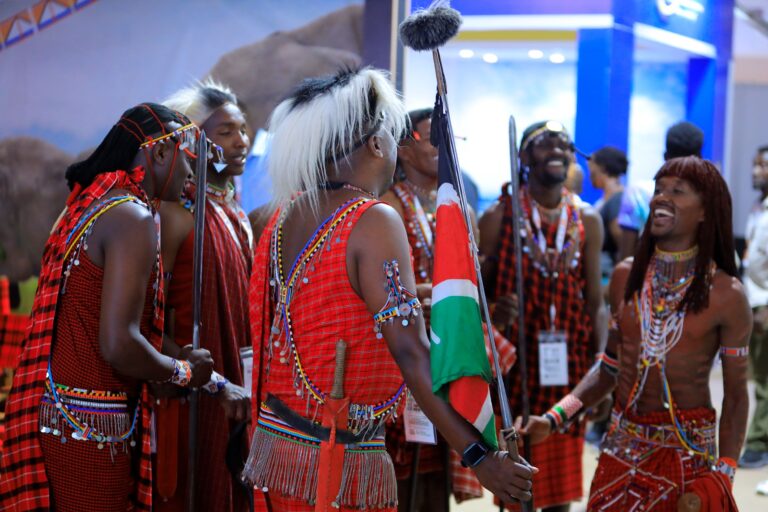
The cultural richness of the Congo Basin is equally profound. Our fashion, particularly the toghu dress, is stunning and attracts endless compliments whenever I wear it abroad. Our music and dance feature unique rhythms and movements that captivate audiences. And let’s not forget the food: Cameroon boasts over 250 traditional dishes. That culinary diversity alone is enough to showcase the country to the world.
The problem has always been visibility. People simply don’t know about these treasures.
********
CITF 2026: Successes
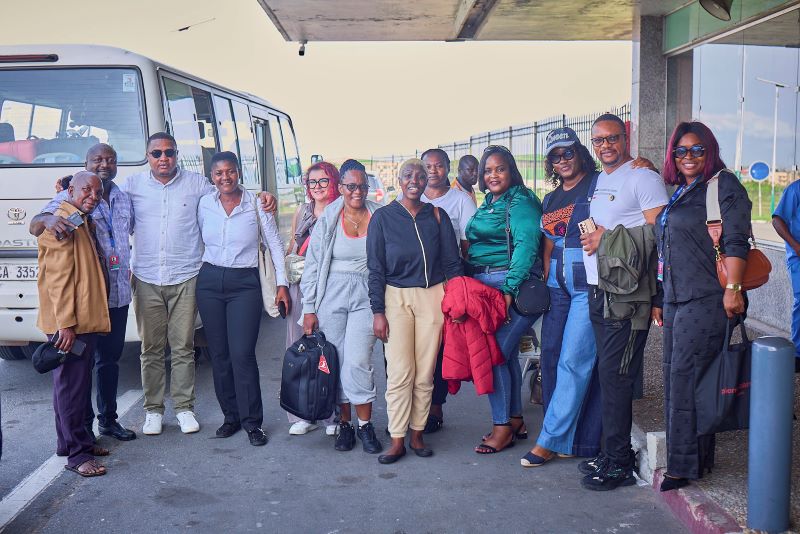
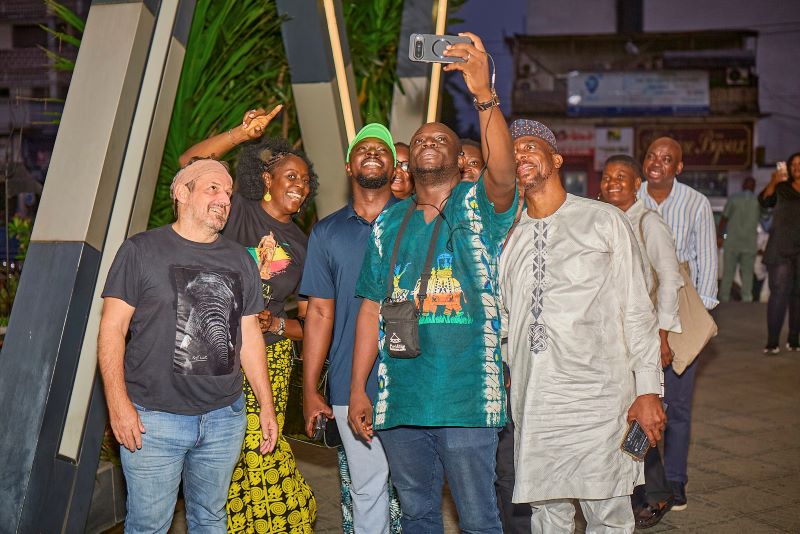
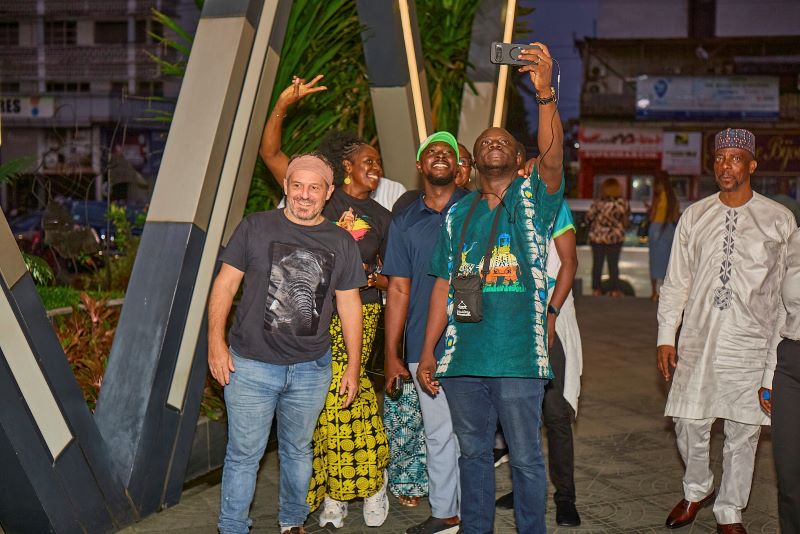
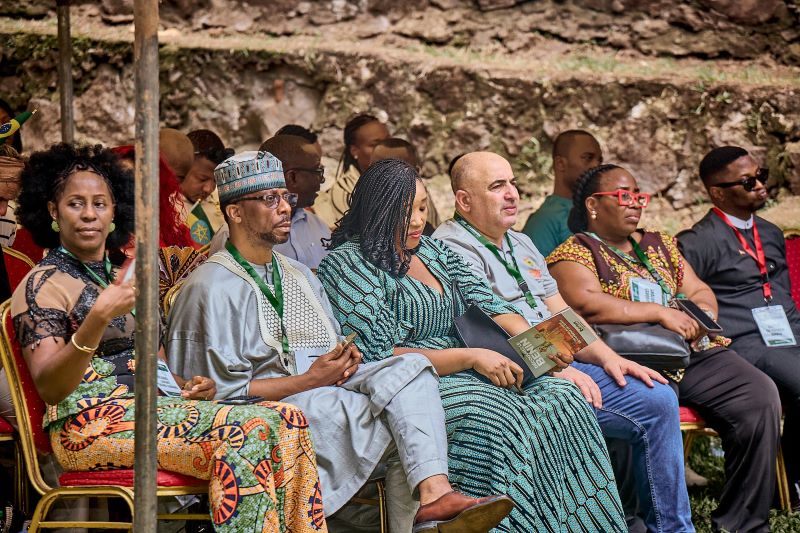
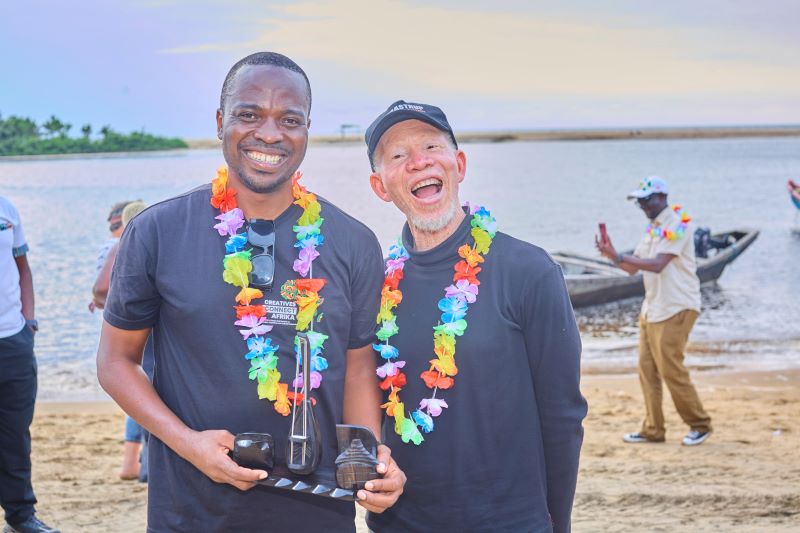
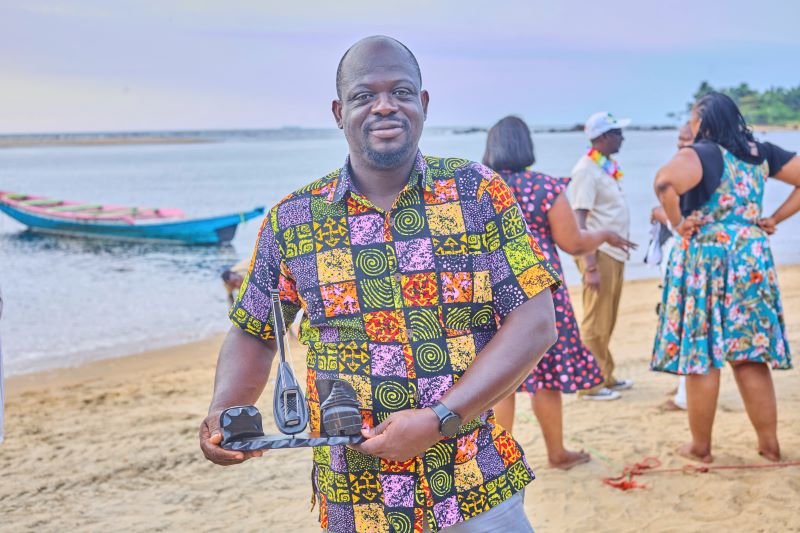
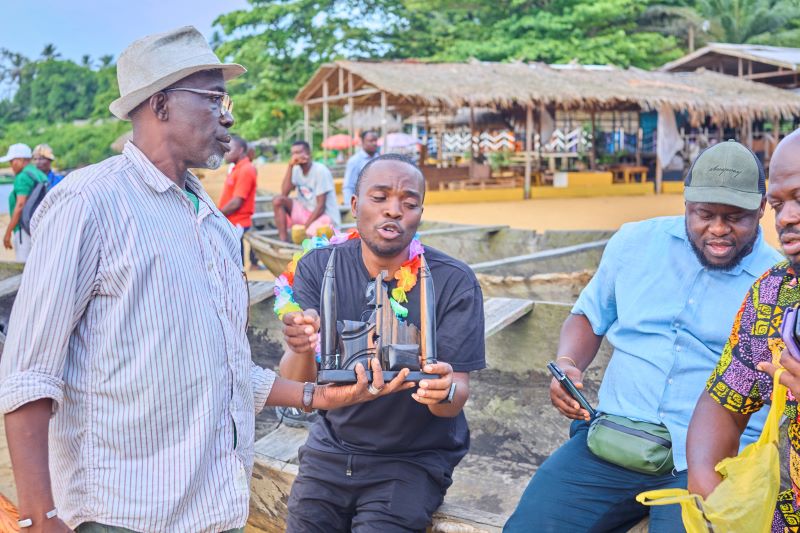
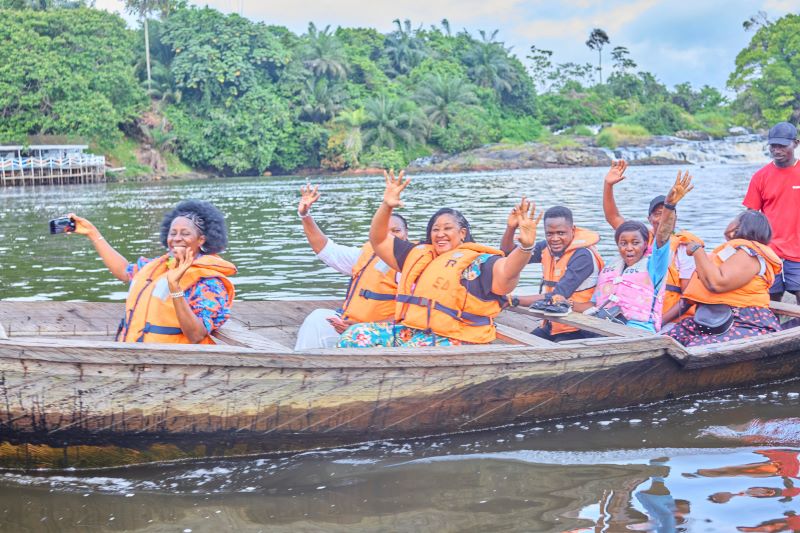
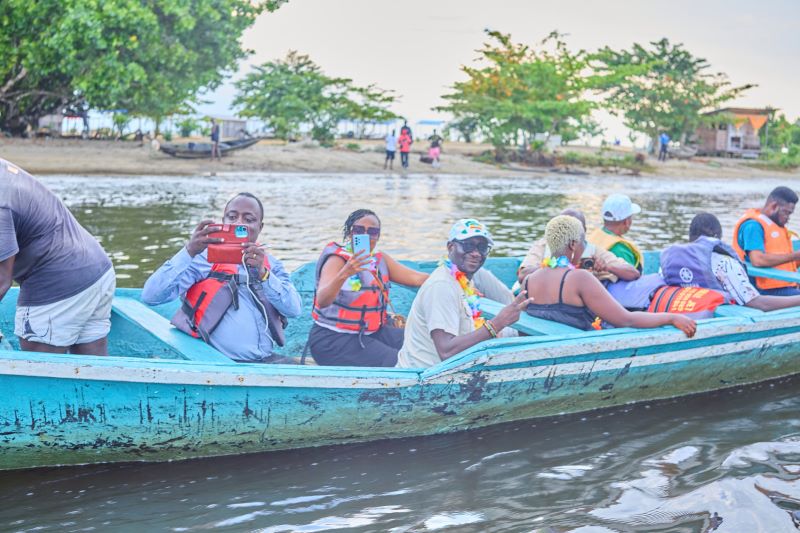
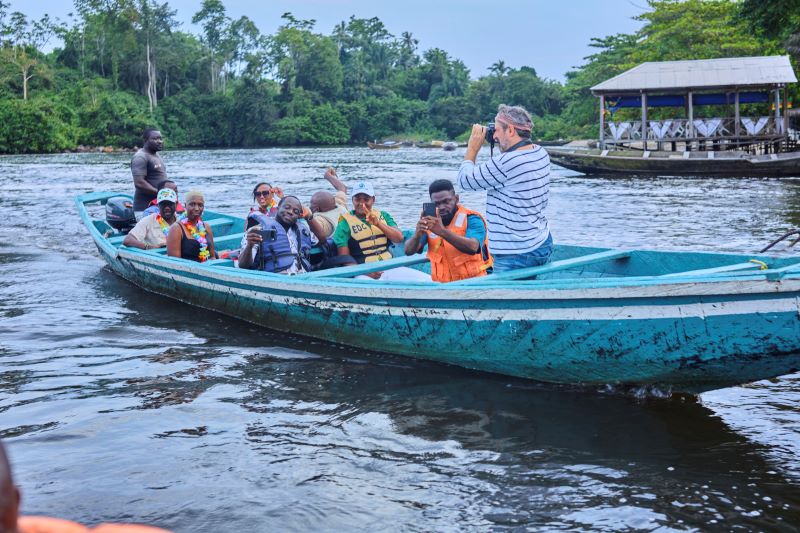
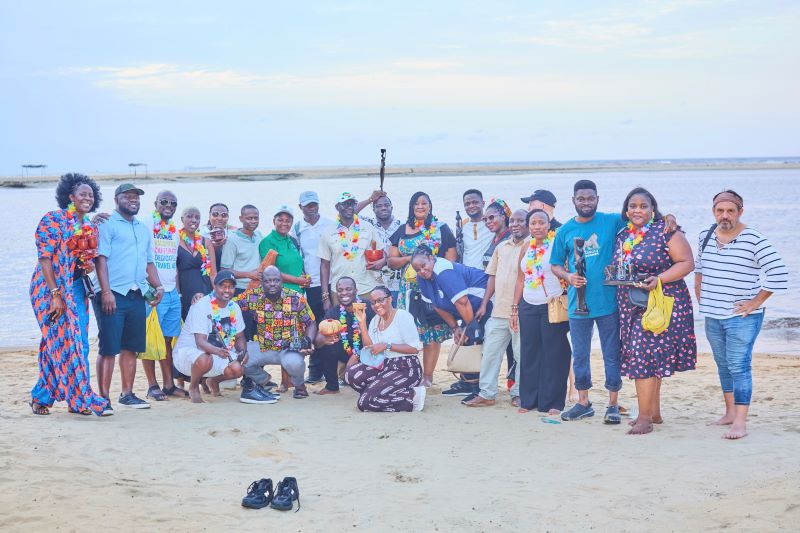
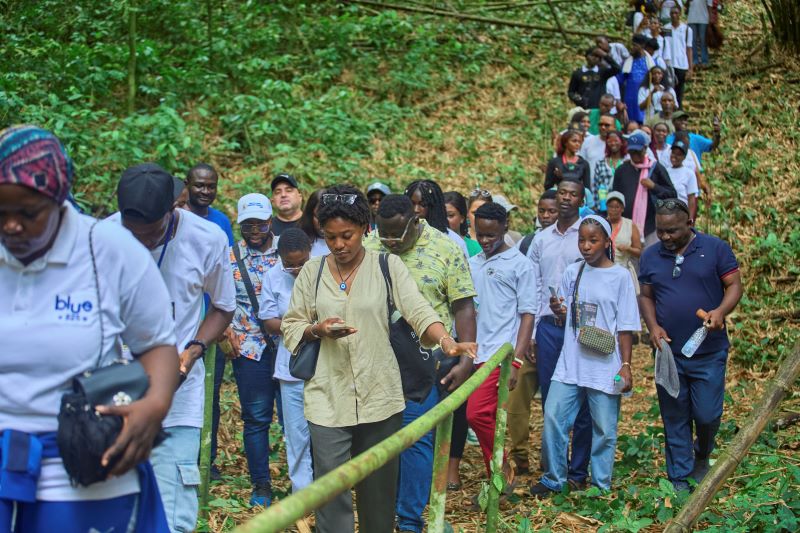
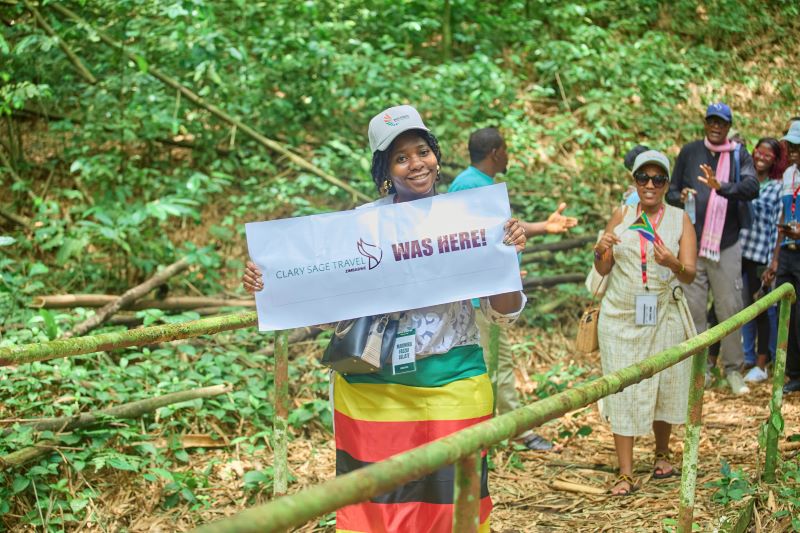
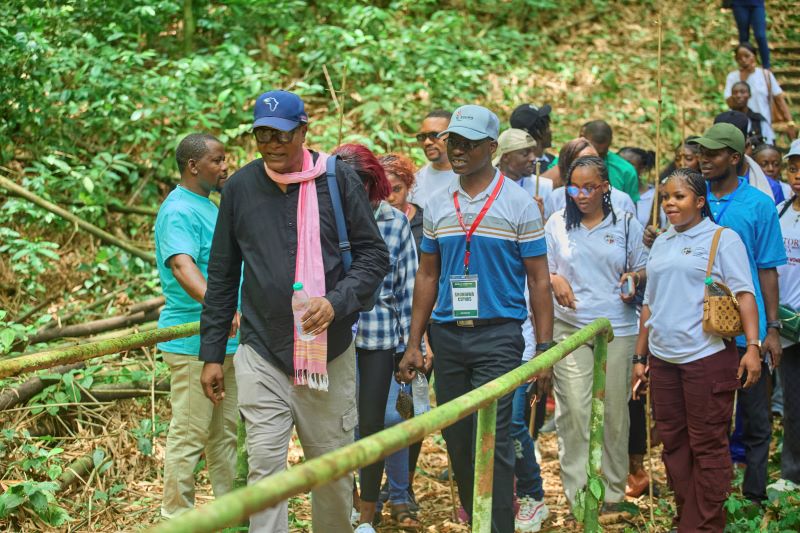
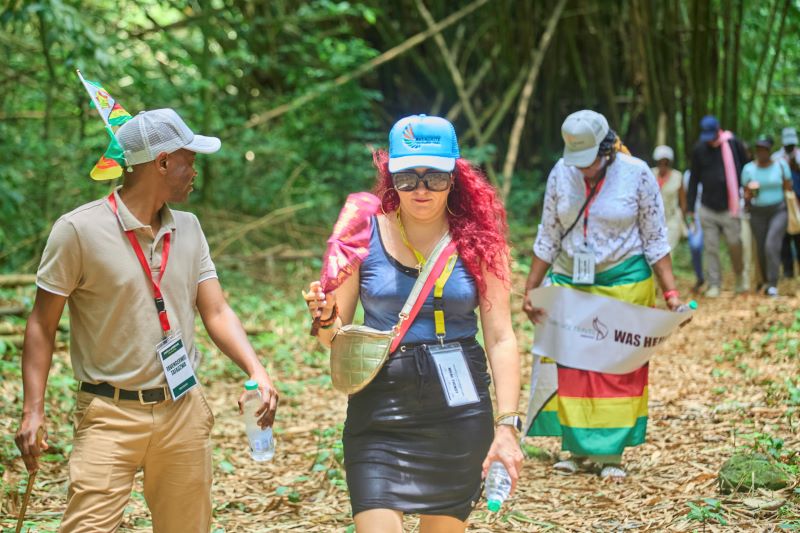
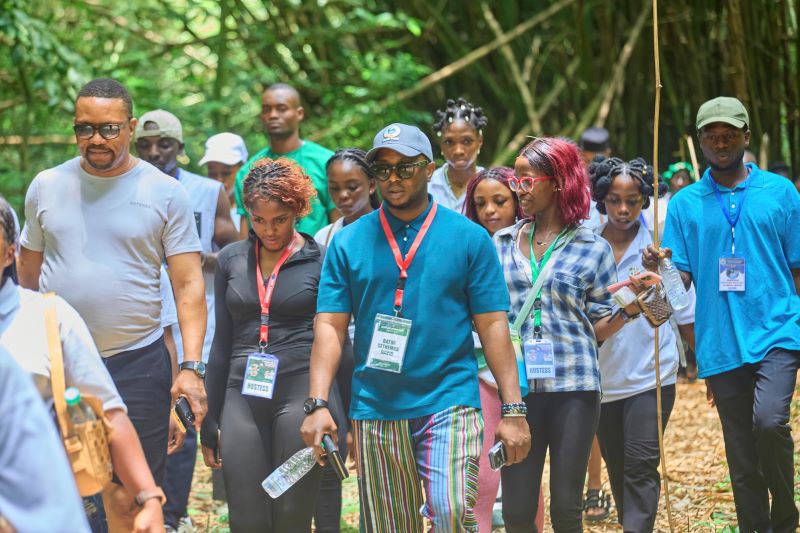
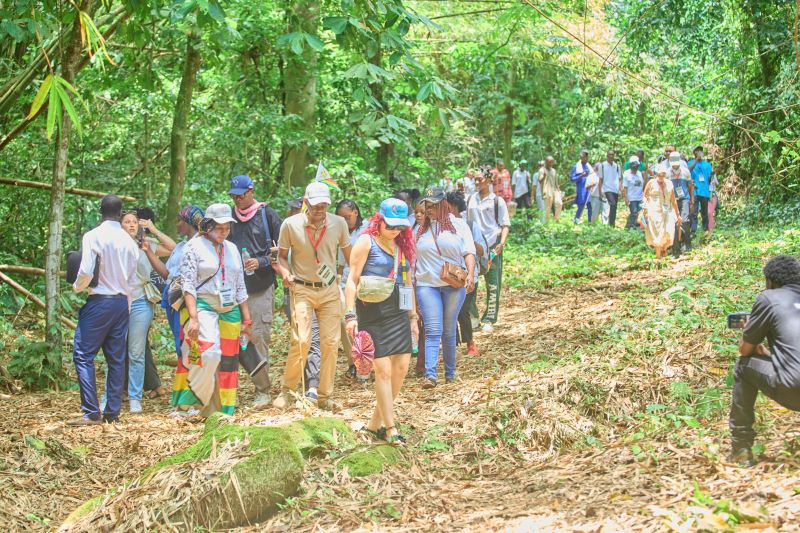
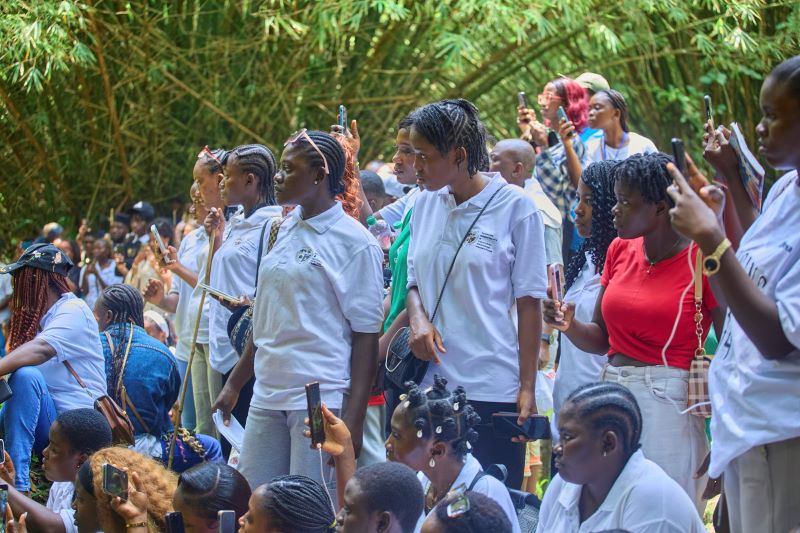
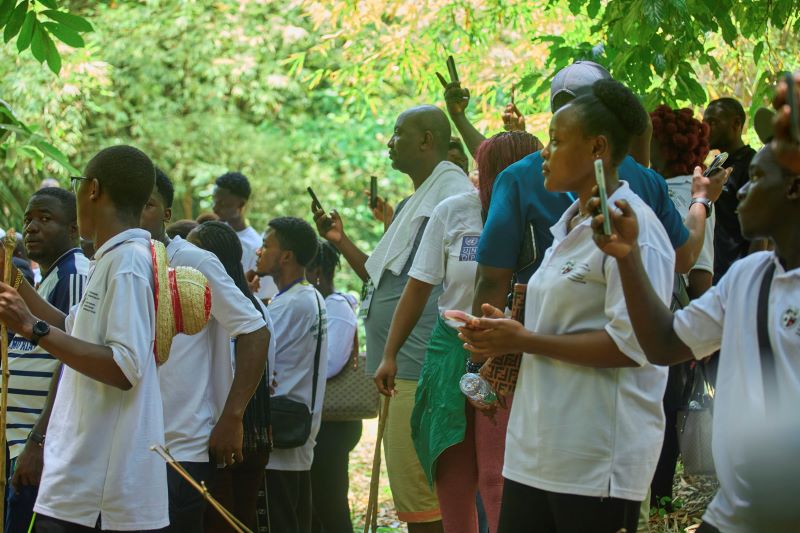
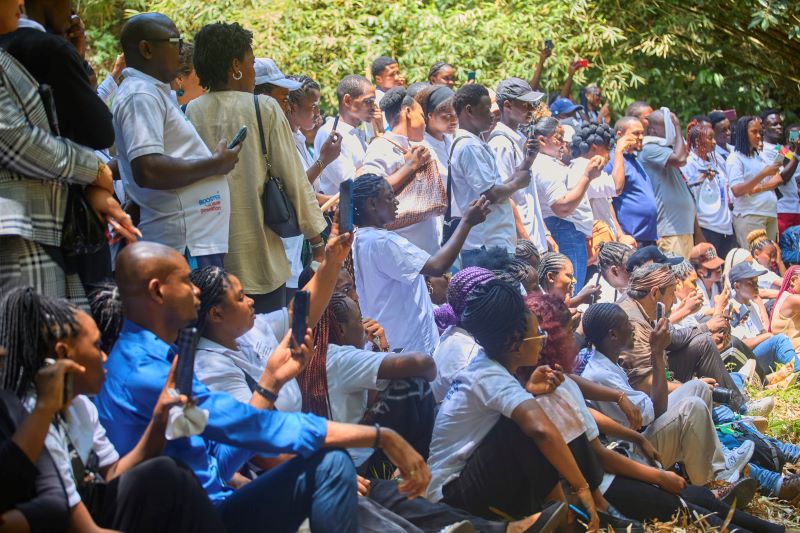
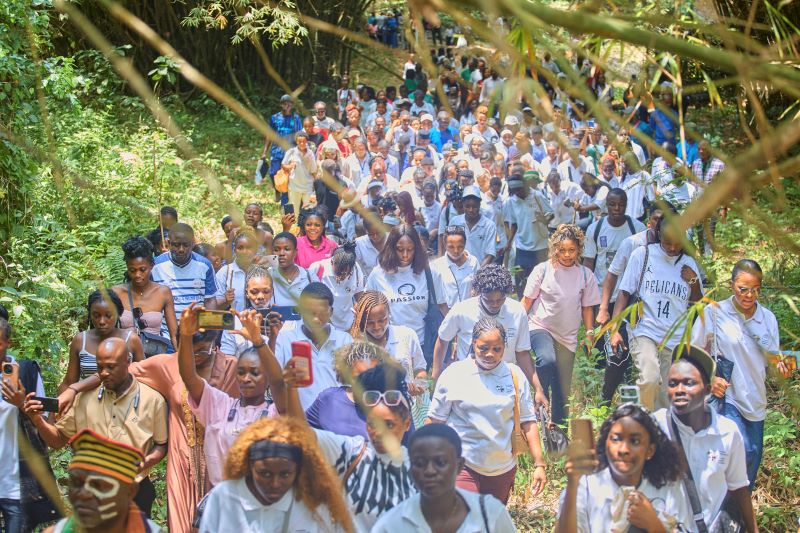
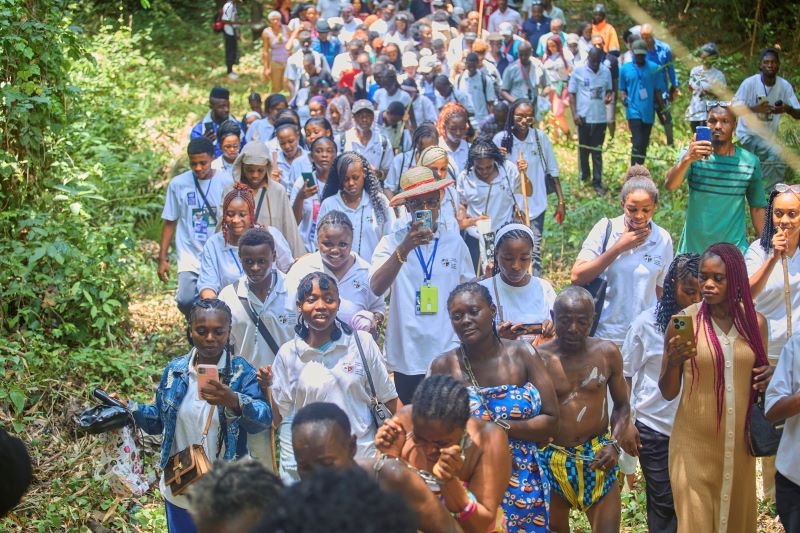
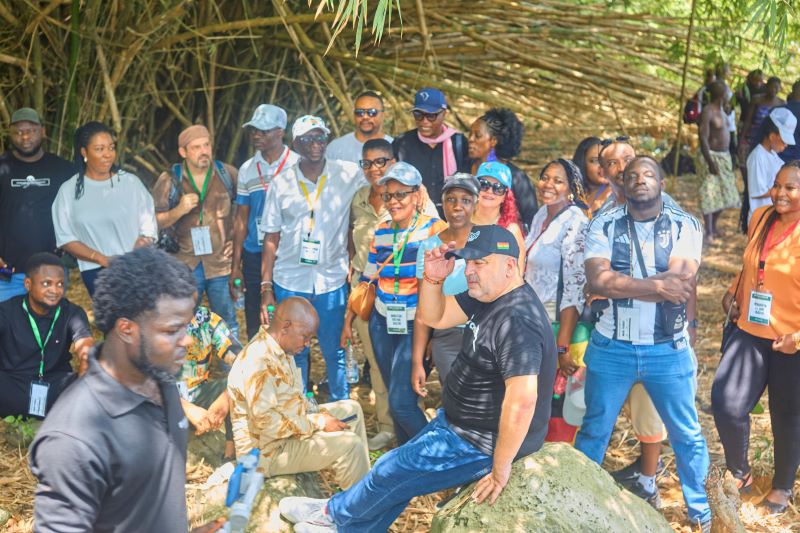
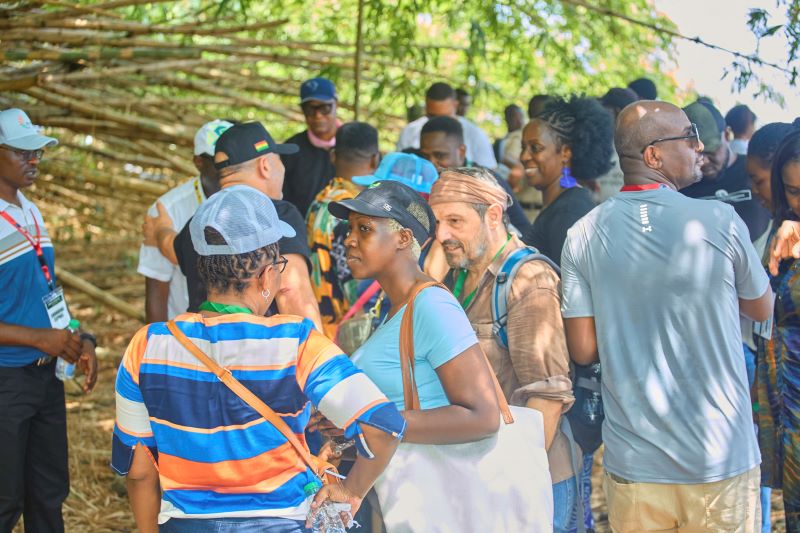
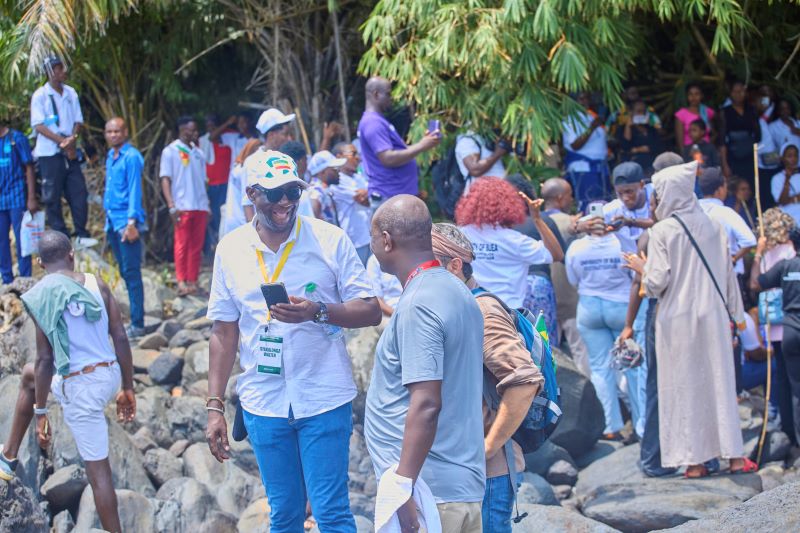
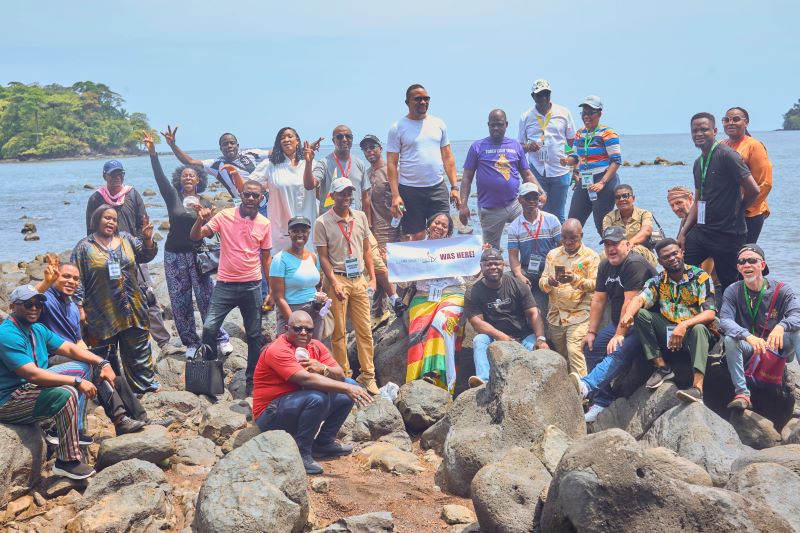
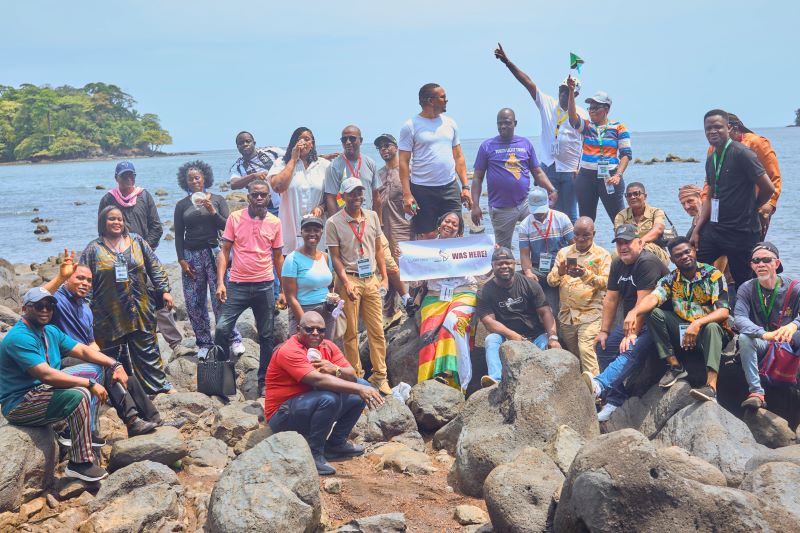
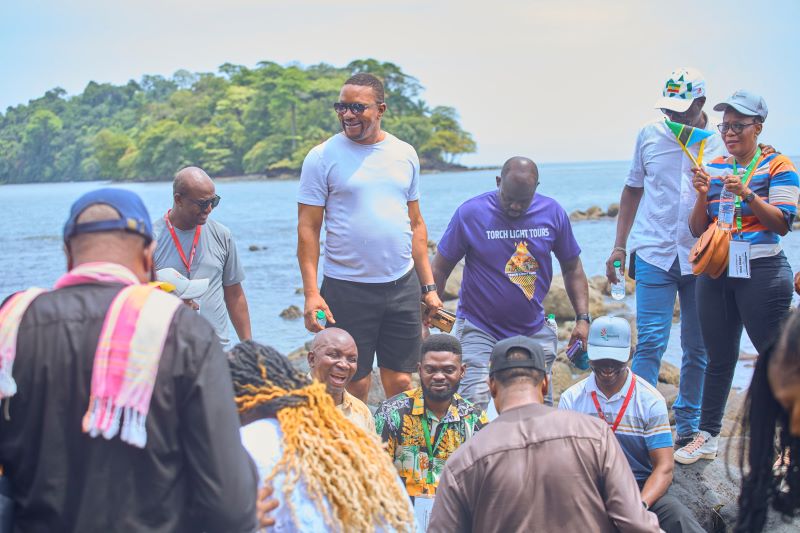
This edition achieved measurable success across multiple metrics. We attracted 43 foreign guests from 14 countries, a significant increase from the previous year. The program expanded to include exhibitions, cultural performances, and panel discussions, drawing international delegates from Nigeria, Ghana, South Africa, Brazil, and beyond.
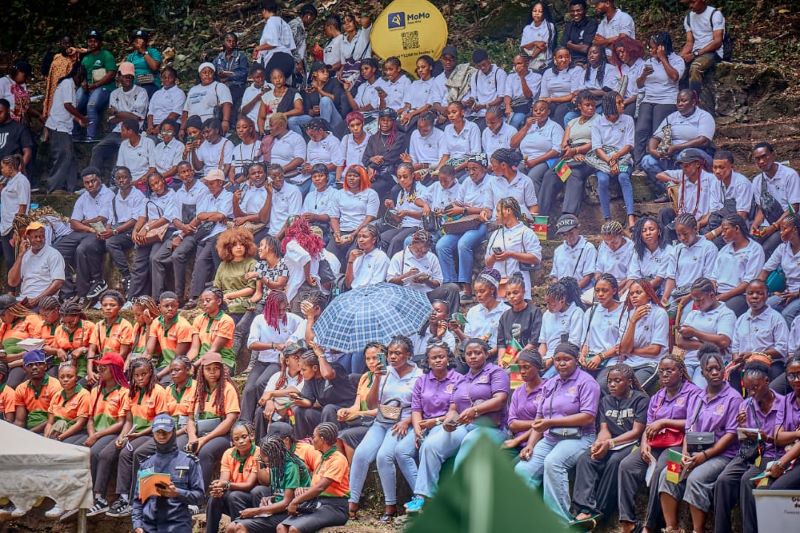
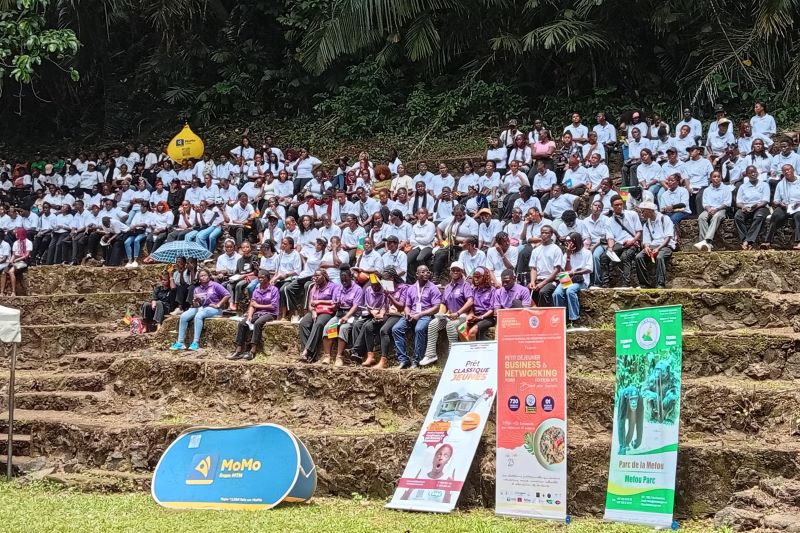
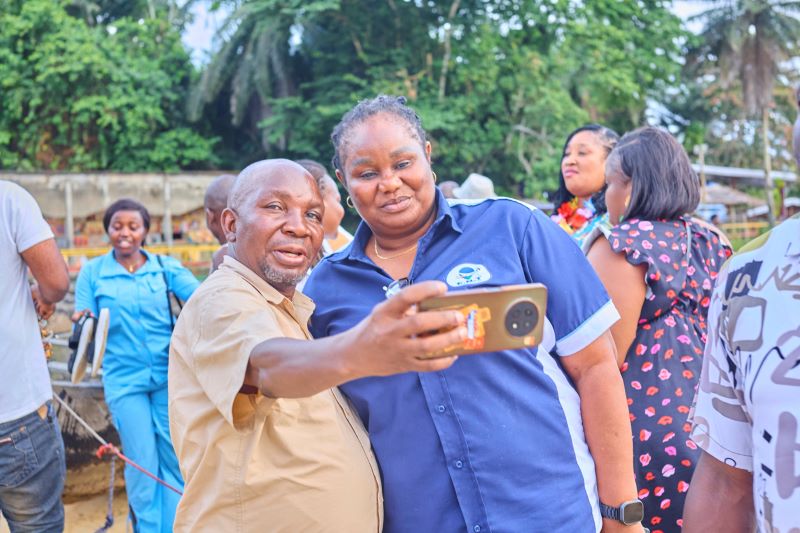
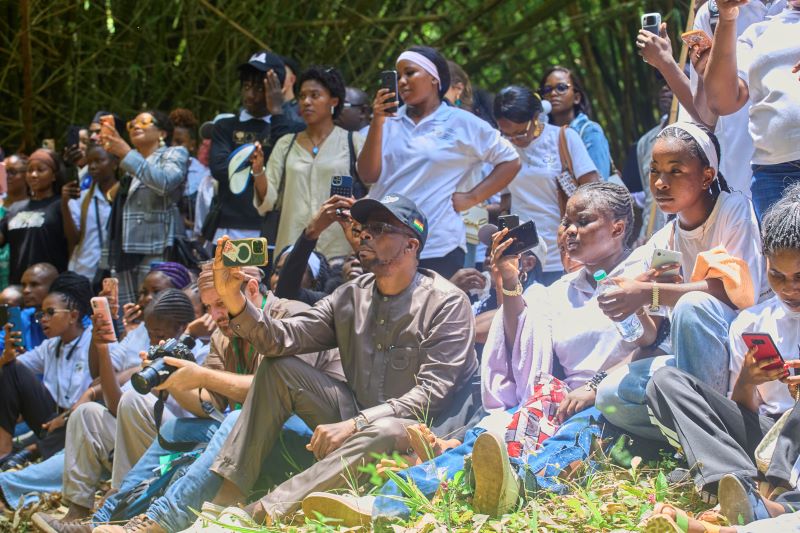
Public attendance and administrative participation both increased notably. Communities experienced tangible benefits through expanded trade opportunities and new partnerships. Youth engagement reached new heights, with international tour operators conducting capacity-building sessions and fostering mentorship relationships that provided invaluable industry insights.
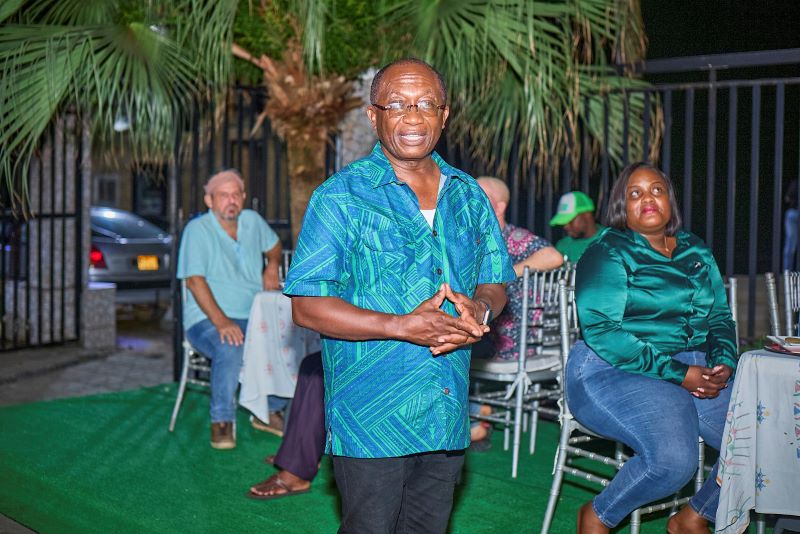
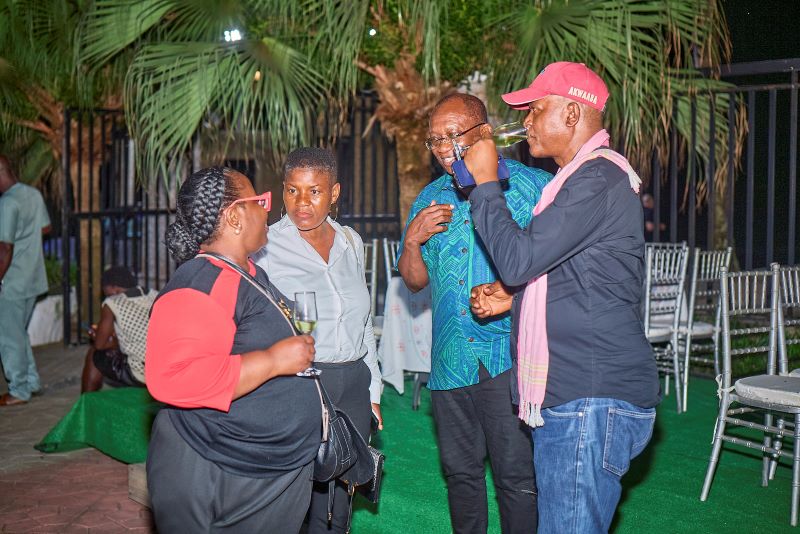
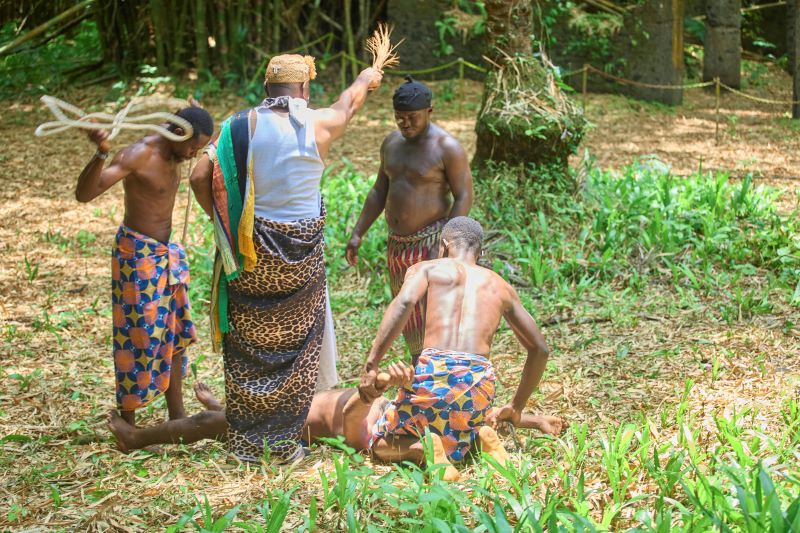
The symposiums proved more interactive and participatory than previous editions, while the cultural night delivered a vibrant and impactful celebration. Media coverage—both national and international—also surpassed previous years, amplifying the event’s reach and credibility.
********
Looking Ahead to CITF 2027:
Building on this year’s momentum, we’re positioned for an even larger and more impactful event. Investors and tour operators who were hesitant last year now recognize the power of synergizing tourism, culture, and commerce.
For the next edition, we’re projecting representation from all African nations, alongside substantial participation from Europe, the Americas, and Asia. We’re also targeting increased involvement from banks, investors, and tourism infrastructure financing agencies to strengthen sector growth beyond the fair itself.
Our overarching goal is to amplify the successes of this edition while systematically addressing the challenges we encountered in 2026.
To be continued…