Analysis: Why Uganda’s Tourism Conversation Needs to Move From Landscapes to Balance Sheets
Uganda will host Future Hospitality Summit Africa for the first time in February 2027. The case made by the Uganda Tourism Board’s Convention Bureau chief is sharp — but the numbers behind it are uncomfortable.
Every pitch for Ugandan tourism starts in the same place: the mist over Bwindi, tree-climbing lions in Ishasha, the Source of the Nile, the equator traced in white paint across a roadside sign. It is a good opening. It is also, increasingly, an incomplete one.
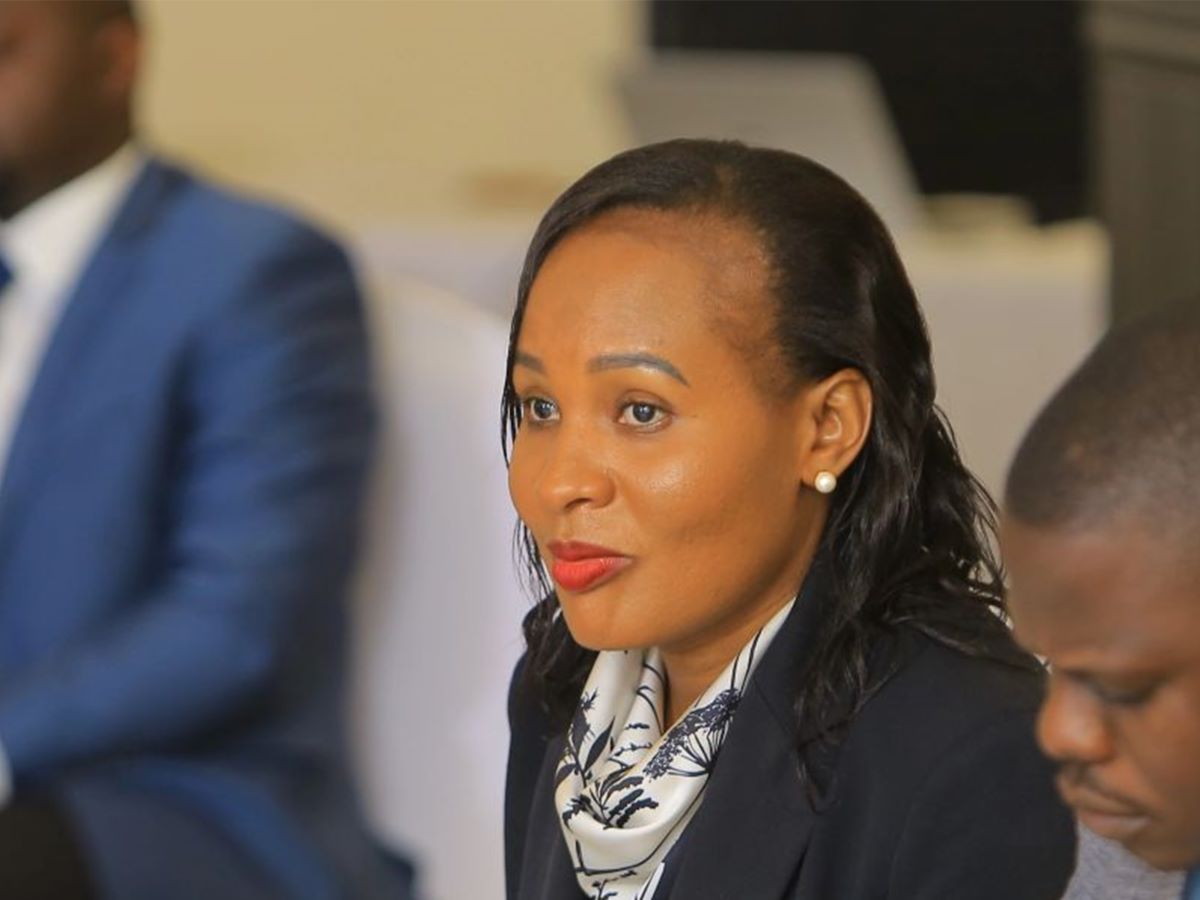
Tukeikiriza Mellon, Senior MICE Officer at the Uganda Tourism Board and Head of the Uganda Convention Bureau Unit, pondered the awkward question on her LinkedIn page. Ahead of the Future Hospitality Summit (FHS) Africa — which comes to Kampala for the first time on 2–3 February 2027 — she asks not what Uganda has to show visitors, but what it lacks to keep them.
“What infrastructure do we need to turn that potential into a bigger tourism economy?”
It is the right question, and the honest answer is that Uganda’s supply problem is now the binding constraint on its ambitions.
The Arithmetic of Scarcity
The headline statistics look healthy. Tourism contributed Shs6.99 trillion, or 3.3% of GDP, in 2024, and directly supports 876,512 jobs, about 7.5% of national employment. In the first half of 2026, Uganda recorded 793,815 international visitors, up 3.7% year on year, with expenditure of roughly Shs2.30 trillion (about US$631 million).
Capacity tells a different story. Uganda has roughly 35,000 hotel rooms nationally, of which around 1,500 are in Kampala — and only about 30% of capital-city facilities meet the international standards needed to host high-profile delegates. Just two properties hold a five-star rating: Kampala Serena Hotel and Speke Resort Munyonyo. Industry estimates suggest the country needs at least ten more five-star hotels in Kampala and Entebbe to serve conference demand.
That shortfall has already cost bids. Rwanda’s Kigali Convention Centre and venues in Arusha and Dodoma have taken conferences that arguably belonged to a country which once staged the Non-Aligned Movement summit and G77+China. There is also a discrepancy worth noting internally: UTB registers about 3,500 hotels offering just over 10,000 beds, while URSB records more than 6,000 registered hotels. Whatever the true denominator, quality rather than quantity is the constraint — a point the Monitor’s business desk has made plainly, since delegates need “hotel rooms, restaurants, transport, reliable communication networks and entertainment,” not merely a bed.
So when Mellon calls for “quality accommodation along emerging tourism corridors, safari gateways and regional destinations,” she is describing a real deficit, not a rhetorical one. Regional hubs outside Kampala consistently lack international-standard lodging, which is precisely why visitors pile into the capital and leave early.
Capital has Started to Move
To her credit, the market is answering. The Kampala Marriott Hotel and Marriott Executive Apartments opened in Nsambya on 27 August 2026, adding 181 guestrooms, 96 serviced apartments and 1,293 square metres of event space. Government has pledged Shs30 billion in low-interest loans for hoteliers upgrading to five-star standards ahead of AFCON. Infrastructure spending includes more than 280km of tourism roads, expansion of Entebbe International Airport, development of Kabalega International Airport and work begun at Kidepo International Airport.
This is momentum. It is not yet sufficiency. One branded dual-property does not close a gap measured in thousands of rooms, and the loans address refurbishment more than greenfield development in the corridors where growth is actually happening.
Mellon’s multiplier argument — that a new hotel pulls in construction, agriculture, food supply, transport, technology, financial and professional services and creative industries — is well established economics. The trickier part is financing the first hotel in a corridor where occupancy is unproven. That is exactly the risk that keeps private equity out of Hoima, Kidepo or Karamoja until someone else goes first.
The AFCON deadline
Timing gives this urgency. Uganda co-hosts the 2027 Africa Cup of Nations with Kenya and Tanzania under the “Pamoja” banner, the first AFCON staged by three nations and the first in East Africa since 1976, running 19 June to 17 July 2027 with matches at Mandela National Stadium (Namboole Stadium) in Kampala (45,000) and the new Hoima City Stadium (20,000).
East Africa has seen both outcomes of this script. Some arenas became civic assets; others became maintenance liabilities. Mellon’s framing — “how much of the infrastructure created around such moments can continue generating value long after the event itself is over” — is the correct test, and it applies as much to team base camps and fan villages as to stadiums.
Note the sequencing problem, though: FHS Africa runs in early February, AFCON in June. Four months is enough to sign memoranda; it is not enough to build hotels. Anything announced at the summit will land after the tournament, which makes the post-AFCON demand cliff the thing investors will quietly price in.
Judging February by What it Leaves Behind
Mellon proposes measuring the summit by “new investment, new hotel developments, new partnerships, new tourism infrastructure, new jobs, new opportunities for Ugandan businesses.” That is the right scoreboard, and it should be adopted literally.
A useful audit for late 2027 would be narrow and checkable: signed management contracts with international operators; groundbreakings outside Kampala’s Central Division; concession agreements for lodge sites in emerging corridors; loan drawdowns against the Shs30 billion facility; and graded room counts in Hoima, Fort Portal, Mbale and Kidepo before and after. Roy Bannister, FHS Africa’s Head of Strategic Partnerships, has described the platform as where “capital meets opportunity, investors meet developers and new relationships translate into new investments and new businesses.” Someone should hold him and UTB to that wording.
The optimism is warranted. Uganda has the assets, rising arrivals, expanding air connectivity through Uganda Airlines‘ new Accra and Kigali routes, and now a continental investment forum arriving on its doorstep. What remains unproven is whether a country that has historically lost conference bids over room shortages can convert a two-day summit into bricks, brands and payroll.
Uganda’s wildlife was never the weak link. The balance sheet was. February 2027 tells us whether that has changed.
Tukeikiriza Mellon is a lawyer and Senior MICE Officer at the Uganda Tourism Board (UTB), and Head of the Uganda Convention Bureau (UCB) Unit.