Ethiopia Reappoints Selamawit Kassa as Culture & Tourism Minister in New Medemer Cabinet
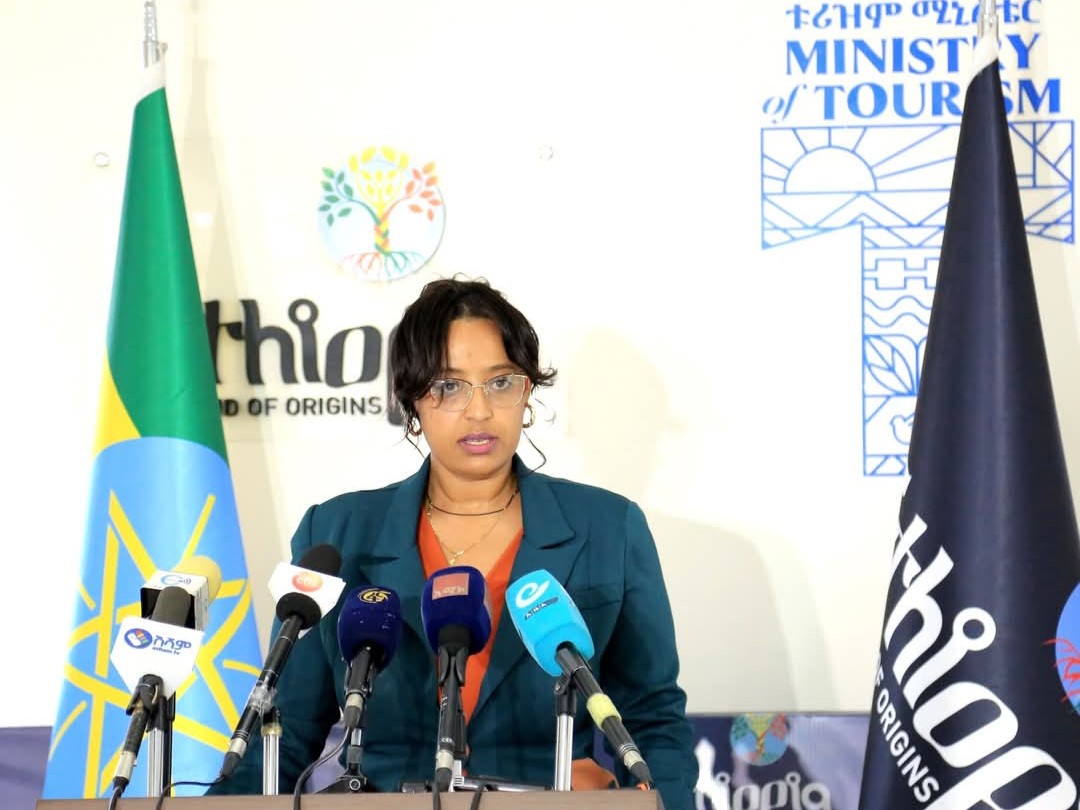
Addis Ababa, Ethiopia — Selamawit Kassa has been reappointed as Minister of Culture and Tourism in Prime Minister Abiy Ahmed’s newly restructured Medemer Cabinet, following parliamentary approval of the government’s ministerial lineup on 8 October 2026.
A Consolidated Ministry for a New Term
Kassa’s appointment reflects a significant institutional change: the previously separate portfolios of culture and sport have been merged with tourism into a single Ministry of Culture and Tourism. The consolidation places responsibility for Ethiopia’s heritage assets and visitor economy under one roof, pairing cultural stewardship with destination marketing at a moment when the government is positioning tourism as an engine of foreign-exchange earnings.
The appointment was among 22 federal ministerial nominees endorsed by the House of Peoples’ Representatives, formally establishing the executive leadership for the country’s coming five-year term following the 1 June 2026 general election. Other closely watched appointments in the same reshuffle include former Planning and Development Minister Fitsum Assefa, who takes over the Finance ministry, and Shewit Shanka, formerly Minister of Culture and Sport, who moves to Women and Social Affairs.
From Government Communications to Tourism Leadership
Kassa brings a communications and government service background to the role. Before her first tourism appointment, she served as State Minister of the Government Communication Service from October 2021, and prior to that was Deputy Editor-in-Chief and television news host at Fana Broadcast Corporate from February 2017 to October 2021.
She was first appointed Minister of Tourism in October 2024 during an earlier cabinet reshuffle. During that tenure, she publicly framed the sector as “a transformative force for economic growth and international engagement,” and prioritised attracting investment, upgrading tourism infrastructure and showcasing Ethiopian heritage abroad. Industry stakeholders responded positively to her return: the Ethiopian Tour Operators Association (ETOA), which won affiliate membership of the UN Tourism during her first term, had warmly welcomed her original appointment as the start of a closer public–private partnership.
What Comes Next
Government announcements confirmed the lineup but did not set out new tourism policies or implementation timelines for the merged ministry. Analysts will be watching how quickly the ministry reconciles its dual mandate, particularly as Ethiopia advances an ecotourism- and infrastructure-led strategy alongside high-profile private investment, including Hilton’s continued expansion and multi-property agreements signed in Addis Ababa this year.
For travellers and tour operators, the practical significance is symbolic as much as administrative: continuity at the top of the ministry suggests the current direction on product development, air-access advocacy and heritage promotion is likely to carry forward, now reinforced by formal authority over the country’s cultural institutions.