Deputy Minister Sotyu Champions Hotel 247 as a Blueprint for Economic Change
The story of risk, resilience and ownership. Celebrating how Khosi Mthalane built a 100% Black female-owned hotel during the COVID pandemic, when the world was at a standstill, demonstrating courage in crisis.
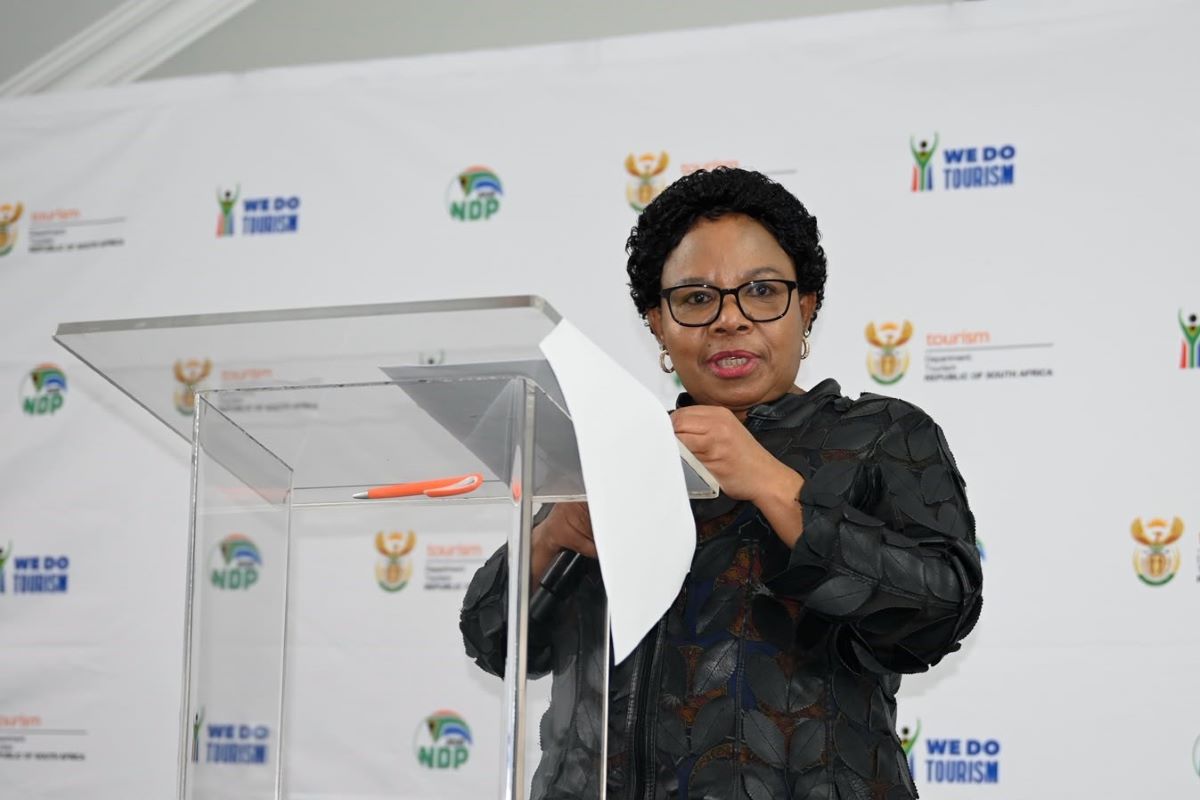
White River, Mpumalanga — Deputy Minister of Tourism Maggie Sotyu officially launched the new restaurant at Hotel 247 today, Friday 18 September 2026, framing the event as a landmark moment for economic transformation in South Africa’s tourism sector. The ceremony underscored a shift from policy-driven rhetoric to tangible ownership, celebrating Mrs. Khosi Mthalane’s bold acquisition and revitalization of the property during the height of the pandemic.
From Policy to Practice
In her keynote address, Deputy Minister Sotyu articulated a clear vision: true transformation in tourism means moving beyond participation at the edges of the economy to asset ownership, wealth creation, and sustainable enterprise. “Transformation must move from policy to practice; from aspiration to ownership,” she declared. “It is about investment translating into jobs, growth, and opportunity.”
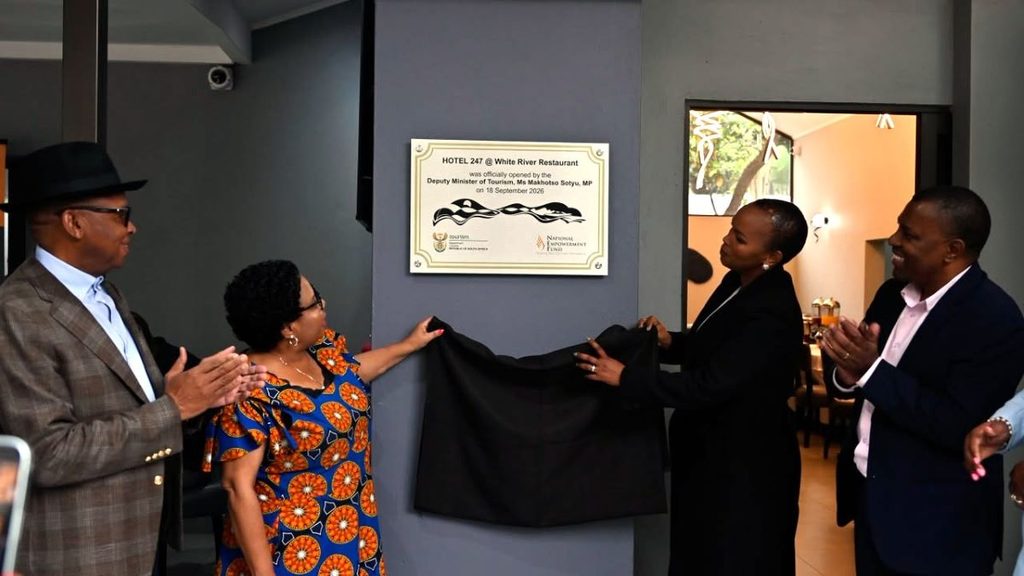
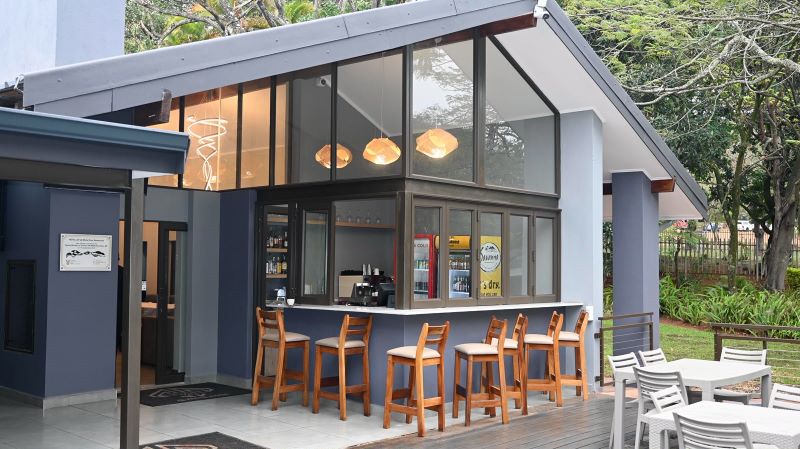
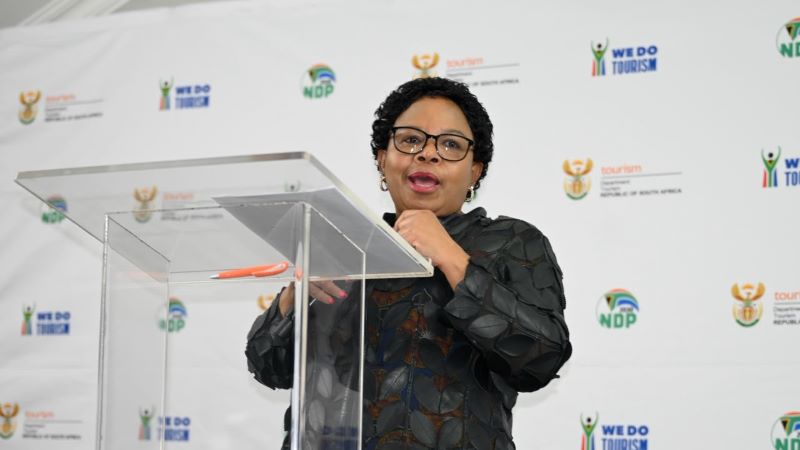
Hotel 247 serves as a living example of this philosophy. Acquired in 2021 when the tourism industry was reeling from COVID-19 shutdowns, the property—formerly known as Forever White River—was rebranded and repositioned by Mthalane, a veteran of the hospitality and fast-moving consumer goods sectors with over two decades of experience.
Courage in Crisis
“During the COVID-19 pandemic, when tourism businesses worldwide were fighting for survival, Mrs. Mthalane acquired the property,” Sotyu recounted. “At a time of enormous uncertainty, she chose to invest. When tourism had effectively come to a standstill, she chose to believe in its future. And when many businesses were scaling back, she chose to build.”
Today, Hotel 247 stands as a 100% black female-owned tourism enterprise in one of South Africa’s most strategic tourism corridors. The Deputy Minister highlighted the property not just as a hospitality venue, but as a testament to resilience, entrepreneurial vision, and the power of strategic partnerships.
The Role of Strategic Investment
A key enabler of Hotel 247’s transformation was a tailored financial package combining grant support from the Department of Tourism’s Tourism Transformation Fund (TTF), financing from the National Empowerment Fund (NEF), and significant personal capital from Mthalane herself.
“This combination matters,” Sotyu emphasized. “Because sustainable transformation is not about handing somebody a business. It is about backing entrepreneurs who are themselves prepared to invest, take risks, build enterprises and create value.”
The investment has already yielded visible results: renovated facilities, expanded dining capacity, new furnishings and equipment, and the installation of alternative energy infrastructure. These upgrades have strengthened the hotel’s ability to serve both leisure and business travelers while creating local jobs.
Tourism as an Economic Engine
Deputy Minister Sotyu reminded attendees that tourism is far more than leisure—it is a multi-layered economic activity. “A visitor who stays at this hotel does not only pay for a room; they eat in a restaurant, use transport, buy fuel, visit attractions, purchase goods, employ guides, buy crafts and local products, and attend conferences and events.”
White River’s location places it at the heart of Mpumalanga’s vibrant visitor economy, with easy access to Kruger National Park, God’s Window, the Panorama Route, and Graskop. “The opportunity is to ensure more visitors do not simply pass through this region, but stay longer, experience more, and spend more locally,” Sotyu said. “Every additional night creates economic opportunity. Every additional meal creates economic opportunity.”
A Blueprint for the Future
The launch also served as a call to action for aspiring entrepreneurs. “Government programmes can provide support. Funding institutions can provide capital. But entrepreneurship still requires courage, preparation, discipline and persistence,” Sotyu advised. “The entrepreneur must also bring something to the table. A viable business proposition. Knowledge of the market. A willingness to invest.”
She concluded by reaffirming the Department of Tourism’s commitment to the Tourism Growth Partnership Plan, which seeks to create conditions where businesses can thrive independently. “Our responsibility does not therefore end when funding is approved or when a ribbon is cut. The next chapter must be about sustainability: stronger occupancy, growing revenue, repeat visitors, sound financial management, and improved market access.”
Looking Ahead
As Hotel 247 opens its doors to a new era, it stands as a beacon of what is possible when determination meets strategic investment. “Transformation must be visible in who owns tourism assets,” Sotyu said. “It must be visible in who participates in its value chains. It must be visible in who benefits from its growth. And it must be visible in the businesses that rise, grow, and endure.”
With local leaders, development finance institutions, and the private sector united behind such initiatives, South Africa’s tourism sector is taking a decisive step toward an inclusive, competitive, and transformed future.