
Celebrating Renewal: Cape Coast’s Ancient Fetu Afahye Festival
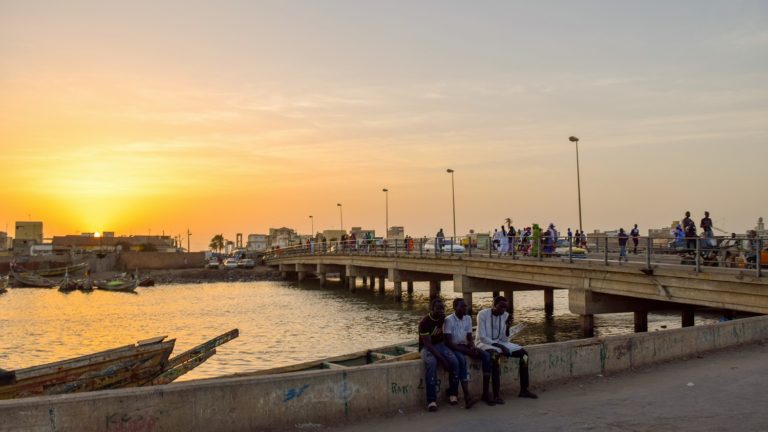
When you think of Cape Coast, Ghana’s historic slave castles likely come to mind first. But venture to this laid-back coastal city in late August, and you’ll discover a celebration that pulses with life, tradition, and spiritual renewal—the Oguaa Fetu Afahye festival.
Cape Coast has long been one of Ghana’s premier tourist destinations, drawing visitors to the haunting Cape Coast Castle, nearby Elmina Castle, and Fort São Jago—sobering reminders of the Trans-Atlantic slave trade where African sons and daughters were held before being shipped across the Atlantic to the Americas.
Yet there’s another side to this coastal gem. Beyond the weight of history, Cape Coast transforms each year into a vibrant celebration of culture, gratitude, and new beginnings during the Oguaa Fetu Afahye festival.
A Festival Born from Crisis
The origins of Fetu Afahye are rooted in survival and divine intervention. According to oral tradition, a devastating plague once swept through the Oguaa community—named after its founder, a fisherman called Oguaa. The epidemic was so severe that the people turned to their gods in desperation. Their prayers were answered: the plague ceased, and the land was cleansed.
The word “fetu” comes from “efin tu” in the local Fante dialect, meaning “clearing the dirt.” Today, the Oguaa Fetu Afahye festival commemorates that miraculous purification and serves as an annual expression of gratitude to the 77 gods of the Oguaa Traditional Area.
Sacred Preparations: A Week of Silence
The festival doesn’t begin with fanfare—it starts with silence. Before celebrations commence, the Omanhene (paramount chief) enters a week-long period of confinement to commune with the gods. During this time, a solemn ban descends upon Cape Coast: no drumming, no dancing, no noise-making, no merriment. Even fishing in the sacred Fosu Lagoon is strictly forbidden.
This period of restraint serves a sacred purpose. The Amissafo (guardians of the lagoon) perform cleansing rituals at the water’s edge, petitioning the gods to ward off misfortune and bless the community with abundant fish and bountiful harvests.
One day is dedicated entirely to environmental cleanup—Amuntumadeze, or Health Day—when residents come together to tidy and beautify their community. It’s a physical manifestation of the spiritual cleansing at the festival’s heart.
Opening the Waters: The Bakatue Ceremony
The festival officially begins on the last Monday in August with an all-night vigil at the Fosu Lagoon. Priests and priestesses invoke the gods through rhythmic drumming and dancing that continues until dawn. The next day, ritual activities shift to the Fosu shrine, building anticipation for the pivotal moment: the Bakatue.
After offering libation, the Omanhene performs the ceremonial opening of the lagoon. He casts his net into the waters three times. The catch is more than symbolic—a net heavy with fish signals a prosperous year ahead, while a meager haul suggests challenges to come. Once the Omanhene completes this ritual, the lagoon reopens to the public for fishing.
Muskets crack through the air, and suddenly, the week of silence explodes into jubilation. Drumming, dancing, and merrymaking sweep through the streets of Cape Coast.
A Week of Community and Celebration
The festival unfolds over several days, each with its own significance:
- Wednesday is reserved for welcoming diaspora members who’ve traveled home for the celebration—a day of reunion, storytelling, and reconnection.
- Thursday night brings another vigil, this time at the Nana Paprat Shrine, where the traditional Adammba dance is performed. The rituals continue into Friday, when the Omanhene addresses the people before sacrificing a bull for purification.
- Saturday—the first Saturday in September—is the grand finale. A spectacular procession winds through Cape Coast, with participants in traditional regalia dancing and celebrating. For the Oguaa people, this day marks more than just a festival climax; it represents the beginning of a new year.
A Unique Ending
In a beautiful fusion of tradition and modernity, the Fetu Afahye festival concludes with an interdenominational Christian service at Chapel Square. This closing ceremony reflects Cape Coast’s ability to honor its ancestral traditions while embracing contemporary faith—a fitting end to a festival that bridges past and present.
Plan Your Visit
If you’re planning a trip to Ghana, consider timing your visit to coincide with the Fetu Afahye festival in late August and early September. You’ll witness not just a cultural celebration, but a living tradition that has sustained a community for generations.
Cape Coast offers more than historical tourism—it offers transformation, renewal, and the infectious joy of a people celebrating their heritage and their future. Come for the castles, but stay for the festival. You won’t regret it.