CITF 2026: Cameroon Champions Tourism Regional Repositioning & Continental Ambitions
Inspired by the vision of one woman, Cameroon is leading the charge to reposition the central African region as an important tourism hub, amid record turnout at CITF 2026
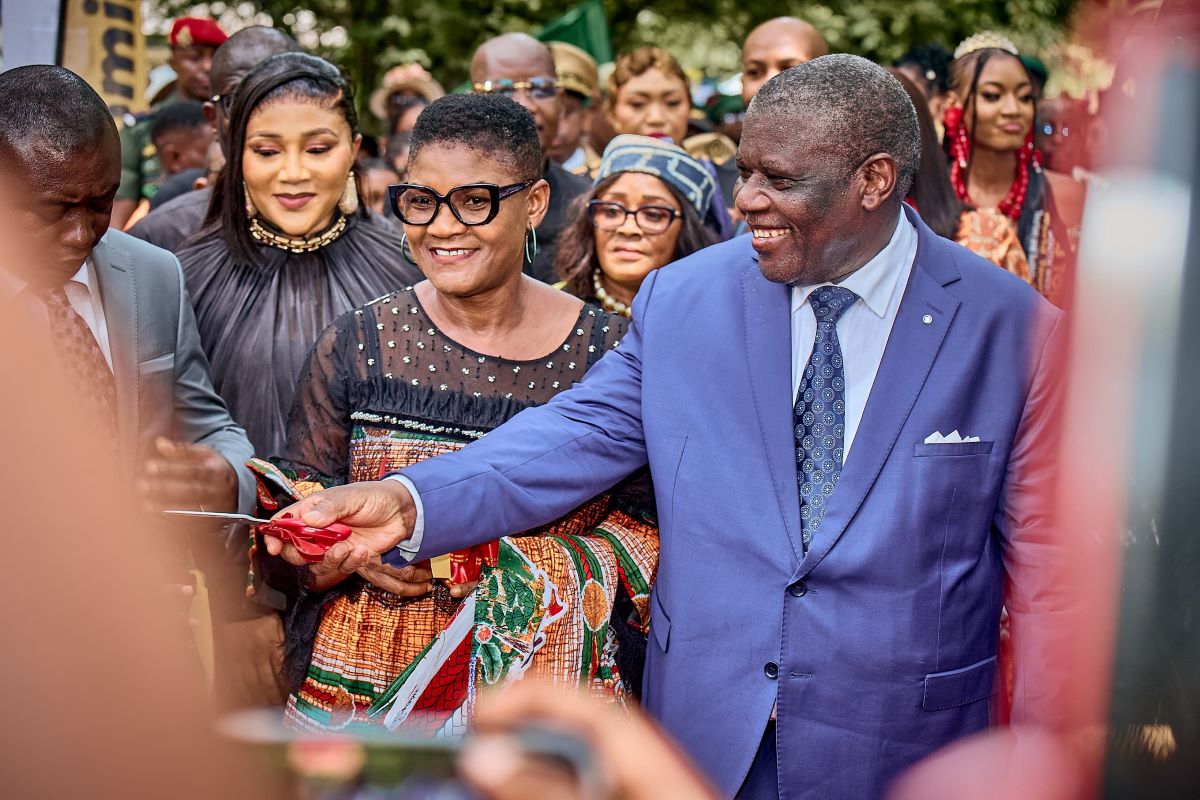
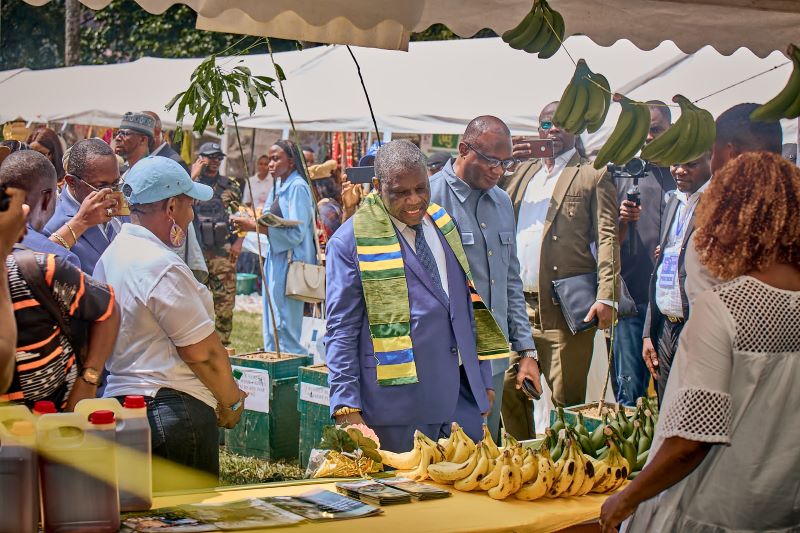
The seaside city of Limbe has once again proven its credentials as a continental tourism stage, successfully hosting the 5th edition of the Cameroon International Tourism Fair (CITF 2026) from March 19 to 21 at the iconic Limbe Botanic Garden.
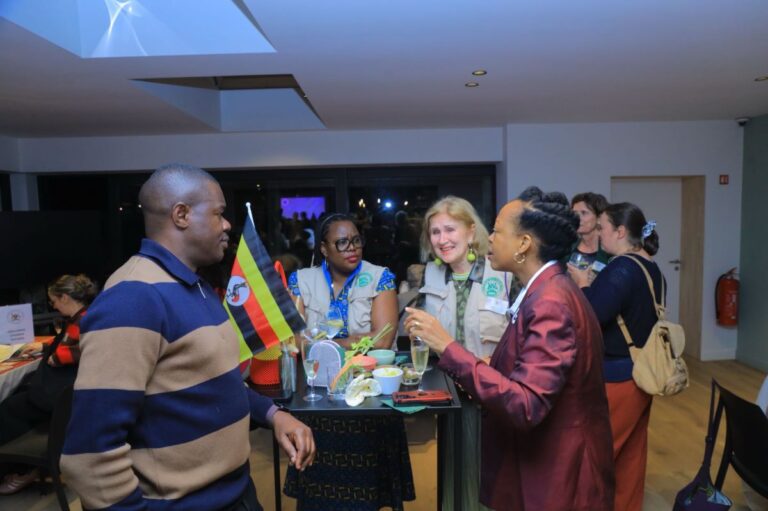
Under the rallying theme “Synergizing Tourism, Culture and Trade,” the three-day event drew over 500 exhibitors, more than 40 international tour operators from 12 African nations — including Nigeria, Ghana, Ethiopia, Central African Republic, Zimbabwe, Zambia, Gabon, Burkina Faso, Benin, South Africa, Uganda, and Tanzania — alongside representatives from Poland and Brazil, underscoring Cameroon’s fast-growing appeal on the global tourism map.
Organized by Flora Travel and Tour Company Limited in partnership with the Limbe City Council and the Ministry of Tourism and Leisure, CITF 2026 delivered a rich programme of exhibitions, high-level panel discussions, cultural performances, Business-to-Business (B2B) sessions, and familiarization trips to Buea, Kribi and Douala — all designed to forge lasting partnerships and advance sustainable tourism development across the region.
A Ministerial Mandate For Growth
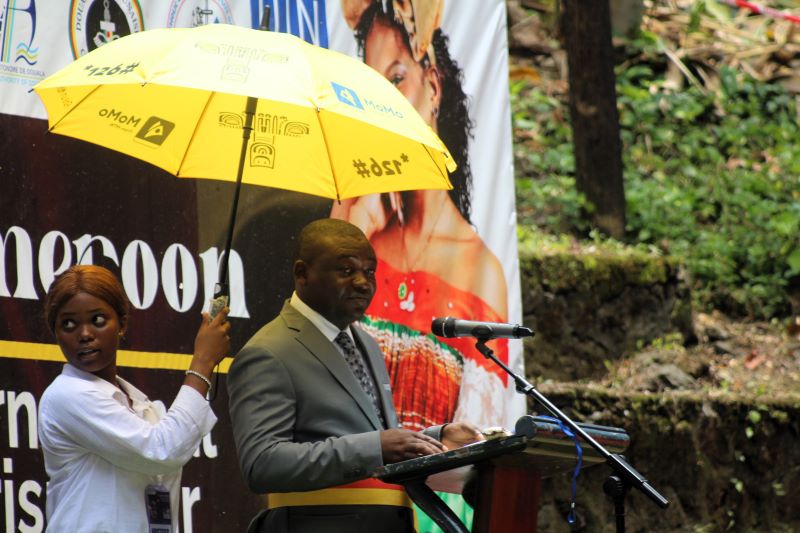
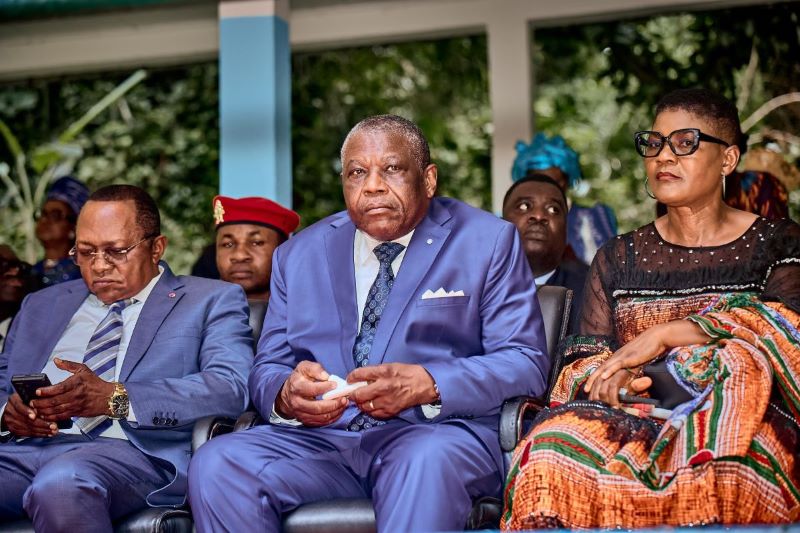
The fair was officially opened by Cameroon’s Minister of Tourism and Leisure, Gabriel Mbaïrobe, who framed the event as far more than a trade expo. He described CITF as a strategic instrument aligned with national development priorities, spotlighting two emerging pillars of Cameroon’s tourism identity: gastronomy — anchored by protected culinary heritage such as the iconic Ndolè dish — and the blue economy, which taps into the country’s rich coastal and maritime assets.

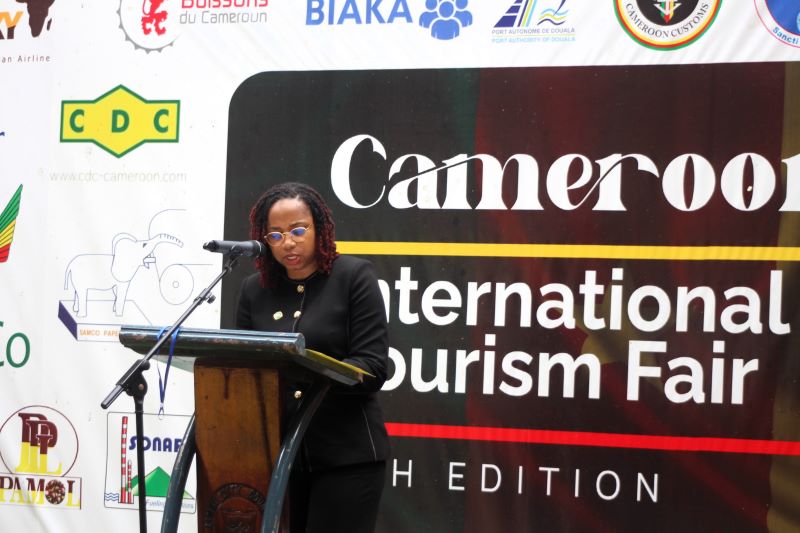
Agatha Iyok, CEO and Vision Bearer of Flora Travel and Tour Company, reflected on the journey that brought the fair to its fifth edition. “This vision was birthed five years ago to unite communities for a shared purpose,” she said, reaffirming her commitment to harnessing Cameroon’s extraordinary cultural diversity as a magnet for investment. The fair showcased the full breadth of the country’s offering — from the volcanic majesty of Mount Cameroon and the distinctive black-sand beaches of the Limbe coast, to the historically significant Bimbia Slave Route and the rich culinary traditions of Cameroon’s ten regions, including beloved dishes like Ndolè and Eru.
The Local Pulse: Limbe As A Living Laboratory
Paul Efome Lisombe Ngale, Lord Mayor of Limbe City Council, welcomed delegates to what he proudly called the “City of Friendship,” positioning Limbe not merely as a picturesque host city, but as a working model of what tourism-led development can achieve at the community level.
“Limbe is not just a backdrop for this event; it is a living laboratory for what tourism can do for a community,” the Lord Mayor stated. “Our commitment to green spaces, heritage sites like the Bimbia Slave Route, and our unique coastal assets remains a top priority as we scale our capacity to host the world.”
His remarks reinforced the organizers’ vision of Limbe as the permanent, purpose-built home of CITF — a city investing in the infrastructure and goodwill required to welcome the world year after year.

The Continental Imperative: Breaking Out Of Silos
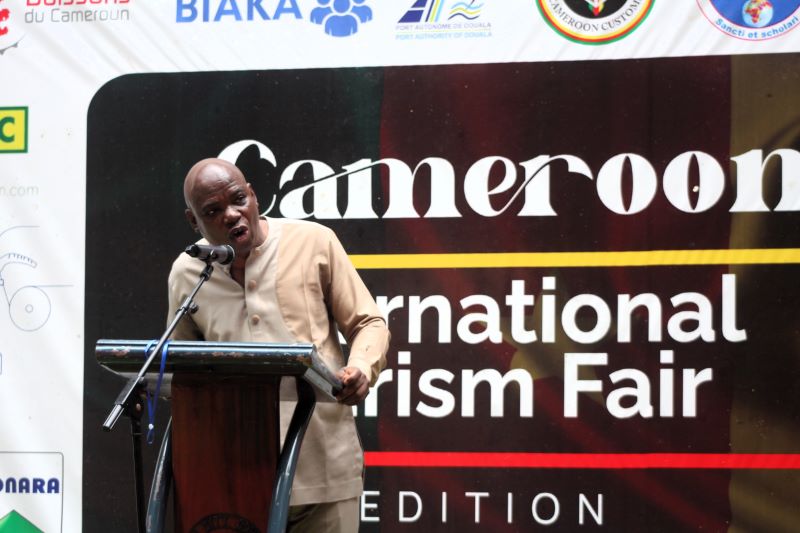
One of the most anticipated voices at the opening ceremony was Kwakye Donkor, CEO of Africa Tourism Partners and a leading authority in African destination marketing. His address challenged the assembled stakeholders to fundamentally reimagine how the continent presents itself to global travelers.
“We must stop marketing Africa in silos,” Donkor declared. “The success of CITF 2026 is a testament to the fact that when we bridge the gap between Central, West, and East Africa, we create a value proposition that is irresistible to the global traveler. Cameroon is the hinge upon which this regional integration can swing.”
His call to action resonated deeply in a room where delegations from across the continent had gathered precisely to explore the kind of cross-border synergies that could redefine Central Africa’s position in the global tourism economy. For Cameroon — long celebrated as “Africa in Miniature” for its extraordinary ecological and cultural diversity — the opportunity to serve as the continent’s connective tissue is both a privilege and a strategic imperative.
The Financial Backbone: AFREXIM Bank Signals Commitment
Reinforcing the economic ambitions of the fair, Leonelle Nomechi, Manager (Structured Trade and Commodity Finance) from AFREXIM Bank delivered a pointed message about the readiness of continental financial institutions to back tourism as a core driver of the African Continental Free Trade Area (AfCFTA).
“Tourism is trade in its most vibrant form,” Nomechi stated. “Our presence here is a signal that financial institutions are ready to back the infrastructure, the SMEs, and the creative industries that make the Cameroonian experience possible. Investing in the ‘Blue Economy’ isn’t just about the ocean; it’s about the livelihoods that depend on a thriving, sustainable tourism sector.”
The bank’s emphasis on the blue economy — encompassing fisheries, coastal tourism, maritime trade, and related creative industries — aligned closely with Minister Mbaïrobe’s earlier remarks, signaling a coordinated institutional push to unlock Cameroon’s coastal potential as a bankable, investable asset.
Raising The Bar: The Human Touch In Tourism
While the fair celebrated Cameroon’s abundant natural and cultural endowments, some of the most candid and consequential conversations centered on the gap between potential and delivery. Among the most prominent voices on this front was Isa Kato, Managing Director of Pristine Tours Ltd and Executive Director of the Great Lakes Tourism Institute.
“Attending CITF 2026 has been a truly eye-opening experience — one filled with opportunity, reflection, and a renewed commitment to the future of tourism across Africa,” Kato reflected. “These kinds of initiatives are powerful catalysts for dialogue, partnerships, and sector growth.”
Yet Kato was equally direct about the work that remains. “Cameroon boasts stunning natural beauty and untapped potential, but to compete globally, we must prioritize service excellence, professional tour guide training, attraction packaging, and hospitality investments,” he said, articulating a vision of tourism competitiveness built not just on scenery, but on the quality of human interaction at every touchpoint.
“Tourism is built on experience. Beyond infrastructure, there is a need to elevate service delivery across the board,” he continued. “Hospitality teams, transport providers, and all frontline personnel should be aligned with global standards.”
Kato reserved particular emphasis for the role of tour guides, describing them as “ambassadors of the destination” and calling for structured training and formal certification frameworks to ensure that every visitor leaves with a genuine, lasting connection to the Cameroonian soul.
Looking Ahead: The Road To CITF 2027
As the curtain came down on the 5th edition, the conversation among organizers and stakeholders had already turned to what comes next. The fair’s record of steady growth — from a local initiative to a continental platform attracting delegations from across Africa and beyond — has generated both momentum and expectation.
Kato, who expressed a desire to contribute directly to future editions, articulated the ambition shared by many in attendance: “The next chapter can be even more impactful if we focus on better coordination, seamless organization, and stronger international participation to provide clear value for exhibitors and buyers alike.”
For CEO Agatha Iyok and her team at Flora Travel and Tour Company, the conclusion of CITF 2026 is not an endpoint but a launchpad. With AfCFTA alignment, intra-African tourism integration, and the blue economy all firmly on the agenda, the 6th edition carries the weight of a continent’s tourism ambitions.
With CITF 2026 now in the books, Cameroon has delivered an unambiguous declaration: it is ready — culturally, naturally, and institutionally — to claim its place as the premier hub for tourism, trade, and investment in Central Africa.