December in Nigeria – Beyond the Lights and Festivals
December in Nigeria is more than a month on the calendar, it is a living, breathing season of cultural rhythm, emotional reunion, and ancestral remembrance. Unlike many parts of the world where December is simply tied to Christmas lights, decorated trees, and winter chills, Nigeria’s December carries an intensity that goes far beyond festivities. It is about homecoming, identity, and the rebirth of community.
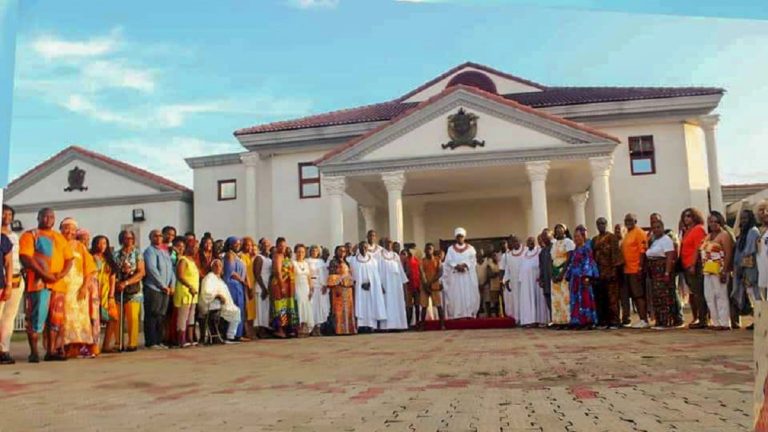
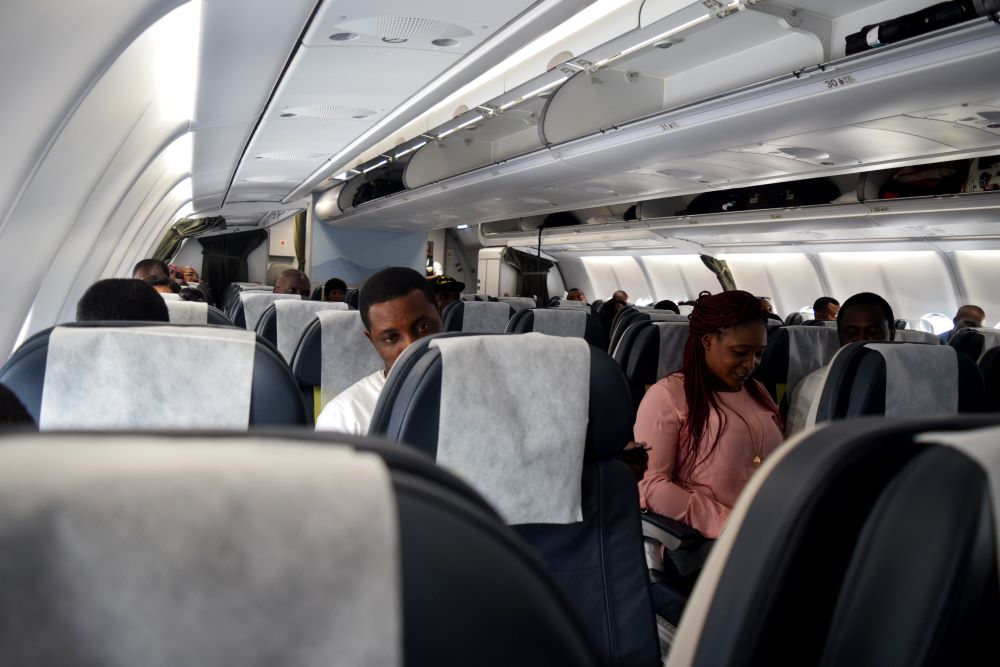
For millions of Nigerians at home and in the diaspora, December is the month of return. Airplanes land heavily at Murtala Muhammed Airport in Lagos, Akanu Ibiam in Enugu, and Nnamdi Azikiwe in Abuja, bringing sons and daughters who left for opportunities abroad back to the embrace of their families and hometowns. These arrivals are not just about seeing loved ones, they are symbolic acts of reconnection to roots. The Igbo call it “Ilo-Ulo,” the return home, where one rediscovers the language, the food, the sounds, and the soil of their ancestors.
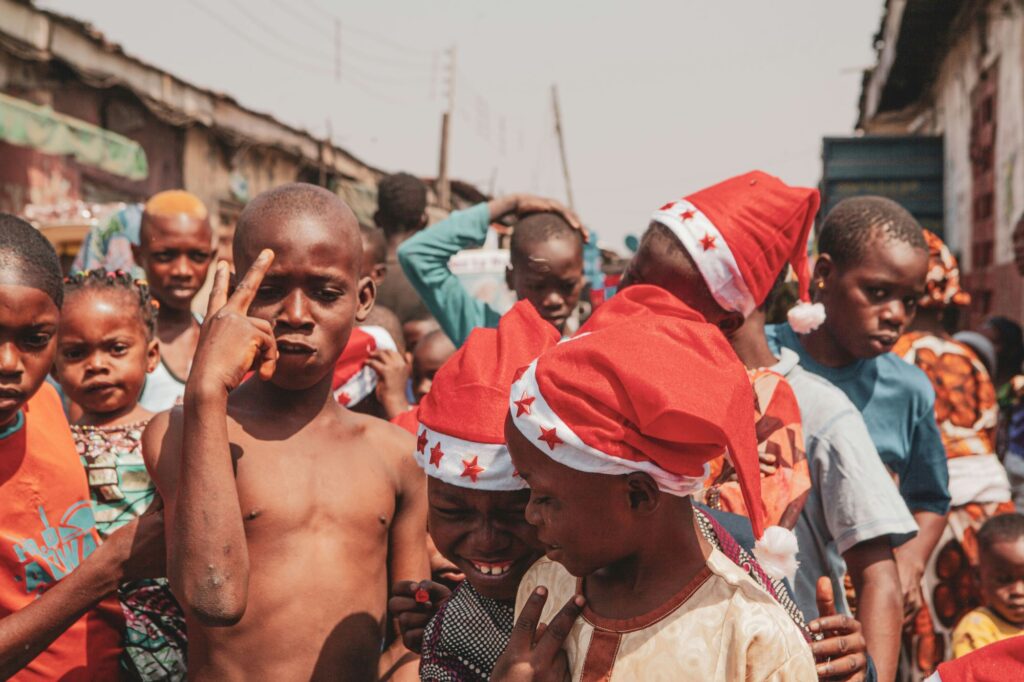
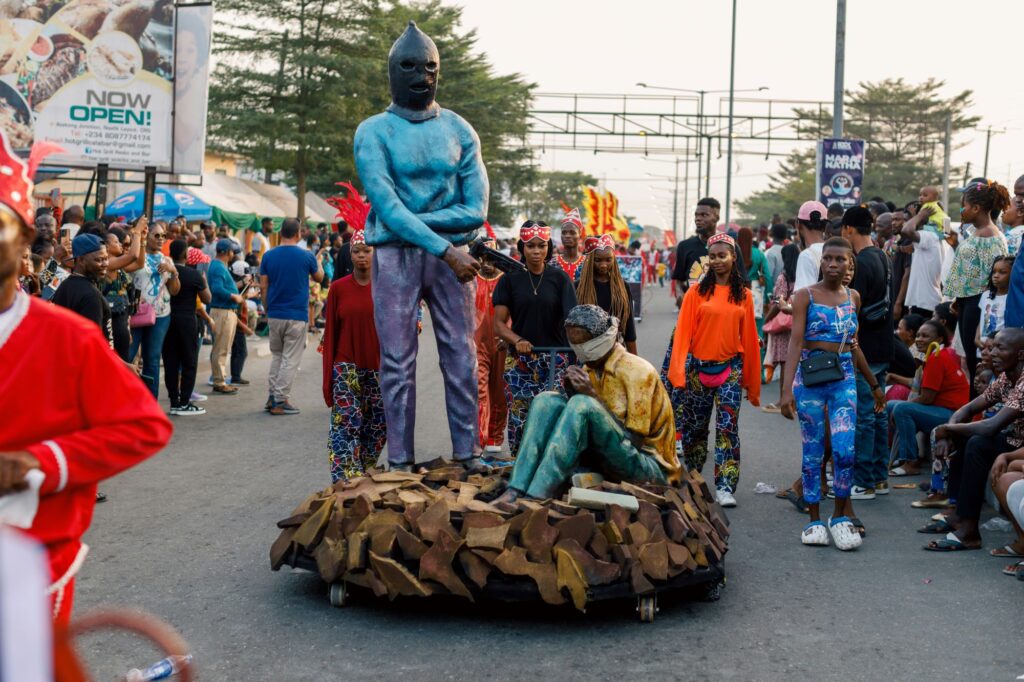
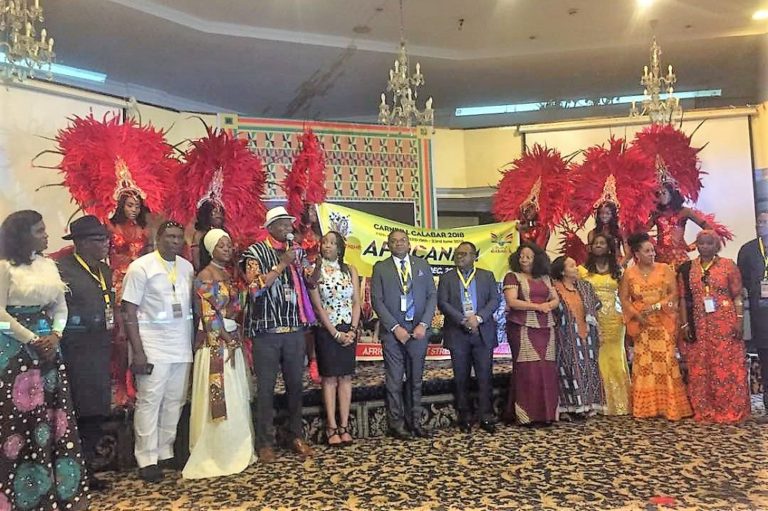
But December in Nigeria is not limited to family reunions. It is also a month when culture, history, and tourism merge seamlessly. Take for instance the bustling city of Calabar in Cross River State, which hosts Africa’s biggest street party; the Calabar Carnival. Here, troupes dressed in feathers, sequins, and indigenous fabrics dance for hours in choreographed parades that tell stories of heritage, resilience, and joy. It is art meeting identity in its purest form, and it pulls both locals and global visitors into the heartbeat of African celebration.
But beyond culture, December in Nigeria has become an engine of tourism and economy. In just a few weeks, billions of naira are spent on travel, accommodation, events, food, and crafts. Villages receive an influx of visitors who inject cash into local economies. If properly harnessed, December could rival some of the world’s biggest tourism seasons, placing Nigeria firmly on the global destination map.
Similarly, Lagos, Nigeria’s commercial capital, becomes a global stage in December. Concerts, fashion shows, and art exhibitions multiply across the city. From “Detty December” parties to high-level cultural showcases, Lagos proves that African cities can redefine leisure and creativity. Yet behind the glamour is an age-old culture of hospitality: Nigerians welcoming visitors not just with music and laughter but with food, warmth, and endless conversations that stretch late into the night.
Travel inland, and you’ll discover quieter, more reflective Decembers. In villages across Igboland, December means festivals such as the New Yam Festival’s final rites, masquerade displays, and family meetings that span entire kindreds. Drums echo into the night, masquerades whirl in mysterious performance, and elders tell stories of ancient battles, migrations, and triumphs. It is in these moments that young Nigerians rediscover a history not taught in classrooms, a history passed down through rhythm and ritual.
For the Yoruba, December is also a time of spiritual reconnection. Many families gather to honor ancestors, visiting shrines and offering prayers. It is a reminder that December is not only about the present, it is about continuity, the passing down of values, and acknowledging the unseen forces that have guided generations. For the Hausa-Fulani in the North, the season is marked by durbars, horse parades, and colorful displays of royalty and tradition that turn dusty fields into grounds of majestic performance.
But beyond culture, December in Nigeria has become an engine of tourism and economy. In just a few weeks, billions of naira are spent on travel, accommodation, events, food, and crafts. For local artisans, December sales often sustain them for months into the new year. Fashion designers, caterers, photographers, and performers find themselves fully booked. Villages receive an influx of visitors who inject cash into local economies. If properly harnessed, December could rival some of the world’s biggest tourism seasons, placing Nigeria firmly on the global destination map.
Yet, there is a deeper layer, one that goes beyond the lights, festivals, and economic opportunities. December in Nigeria is an opportunity for reflection. For many families, it is the time when generational tensions are healed around the family compound. It is when parents and children sit together to reweave broken bonds. It is when communities decide projects for the next year; be it building schools, repairing roads, or supporting widows. In this sense, December is not just a celebration; it is a strategy for communal progress.
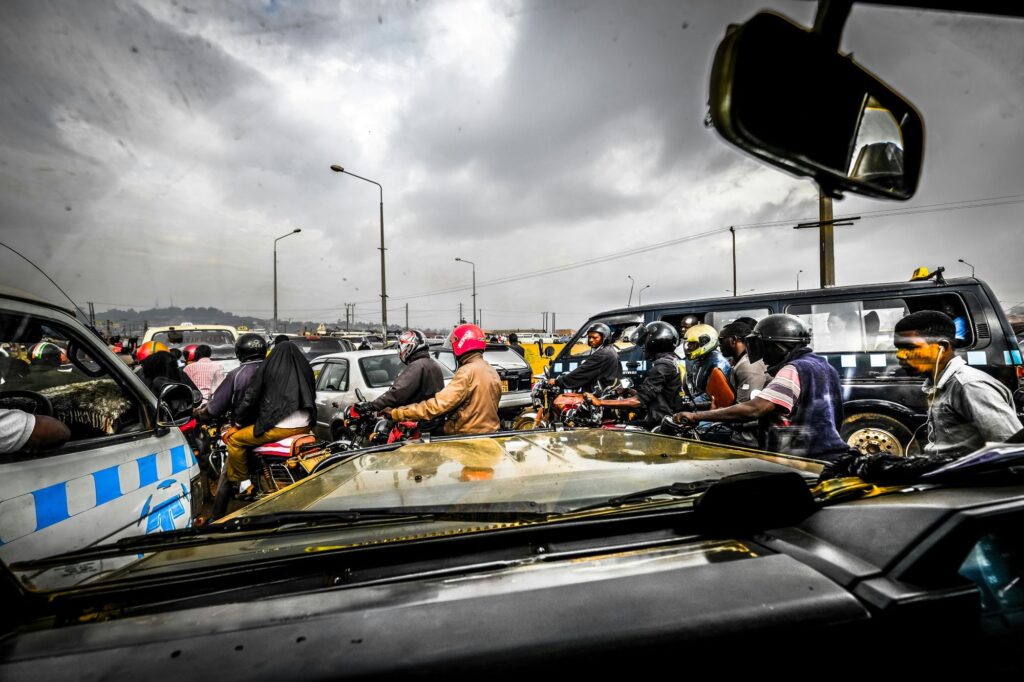
However, Nigeria’s December is not without its challenges. Overcrowded airports, inflated transport fares, and traffic gridlocks remain realities. Villages struggle with hosting the large influx of returnees, and local councils often fall short in providing adequate infrastructure. Moreover, the pressure of December sometimes forces people into unhealthy financial decisions, spending beyond their means to meet social expectations. These issues remind us that if Nigeria wishes to position December as a cultural and tourism goldmine, it must also prepare structurally for the weight of its significance.
Still, no challenge erases the magic of December in Nigeria. Whether it is a masquerade sprinting into a dusty arena, a gospel choir raising harmonies in a midnight church service, or a mother serving jollof rice to her son who returned from abroad, there is a sacredness about the month. December carries memory, it reminds us of who we are, where we come from, and where we are going. It is a cultural compass, guiding Nigerians into a new year not only with hope but with identity.
As the world increasingly seeks unique experiences, Nigeria’s December offers more than enough. It offers the rawness of community, the elegance of heritage, and the vibrancy of Africa’s beating heart. But for Nigerians, it is personal. December is not just a festival season, it is home. And home is always beyond the lights.