
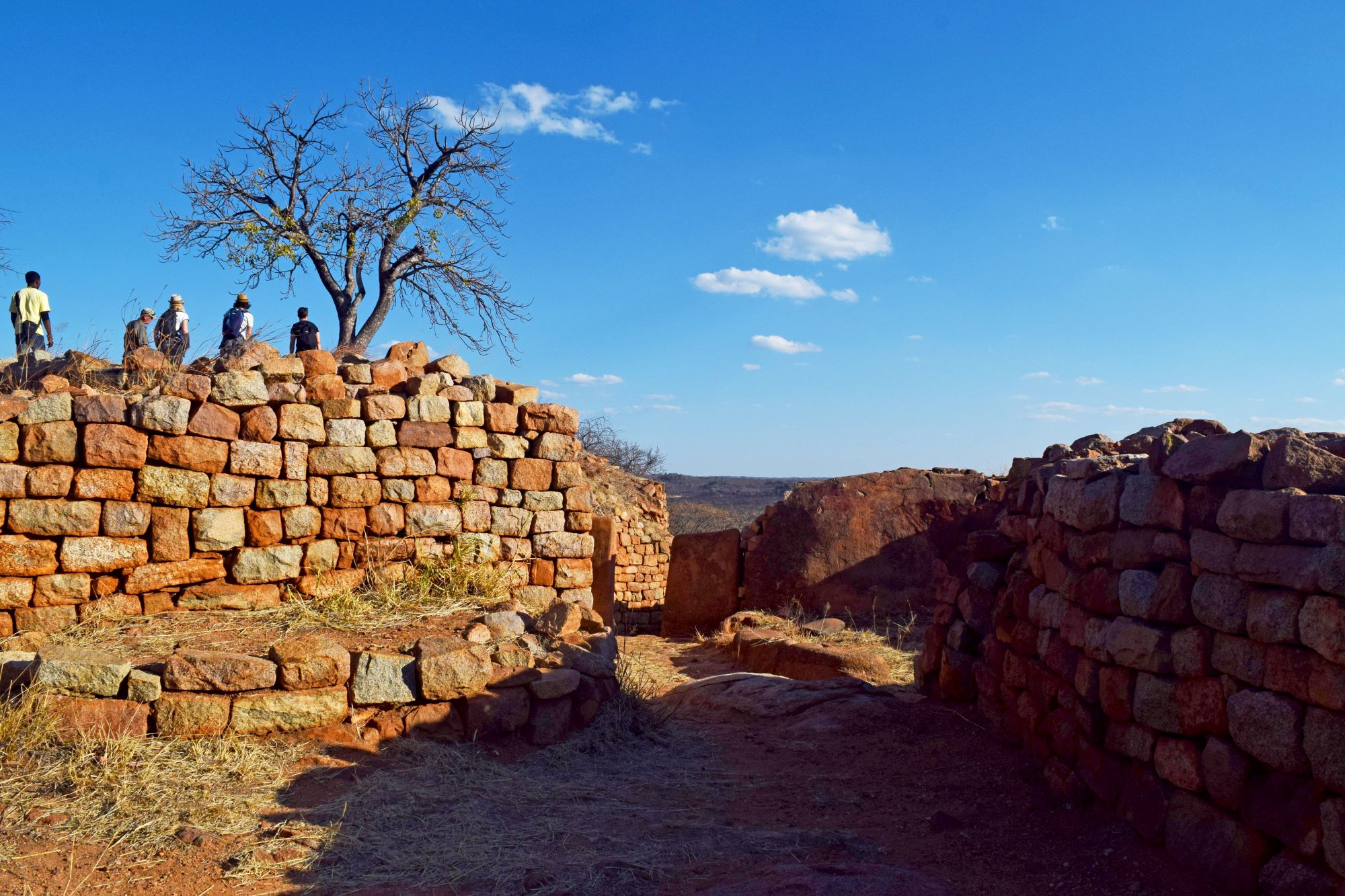
Echoes of Stone: Southern Africa’s Ancient Monuments & the Yuletide Season
Centuries before roads and resort towns, long before the concept of Christmas itself reached African soil, ancient African communities were already making pilgrimages not to shopping malls or coastal getaways but to monumental sites carved in stone around the 23-27 December, during the winter solstice. These places now weathered by sun, and oral history were once the living hearts of civilisation sanctuaries where faith, family and renewal converged.
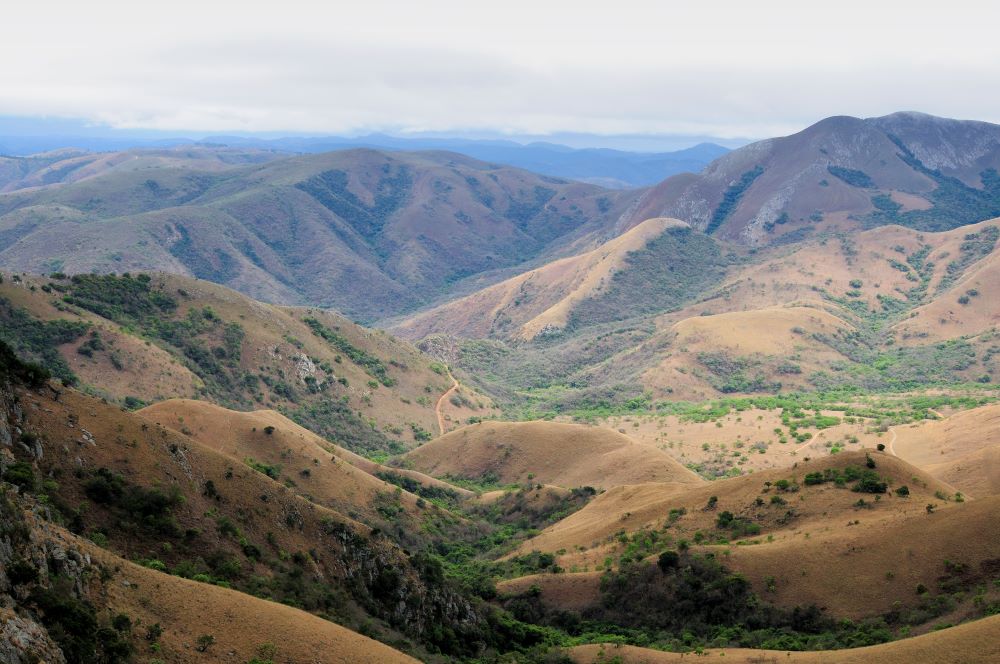
When the December sun hangs lazily above the ancient Barberton Hills (Makhonjwa Mountains), in South Africa’s Mpumalanga Province, and the scent of rain clings to the wind, people across Southern Africa exhale with great relief. As the year’s race slowly paces down, families pack bags, roads roar with laughter and the previously desolate villages awaken to the rhythm of reunion. For many, Christmas isn’t just a religious ceremony, but connection. A season to rest, reflect and return to ones roots. And still, in this collective urge to travel, to find solace in the familiar and sacred, there lingers an echo from a far older time.
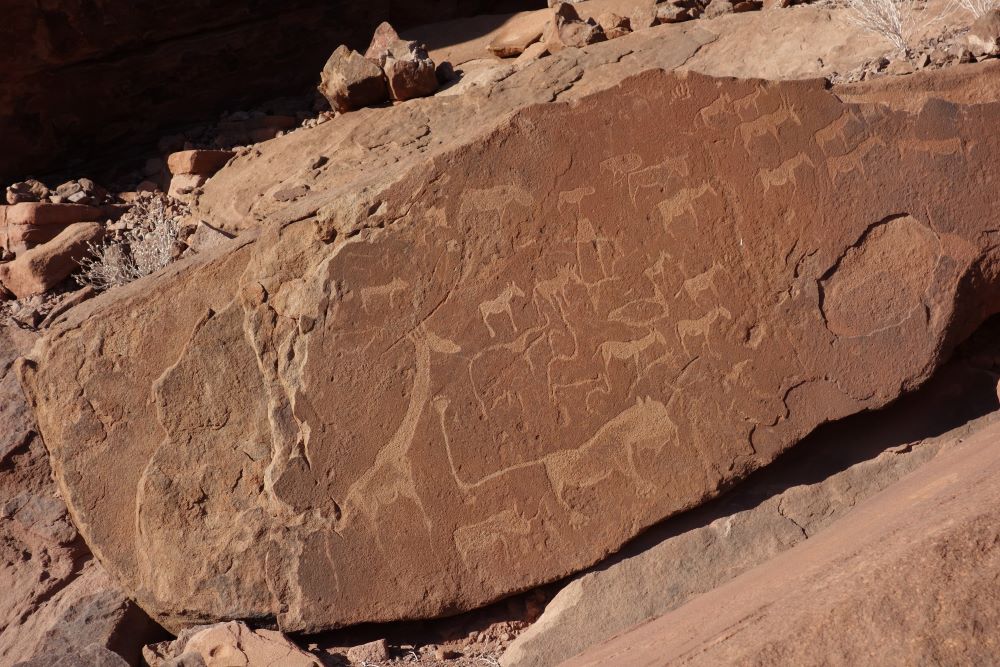
From the golden meridian line that runs from Inzalo ye Langa (Birthplace of the Sun), in Mpumalanga, to the towering house of stones that run through Botswana, Zimbabwe the mysterious engravings of Twyfelfontein in Namibia, the SADC landscape is strewn with remnants of cultures that understood travel not as leisure but as a journey of the spirit. For the Karanga builders of Great Zimbabwe, the city’s granite walls represented more than just architecture they were a declaration of belonging and belief. The enclosure, encircling its inner sanctuaries once drew families from distant valleys during the rituals that aligned with harvests and seasons of renewal.
For many, Christmas isn’t just a religious ceremony, but connection. A season to rest, reflect and return to ones roots. And still, in this collective urge to travel, to find solace in the familiar and sacred, there lingers an echo from a far older time.
In those gatherings in similar sites such as the Khami National Monuments in destination Bulawayo, in the days when they were alive with laughter, one can almost glimpse a familiar rhythm. People returning home after months of toil, elders telling stories under the moonlight, fires glowing where songs of gratitude rose. Travel even then was about reconnection. The reconnection was beyond just people but with divine energies believed to dwell in the stones themselves.
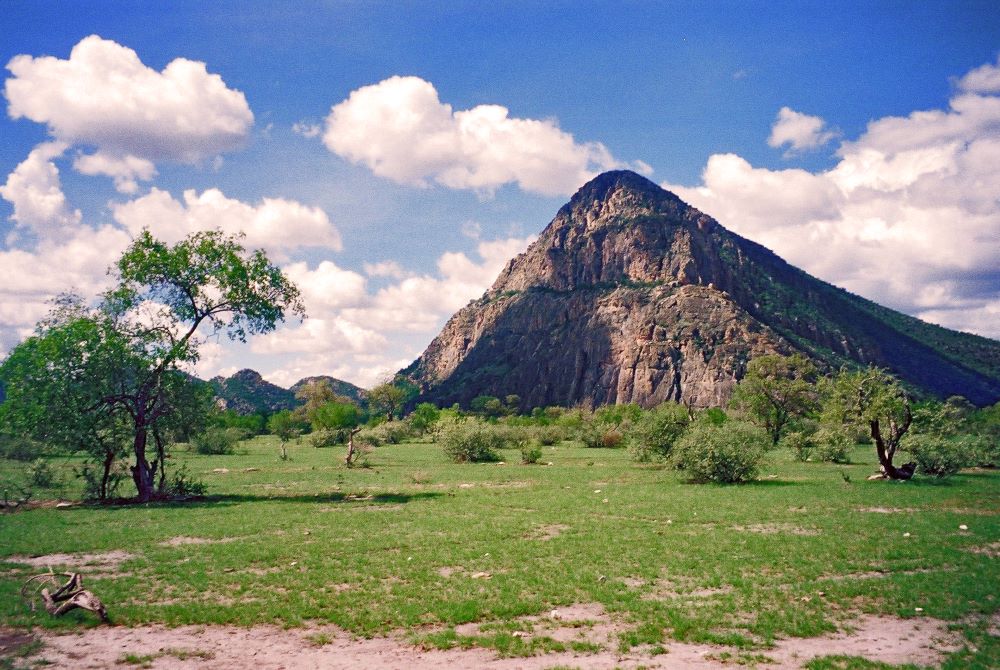

Across the Limpopo in Botswana’s Tsodilo Hills, often called the Mountains of the Gods, ancient San communities saw in the rock faces a living presence. Every painting, every grove told a story of their ancestors. Families would make long treks to the sacred hills not only to worship but to celebrate life itself. A pause from survival to remember what bound them together.
Although wrapped in new symbols and languages, fast forward millennia and the echo of these pilgrimages still lives on. When families today plan Christmas trips to ancestral villages, scenic lodges, or historical landmarks, they echo a pattern etched deep into Southern Africa’s cultural memory. The roads may be tarred and the journeys shorter, but the purpose remains surprisingly consistent: to reconnect, to recharge, and to rediscover meaning.
Unlike in many Western traditions where Christmas centers on religious ritual, in much of the SADC region it has grown into a cultural heartbeat — a time when the diaspora returns home. In Zimbabwe, buses brim with laughter and luggage; in Zambia and Malawi, the markets burst with travelers buying gifts and homecoming treats. It’s a collective migration rooted in family rather than formality.
Just as ancient travelers once sought the spiritual grounding of stone monuments, today’s urban families seek the grounding presence of home, nature, and memory. From the over one hundred monument in the region, Khami, Dangamombe, Great Zimbabwe, Mapungubwe, Tsodilo Hills, Matobo Hills and others — stand as silent witnesses to this continuum of human longing. They remind us that rest and reflection are not modern luxuries, but ancient necessities.
This December dare to walk through the corridors of Great Zimbabwe at sunset and feel that strange hum between past and present. The granite boulders glow amber, and the air seems thick with stories. Archaeologists debate whether the Great Enclosure was a royal residence or a ritual space, but for travelers who wander through its passageways today, the site feels deeply spiritual.
Similarly, in South Africa’s Mapungubwe National Park, where another ancient civilization flourished a thousand years ago, the landscape tells of trade, artistry, and spiritual sophistication. The famous golden rhinoceros discovered there wasn’t merely an artifact but it was a symbol of leadership and the sacred connection between humans and the natural world. Travelers who visit Mapungubwe today often describe a feeling of quiet reverence, as though the land itself asks them to slow down, to listen, to breathe. These monuments, though silent, speak of a truth that still guides us: that travel, at its best, is a form of renewal, a pilgrimage of the soul.
As modern tourism evolves across the SADC region, there is a growing realization that our journeys need not be escapist. They can be restorative, an opportunity to engage with the ancestral, the cultural, and the spiritual. Visiting the region’s stone monuments during the holiday season can offer travelers more than scenic photography; it offers perspective.
Today, as city lights dim behind holiday travelers and buses wind toward rural horizons, we are continuing a tradition older than any church carol. Our reasons for traveling include love, family, reflection mirror those of ancestors who once moved toward sacred sites in search of renewal. The difference is not in the destination but in the language of belief.
Where they sought ancestral spirits, we seek peace of mind. Where they offered sacrifices, we offer time the rarest gift of all. Both acts are sacred. Perhaps that is the quiet magic of Christmas in Southern Africa: it transcends religion without abandoning reverence. It transforms the season into a cultural pilgrimage, a moment when millions retrace invisible paths to places that remind them who they are. And as we stand before these enduring stones the ruins, the engravings, the sacred hills we might realize that what our ancestors built was more than monument. They built meaning. They carved permanence into the earth so that, centuries later, weary travelers like us could find our reflection in them.
Sihlonitshiwe Hlabangana is a dedicated entrepreneur and the Chairperson of the Small Enterprises Tourism Association of Zimbabwe (Bulawayo Chapter). She holds a Bachelor of Science degree in Tourism and Hospitality Management from Lupane State University, where she was awarded the prestigious Chancellor’s Award for the Faculty of Commerce in 2024. Currently pursuing a Master of Science in Tourism and Hospitality Management, further deepening her expertise in the field, Sihlonitshiwe’s leadership and commitment to sustainable tourism development have positioned her as a respected figure within Zimbabwe’s tourism and small enterprise sectors.