
Heritage Tourism in Africa: Preserving the Past, Empowering the Present, Shaping the Future
Heritage tourism has emerged as one of the most transformative tools for cultural preservation in Africa. Beyond the leisure of sightseeing, it offers travelers an opportunity to engage with the continent’s living histories—its traditions, crafts, festivals, and collective memory. In recent years, African destinations have recognized a crucial truth: heritage is not merely something to be protected behind glass; it is something to be meaningfully shared, interpreted, and sustained through the active participation of the people.
Understanding the Living Heritage
Heritage tourism in Africa refers to travel experiences centered on places and practices inherited from the past and valued in the present. Unlike static heritage sites elsewhere, African heritage is living. It breathes.
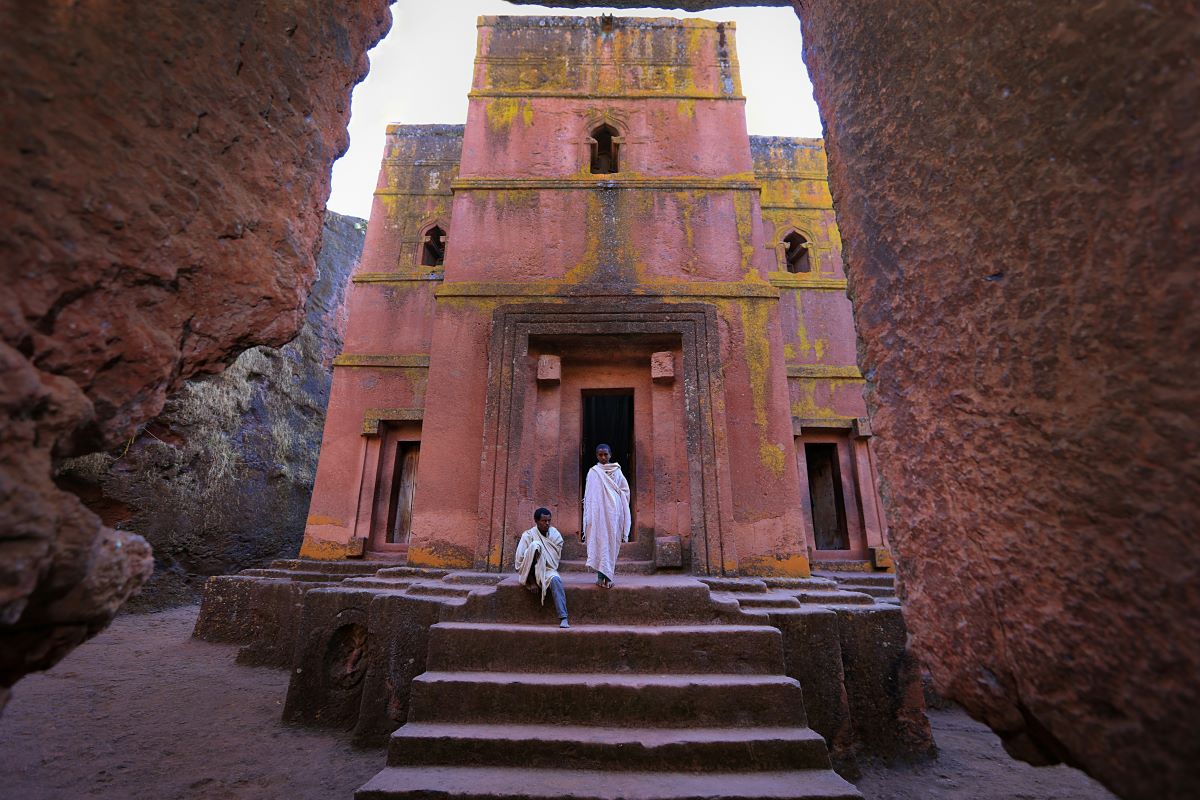
It spans the tangible—archaeological sites like Great Zimbabwe, the rock-hewn churches of Ethiopia, and the historic walls of Kano—to the intangible: the rhythm of the Djembe, the art of weaving Kente, the oral histories of the Griots, and the spiritual knowledge of indigenous healers. This living nature makes African heritage tourism uniquely immersive. Festivals are still celebrated, crafts are still practiced, and traditions are still evolving. It is not a museum exhibit; it is a conversation across generations.
A Landscape of Resilience
Africa’s heritage assets are as diverse as the continent itself. From ancient trade routes that once connected the Sahel to the Mediterranean, to sacred landscapes tied to spiritual belief systems, Africa offers layered narratives of resilience and innovation.
- Historic Towns: Sites like Timbuktu and Meroe reveal precolonial governance and trade systems that defy outdated perceptions of a “history-less” continent.
- Craft Communities: Villages where pottery, metalwork, and weaving are not just hobbies but indigenous technologies preserved for survival.
- Sacred Landscapes: Forests and shrines that serve as both spiritual centers and biodiversity hotspots, guarding ecosystems and culture simultaneously.
These expressions challenge the narrative of Africa as a continent without a past, repositioning it as a repository of global civilization.
The Shift to Community Ownership
The most critical shift in contemporary heritage tourism is the move toward community ownership. In Africa, heritage does not belong solely to the state or distant institutions; it belongs to the people who live it.
Community-centered heritage tourism ensures that:
- Local people are decision-makers, not just service providers.
- Economic benefits circulate within the community, funding schools and clinics.
- Cultural practices are not commodified into cheap spectacles for entertainment.
- Younger generations see their heritage as a source of pride and economic opportunity.
When communities are actively involved, heritage tourism becomes a tool for dignity and continuity rather than exploitation. It is a strategy for communal progress.
Economic Justice and Empowerment
Heritage tourism contributes directly to local economies by creating jobs and stimulating creative industries. Artisans, guides, historians, and hospitality providers form the backbone of this ecosystem.
In rural and semi-urban communities, it can:
- Reduce youth migration by creating viable local opportunities.
- Support women-led enterprises, particularly in craft production and culinary traditions.
- Revitalize neglected spaces, turning abandoned ruins into vibrant cultural hubs.
- Promote skills development, turning traditional knowledge into modern entrepreneurship.
When properly managed, heritage tourism becomes a form of economic justice, linking cultural value directly to livelihood sustainability.
Challenges: The Battle for Authenticity
Despite its potential, heritage tourism faces significant hurdles:
- Inadequate documentation of intangible heritage, risking the loss of oral traditions.
- Limited funding for preservation and maintenance.
- Poor infrastructure, making remote heritage sites inaccessible.
- Over-commercialization, where sacred rituals are shortened for tourist schedules.
- Policy gaps between tourism and culture sectors.
There is a constant risk of heritage being reduced to a spectacle, detached from its meaning. Addressing these challenges requires collaboration between governments, researchers, communities, and the private sector to ensure that the “soul” of the site remains intact.
The Role of Education and Research
Education is the bridge between knowledge and practice. Academic research, heritage documentation, and public education initiatives ensure that tourism development is informed, ethical, and sustainable.
Museums, universities, and cultural centers must serve as guardians of memory. Their work ensures that heritage tourism does not erase complexity but communicates authenticity and depth. We must teach our children the stories of their ancestors so they can carry them forward.
A Call to Action
Heritage tourism in Africa is more than a niche travel segment; it is a pathway toward cultural preservation, inclusive development, and narrative reclamation. By centering people, valuing living traditions, and promoting ethical engagement, Africa can position heritage tourism as a cornerstone of its future.
For travelers, it offers meaningful experiences rooted in connection and understanding. For communities, it offers a chance to safeguard identity while building sustainable livelihoods. And for Africa, it offers a powerful platform to tell its stories on its own terms.
The past is not dead. It is waiting to be reclaimed.