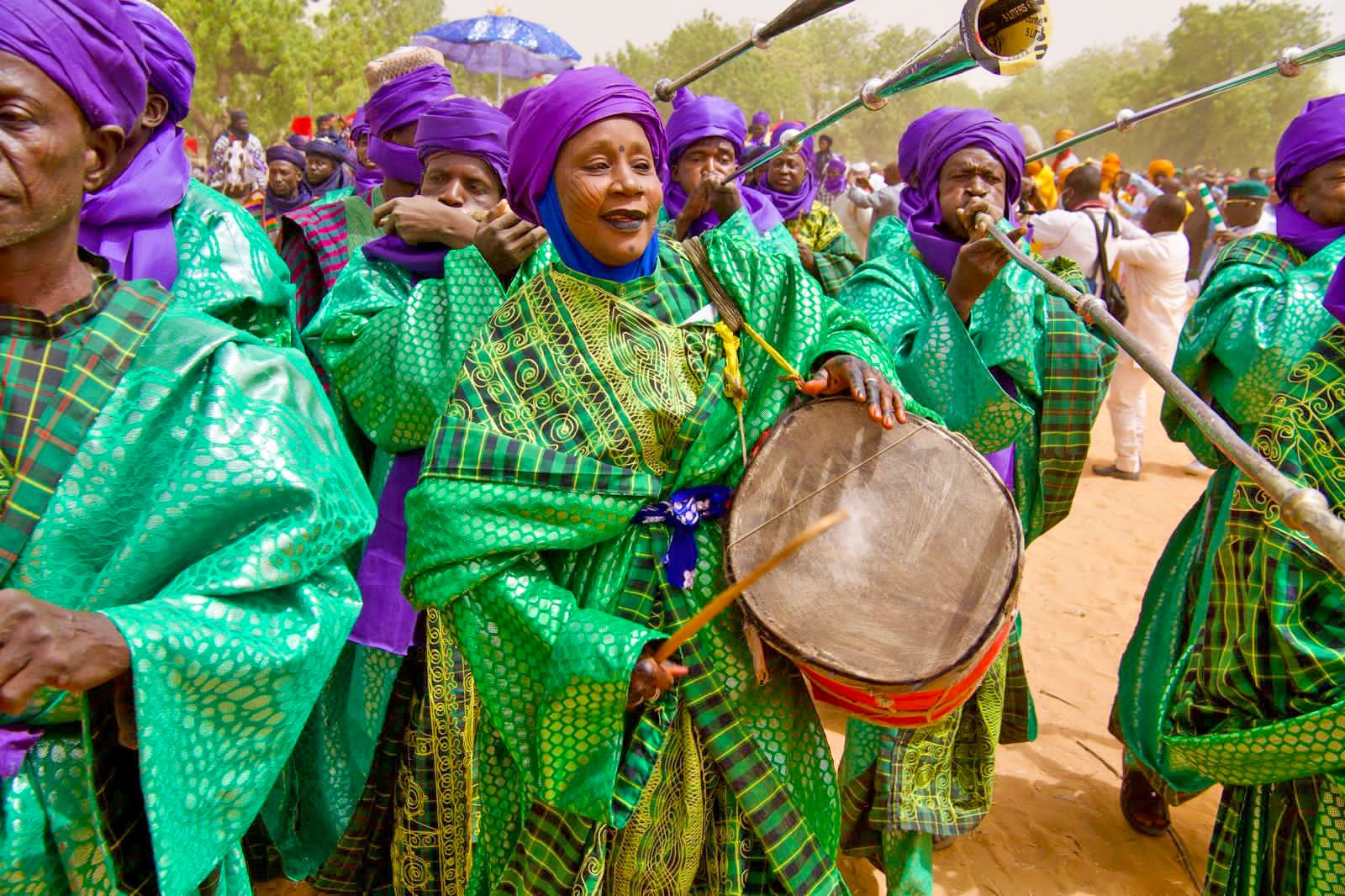
Reclaiming Our Roots: Africa’s Tourism, Heritage, and the Urgent Call for Cultural Sovereignty
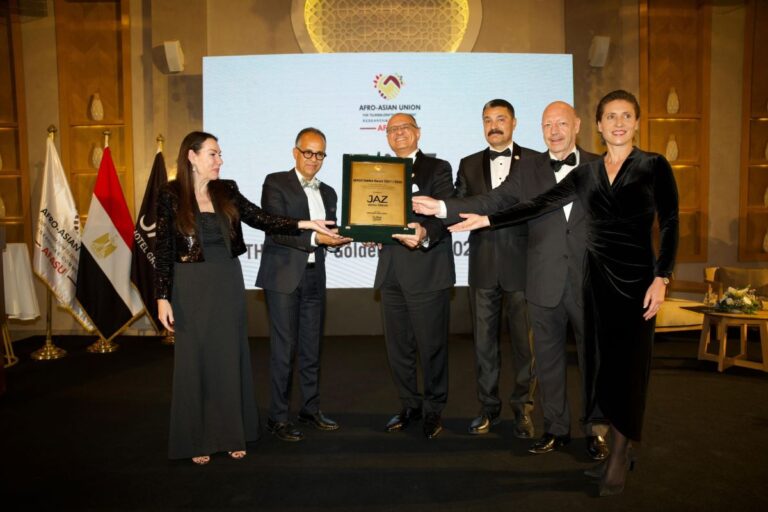
In June 2025, the heart of Africa pulsed with renewed energy as tourism leaders, policymakers, cultural advocates, and international delegates gathered in Abuja, Nigeria, for the 68th Meeting of the UN Tourism Regional Commission for Africa. This landmark event did not just spotlight tourism—it reignited Africa’s collective conscience on the pressing need to reclaim and retell our history, protect our heritage, and harness the immense potential of tourism as a vessel for cultural preservation and sustainable development.
The conversations that unfolded in the conference halls of Abuja were anything but generic. They touched raw nerves. They reminded us that the face of global tourism must no longer be shaped solely by Western ideals or curated by foreign voices. Africa must rise to tell her own story.
Tourism in Africa: The Sleeping Giant Awakens
Africa is home to some of the most diverse landscapes, languages, and living traditions in the world. From the ancient pyramids of Egypt to the rock-hewn churches of Ethiopia, from the Osun-Osogbo Sacred Grove in Nigeria to the labyrinthine souks of Morocco—Africa’s heritage is unmatched. Yet, for decades, its tourism potential has remained underutilized, overshadowed by poor infrastructure, minimal marketing, and a tendency to view culture through a Western lens. The UN Tourism Commission’s gathering in Abuja aimed to change that narrative. Under the theme “Promoting Africa as a Premier Destination for Cultural and Heritage Tourism,” the conference underscored the importance of intra-African tourism, inclusive growth, sustainable financing, and—most critically—the role of African voices in shaping the continent’s global image.
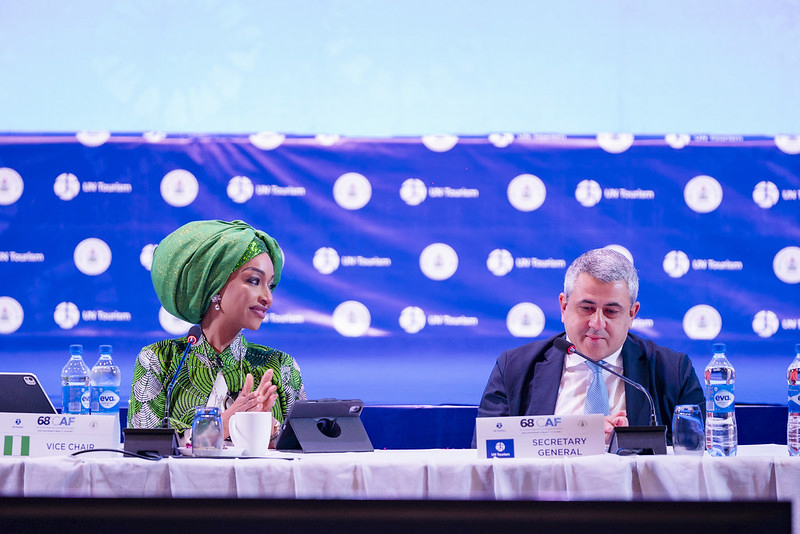
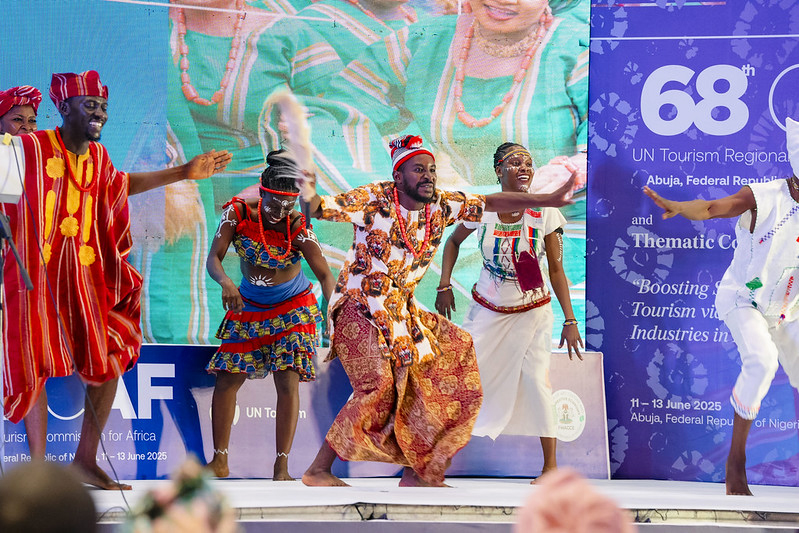
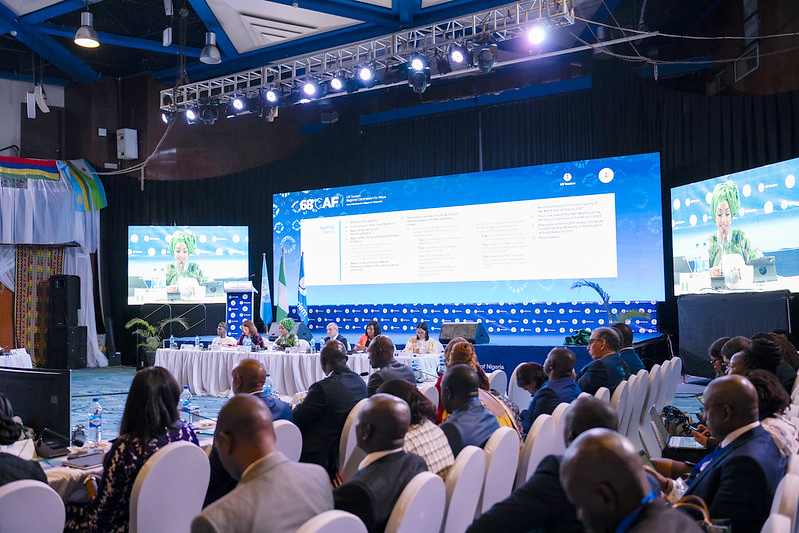
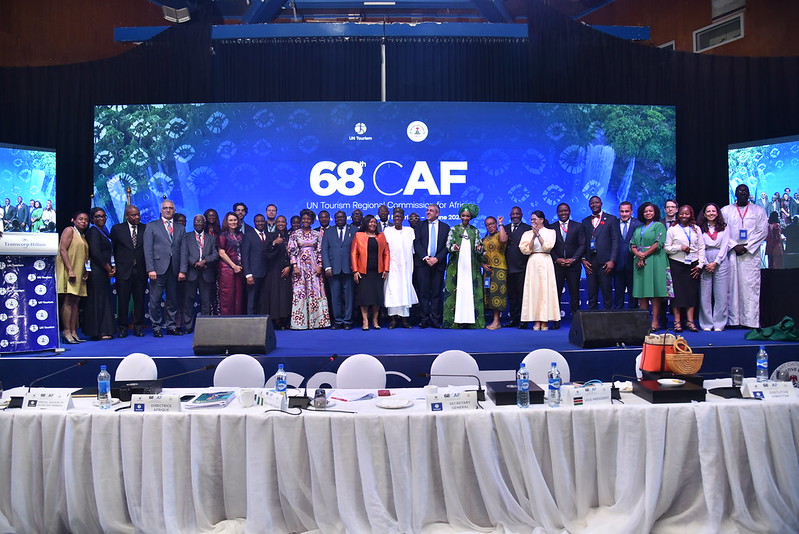
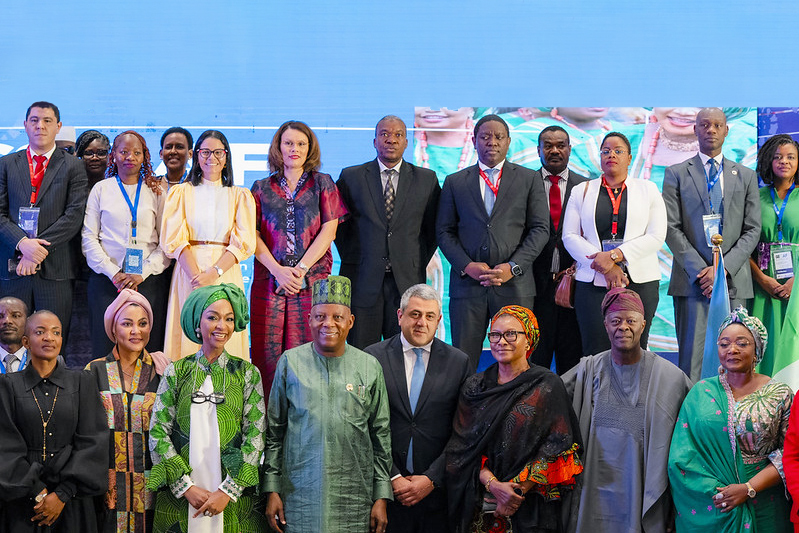

Delegates from over 40 African countries deliberated on strategies to develop home-grown tourism policies, strengthen regional cooperation, and leverage Africa’s intangible cultural assets, including language, food, music, festivals, and traditional knowledge. For Nigeria, the host nation, the event was not just diplomatic—it was symbolic. As Africa’s most populous country and cultural powerhouse, Nigeria is both a mirror and a torchbearer for the continent’s aspirations.
Nigeria: A Microcosm of Africa’s Cultural Wealth
Nigeria’s heritage is a vibrant tapestry of over 250 ethnic groups, ancient kingdoms, sacred traditions, and archaeological wonders. Yet, despite its richness, much of Nigeria’s historical documentation is sparse, oral, or vulnerable to erasure.
Take, for example, the Nok Civilization, whose terracotta sculptures date back to 1000 BC, yet remain under-researched and largely unknown to the average Nigerian. Or the Oyo Empire, whose administrative systems rivaled that of the Romans, but whose legacies are rarely integrated into modern civic education.
Why does this matter?
Because a people without a clear understanding of their past are doomed to misinterpret their present and misdirect their future.
We must ask ourselves: Why do our museums lack foot traffic? Why do our children know more about Roman gods than the Orisha pantheon? Why do we wait for British archaeologists or American filmmakers to interpret our roots for us?
Archaeology and Tourism: Custodians of Memory
Tourism cannot thrive in a vacuum. It depends on stories, artifacts, monuments, and memory. This is where archaeology and tourism must intersect—not as isolated disciplines, but as collaborators in a cultural renaissance.
Archaeologists are the custodians of our collective past. They uncover, interpret, and protect the physical evidence of who we were. But without tourism, those discoveries remain buried not just in the earth, but in obscurity.
Imagine if archaeological sites like the Igbo-Ukwu bronze treasures were transformed into vibrant educational tourism centers? Or if the ruins of Kano’s ancient city walls were better preserved and incorporated into student heritage tours? We would not only preserve our history—we would create jobs, instill pride, and build a generation rooted in their identity.
The Digital Age and the Threat of Cultural Erosion
We live in a world where artificial intelligence can generate Yoruba proverbs in seconds, and social media filters can dress anyone in kente cloth. But beneath this illusion of cultural presence lies a dangerous erosion. Westernization is no longer just a foreign influence—it is a global current. One that, if unchecked, may drown out indigenous knowledge systems, languages, and practices. Technology and globalization are not inherently bad—but they must serve us, not erase us. It is not enough to post Ankara-inspired fashion on Instagram if we cannot explain the origins of the fabric. It is not enough to shoot music videos in historic sites if we do not contribute to their conservation.
As Africans, we must digitize, document, and distribute our heritage on our own terms—not just for international validation, but for intergenerational continuity.
The Power of Ownership: Telling Our Stories, Our Way
Africans must no longer be passive recipients of their own narratives. We must write our history books, produce our documentaries, publish our oral traditions, and curate our own exhibitions. Consider how countries like Senegal have invested in heritage with institutions like the Museum of Black Civilizations in Dakar, or how Rwanda has transformed sites of genocide into centers of reconciliation and learning.
In Nigeria, initiatives such as the National Commission for Museums and Monuments (NCMM) and the push for the return of stolen artifacts like the Benin Bronzes are steps in the right direction. But they are not enough. We need national cultural policies that are enforceable. We need tourism curricula in schools. We need youth ambassadors of heritage. We need to stop treating our traditions as relics and start treating them as assets.
My Vision: Africa as a Global Tourism Hub
As a freelance tourism development strategist, I see a different Africa. I see an Africa where history is not hidden but heralded. I see communities turning cultural festivals into international events. I see local artisans exporting heritage crafts. I see schools taking students on archaeological excursions. I see governments integrating tourism into their national economic plans—not as an afterthought, but as a pillar. This is not just a dream. It is a reality within reach—if we act now.
A Wake-Up Call to All Africans
To every African reading this—our culture is our identity. Losing it is losing ourselves. This is not a metaphor. It is a warning. We cannot outsource the telling of our stories. We cannot let concrete replace shrines without understanding their meaning. We cannot allow our children to inherit a version of Africa that is stripped of pride, memory, and magic. Africa is not just a continent—it is a soul. And tourism, guided by archaeology, empowered by technology, and rooted in authenticity, can help us preserve that soul for generations to come.
Final Thoughts
The 68th UN Tourism Commission meeting in Abuja was more than a policy gathering—it was a call to cultural arms. A reminder that Africa is not the past of the world, but its future. A future that must be built on the foundations of heritage, identity, and self-authorship.
Let us rise as stewards of our own history.
Let us explore not just for leisure, but for learning.
Let us travel not just across borders, but back in time—to rediscover, reclaim, and reignite the fire of who we are.
Africa is ready. Are we?