The Sleeping Giant: Great Zimbabwe’s Voice Across the Centuries
Born and bred among the mountains of Nemanwa, I grew up under the shadow of a giant. Not a living giant, but one of stone, of memories, of power: the sleeping giant known to the world as the Great Zimbabwe Monuments. These stones trace the fingerprints of our ancestors their domain, their habitat not merely left on the ground but hewn into walls, towers, carvings, a reminder of how strong and powerful we are. I have the privilege of writing this story; for it is close to my heart, the soul of my tourism career.
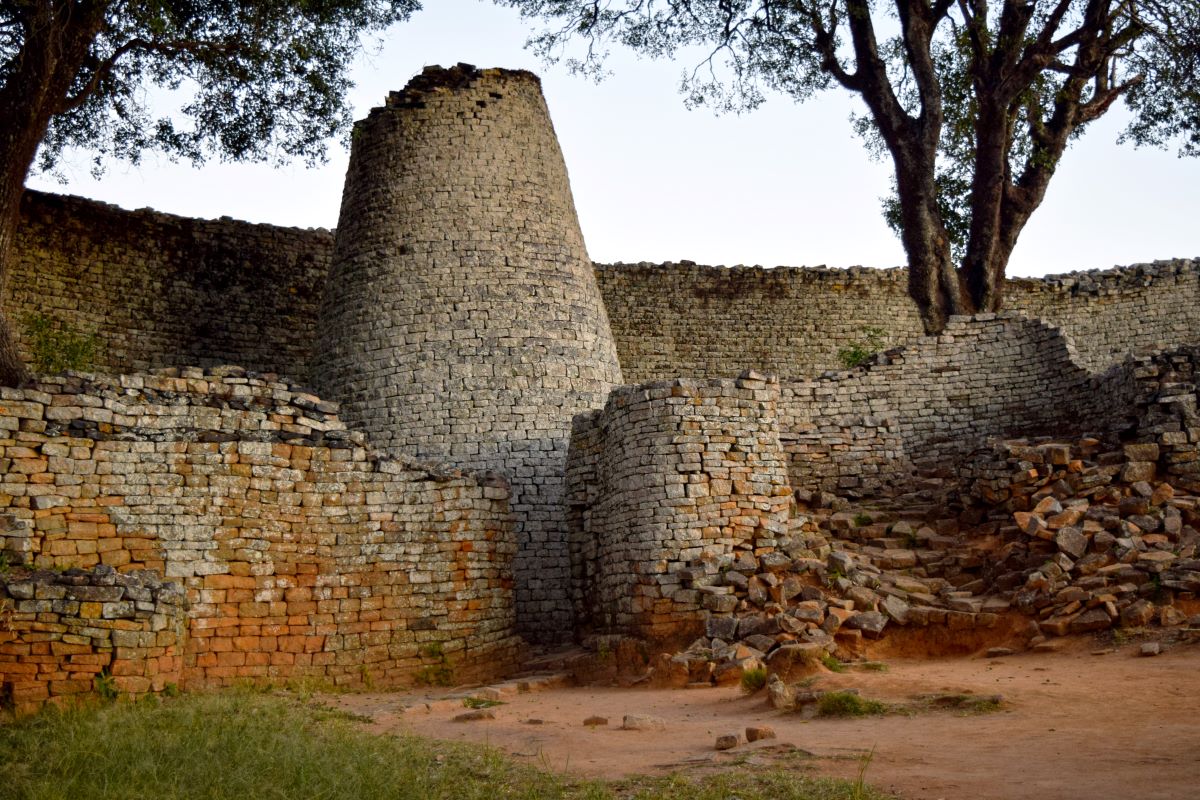
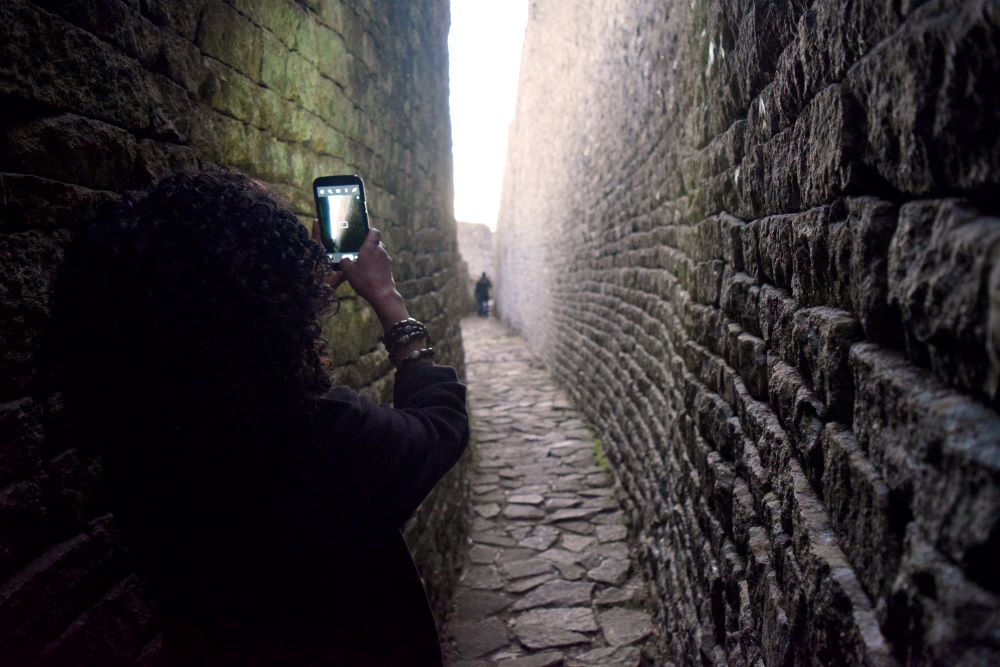
There, in the dry stone blocks, stacked one onto another without mortar, lie signs of extraordinary creativity and architecture. Walls that do not fall, though centuries have brushed against them with wind, rain, sun unshakable to this day. The Great Enclosure, the Hill Complex and the Valley Ruins bear witness to a civilisation that flourished between the 11th and 15th centuries, with the skills to build an empire whose memory has lasted ages.
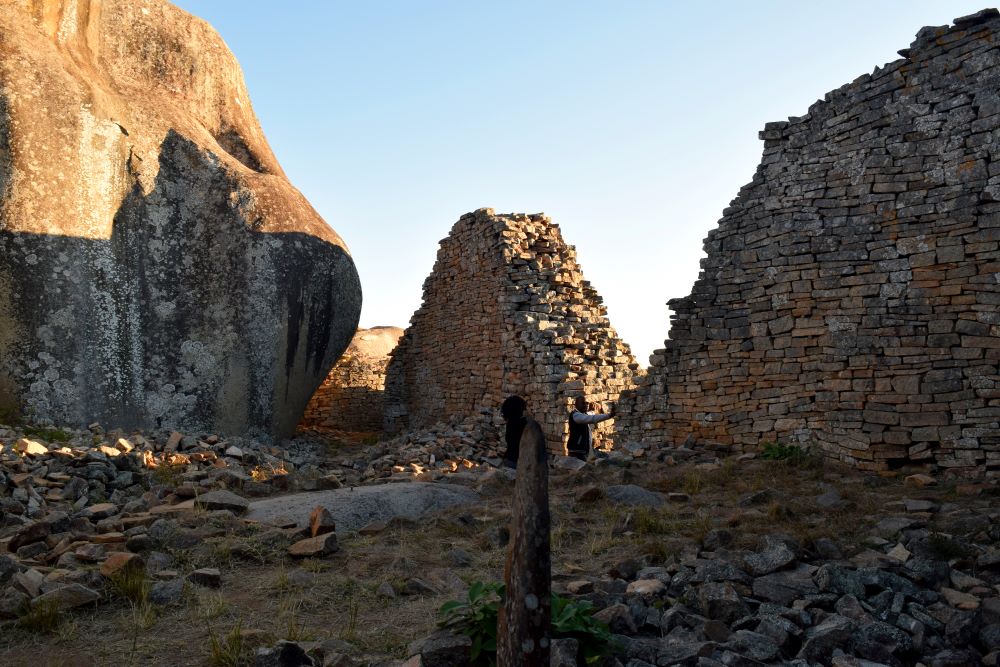
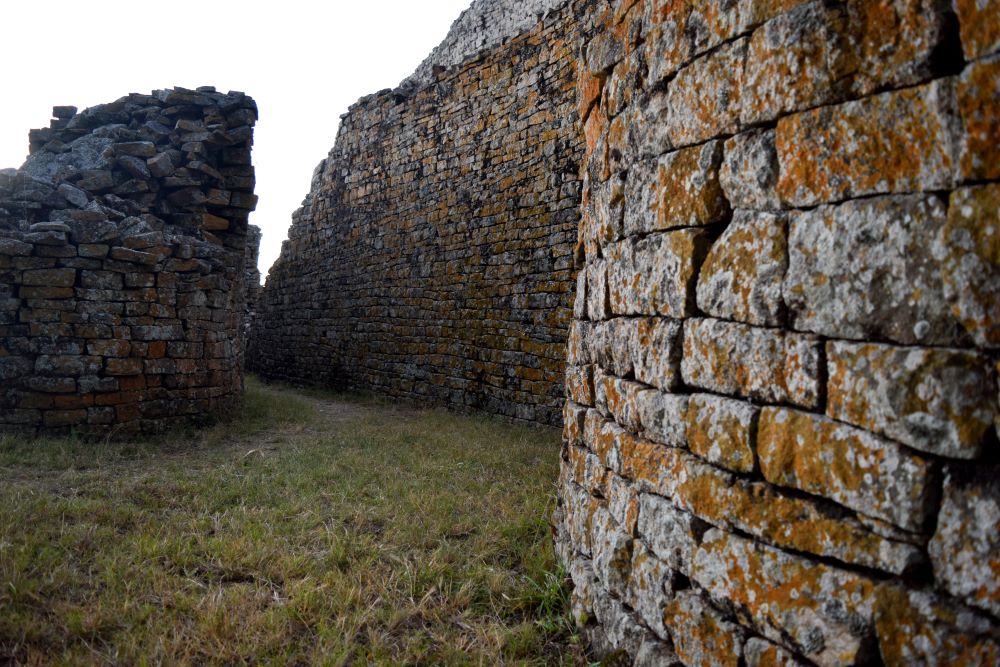
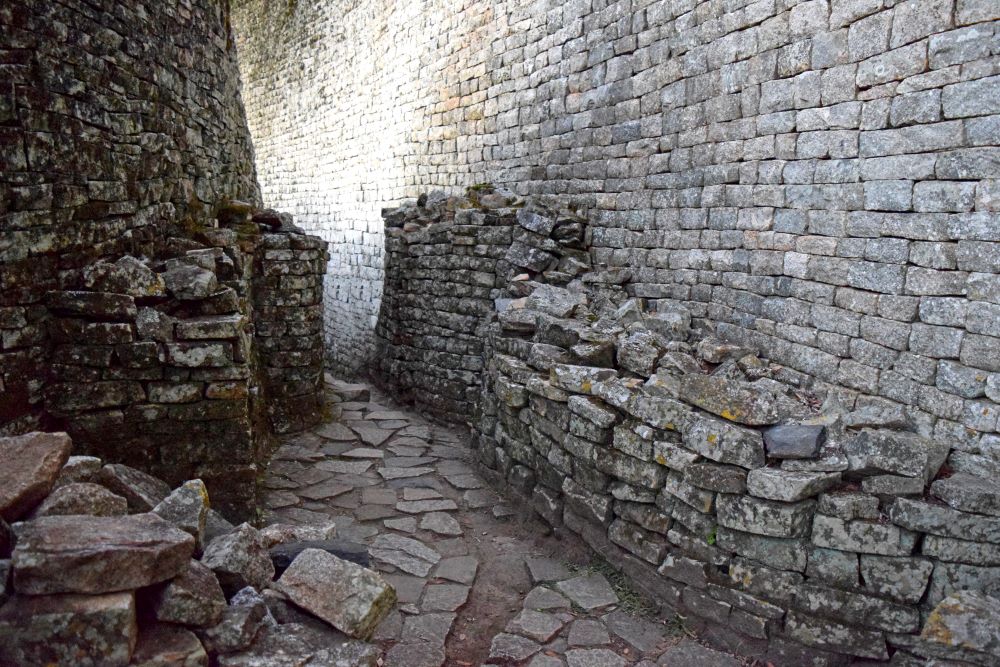
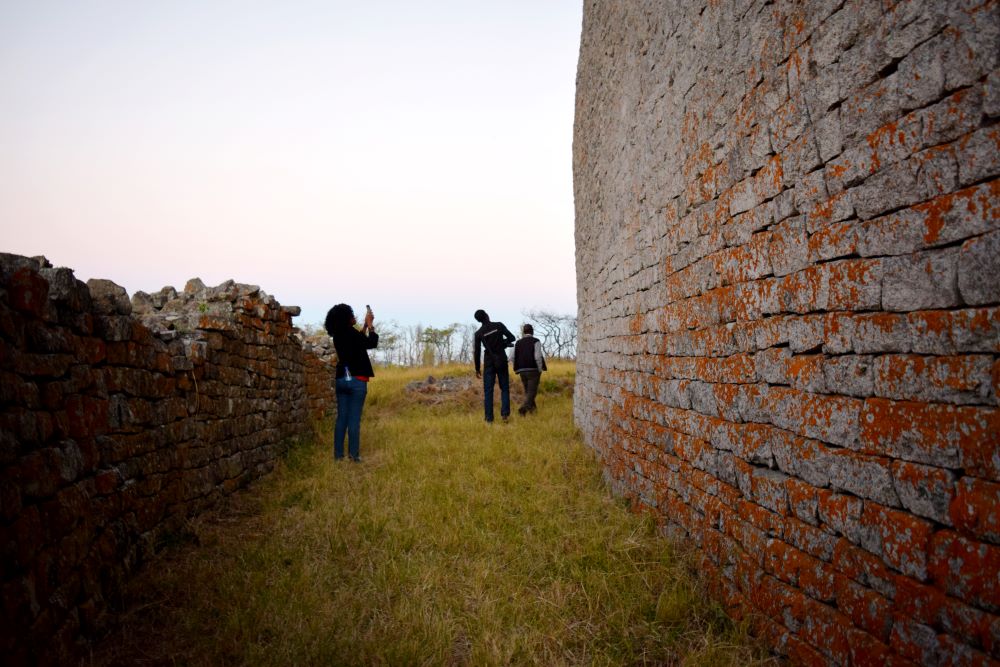
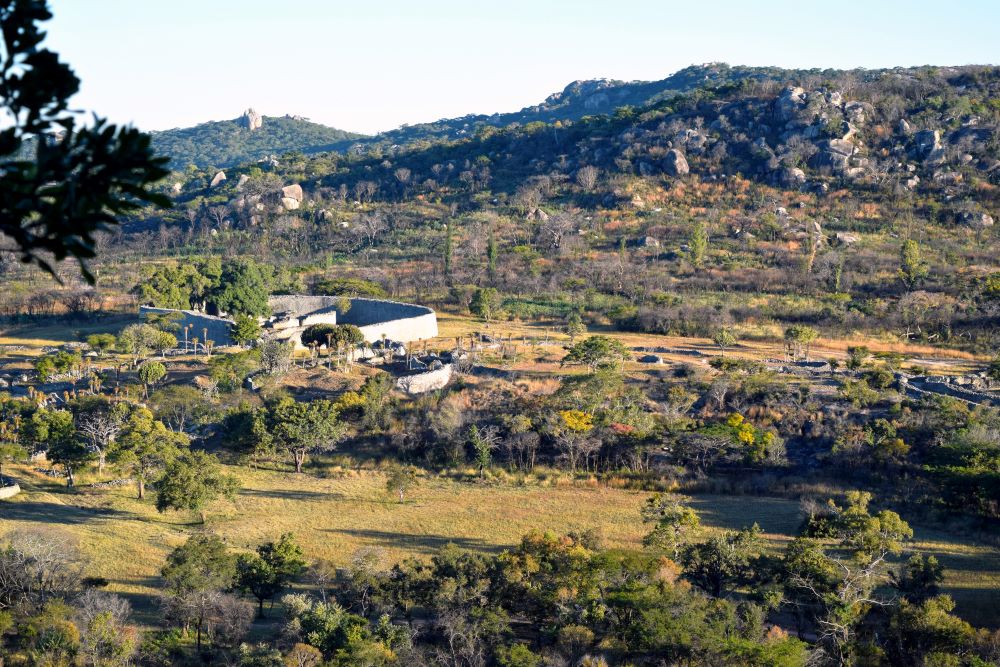
Sometimes I wonder, did gods shape these stones, or did hands guided by hopes and fear and dreams? The debate continues. Many early explorers (wrongly) assumed foreign hands untruths that were erased by deeper archaeological study which confirmed that these marvels are of exclusively African origin, built by ancestors of the Shona people.
Symbols, Voices, the Breath of Ancestors
What thrills me most are the symbols, the rock art, and the ornamentation. They do more than decorate stone they speak. Imagine San hunters chasing a kudu; imagine their laughter, their breath, the rustle of grasses; all captured in simple, elegant rock paintings, images of wild animals, spears, life. An appreciation that our people were one with nature, that nature sustained them, that every animal, every plant, every river had its place.
My favourite symbol is the chevron pattern. Running along parts of the Great Enclosure, the double‐chevron design is not simply decorative. Scholars suggest it represents fertility, the dynastic line, a symbol for women that represents infinity as women are responsible for replenishing the earth through child birth.
Then there is the Zimbabwe Bird carved in soapstone, once perched on ancient walls and pillars, now everywhere in Zimbabwe: on our flag, our coats of arms, banknotes. It is a totemic and sacred symbol. Some believe it was the fish eagle a messenger to the gods, to the ancestors. When drought or famine came, the king (or spiritual leader) would pray; dreams would be sought; ceremonies held all in communion with the skies, the weather, the very heart of our land.
Great Zimbabwe as Heritage and Hope
Great Zimbabwe is not merely a historical object. UNESCO declared it a World Heritage Site in 1986, recognising it as “one of the most spectacular architectural and cultural landscapes in Africa”. It stretches across nearly 800 hectares, with walls in places rising nearly 10 meters (32 feet) high and the complex divided into its Hill Complex, Great Enclosure, and the Valley Ruins.
The Great Zimbabwe Development Project, with UNESCO, UNOPS, the National Museums and Monuments, and partners such as the French Development Agency, is working to preserve, interpret, and present not only the stones but the stories — the intangible heritage, the community memories for our times and for the future. UNESCO
The Giant Still Sleeps — But Its Heart Beats
When I walk among those walls, when I stand by the Conical Tower and close my eyes, I listen. I hear echoes: children singing, voices in prayer, laughter, drumming. A cool breeze brushes my skin perhaps the whisper of ancestors. The giant sleeps, yes but it is far from dead. In the silence of stone lie untold tales, resilience and identity.
Zimbabwe is beautiful; it has many destinations. But none speaks quite like Great Zimbabwe. It tells the story of our people, our name Zimbabwe, Dzimba-hwe the “house of stones.” It is our home in stone. It is the shrine of Southern Africa. It was the hub of trade: gold, iron, beads. Caravans, traders, local people, elephants’ tusks, vibrant cloth all converged here.
Our Duty, Our Inheritance
As civilisation evolves, we must bow deeply to our ancestors, who even in their times felt that evolution is life. They left this giant so that their children’s children might see, or perhaps even honour them for having built such a monastery of stone.
All these stories, all these artefact’s, the chevrons, the birds, the rock art can still be seen at Great Zimbabwe. But many stories remain untold. Let us be their storytellers. For in preserving the walls we honour memory; in sharing the meaning we affirm identity.
The Great Zimbabwe Monuments are more than ruins. They are the sleeping giant that holds within it generations of strength, creativity, and faith. The giant is ours. May our reverence, our scholarship, our care wake it gently so that the world hears its voice clearly.
Driven by a passion for creating meaningful guest experiences, Ropafadzaishe Mushoorwa is a seasoned tourism and hospitality professional with over a decade of hands-on experience in hotel operations, destination management, and sustainable tourism development. Her career has been built on a deep commitment to service excellence and community empowerment, particularly through her work in luxury safari lodges and hospitality enterprises across Zimbabwe. Ropa combines operational expertise with a visionary approach to how tourism can transform local livelihoods. She believes that tourism is more than travel; it is transformation. Through her work and advocacy, Ropa continues to shape a narrative where Zimbabwe’s natural beauty and cultural richness translate into tangible benefits for its people.