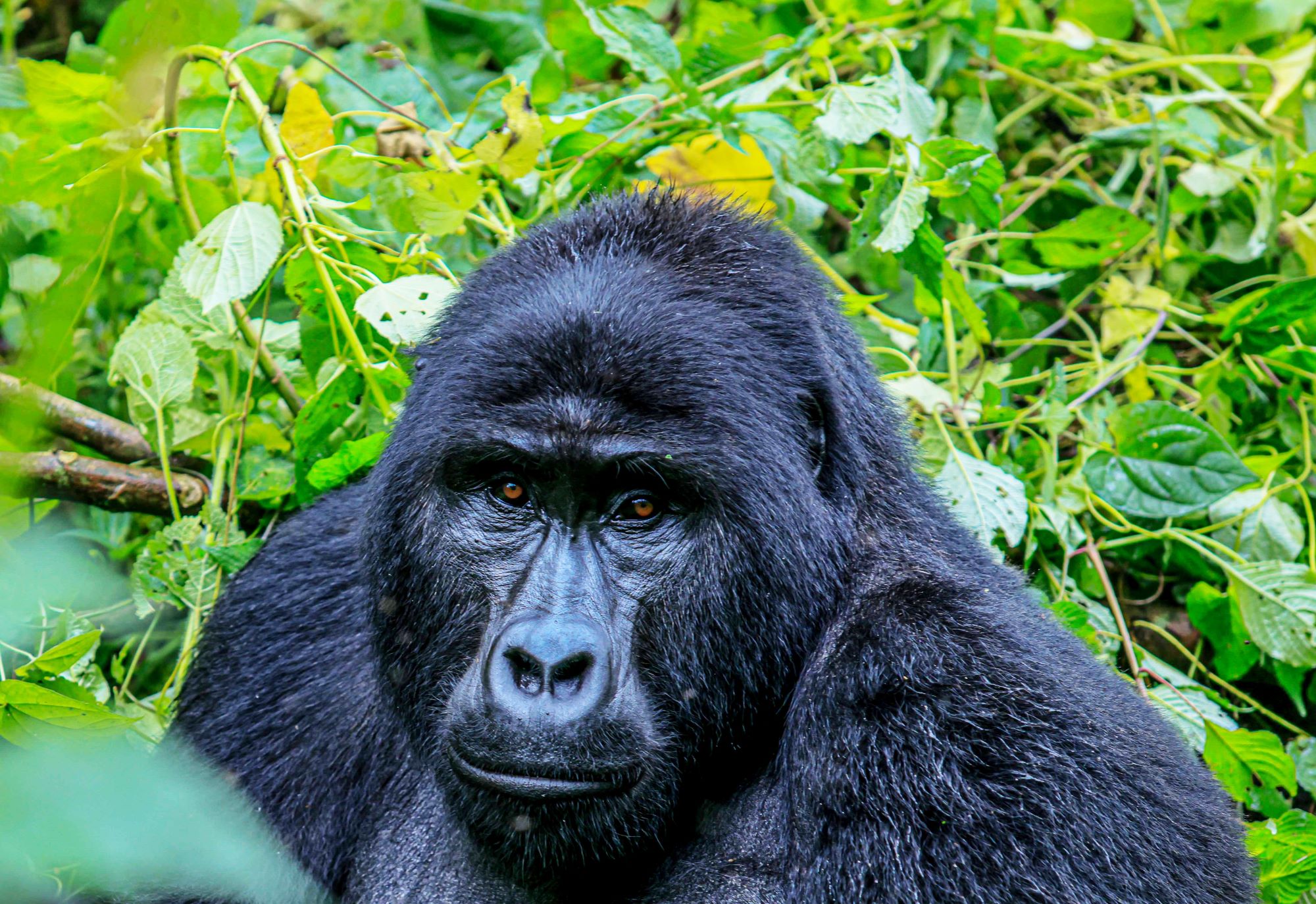
Uganda’s Mountain Gorillas: A Conservation Success Story Amidst Challenges
Bwindi Impenetrable National Park, Uganda – Deep in the mist-covered forests of southwestern Uganda, a remarkable conservation story is unfolding. Uganda’s mountain gorillas, once teetering on the brink of extinction, have seen a steady population increase thanks to decades of dedicated protection efforts. Today, these majestic primates are not only a symbol of wildlife resilience but also a cornerstone of Uganda’s thriving eco-tourism industry.
A Population on the Rise
According to the latest census conducted by the Uganda Wildlife Authority (UWA) in collaboration with international conservation groups, the number of mountain gorillas (Gorilla beringei beringei) in Uganda has risen to over 500 individuals. This marks a significant recovery from the 1980s, when rampant poaching, habitat loss, and civil unrest pushed the species to near extinction.

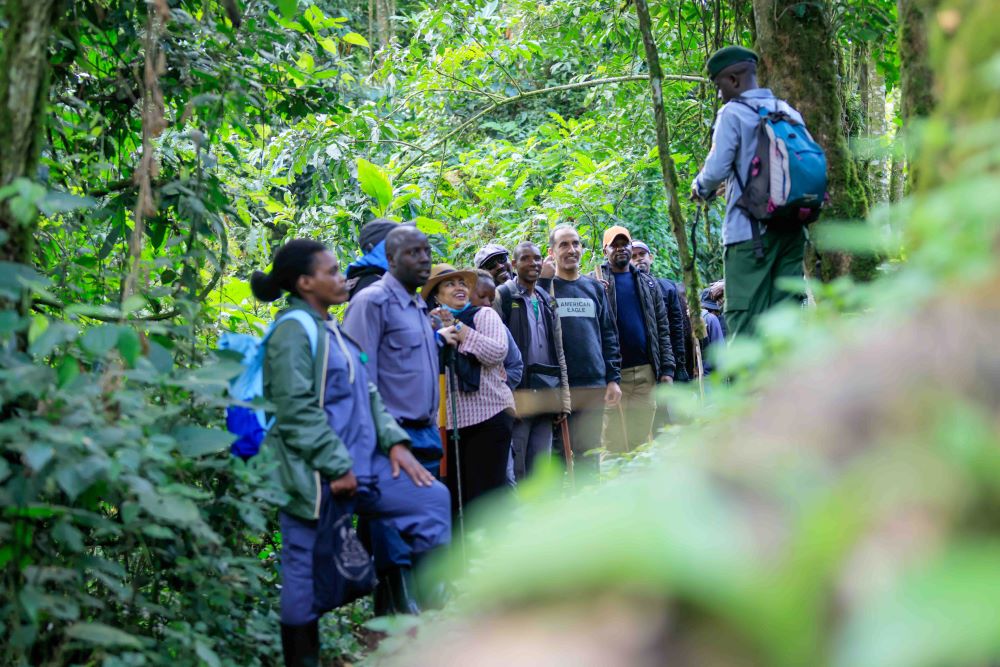
Uganda shares its gorilla population with neighboring Rwanda and the Democratic Republic of Congo (DRC), with the majority found in Bwindi Impenetrable National Park and Mgahinga Gorilla National Park. The Bwindi forest alone is home to roughly half of the world’s remaining mountain gorillas, making it a critical stronghold for the species.
Conservation Efforts Paying Off
The rebound in gorilla numbers is attributed to rigorous anti-poaching patrols, veterinary care, and community-based conservation programs. The UWA, alongside organizations like the International Gorilla Conservation Programme (IGCP) and the World Wildlife Fund (WWF), has worked closely with local communities to reduce human-wildlife conflict and promote sustainable livelihoods.
“Gorilla tourism has been a game-changer,” says Dr. Gladys Kalema-Zikusoka, founder of Conservation Through Public Health (CTPH). “By ensuring that local communities benefit from tourism revenue, we’ve turned former poachers into protectors.”
Tourism: A Double-Edged Sword
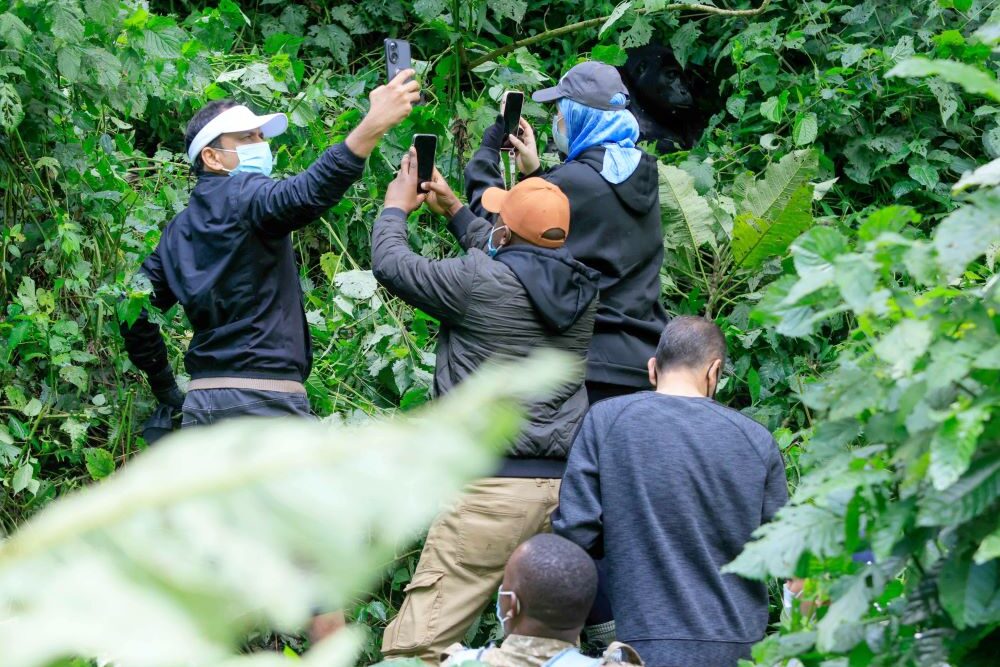
Gorilla trekking, which permits small groups of tourists to observe gorillas in their natural habitat, generates millions of dollars annually. Permits cost up to $800 per person, with a portion of the proceeds funding conservation and community projects.
However, the success of gorilla tourism comes with challenges. Increased human presence raises the risk of disease transmission—gorillas are susceptible to respiratory infections, including COVID-19 and other human-borne illnesses. Strict regulations, including mandatory mask-wearing and maintaining a 7-meter distance, are enforced to minimize risks.
The Road Ahead
Conservationists remain cautiously optimistic. Plans are underway to expand protected areas and strengthen transboundary cooperation with Rwanda and DRC to ensure gorilla populations remain stable.
“The gorillas are not just Uganda’s treasure—they belong to the world,” says Dr. James Musinguzi, Executive Director of UWA. “Their survival depends on global support and our continued commitment to protecting them.”
As the sun rises over Bwindi’s dense canopy, the distant hoots of a gorilla family serve as a reminder of what’s at stake. For now, Uganda’s mountain gorillas stand as a beacon of hope—proof that even the most endangered species can rebound when humans choose to act.