
How Laikipia’s Communities Are Taking Ownership of Their Tourism Story
A recent launch in Kenya’s Laikipia region offers a compelling case study in sustainable tourism, demonstrating what happens when local communities are empowered not just to participate in the industry, but to write and own the story themselves..
What happens when a community stops being the backdrop of the tourism experience and becomes the author of it? This is the central question posed by impact storyteller Esther Muthee following her recent immersion into a new community-led tourism product in Kenya’s Laikipia region.
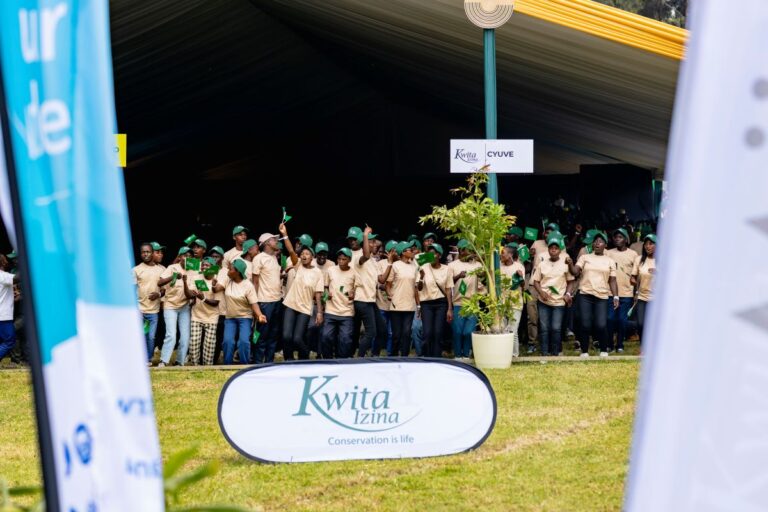
From September 27–29, Muthee witnessed the transformation firsthand during the launch of a product developed in partnership with the Yaaku and Laikipiak Maasai communities. Her account reveals that this was more than a simple product launch; it was a celebration of agency, confidence, and genuine ownership.
The Rhythm of Authentic Immersion
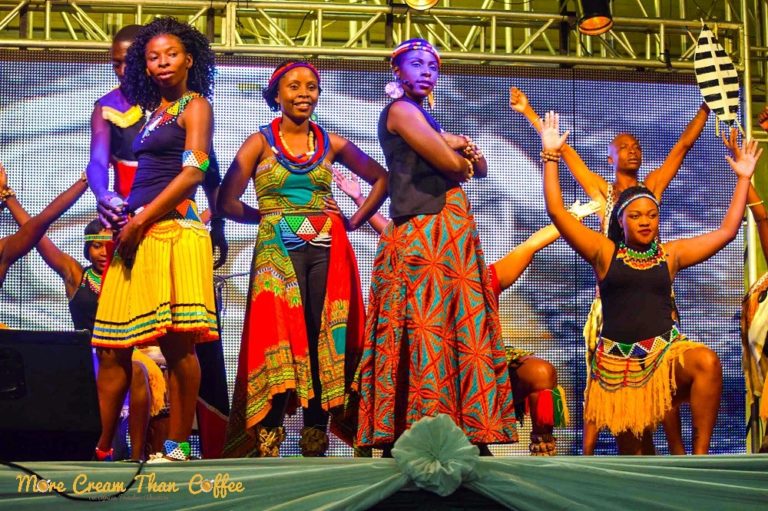
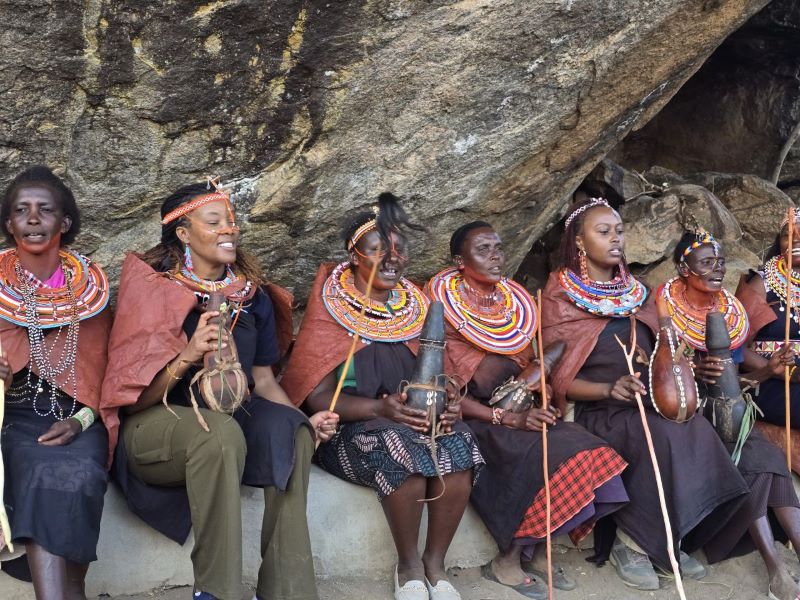
The experience was anchored in deep cultural exchange—traditional dancing, storytelling, shared meals, and local hospitality. Yet, as Muthee observed, “beneath all the celebration was something much bigger: community confidence and ownership.”
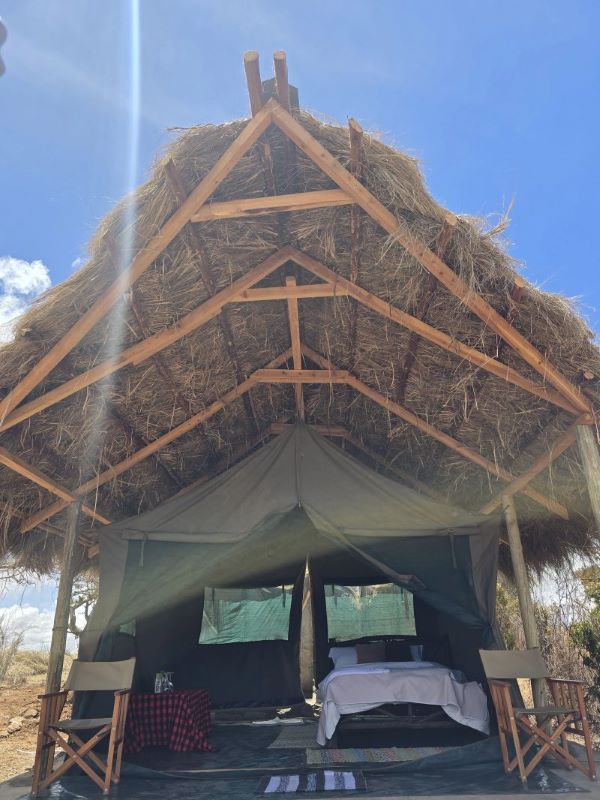
This sense of ownership was physically manifested at Shulmai Community Conservancy through fly camping in its most authentic form. These mobile camps move with the narrative of the journey, allowing guests to pitch tents in two distinct locations. This mobility reflects a deeper respect for the land and the people who call it home, prioritizing rhythm over rigid itineraries.
The journey also highlighted the potential of infrastructure like the Wakumbe Hill Tented Camp at Naibunga Upper Community Conservancy. Currently under renovation, the camp promises visitors “a landscape filled with dramatic views, wildlife and some of the clearest skies” Muthee has ever experienced.
Beyond Culture: Conservation and Connection
The product extends beyond cultural exchange into the heart of conservation science. One morning featured a classic game drive at Lolldaiga Conservancy, while the next offered a unique educational guided walk with the habituated baboon troops of the Uaso Ngiro Baboon Project (UNBP).
According to Muthee, these distinct experiences were complementary. “Each offered a glimpse into the relationship between wildlife, conservation, tourism and learning,” she noted. One showcased the majesty of the wild; the other revealed the science required to understand and protect it.
The Full Circle of Empowerment
For Muthee, the true success of the initiative lies in the visible progression of the communities involved. She described seeing “the journey come full circle” through a clear path of development: Training, Participation, Confidence, and finally, Ownership.
This model doesn’t happen in a vacuum. Muthee credits Phoebe Maina of Steri Tours – Socially Responsible Travel Tours and the Laikipia Conservancies Association for championing the journey and investing directly in the communities at its heart.
The launch serves as a powerful reminder of the industry’s potential when done right. As Muthee concluded, “Tourism can create meaningful opportunities when communities aren’t simply invited into the story, but are empowered to write and own it.”

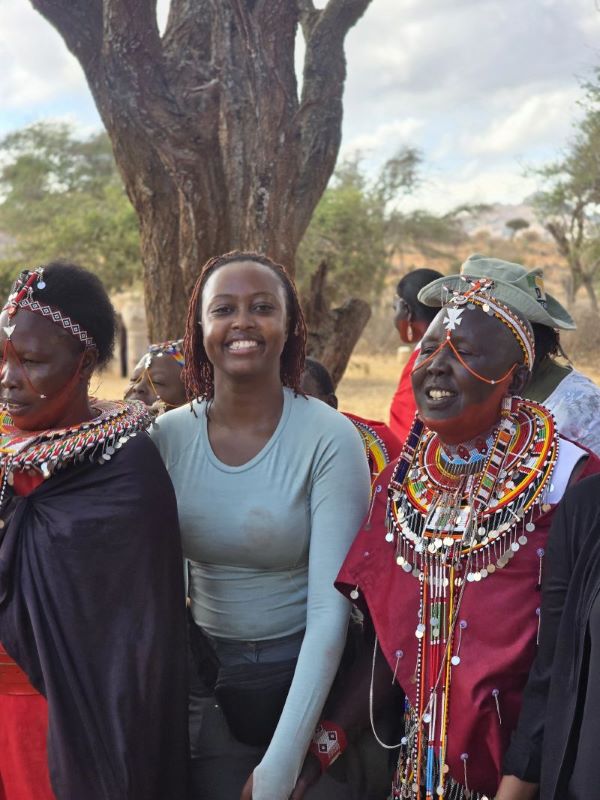



Esther Muthee is a thought leader in sustainable tourism, impact storytelling, and cultural integration. With a focus on conservation and youth empowerment, she specializes in product development that centers community voices. Through her work, Esther advocates for tourism models that transform local populations from participants in the experience to owners of the narrative.